
Landscape with a hunter and a hunting trophy — History & Facts
In its stillness, it holds a yearning that echoes through time, evoking the silent stories of those who once tread upon the land. Look to the foreground, where a solitary figure stands, a hunter poised with a sense of accomplishment. His attention is riveted to a trophy, an animal's head mounted on the wall behind him. The play of light accentuates the texture of the fur, revealing meticulous brushwork that brings the creature’s form alive.
The muted earth tones of the landscape contrast sharply with the striking details of the hunter's attire, suggesting a moment suspended in contemplation and pride. Beyond this surface, a deeper narrative unfolds within the composition. The juxtaposition of the hunter and the trophy raises questions about the nature of triumph and loss. Does this trophy symbolize mastery over nature, or does it evoke an underlying sorrow? The stillness of the scene invites the viewer to reflect on the tension between man and environment, as well as the fleeting relationship between ambition and the yearning for more. Pieter Andreas Rysbrack painted this work during the early 18th century, a period when the art world was experiencing shifts toward realism and naturalism.
The artist, working in Antwerp and later in London, was influenced by the burgeoning Baroque movement, focusing on detailed landscapes and the human condition within them. His life was imbued with the tensions of a rapidly changing society, reflected in his art's search for connection amidst the evolving landscape of both nature and civilization.
More Artworks by Pieter Andreas Rysbrack
Browse all →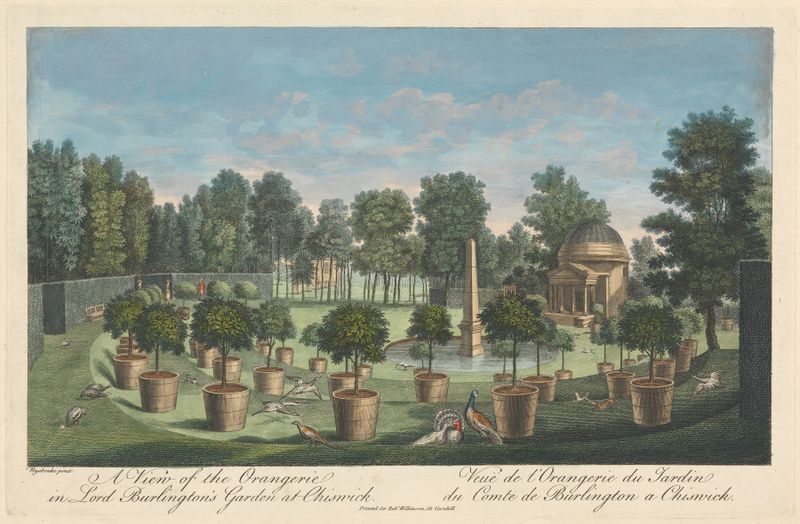
A View of the Orangerie in Lord Burlington’s Garden at Chiswick
Pieter Andreas Rysbrack
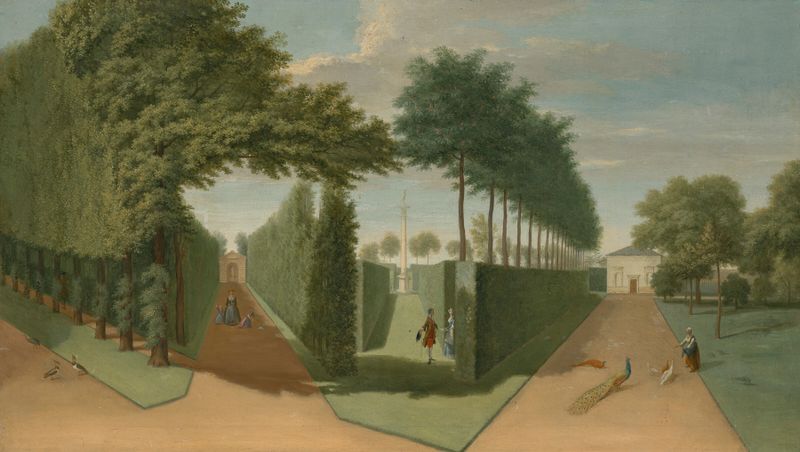
The allées in the gardens of Chiswick House, with a view of the Rustic House, the Doric Column and the Deer House
Pieter Andreas Rysbrack
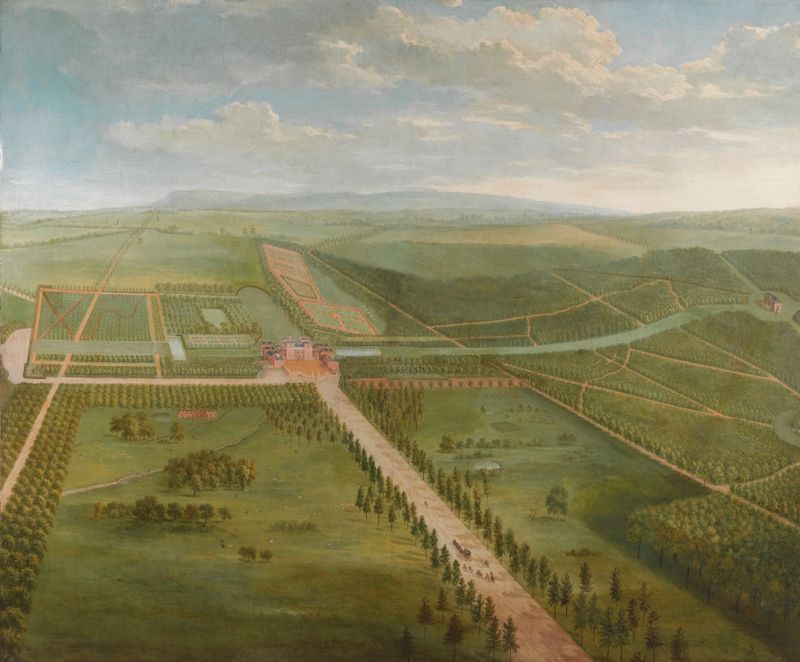
Prospect Of Tottenham Park, Wiltshire
Pieter Andreas Rysbrack
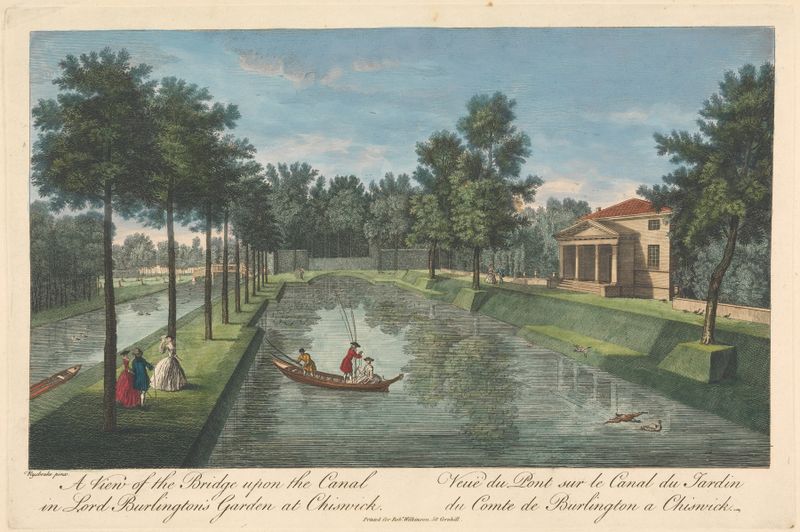
A View of the Bridge upon the Canal in Lord Burlington’s Garden at Chiswick
Pieter Andreas Rysbrack





