
Landscape with a villa (Thomas Gainsborough) — History & Facts
Who listens when art speaks of silence? In the quietude of Landscape with a Villa, we find a sanctuary where light becomes an ethereal guide through nature’s tranquility. Focus on the gentle interplay of light and shadow that dances across the lush greenery. Notice how the soft pastels blend seamlessly in the sky, transitioning from pale blue to creamy amber as daybreak begins. Look to the left at the villa, its elegant architecture nestled within the embrace of nature.
The delicately painted trees frame the scene, inviting the viewer to linger in this serene moment. The quiet tension between nature and civilization lies at the heart of the composition. The villa, a symbol of human ingenuity, stands gracefully amidst the wild expanse, suggesting harmony rather than conflict. The delicate brushstrokes evoke a sense of nostalgia, hinting at the fleeting nature of beauty itself.
Each detail, from the rippling water to the distant mountains, speaks to a world untouched by the chaos of modern life. Created in 1850, this piece emerged during a period of transition in French art, where the influence of Romanticism was giving way to Impressionism. Louis Marvy, inspired by the English landscapes of Gainsborough, sought to capture the allure of rural serenity. At this time, he was exploring the relationship between light and the natural world, reflecting broader artistic movements that emphasized emotional expression and the beauty of ordinary surroundings.
More Artworks by Louis Marvy
Browse all →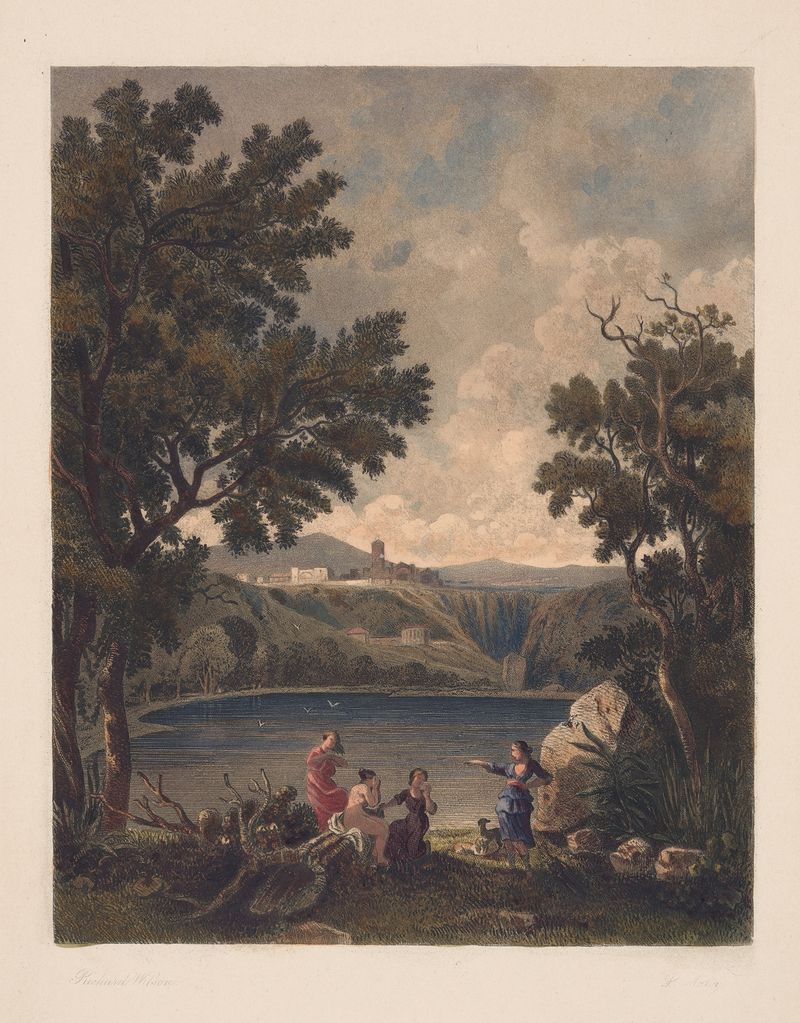
Diana and Callisto (Richard Wilson)
Louis Marvy
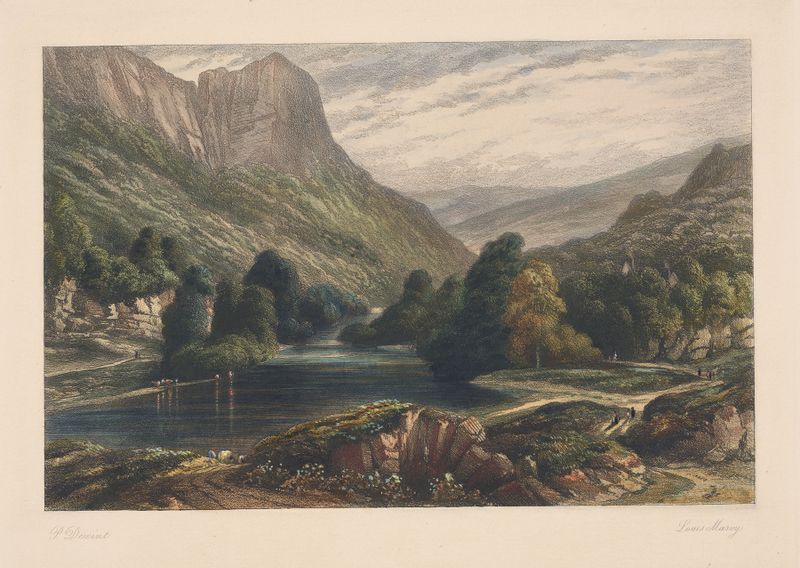
Landscape with mountain lake (Peter DeWint)
Louis Marvy
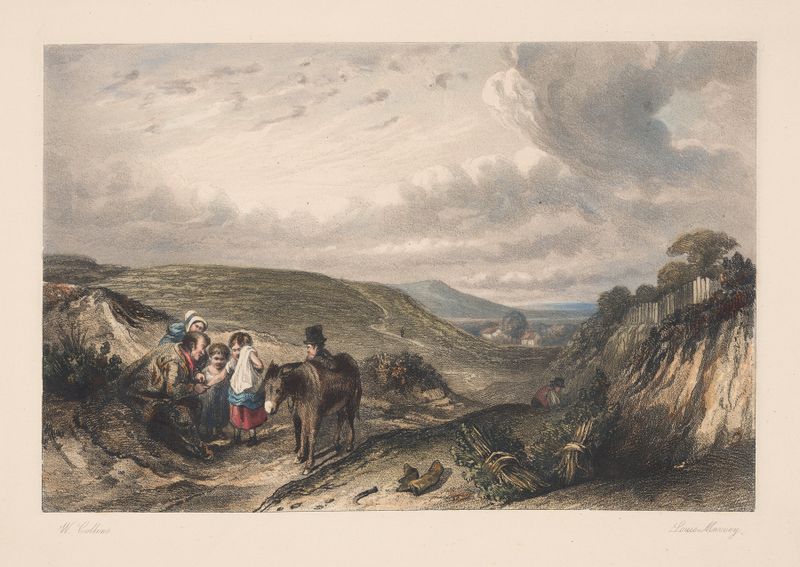
Landscape with woodgatherers (William Collins)
Louis Marvy
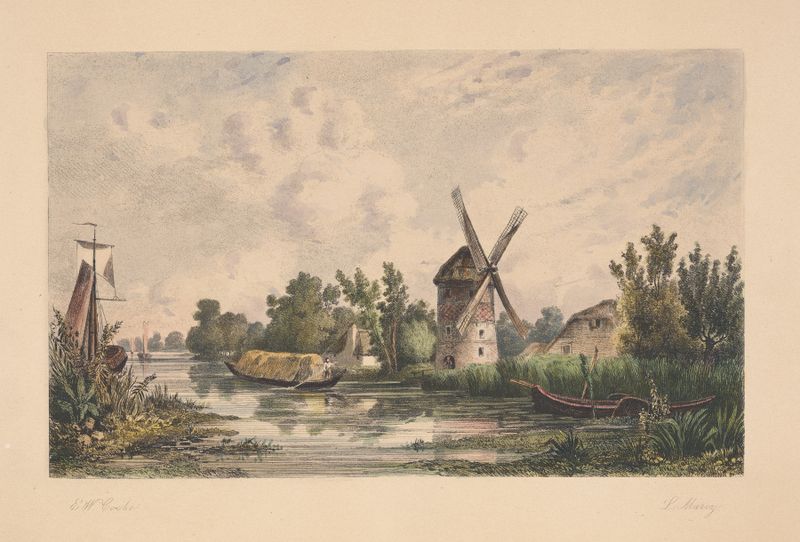
Landscape with windmill (Edward William Cooke)
Louis Marvy
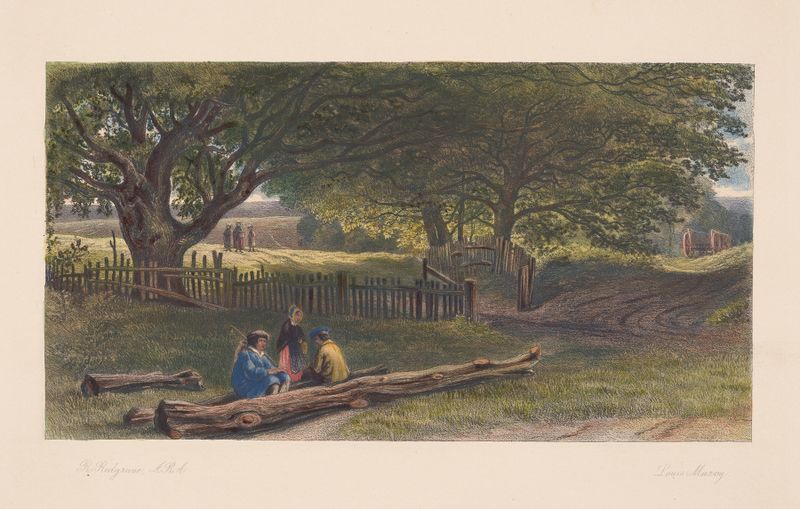
Landscape with gypsies (Richard Redgrave)
Louis Marvy
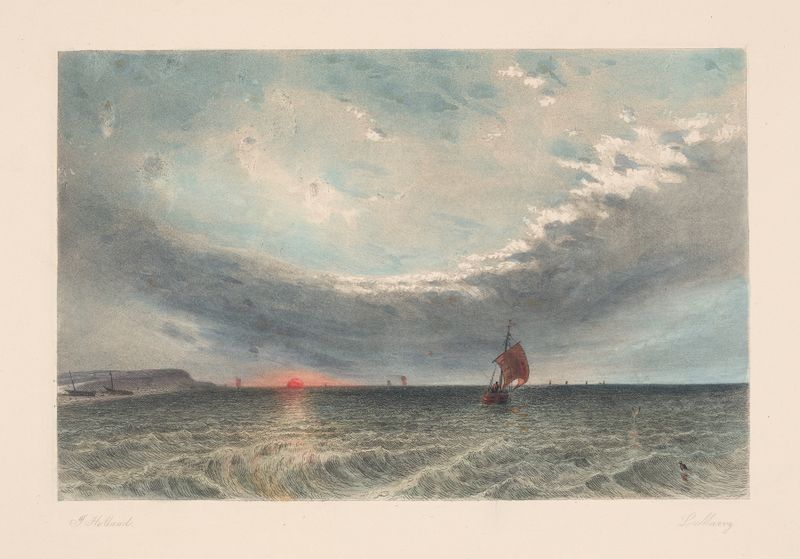
Seascape at sunset (James Holland)
Louis Marvy
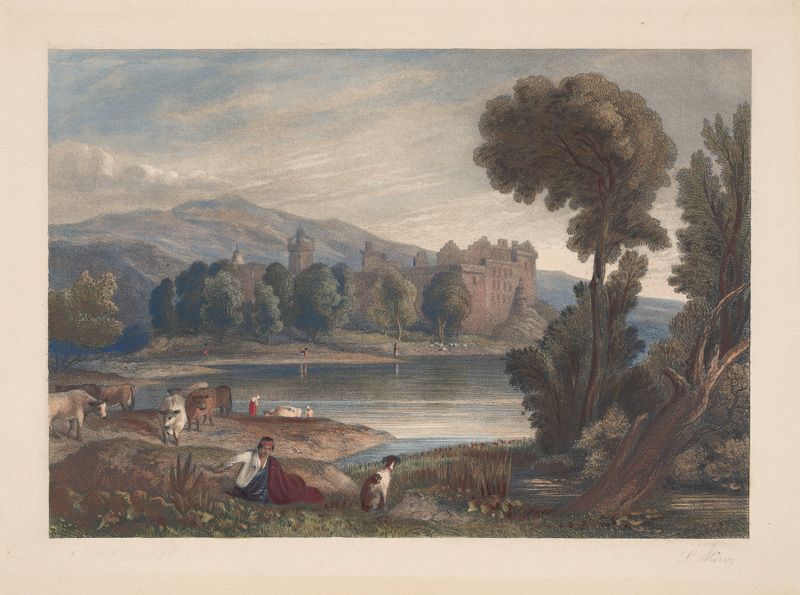
Lakeside castle (Joseph Mallord William Turner)
Louis Marvy
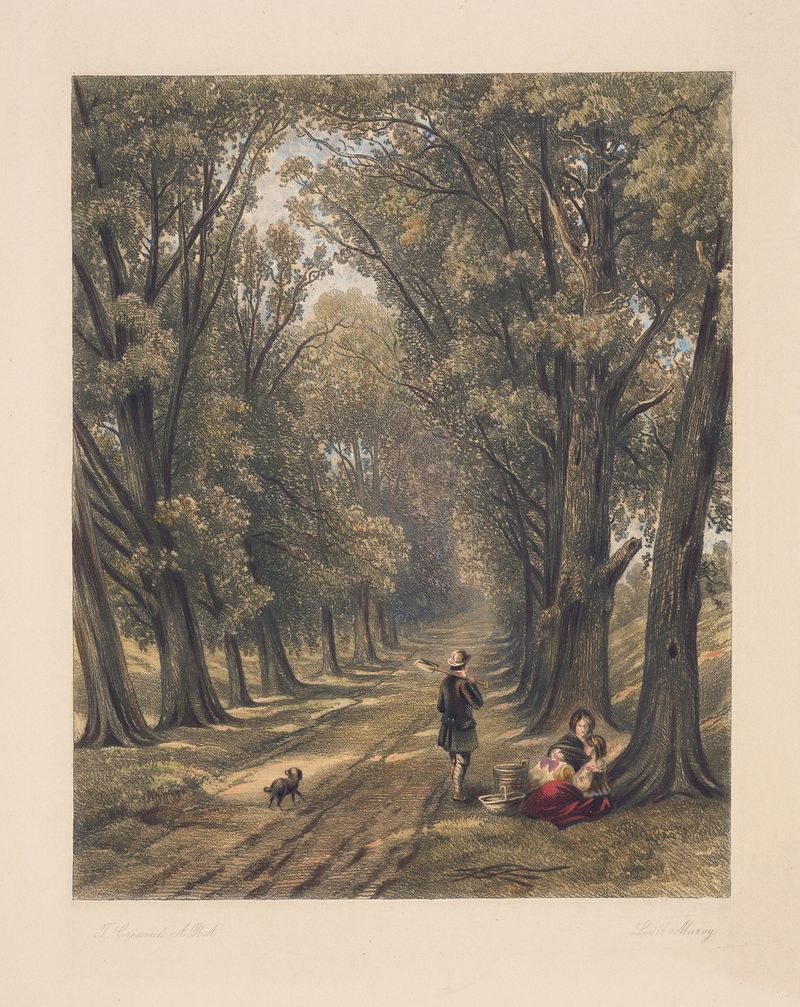
Landscape with tree-lined country road (Thomas Creswick)
Louis Marvy
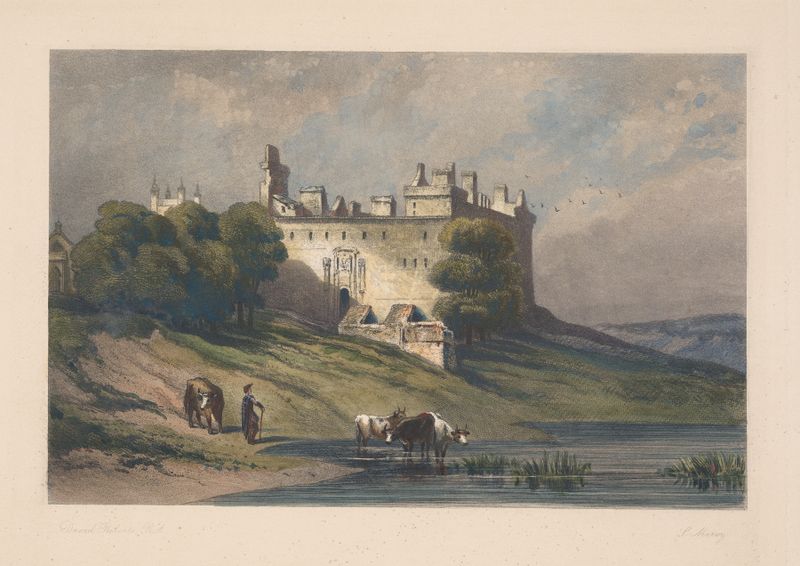
Landscape with cattle near castle (David Roberts)
Louis Marvy
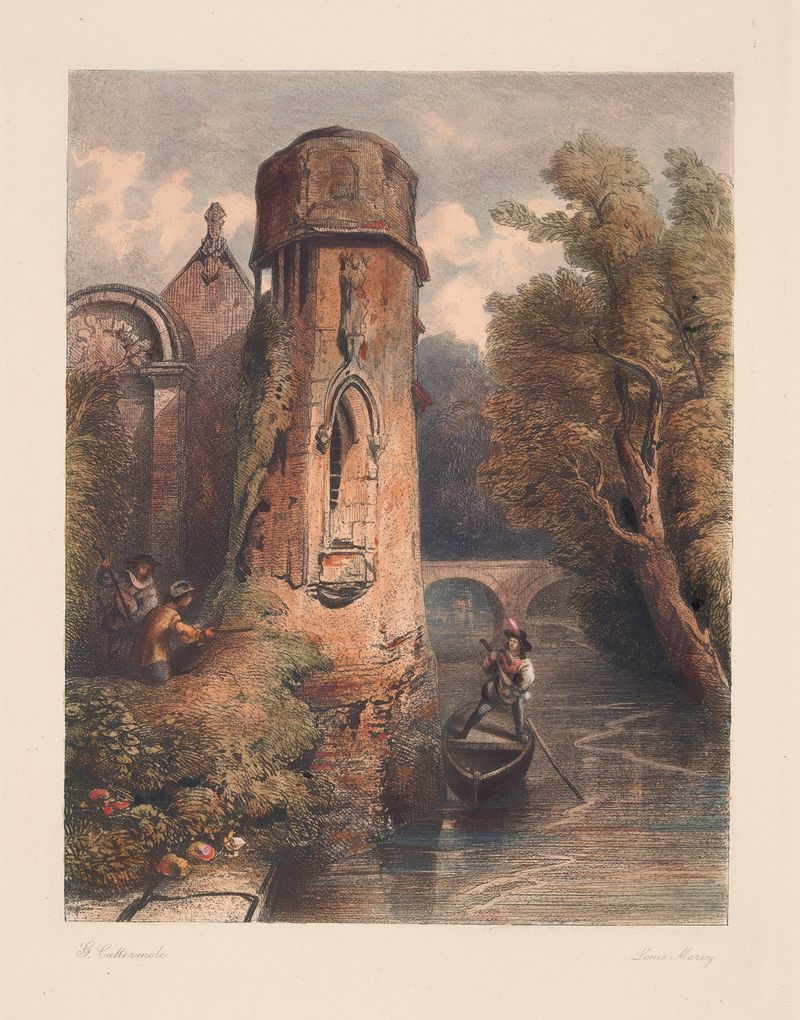
Landscape with man in boat playing lute near moss-covered tower (George Cattermole)
Louis Marvy





