
Landscape with Cattle — History & Facts
When did color learn to lie? In a world where hues whisper secrets of truth and illusion, the landscape remains a canvas of both faith and doubt. Look to the horizon where soft greens and muted browns intertwine, creating an earthy expanse that stretches endlessly. The brushwork is meticulous; every blade of grass and ripple of water is imbued with a tactile quality. Notice how the sunlight dances on the surface of the tranquil stream, illuminating the angles of the cattle grazing peacefully.
The gentle play of light and shadow shapes the figures in the foreground, imbuing them with a serene presence amidst the vastness of nature. Amidst the serenity lies an emotional tension, an interplay between the tranquility of the pastoral scene and the unseen weight of existence. The cattle, symbols of livelihood, reflect the connection between man and nature, yet their stillness hints at a deeper story of reliance and faith. The expansive sky looms overhead, suggesting both openness and distance, inviting contemplation on the fragility of life and the trust placed in the natural order. In 1861, Askevold painted this piece during a time of personal reflection and artistic exploration.
He was based in Norway, amidst a growing interest in realism and the natural world. This period marked a shift in his work, as he sought to capture the essence of rural life, drawing viewers into the quiet dignity of the landscape and its inhabitants. As the world began to modernize, he turned to timeless scenes, evoking a sense of faith in the enduring beauty of the countryside.
More Artworks by Anders Askevold
Browse all →
Fjordlandschaft
Anders Askevold
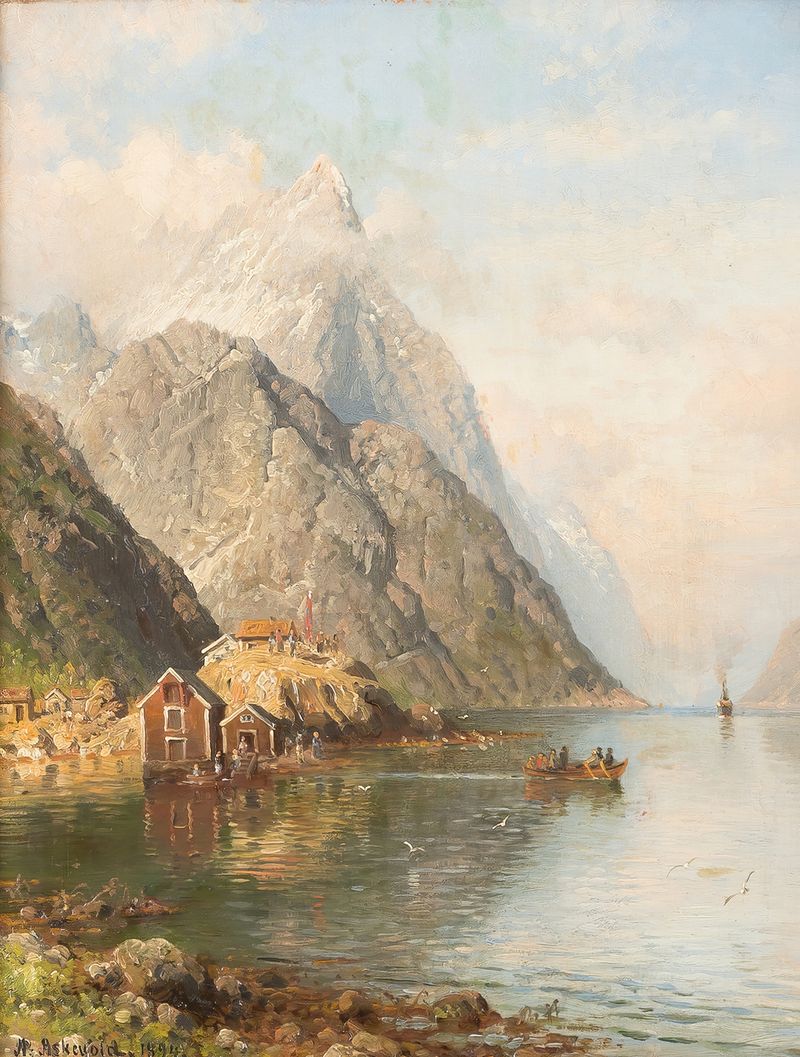
Geirangerfjord
Anders Askevold

Norwegischer Fjord (Sognefjord)
Anders Askevold
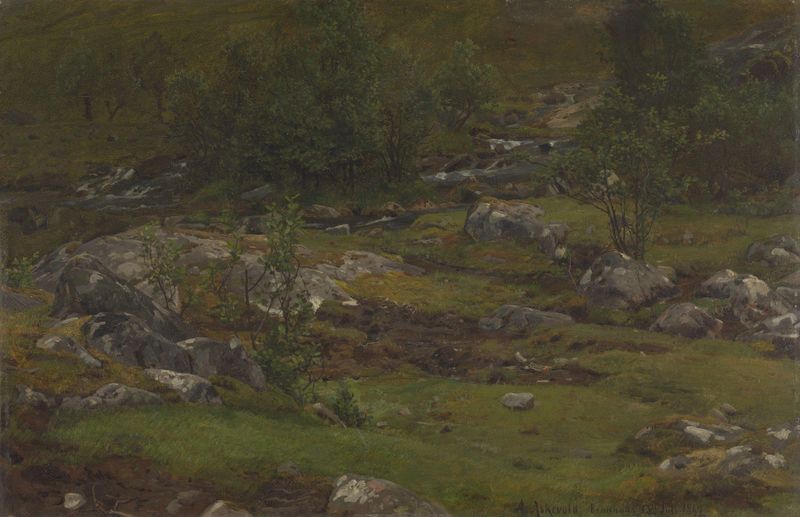
Landscape Study
Anders Askevold
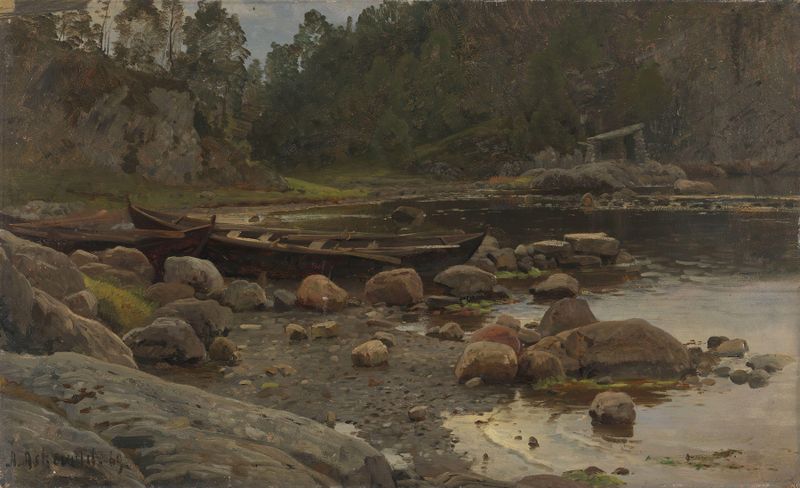
Waterside with Boats
Anders Askevold

Landscape Study
Anders Askevold
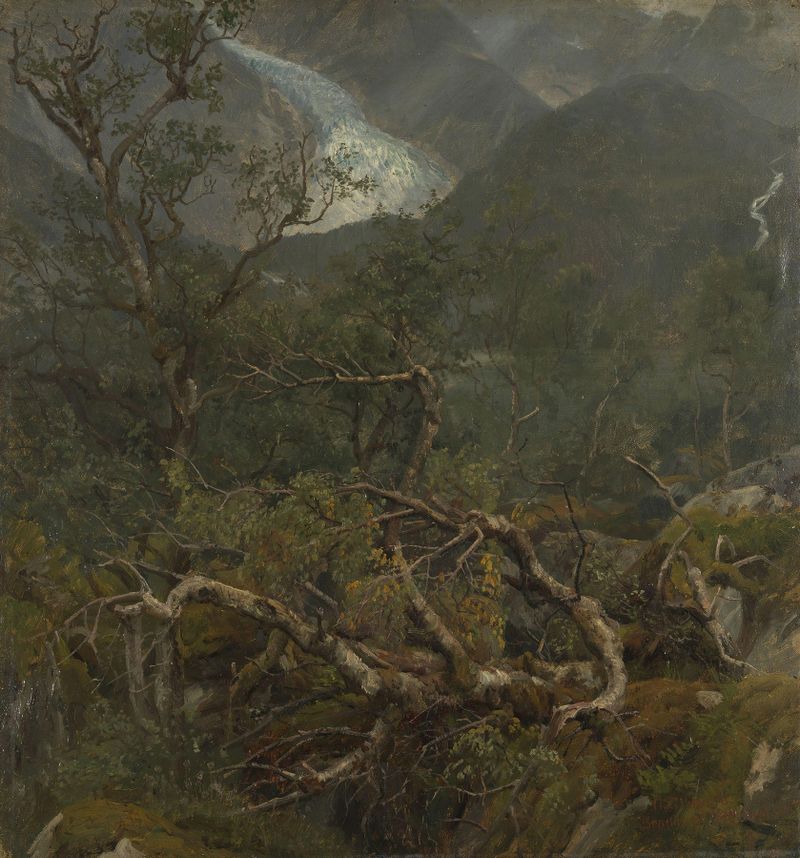
The Bondhus Glacier
Anders Askevold

From Hammerhaug
Anders Askevold

Study of a Treebucket with Potatoes
Anders Askevold





