Landscape with Medieval Church — History & Facts
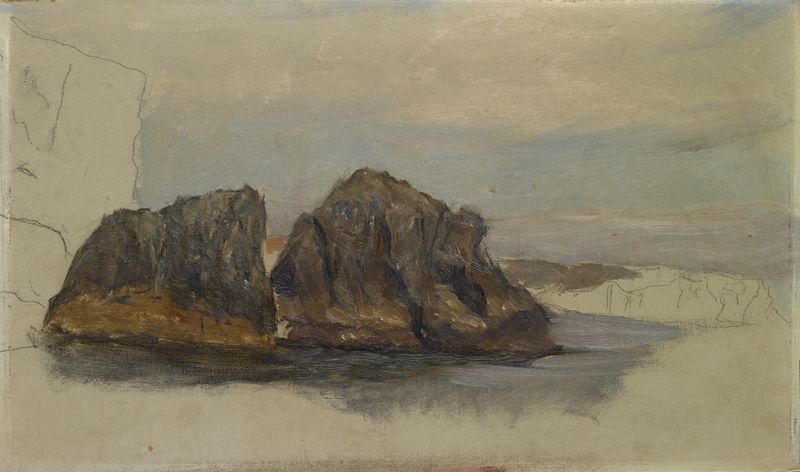
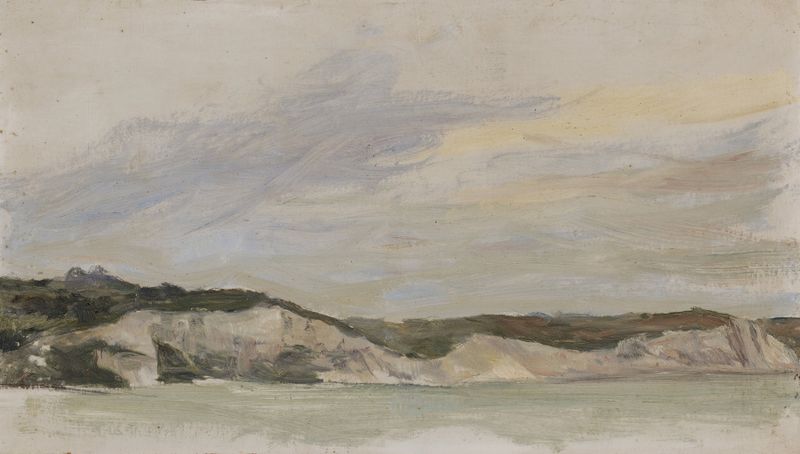
When did color learn to lie? In the silence of twilight, shades of green and gold merge beneath a sky bruised with indigo, hinting at secrets hidden in the depths of a tranquil landscape. The medieval church stands resolute, a beacon of faith carved into the canvas, suggesting that divinity might be tangible yet elusive. Look to the left at the dark, imposing structure of the church, its pointed arches and steeple reaching toward the heavens. Notice how the brushwork captures the interplay of light and shadow, creating a palpable tension between the celestial and terrestrial realms.
The colors are bold yet muted, evoking a sense of reverence and mystery that invites the viewer to contemplate the sacredness of the scene. The surrounding landscape, dotted with wildflowers, breathes life into the somber edifice, drawing eyes to its grandeur. In this composition, the convergence of nature and architecture speaks to the juxtaposition of humanity's aspirations and the spiritual realm. The looming clouds, tinged with the fiery orange of sunset, symbolize both the divine presence and the inevitable passage of time, while the gentle movement of the foliage hints at the fragility of existence.
Each element works in harmony, crafting a narrative that invites introspection and questions about our place in the universe. William de Goumois painted this work during an era when Romanticism was flourishing, characterized by an emphasis on emotion and nature. Though the precise date remains unknown, the artist's ability to convey the sacred through landscape reflects the broader artistic movement of the time, where the sublime was revered and nature was often depicted as a canvas for divine intervention. De Goumois's dedication to this theme reveals his deep engagement with the spiritual dialogue manifesting in the world of art during his career.