
Landscape with plowman (Frederick Richard Lee) — History & Facts
In the quiet realm of a pastoral landscape, the illusions of reality and art converge. Look to the center of the canvas, where a solitary plowman bends over his task, the curve of his back echoing the gentle undulations of the land. Notice how the rich greens of the fields blend seamlessly with the soft blues of the sky, creating a serene yet evocative backdrop. The brushwork is both fluid and precise, allowing the viewer to feel the texture of the earth beneath the plow and the warmth of the sun above, enhancing the scene’s authenticity. Yet, look closer, and you’ll find contrasts that challenge this tranquility.
The plowman’s labor stands in stark relief against the idyllic landscape, suggesting themes of struggle and perseverance. Shadows stretch and twist around him, hinting at the weight of his toil and the passage of time. The interplay of light and shadow teases out an emotional resonance, inviting contemplation on the relationship between man and nature, labor and leisure. In 1850, Louis Marvy painted this piece amidst a transformative era in French art, where Romanticism and Realism began to intertwine.
Emerging from a period of personal and artistic growth, Marvy sought to capture the essence of rural life and the connection to land. As industrialization loomed, this landscape reflects a moment when the simplicity of agrarian existence still held sway, making the illusion of tranquility all the more poignant.
More Artworks by Louis Marvy
Browse all →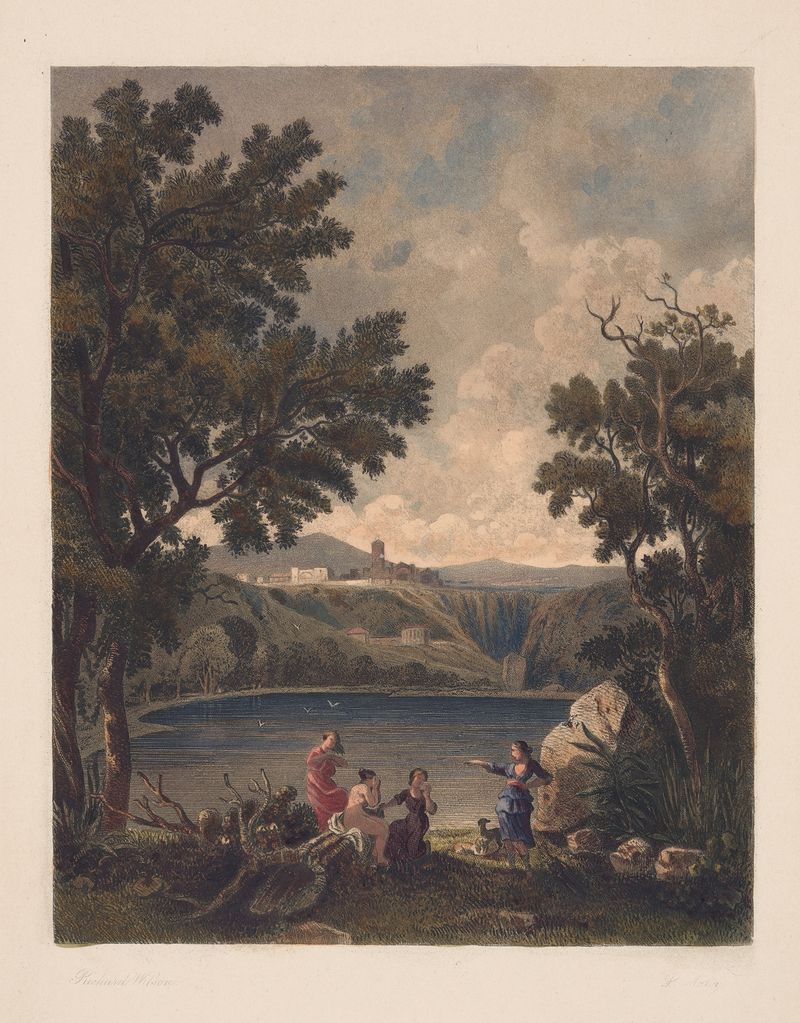
Diana and Callisto (Richard Wilson)
Louis Marvy
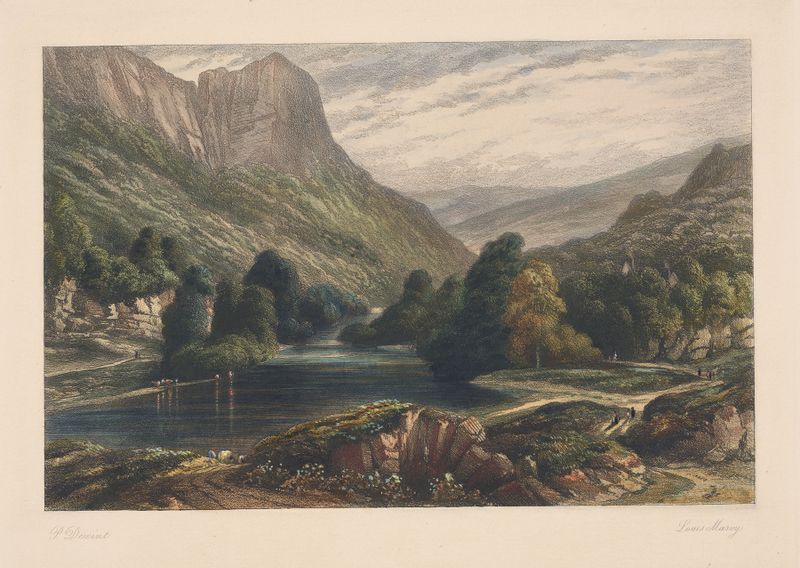
Landscape with mountain lake (Peter DeWint)
Louis Marvy
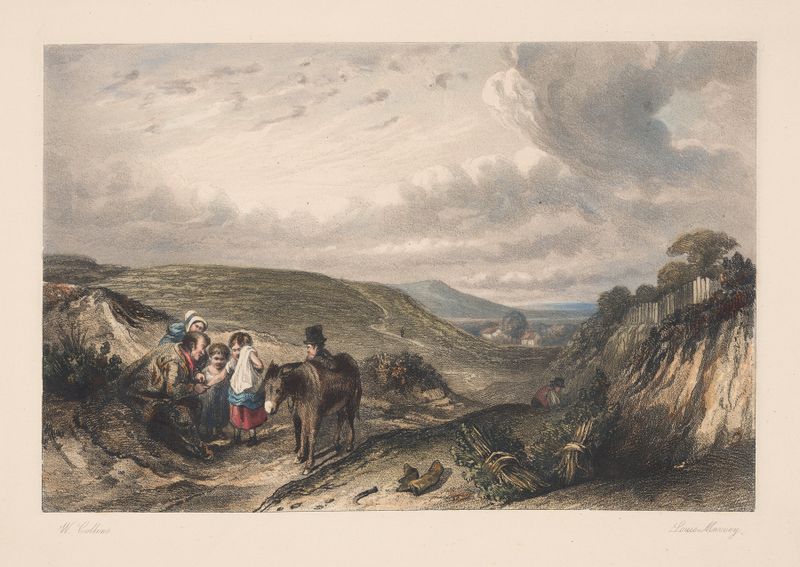
Landscape with woodgatherers (William Collins)
Louis Marvy
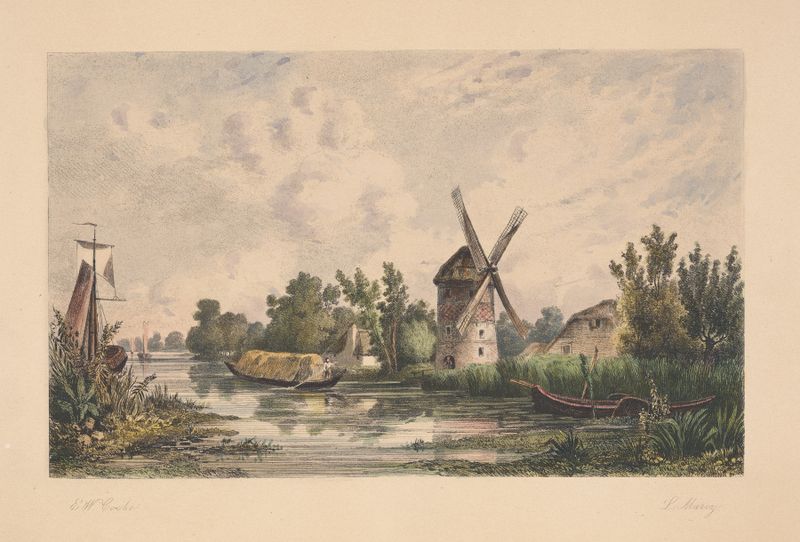
Landscape with windmill (Edward William Cooke)
Louis Marvy
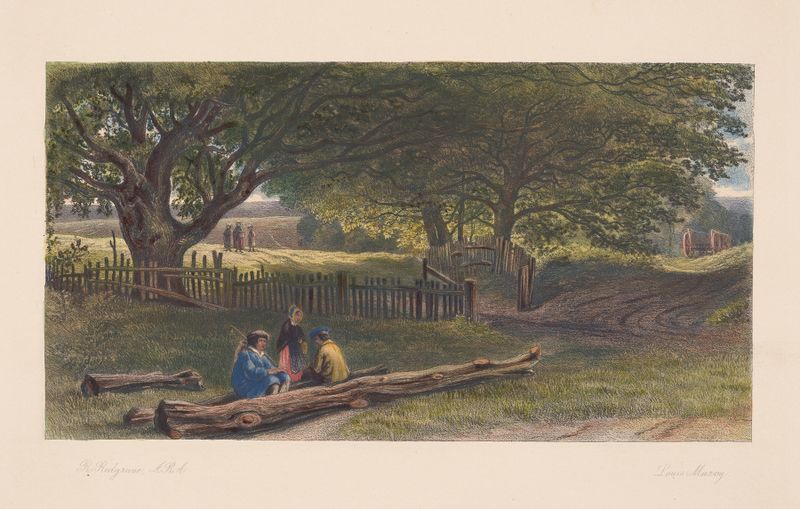
Landscape with gypsies (Richard Redgrave)
Louis Marvy
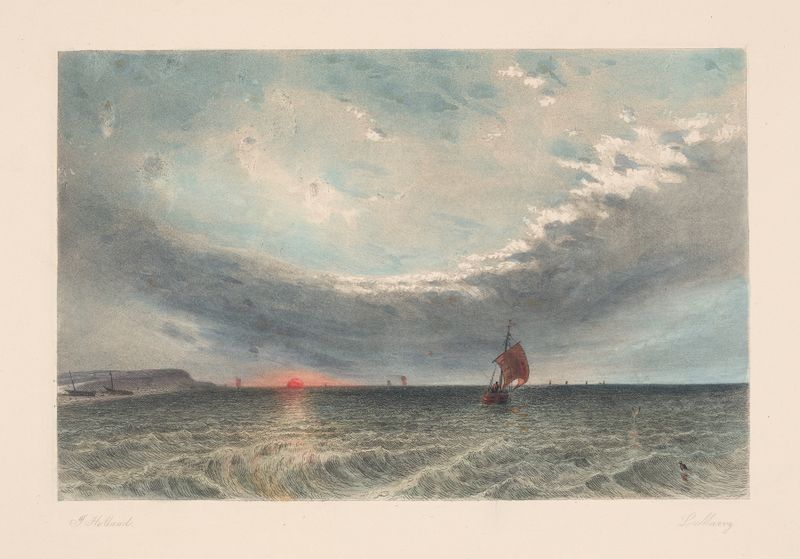
Seascape at sunset (James Holland)
Louis Marvy
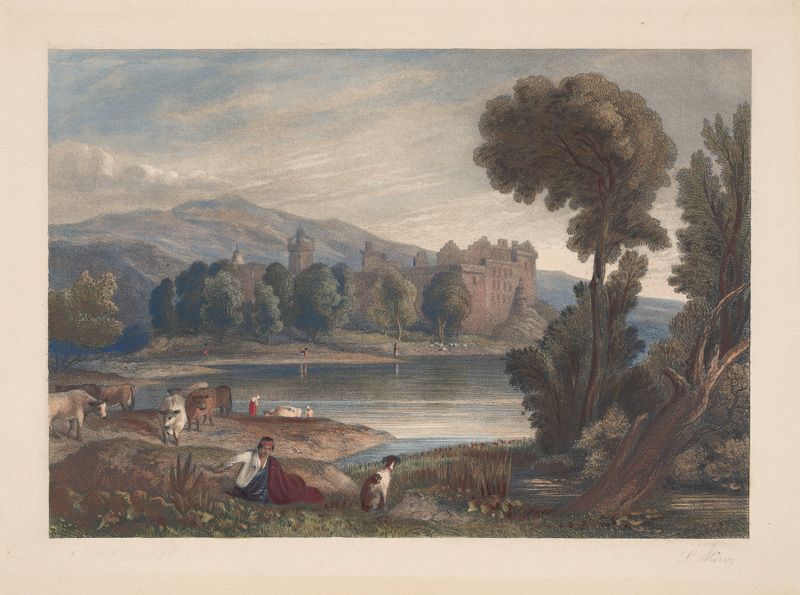
Lakeside castle (Joseph Mallord William Turner)
Louis Marvy
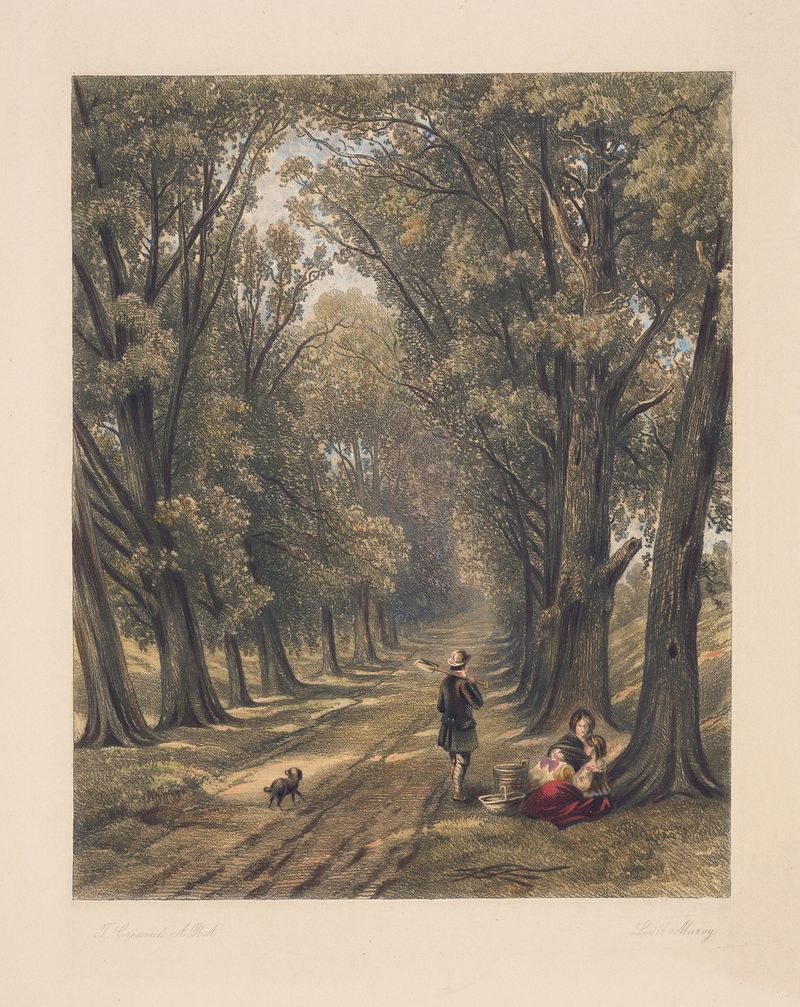
Landscape with tree-lined country road (Thomas Creswick)
Louis Marvy
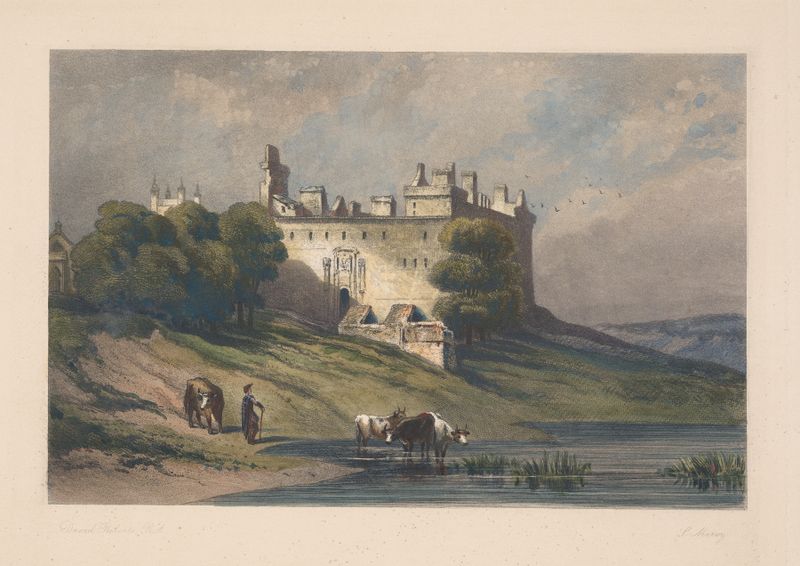
Landscape with cattle near castle (David Roberts)
Louis Marvy
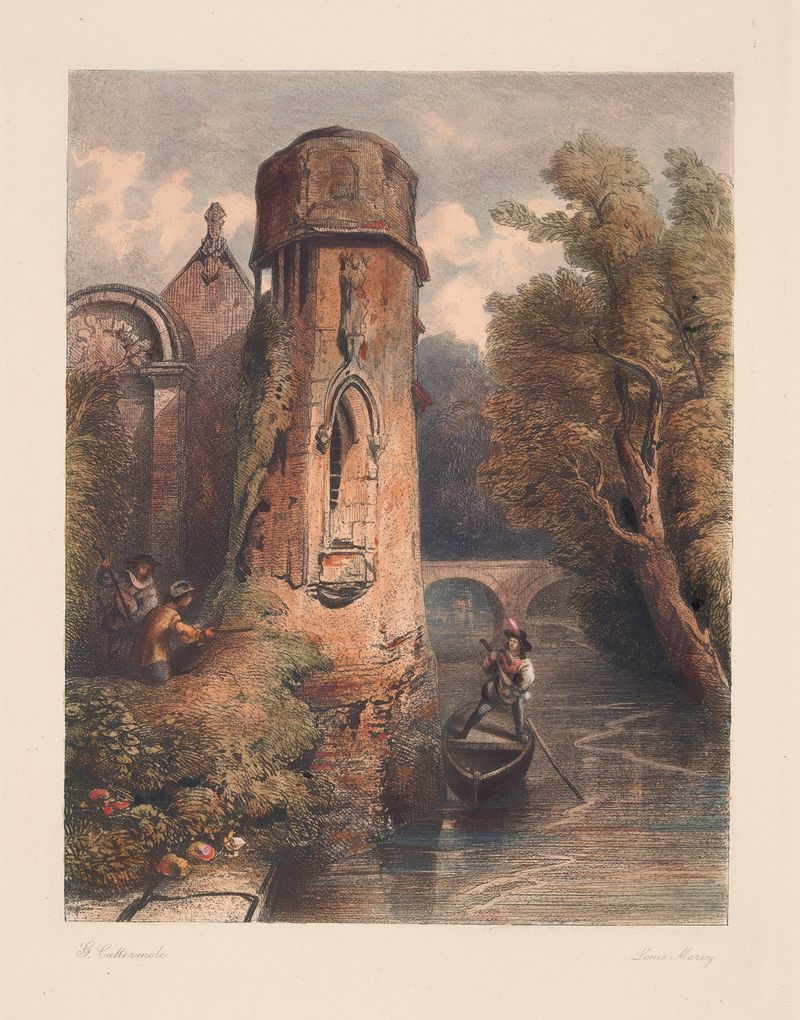
Landscape with man in boat playing lute near moss-covered tower (George Cattermole)
Louis Marvy





