Landscape with ruined building — History & Facts
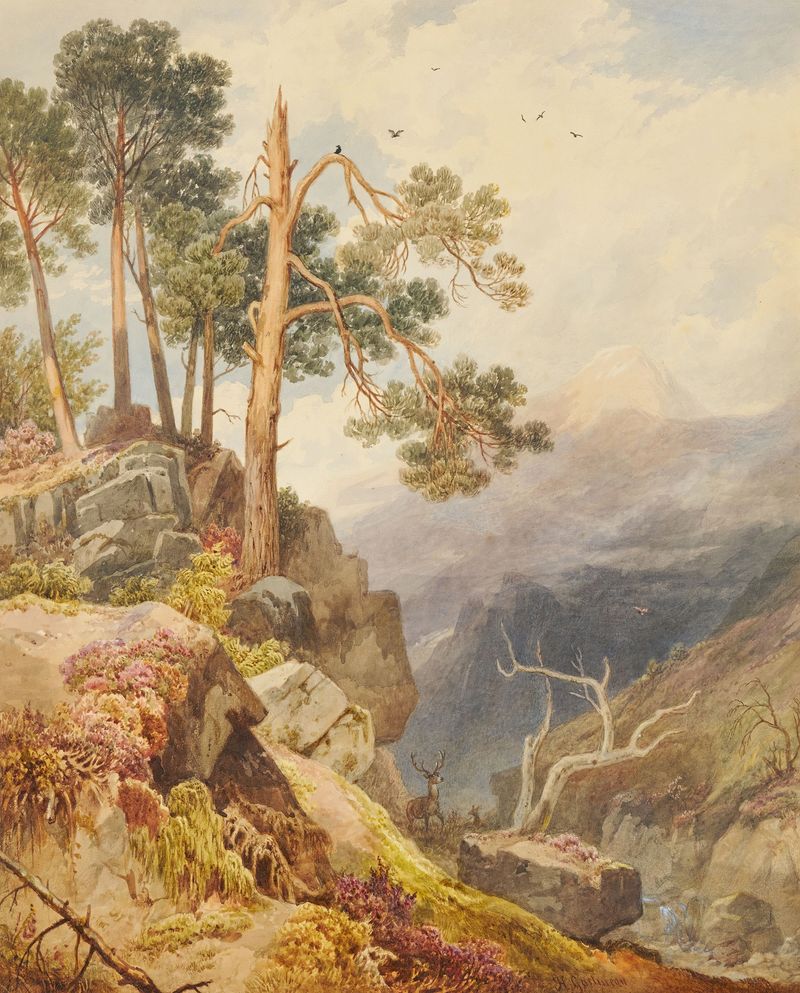
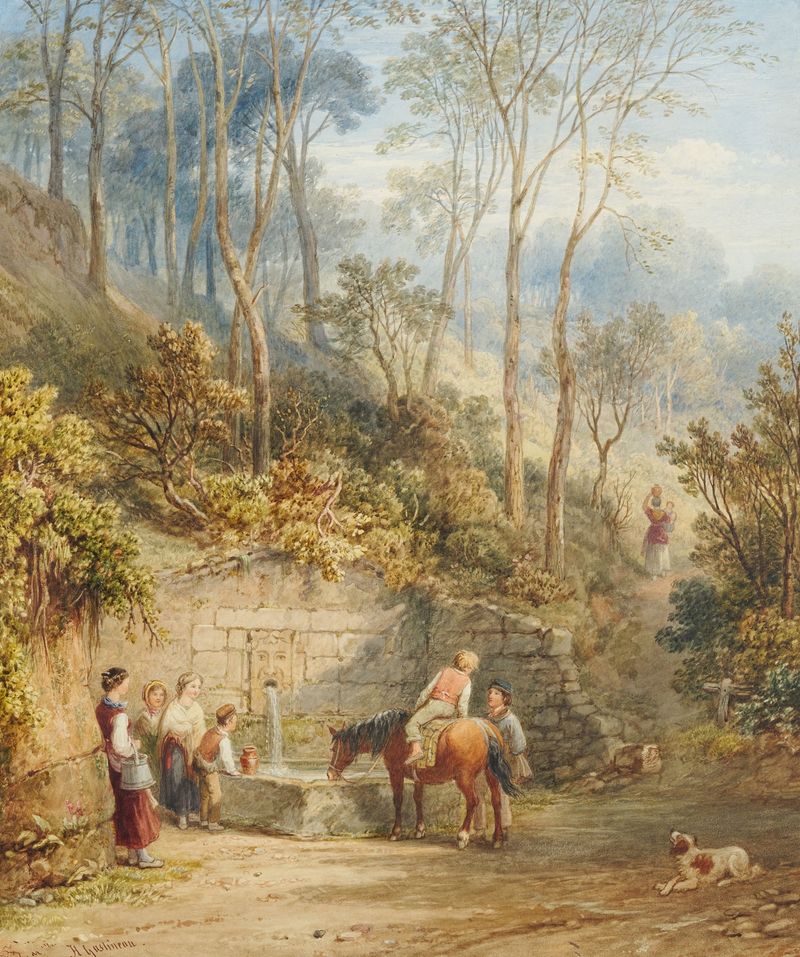
What if beauty was never meant to be finished? In the embrace of decay and renewal, we find a landscape where time lingers, inviting us to contemplate the cycle of existence. Look to the foreground, where fragments of a ruined building emerge from the wild, untamed grasses. Notice how the delicate brushwork captures the softness of the earth against the jagged outlines of stone. The palette dances with muted greens and earthy browns, evoking a sense of melancholy yet also resilience.
The interplay of light and shadow draws the eye upwards, revealing a sky that hints at both storm and serenity, suggesting a moment caught between something lost and something yet to come. Beneath the surface, this artwork whispers of contrasts—between destruction and growth, stillness and movement. The remnants of the structure stand as a testament to human ambition, yet nature thrums with vibrant life, embracing what remains. In the tension of these elements, a narrative unfolds, one of rebirth and the quiet strength found in impermanence.
Each brushstroke seems to echo the pulse of the land, reminding us that beauty often resides in the unfinished and the unresolved. Henry Gastineau painted this evocative piece during a time when the appreciation for ruins and the romanticism of nature were burgeoning in the English landscape tradition. Though the exact date of creation is unknown, his work often reflected the societal shifts of the 19th century, a period marked by industrial progress and a longing for the pastoral past. Through this painting, he captures a moment where history and nature converge, inviting deeper reflection on our relationship with both.