
Landscape With Ruins Animated With Figures — History & Facts
In a world where destruction and decay often overshadow beauty, can we find revelation amid the ruins? Look to the center of the composition, where a crumbling edifice looms amidst verdant greenery. Notice how Brueghel uses a muted palette of earthy browns and lush greens, creating a harmonious interplay that draws your eye toward the animated figures below. They are engaged in a lively discourse, seemingly oblivious to their surroundings.
This juxtaposition of life and decay reveals a profound commentary on resilience and continuity. The figures, immersed in their activities, contrast starkly with the desolate architecture around them, symbolizing the persistence of human spirit amid adversity. You may notice the flecks of sunlight dappling the ground, a reminder of hope peeking through despair. Each small detail—a child’s laughter, a couple deeply engrossed in conversation—serves to reinforce the painting's central theme: life flourishes even in the shadow of decline. During the late 17th century, when this piece was likely created, the artist found himself entrenched in the family legacy of landscape painting in Antwerp.
The art world was beginning to shift with the rise of Baroque influences, emphasizing emotion and movement. Brueghel navigated this transitional period, blending his father’s traditional styles with emerging trends, creating evocative landscapes that resonate with contemporary themes of renewal and revelation.
More Artworks by Jan Brueghel the Younger
Browse all →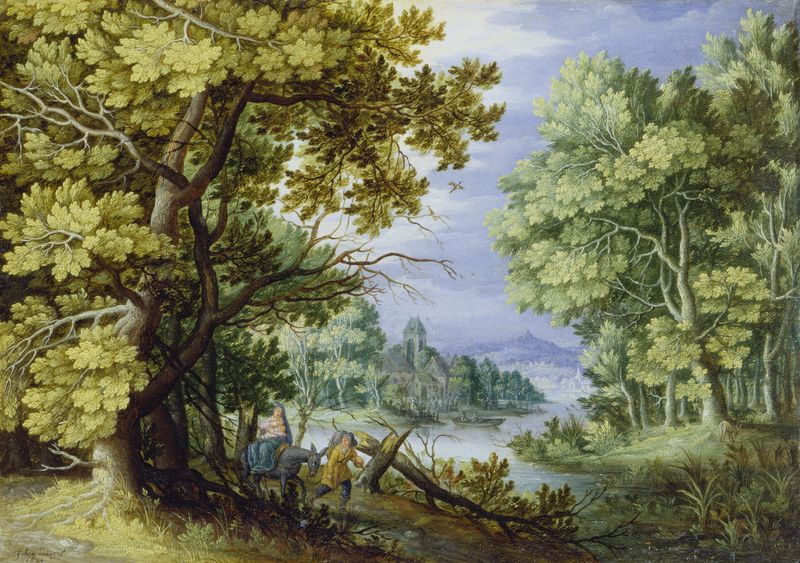
Forest Landscape with Flight into Egypt
Jan Brueghel the Younger
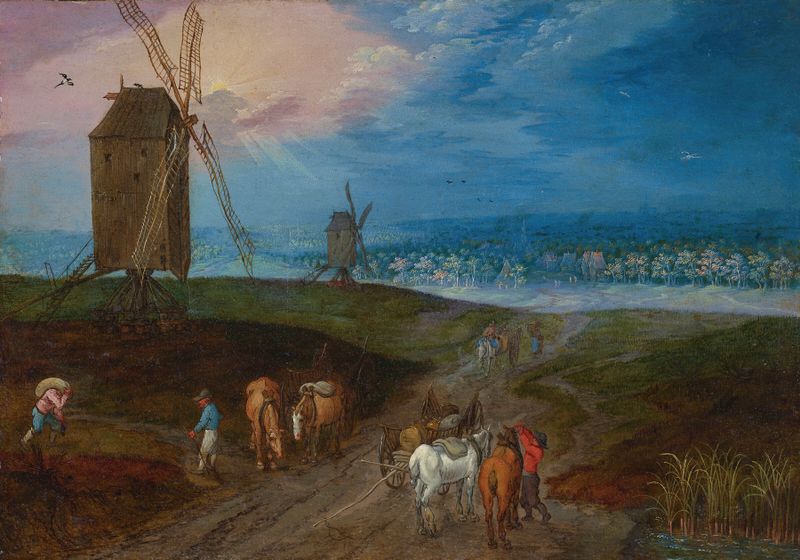
An extensive landscape with travelers before a windmill
Jan Brueghel the Younger
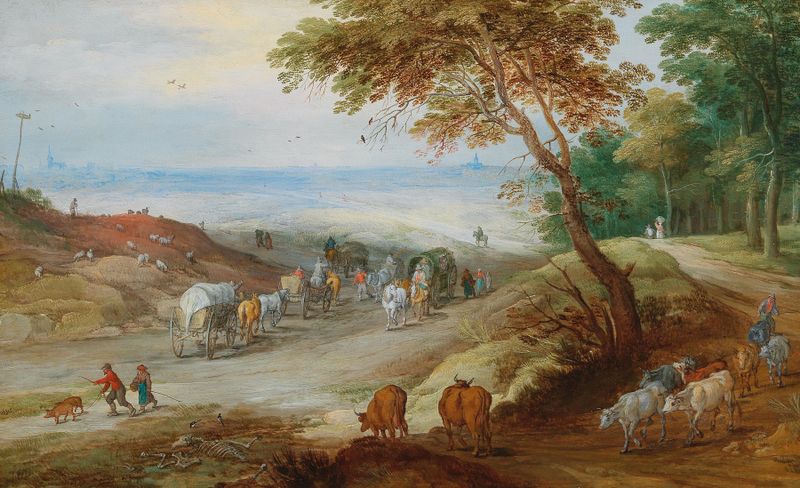
An extensive hilly landscape with travellers on a path and cattle in the foreground
Jan Brueghel the Younger
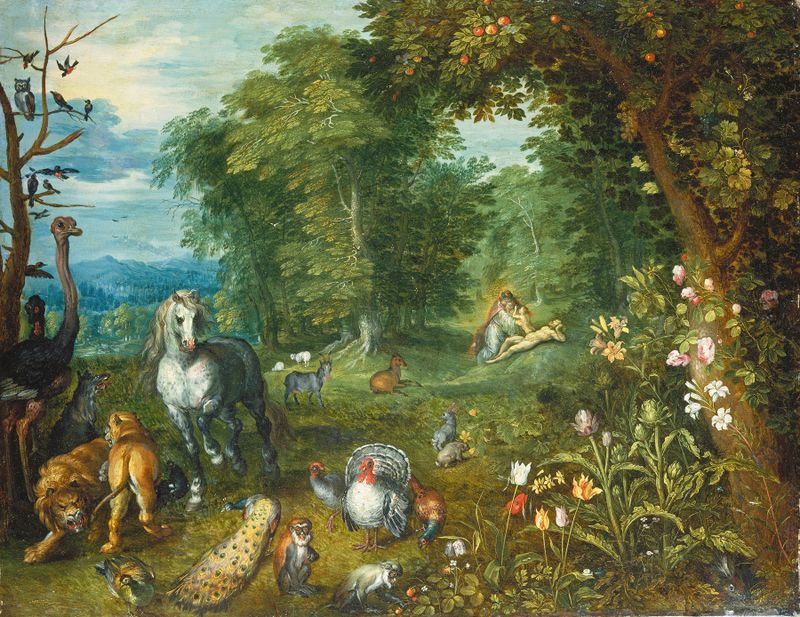
Paradise with the Creation of Eve
Jan Brueghel the Younger
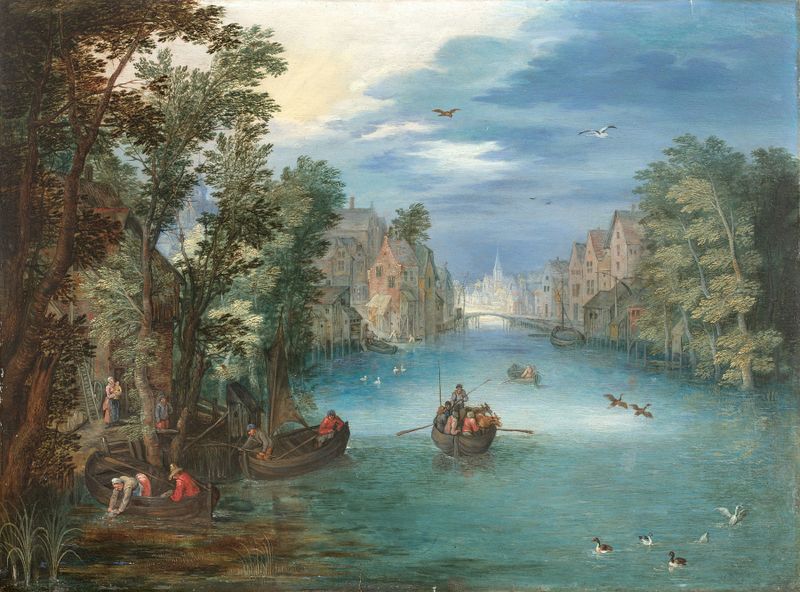
Paysage fluvial animé de personnages
Jan Brueghel the Younger
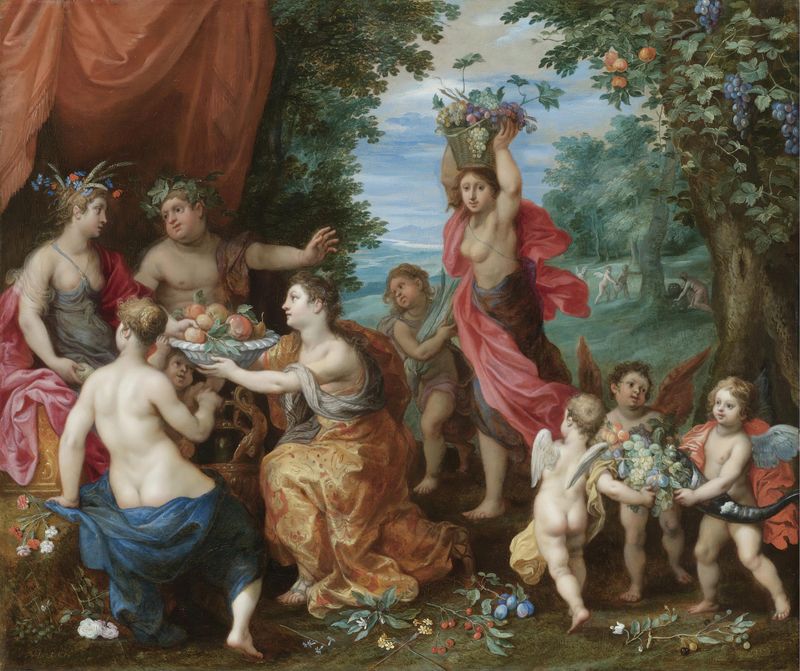
A Bacchanal With Ceres, Bacchus And Venus
Jan Brueghel the Younger
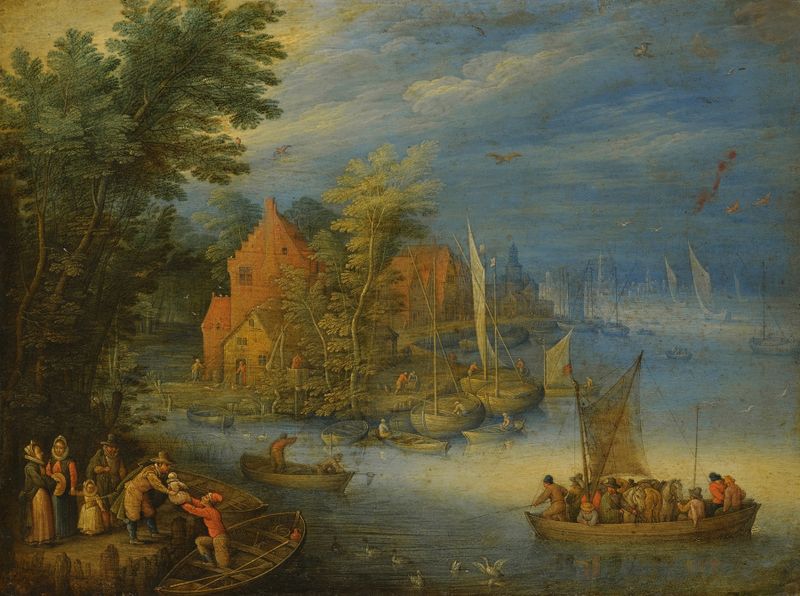
A Town On The Banks Of A Wide River With A Heavily Laden Ferry Approaching The Shore In The Forgeound
Jan Brueghel the Younger
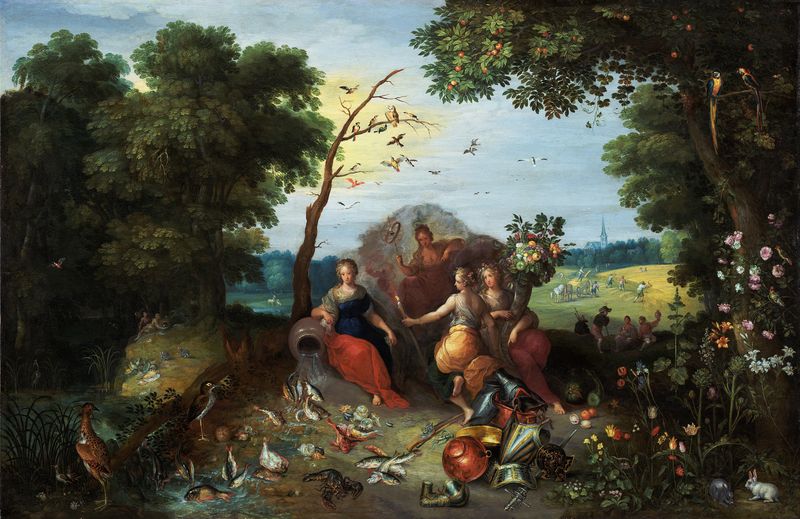
Landscape with Allegories of the Four Elements
Jan Brueghel the Younger
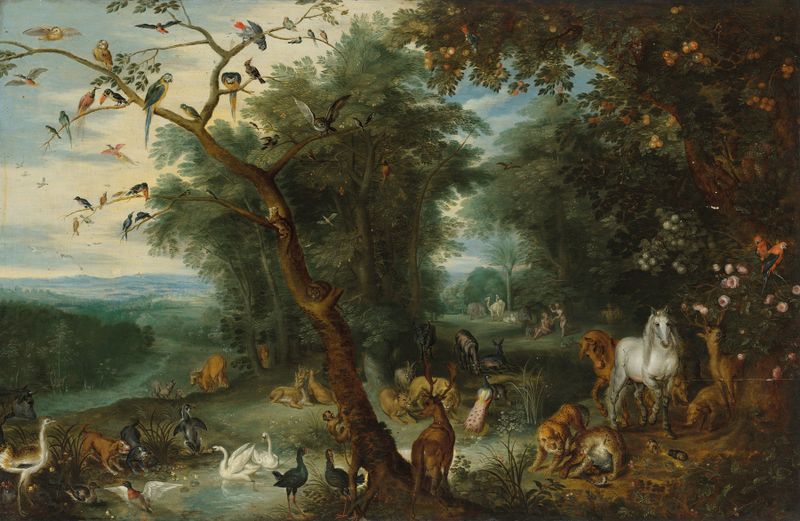
Paradise
Jan Brueghel the Younger
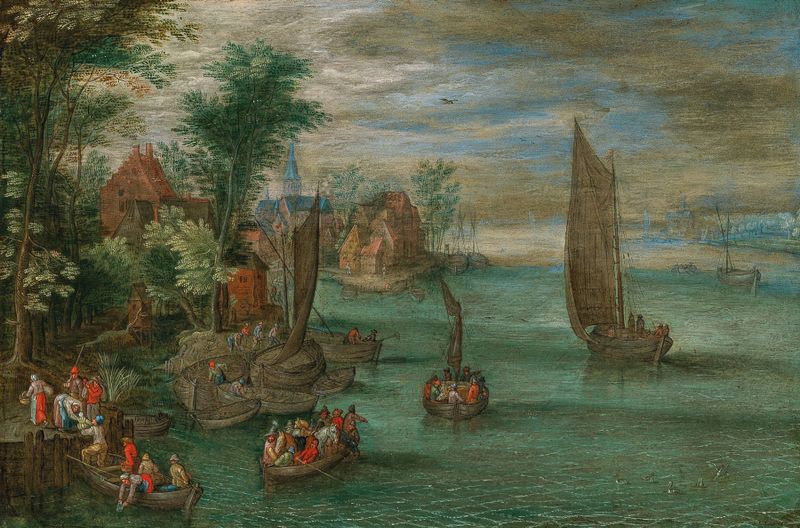
A river landscape with ferries and sailing boats
Jan Brueghel the Younger





