A Bacchanal With Ceres, Bacchus And Venus — History & Facts
The canvas doesn’t lie — it simply waits. Awe is the silent promise of beauty, a fleeting moment captured amongst the revelers of nature and myth. Look to the right at the exuberant figures of Ceres and Bacchus, their vibrant colors swirling like the festival atmosphere they embody. Notice how the golden light kisses the foliage, illuminating the lush greens and warm earth tones that cradle the scene.
Each character is a celebration of life, their gestures inviting the viewer to partake in this hedonistic embrace, orchestrated with a masterful balance of detail and composition that draws the eye from one delight to another. Within the chaos of the feast, delicate contrasts emerge: the rustic simplicity of the banquet against the ethereal beauty of the divine figures, a visual metaphor for earthly pleasure meeting celestial grace. The interplay between shadow and light casts a serene depth, suggesting that even amidst revelry, there exists a poignant tranquility. Each sumptuous fruit and every delicate flower serves not merely as decoration, but as symbols of abundance and the transient nature of joy. Jan Brueghel the Younger painted this revelry during a time when the Baroque art movement flourished, approximately in the early 17th century, likely while based in Antwerp.
Amidst a backdrop of burgeoning artistic collaboration and an increasing appreciation for the still life and genre scenes, he crafted works that embodied both the richness of his subjects and the spiritual undertones of the era, reflecting the human condition's intertwined joy and melancholy.
More Artworks by Jan Brueghel the Younger
Browse all →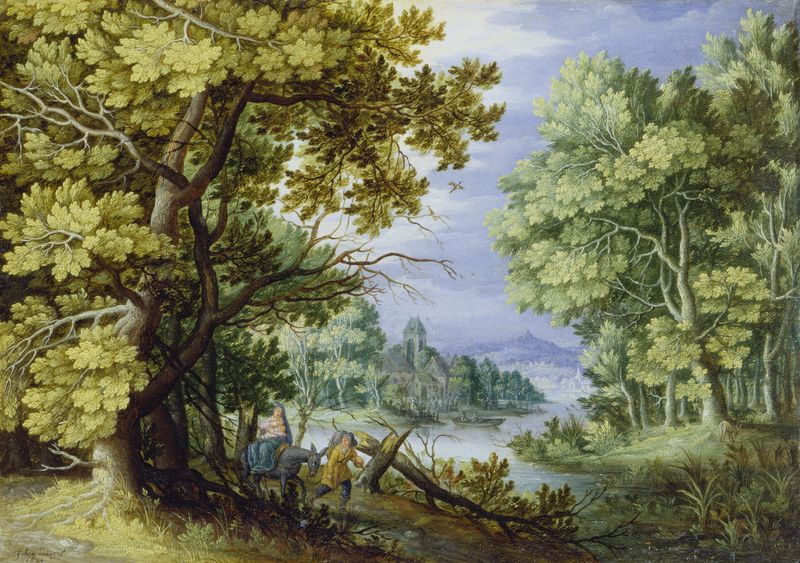
Forest Landscape with Flight into Egypt
Jan Brueghel the Younger
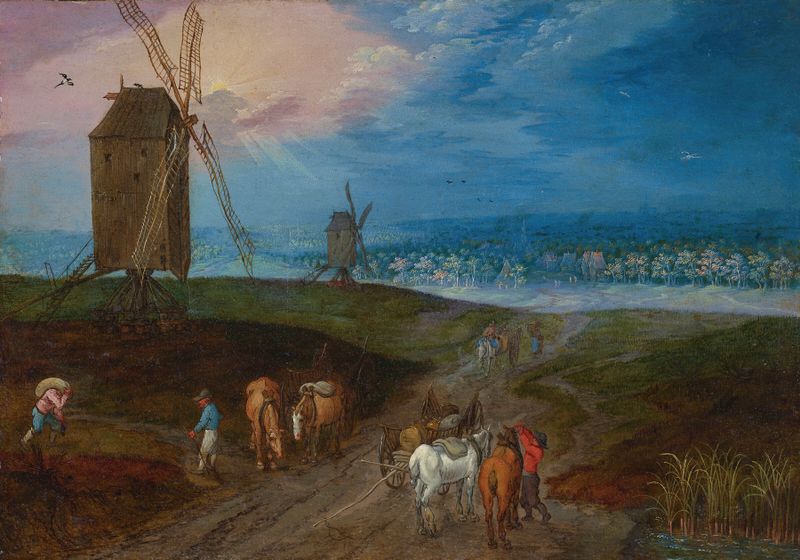
An extensive landscape with travelers before a windmill
Jan Brueghel the Younger
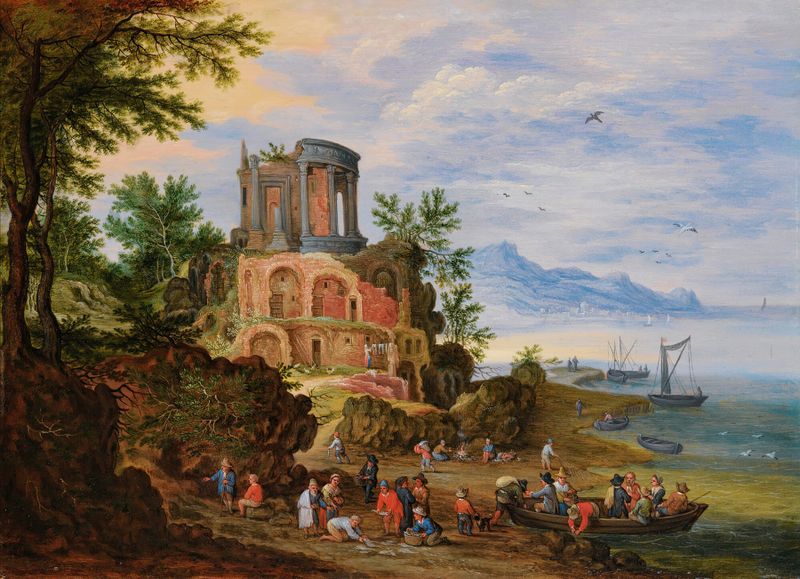
Landscape With Ruins Animated With Figures
Jan Brueghel the Younger
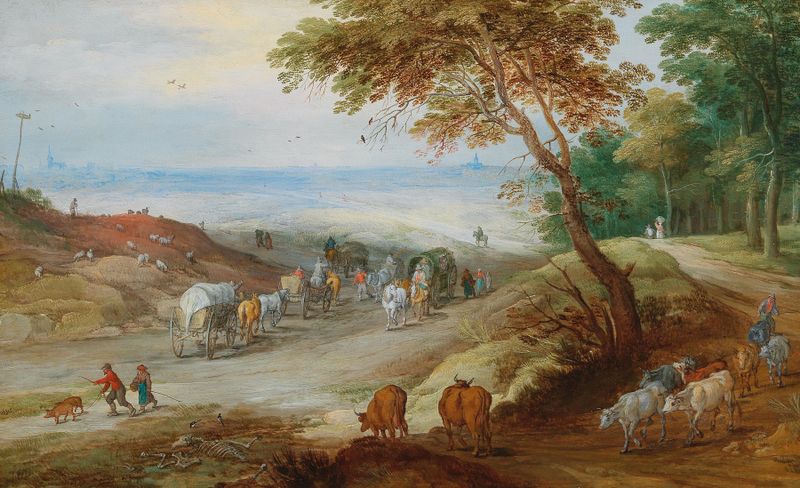
An extensive hilly landscape with travellers on a path and cattle in the foreground
Jan Brueghel the Younger
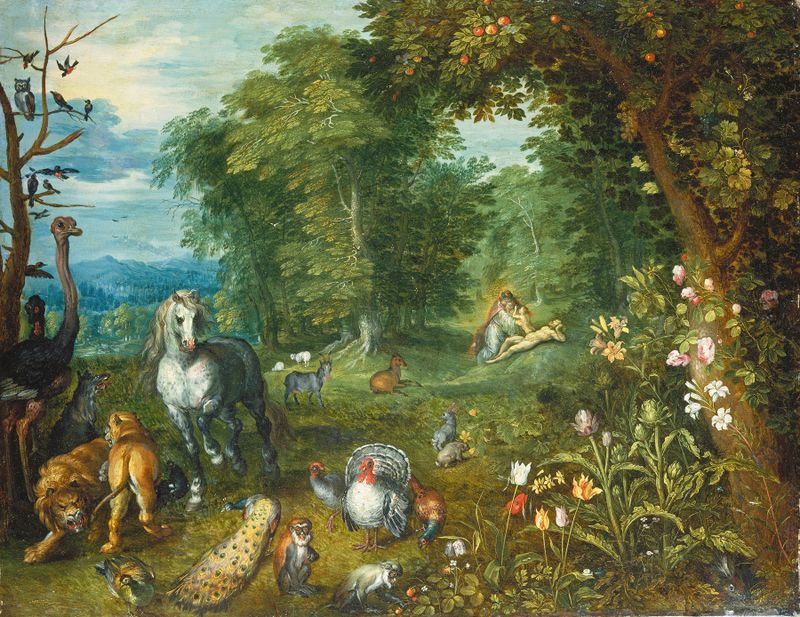
Paradise with the Creation of Eve
Jan Brueghel the Younger
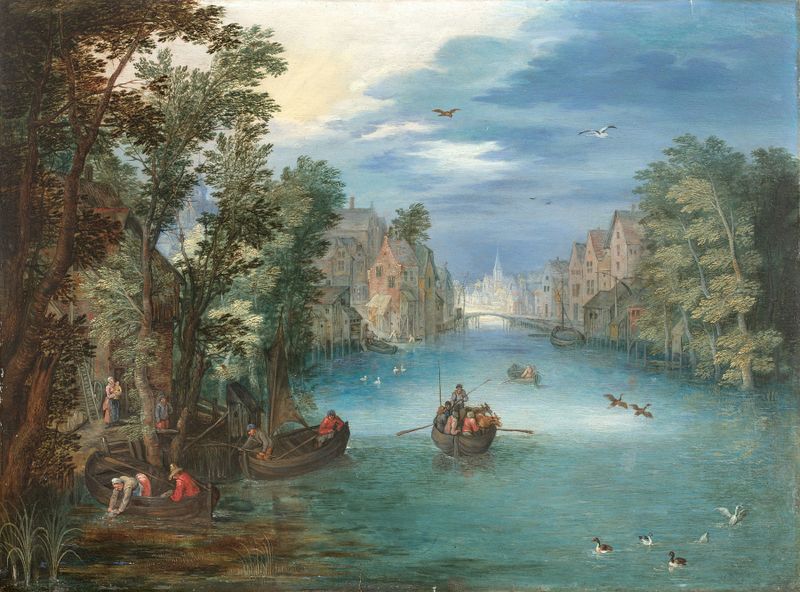
Paysage fluvial animé de personnages
Jan Brueghel the Younger
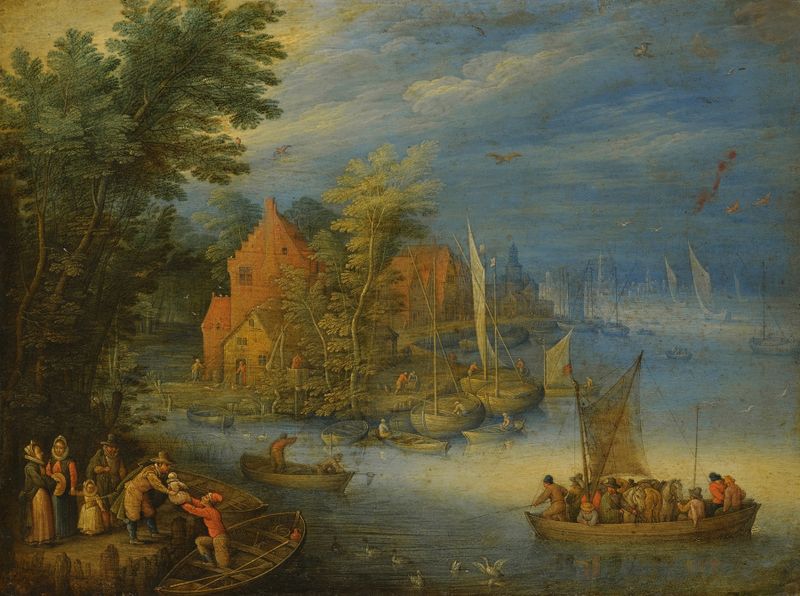
A Town On The Banks Of A Wide River With A Heavily Laden Ferry Approaching The Shore In The Forgeound
Jan Brueghel the Younger
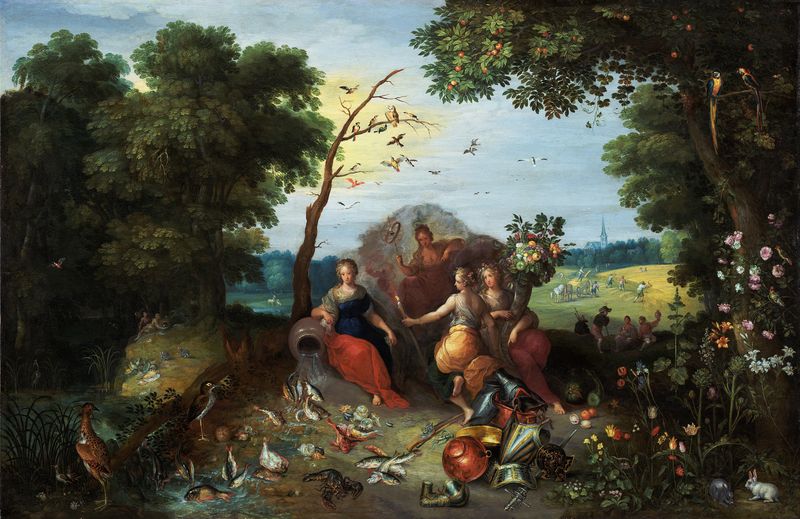
Landscape with Allegories of the Four Elements
Jan Brueghel the Younger
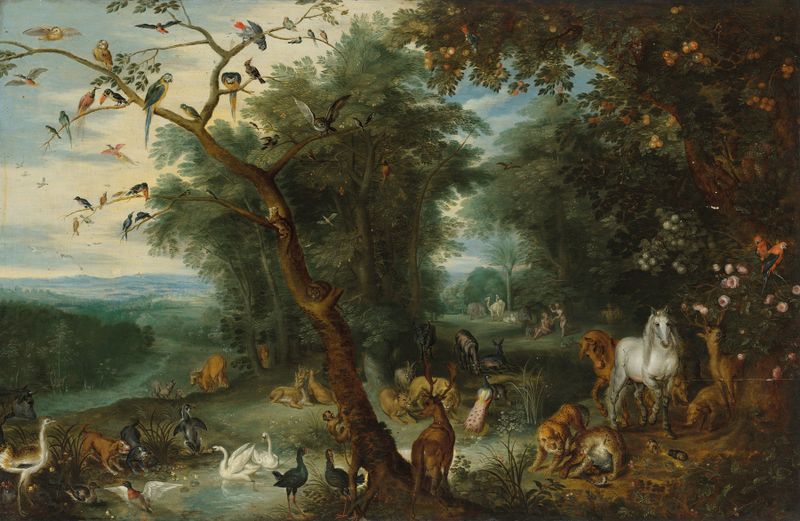
Paradise
Jan Brueghel the Younger
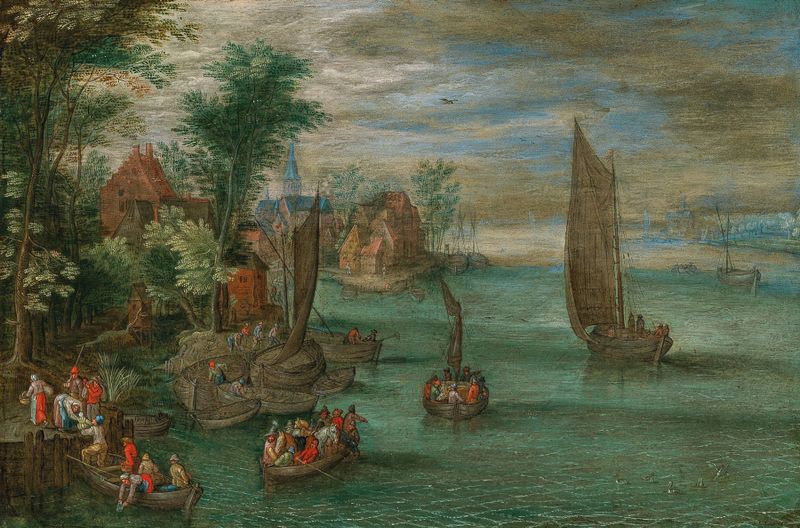
A river landscape with ferries and sailing boats
Jan Brueghel the Younger