
Landscape with Tharandt Castle Ruins — History & Facts
Where does light end, and longing begin? This question lingers in the air, urging the viewer to step into a realm where nature and the remnants of human ambition intertwine. Look to the foreground, where gentle hills roll into the distance, each stroke of paint revealing the undulating landscape with a fluid grace. The castle ruins, perched precariously on a hill, draw the eye upward, their stone facades illuminated by a soft, golden light that contrasts with the deep greens and blues of the surrounding foliage. Notice the play of shadow and light, which gives life to the scene, rendering the landscape not merely a backdrop, but an active participant in the narrative of time and decay. Hidden within the simplicity of this serene vista lies a poignant tension—the ruins speak of a past that once thrived but now exists only in memory.
The dynamic movement of clouds across the sky evokes a sense of time passing, while the stillness of the castle hints at the melancholy of lost grandeur. This duality invites contemplation on the impermanence of both nature and human creations, reinforcing the delicate balance between beauty and ruin. Adrian Zingg painted Landscape with Tharandt Castle Ruins around 1800, during a period when Romanticism was reshaping artistic expressions. Living in Dresden, he was influenced by the burgeoning appreciation for pastoral beauty and the sublime that characterized the age.
The painting reflects not just a personal exploration of landscape but also the societal longing for connection to nature amidst the Industrial Revolution's encroachment.
More Artworks by Adrian Zingg
Browse all →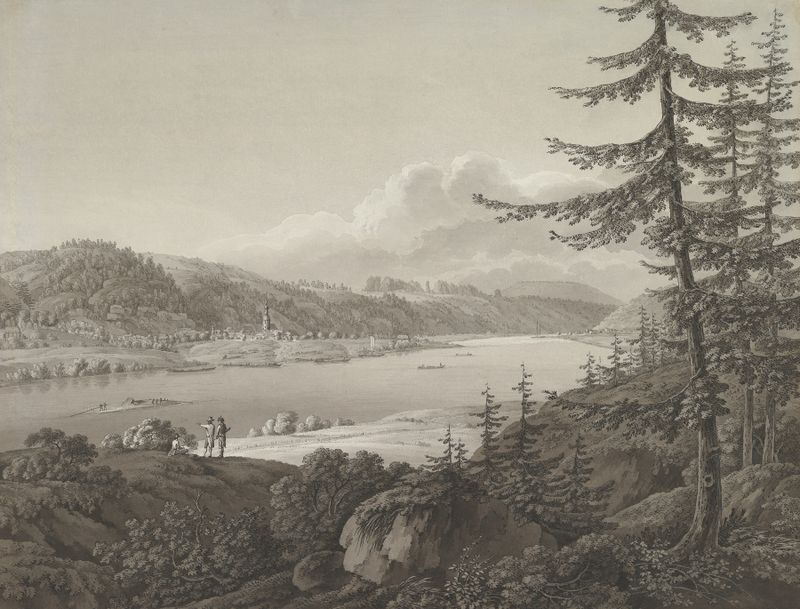
View of Bad Schandau at the River Elbe with the Winterberg
Adrian Zingg
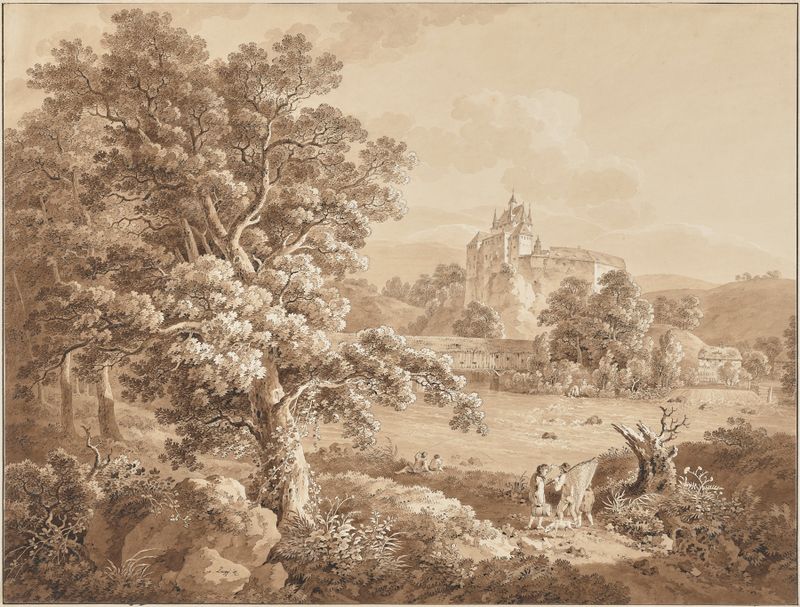
Fishermen on the River Zschopau by Kriebstein Castle, Saxony
Adrian Zingg
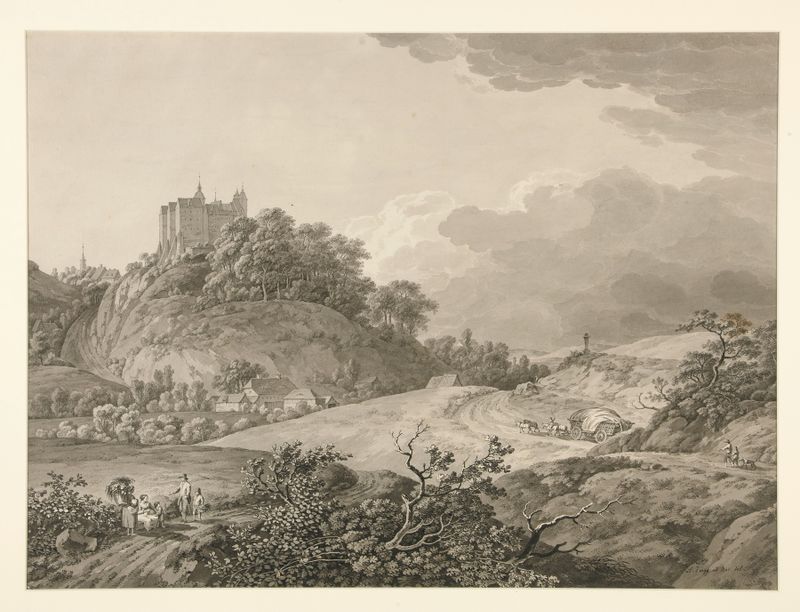
View of Nossen Castle in Saxony
Adrian Zingg
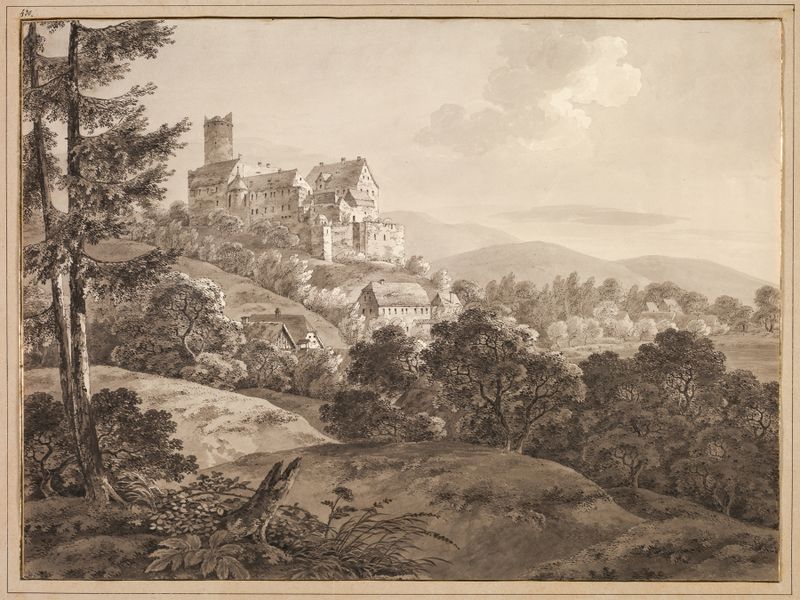
View of the Castle Gnandstein
Adrian Zingg
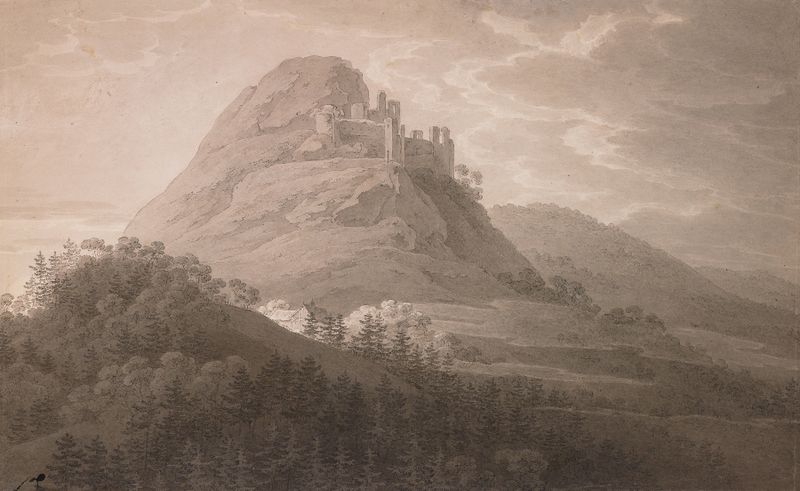
View of Tollenstein
Adrian Zingg
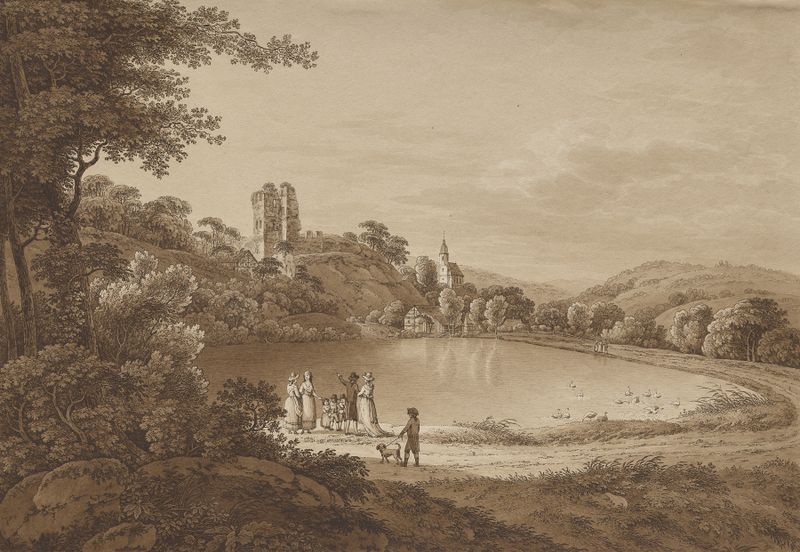
Landscape with Tharandt Castle Ruins
Adrian Zingg
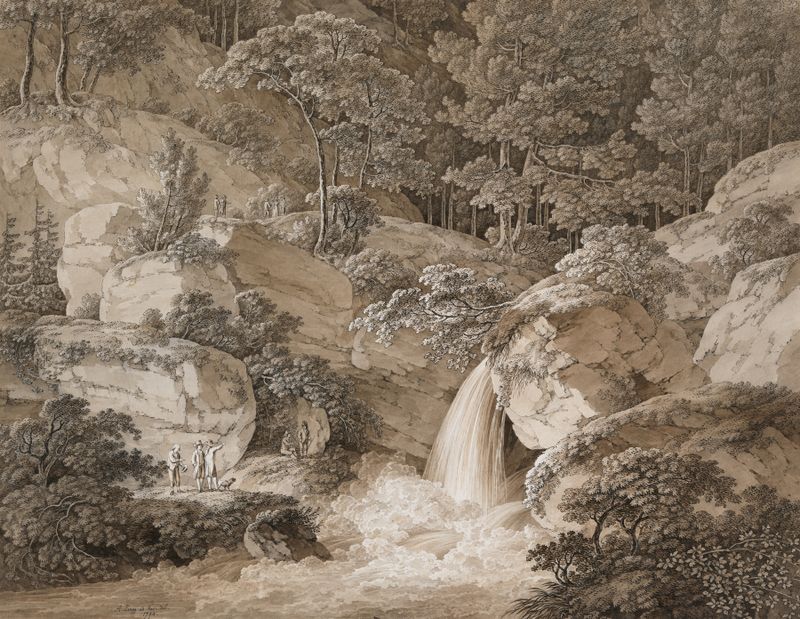
View of the Amselfall in Saxony
Adrian Zingg
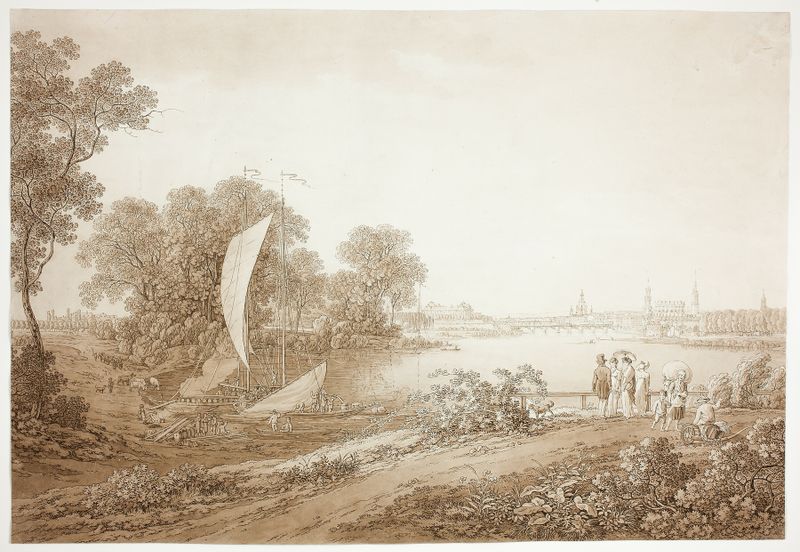
View of Dresden from Pieschen
Adrian Zingg
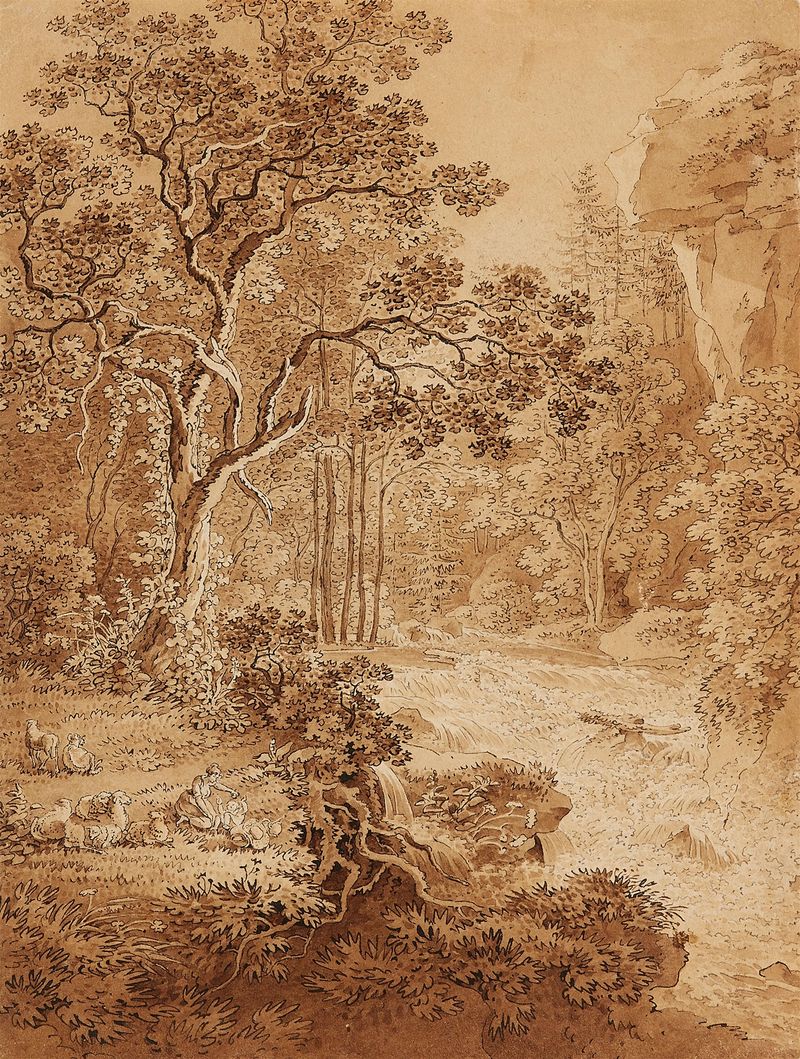
Landschaft im Schandauer Grund
Adrian Zingg
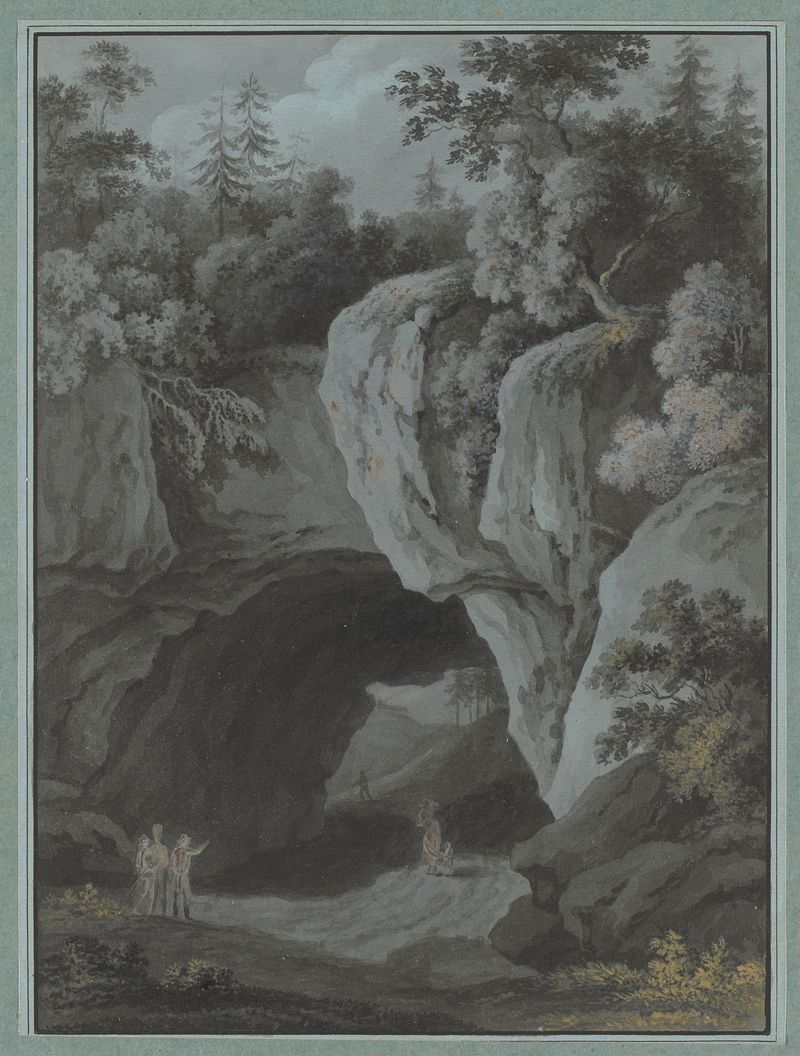
Landschaft mit Felsentor
Adrian Zingg





