
Landscape with Tharandt Castle Ruins — History & Facts
In the heart of a timeless scene, a longing lingers, whispering through the gentle undulations of a landscape draped in soft hues. The viewer is invited to delve into the depths of emotion that rise from the canvas, where the ruins stand as a silent testament to the passage of time. Look to the left at the crumbling walls of Tharandt Castle, their weathered stones catching the light of a waning sun. The muted palette of greens and browns conveys a sense of melancholy, as the artist skillfully balances shadow and illumination.
Notice how the delicate brushwork breathes life into the surrounding trees, their limbs swaying ever so slightly as if in conversation with the ruins, creating a palpable connection between the past and present. A palpable tension arises from the juxtaposition of decay and vitality. The castle’s remnants evoke nostalgia, hinting at stories untold and memories etched into the landscape. Meanwhile, the vibrant foliage, bursting with life, serves as a reminder that nature endures even as human constructs fade.
This duality invites contemplation on the impermanence of existence and the resilience of beauty amidst loss. Adrian Zingg painted this evocative piece around 1800, during a period when Romanticism began to take hold, emphasizing emotion and individual experience in art. Living in Dresden, he was influenced by the emerging interest in nature and the sublime, capturing a moment where history and personal longing intertwine. The world was shifting, and so was art, as Zingg sought to express the depth of human feeling against the backdrop of an ever-changing landscape.
More Artworks by Adrian Zingg
Browse all →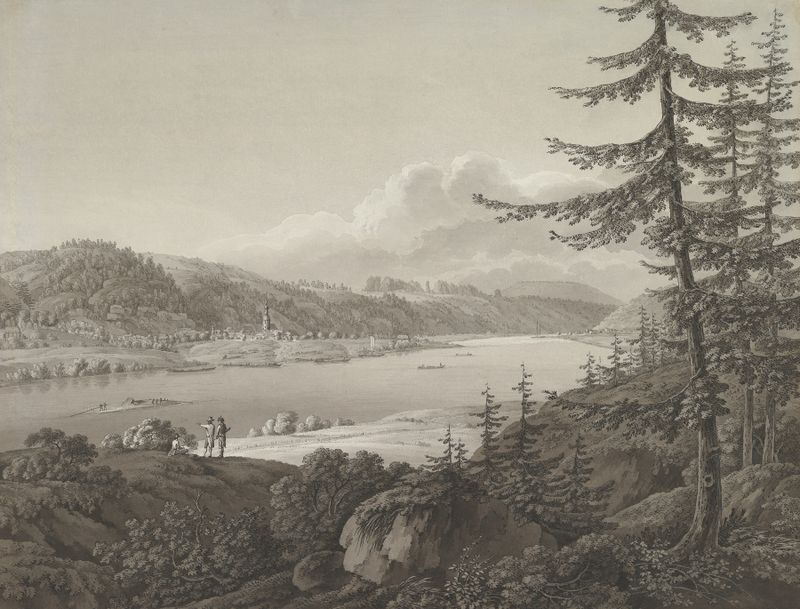
View of Bad Schandau at the River Elbe with the Winterberg
Adrian Zingg
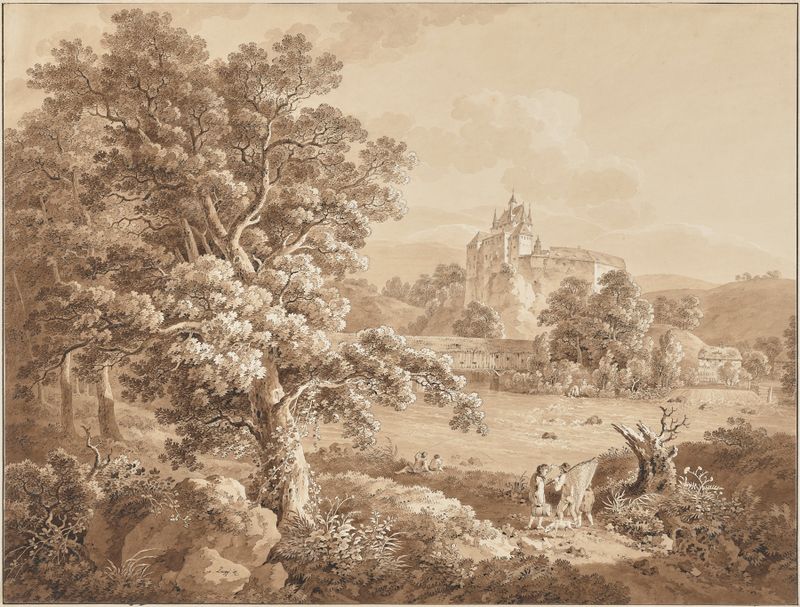
Fishermen on the River Zschopau by Kriebstein Castle, Saxony
Adrian Zingg
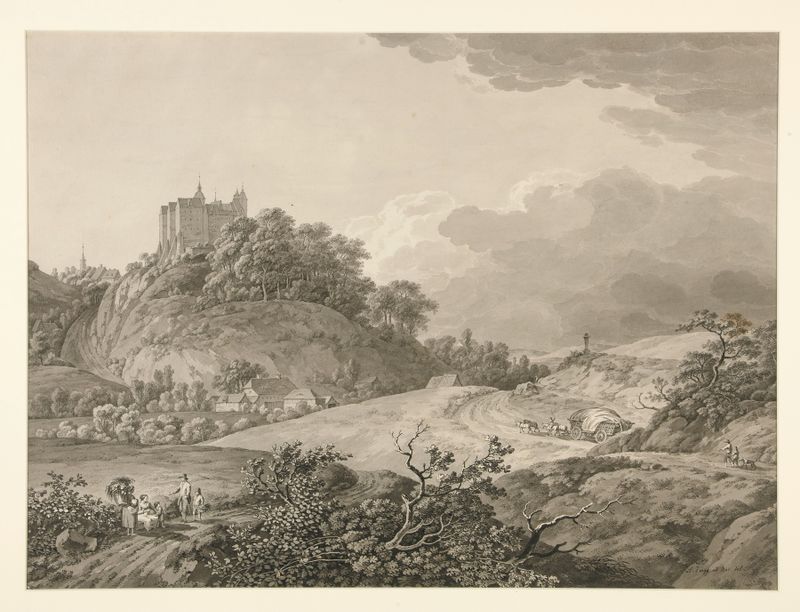
View of Nossen Castle in Saxony
Adrian Zingg
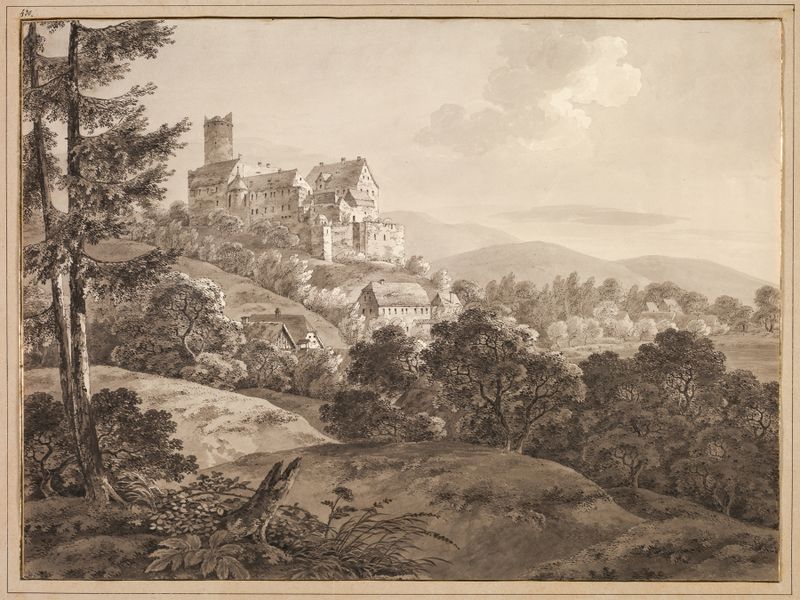
View of the Castle Gnandstein
Adrian Zingg
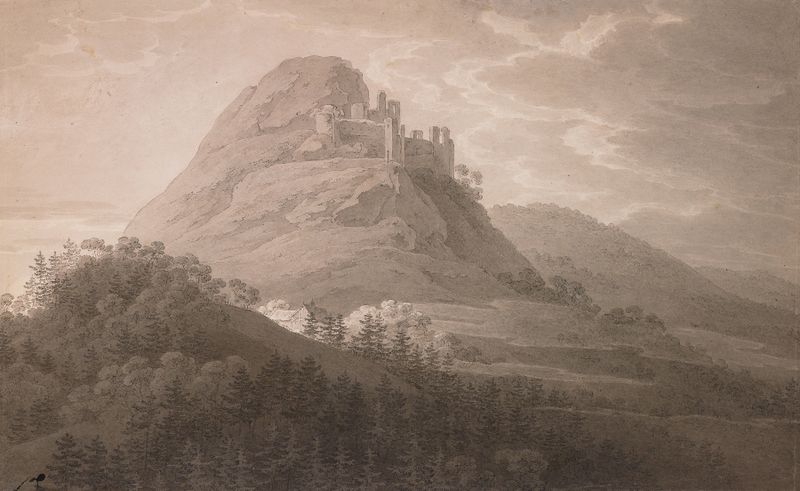
View of Tollenstein
Adrian Zingg
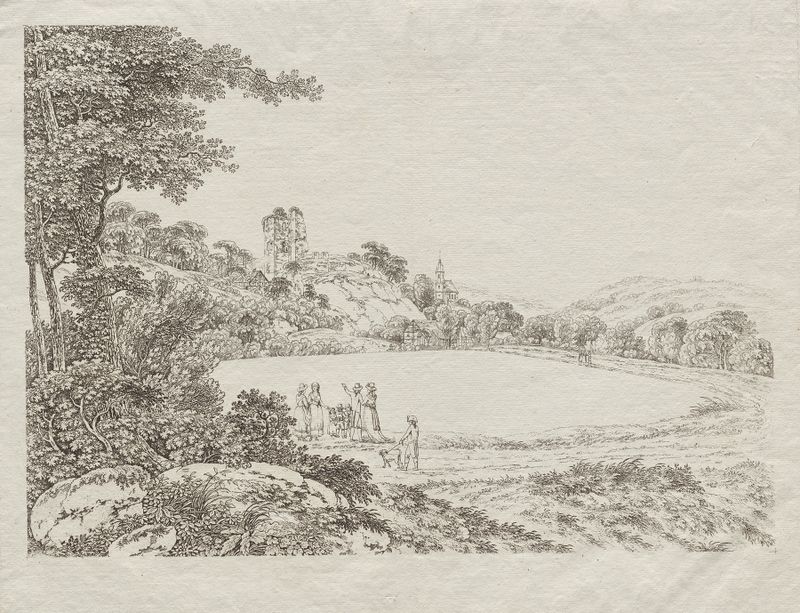
Landscape with Tharandt Castle Ruins
Adrian Zingg
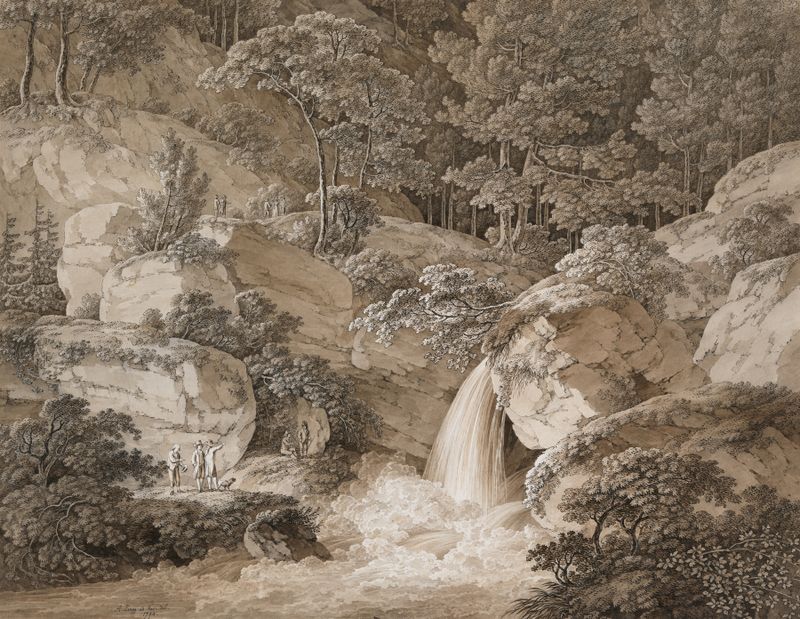
View of the Amselfall in Saxony
Adrian Zingg
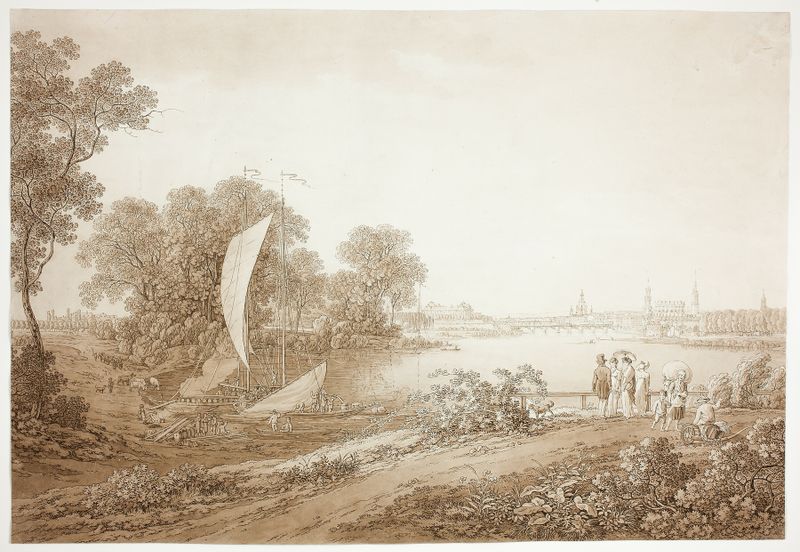
View of Dresden from Pieschen
Adrian Zingg
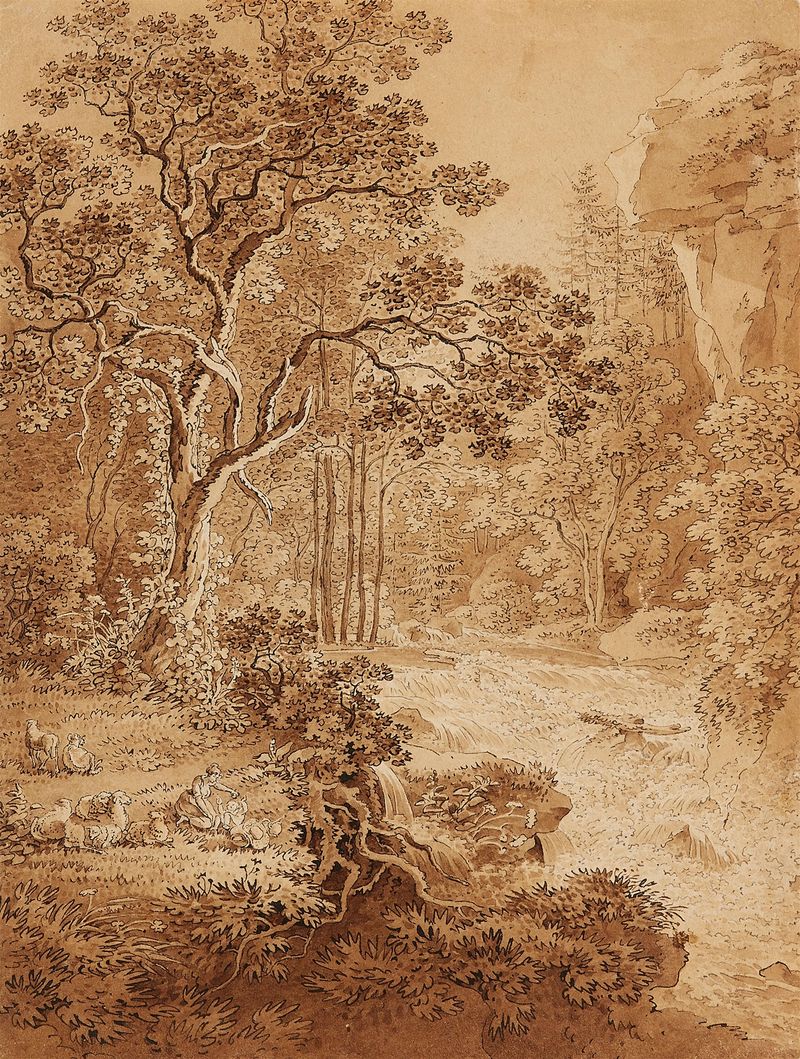
Landschaft im Schandauer Grund
Adrian Zingg
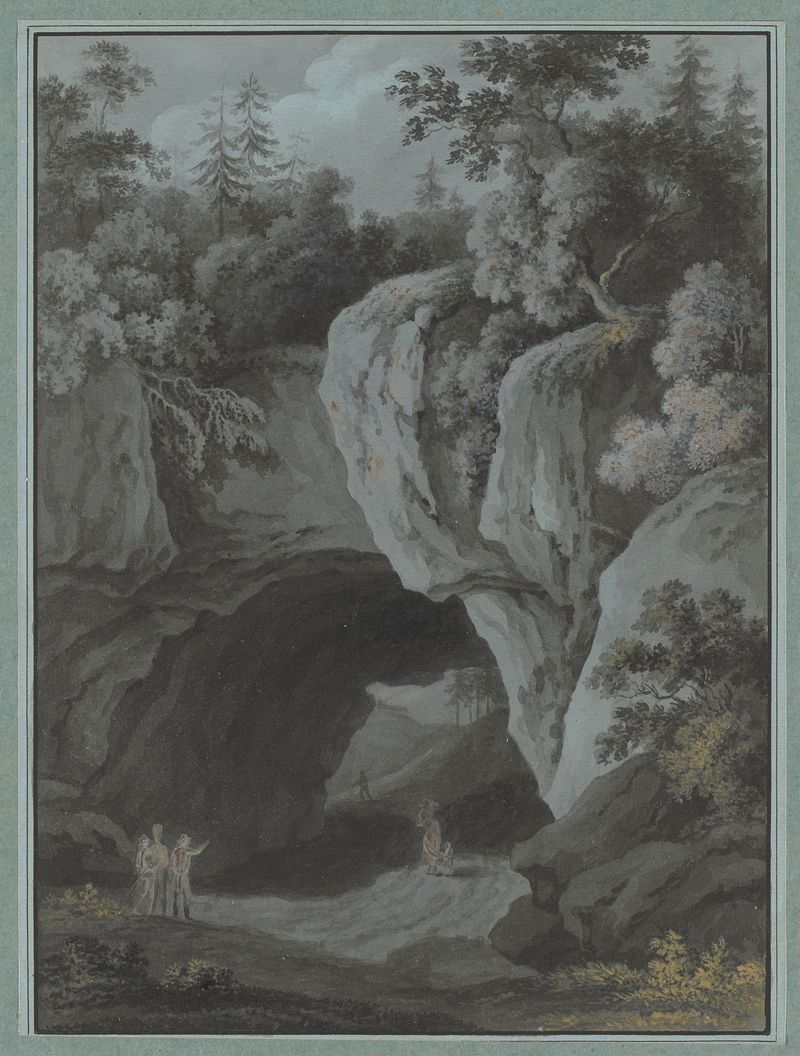
Landschaft mit Felsentor
Adrian Zingg





