
View of Tollenstein — History & Facts
In the act of capturing a landscape, the artist wrestles with the fleeting nature of life, transforming the ephemeral into something eternal. Look to the horizon, where soft, rolling hills fade into a gentle sky, their muted greens and blues creating a tranquil backdrop. Notice how the brushstrokes evoke a sense of movement in the clouds, gliding effortlessly across the canvas. In the foreground, a delicate interplay of light and shadow dances on the landscape, highlighting the trees and the path that winds invitingly through the scene, beckoning the viewer to step into this serene world. Here, contrasts emerge between the vibrant life represented by the lush scenery and the quiet, perhaps melancholic, reminder of time’s passage.
The stillness of the landscape invites contemplation, while the distant mountains suggest the inevitability of change and decay. Each element in the composition serves as a reminder of mortality, encouraging us to reflect on our place in the world as we witness its beauty. During the early 1800s, Adrian Zingg painted View of Tollenstein while residing in the picturesque surroundings of Switzerland, a time when Romanticism was beginning to dominate the art scene. This period saw artists grappling with themes of nature, emotion, and the sublime, as they sought to express a deeper connection to the world around them.
Zingg’s work aligns with this movement, capturing the landscape not merely as a backdrop, but as a profound statement on human existence.
More Artworks by Adrian Zingg
Browse all →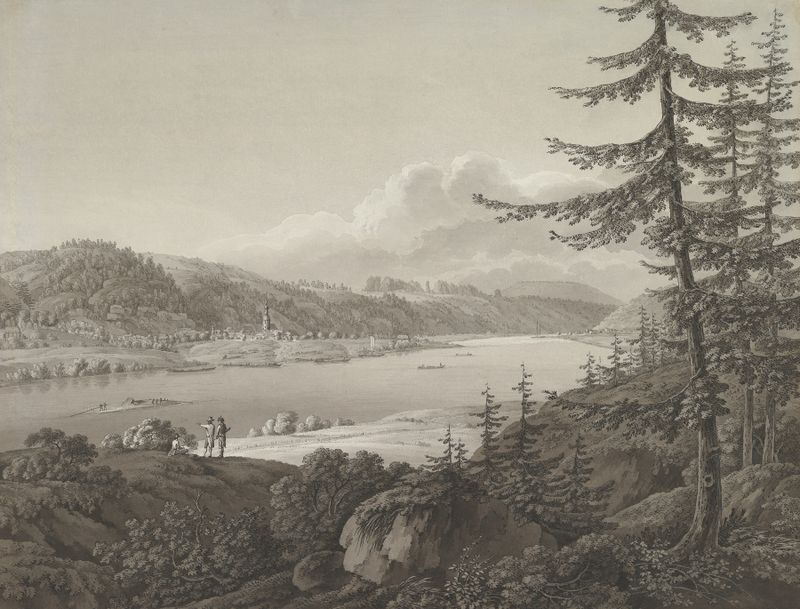
View of Bad Schandau at the River Elbe with the Winterberg
Adrian Zingg
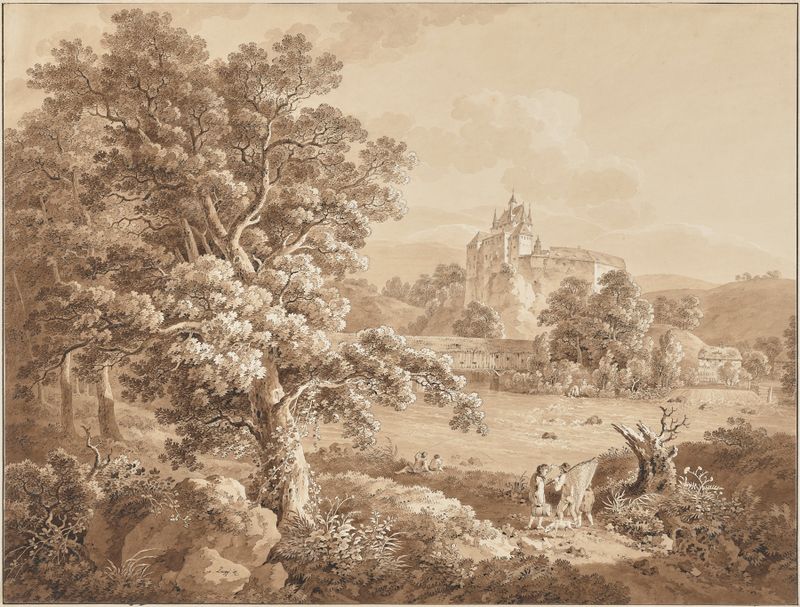
Fishermen on the River Zschopau by Kriebstein Castle, Saxony
Adrian Zingg
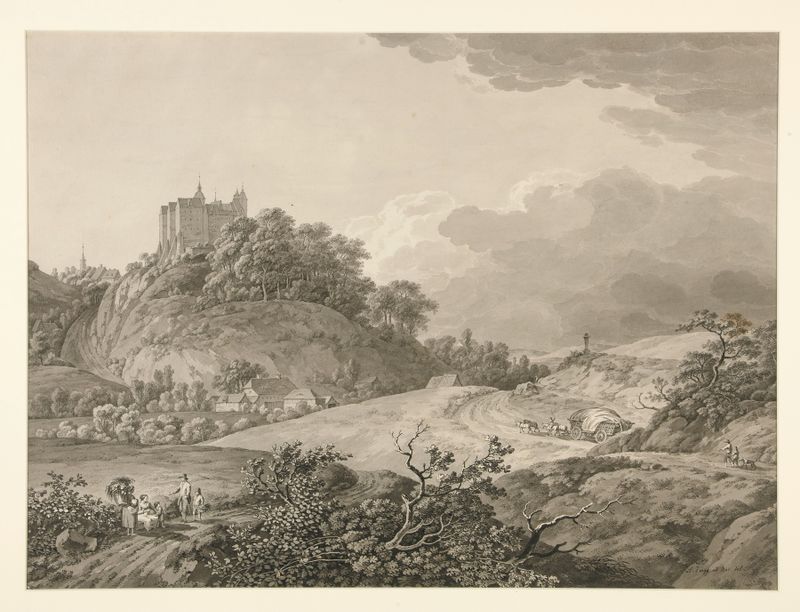
View of Nossen Castle in Saxony
Adrian Zingg
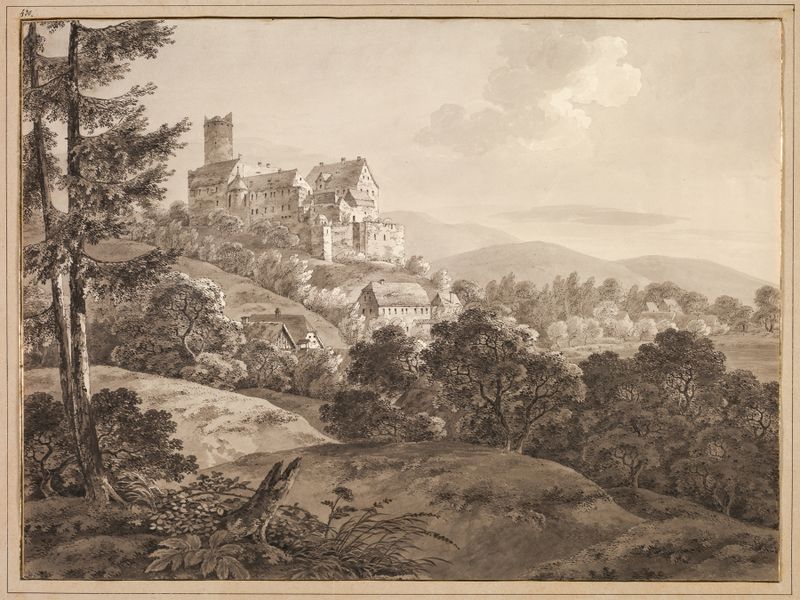
View of the Castle Gnandstein
Adrian Zingg
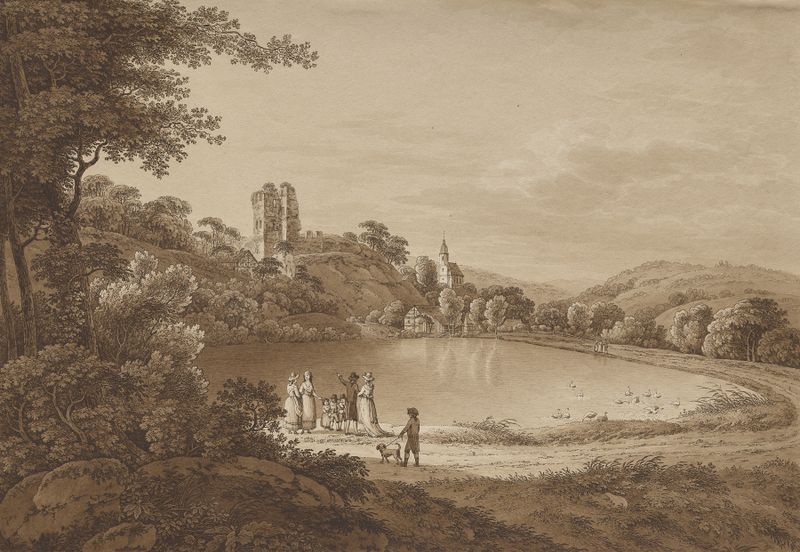
Landscape with Tharandt Castle Ruins
Adrian Zingg
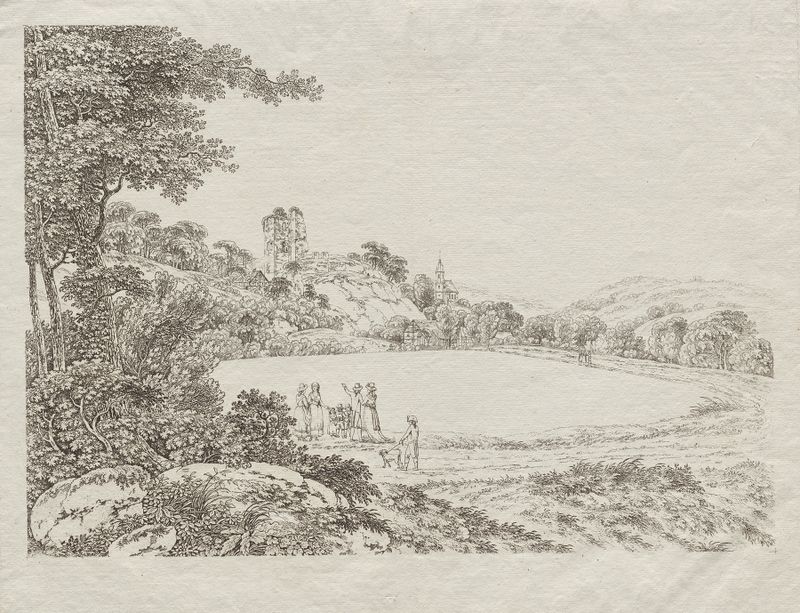
Landscape with Tharandt Castle Ruins
Adrian Zingg
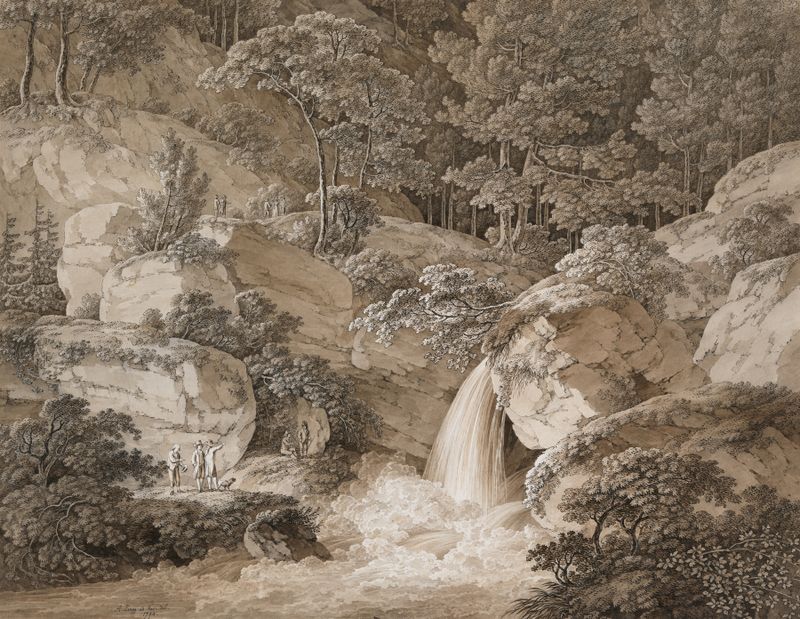
View of the Amselfall in Saxony
Adrian Zingg
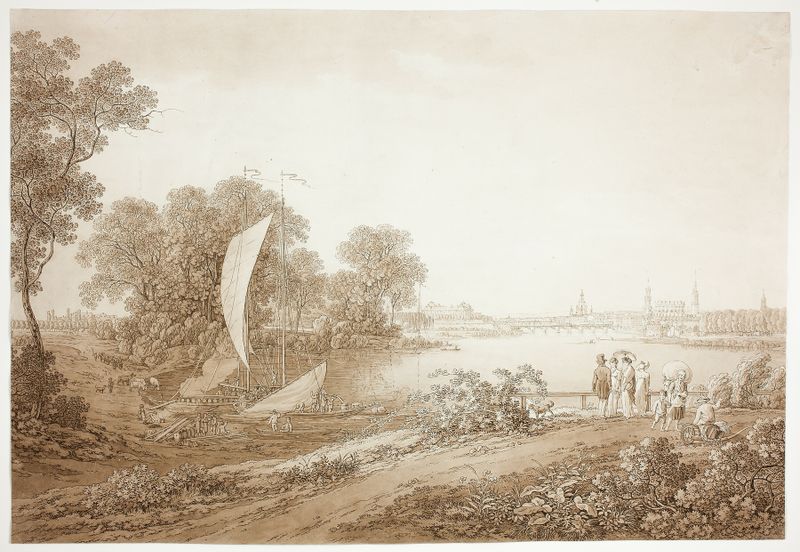
View of Dresden from Pieschen
Adrian Zingg
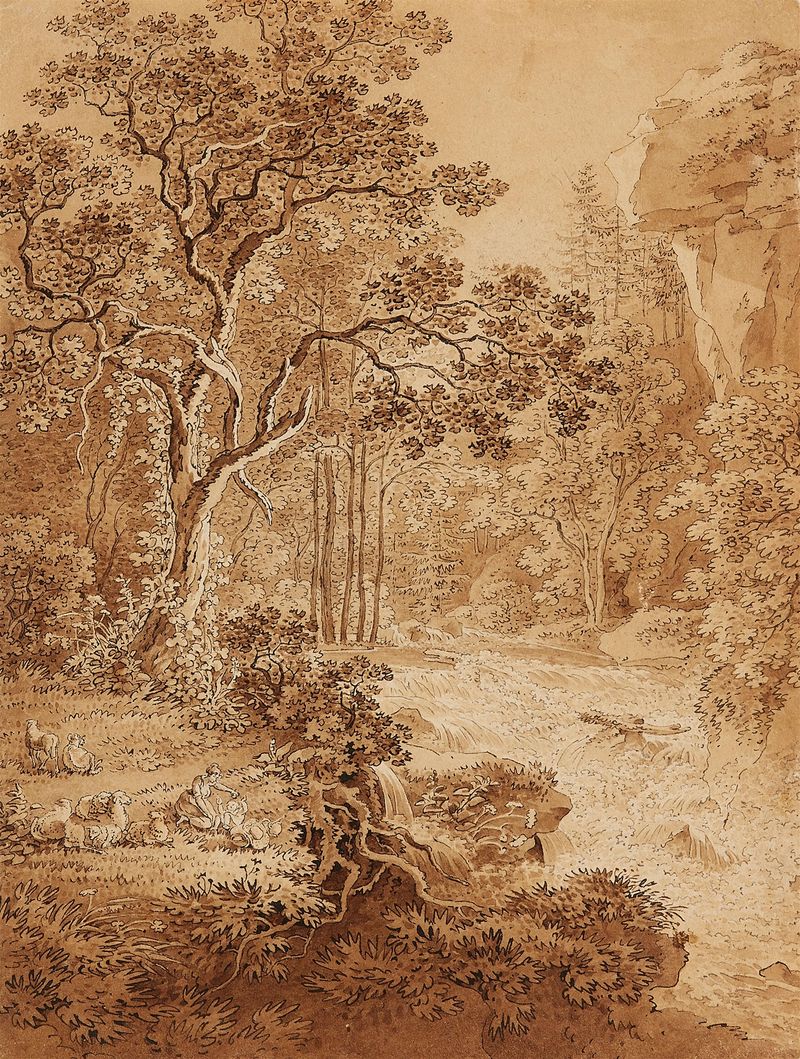
Landschaft im Schandauer Grund
Adrian Zingg
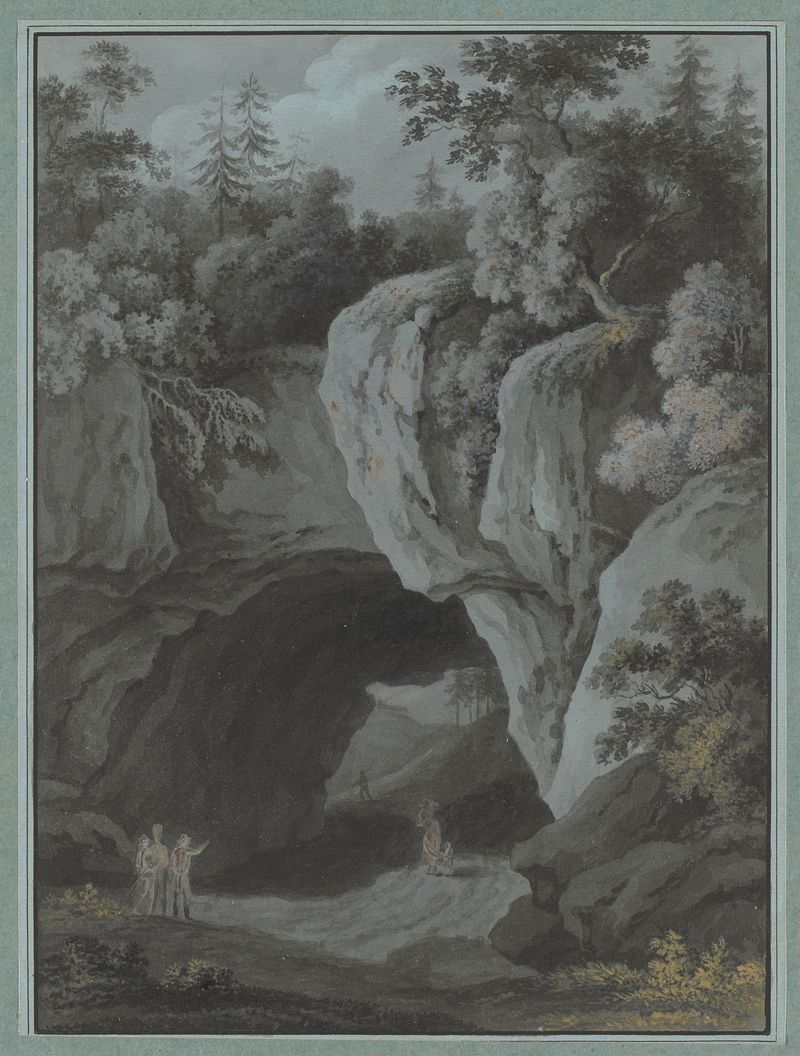
Landschaft mit Felsentor
Adrian Zingg





