Landscape with the story of Jephthah’s daughter — History & Facts
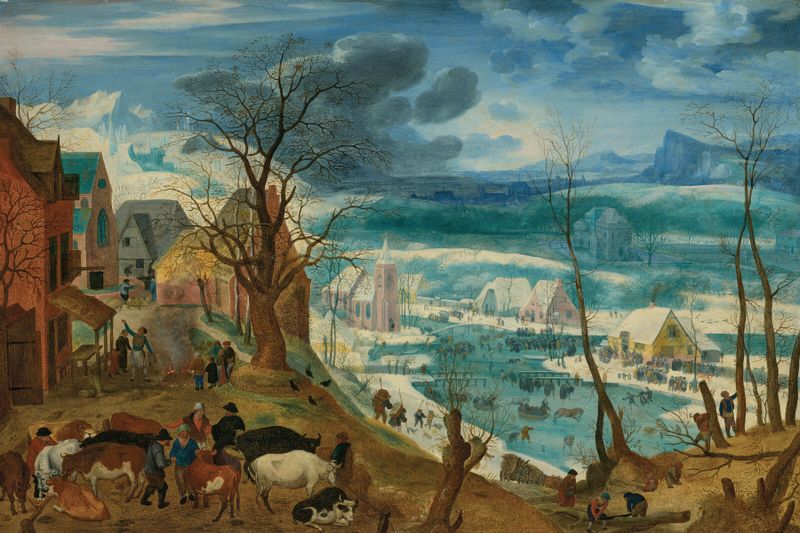
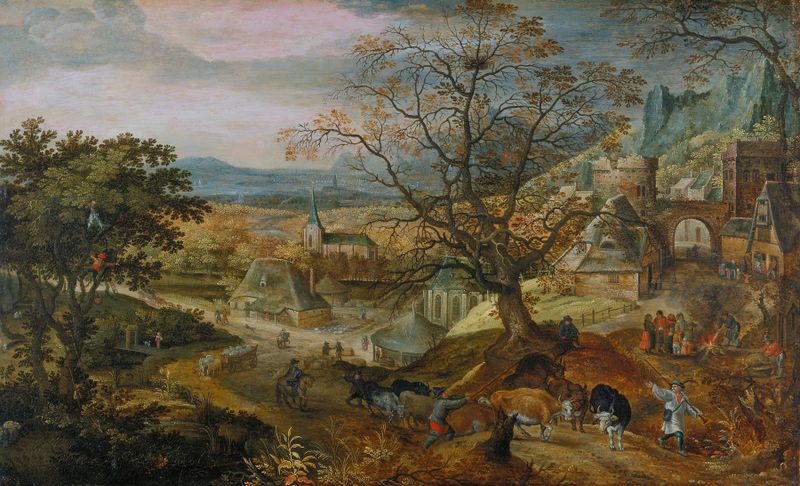
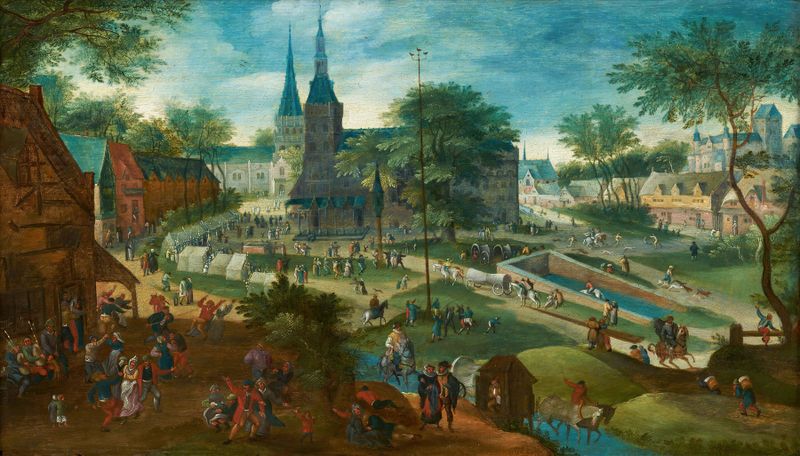
What secret hides in the quiet of the canvas? In Landscape with the story of Jephthah’s daughter, the echoes of fragility resonate through the serene yet haunting landscape, revealing a tale of sacrifice and sorrow. Look to the left at the figure of Jephthah, cloaked in a mix of courage and dread, his raised arm signaling the weight of his promise. The rich greens of the foliage contrast with the muted browns of the earth, creating a dynamic tension that draws the eye toward the delicate figure of his daughter, poised and vulnerable in the foreground. Notice how the soft light spills over the scene, illuminating her serene expression, which belies the impending tragedy, illuminating the poignant stillness of the moment. Delve deeper, and you’ll find layers of meaning in the juxtaposition of the vibrant landscape against the somber fate that awaits.
The tranquility of the setting emphasizes the emotional turmoil at play, a reminder of how beauty can mask despair. The daughter’s stance, both resolute and hesitant, reflects the inner conflict of duty versus desire, encapsulating the fragility of life and the inevitable sacrifices that define our existence. During the late 16th century, Jacob Savery the Elder painted this work in the context of a burgeoning Northern Renaissance, where artists explored biblical themes with a focus on human emotion. Living in the Netherlands, he was part of a period marked by an intricate balance between allegorical narratives and landscape artistry, using this painting to engage viewers with a profound moral tale amid an idyllic scene.