
Landscape with willows — History & Facts
In times of revolution, can the stillness of nature echo the whispers of change? The essence of a moment frozen in paint beckons the viewer to explore hidden narratives beneath its tranquil surface. Look to the left at the willows, their slender branches dipping gracefully toward the water’s edge. The gentle strokes of green and earthy browns blend seamlessly, creating a tapestry that invites both serenity and contemplation. The soft light falls upon the scene, illuminating the leaves while casting delicate shadows that dance across the canvas, suggesting movement in a world otherwise still. Yet, beneath this calm facade lies an undercurrent of emotional tension.
The willows, often symbols of mourning, hint at the sadness and uncertainty that accompany revolutionary change. The water reflects not just the trees, but the turmoil of the times, suggesting that while nature endures, human struggles persist just beyond the frame. This stark contrast between beauty and sorrow compels viewers to confront their own interpretations of peace amid chaos. Created in a period of great social upheaval around the turn of the 20th century, the artist captured this work while navigating the complexities of Russian art in a changing world.
Between 1890 and 1900, as the political landscape shifted, Kochanowski sought solace in nature, embracing the rich colors and textures of his homeland. His landscapes serve as a reminder of the balance between external struggles and internal peace, reflecting the heart of an artist in a tumultuous time.
More Artworks by Roman Kazimierz Kochanowski
Browse all →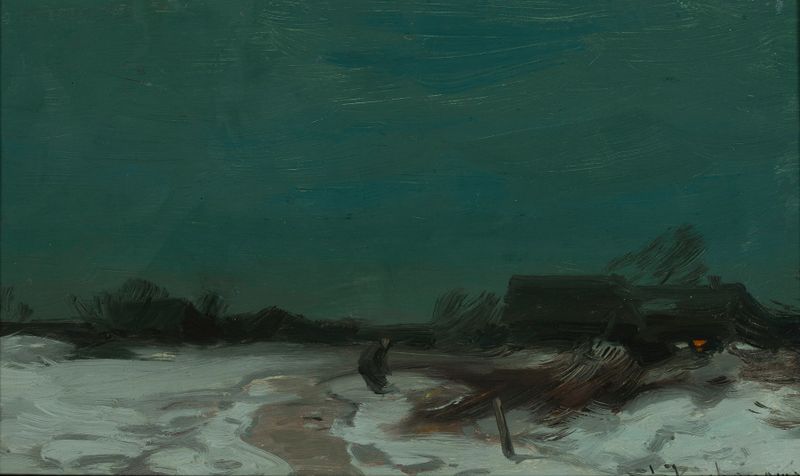
Winter landscape with cottages
Roman Kazimierz Kochanowski
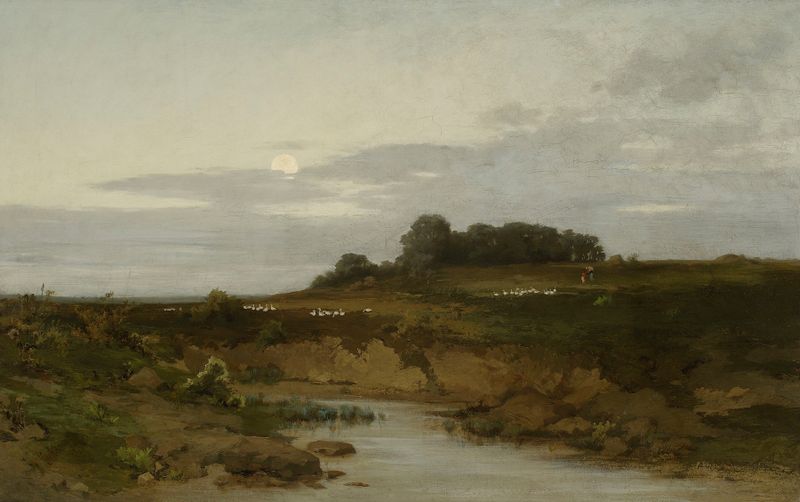
Evening
Roman Kazimierz Kochanowski
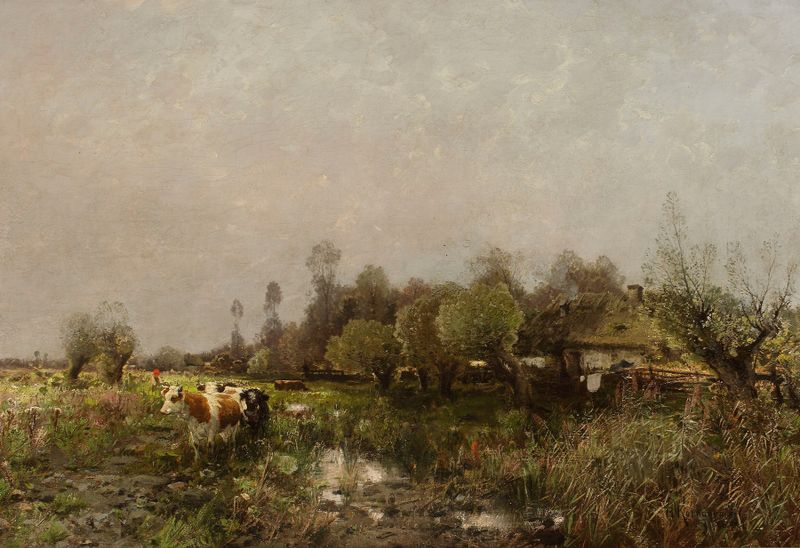
Summer landscape with a cottage on marshland
Roman Kazimierz Kochanowski
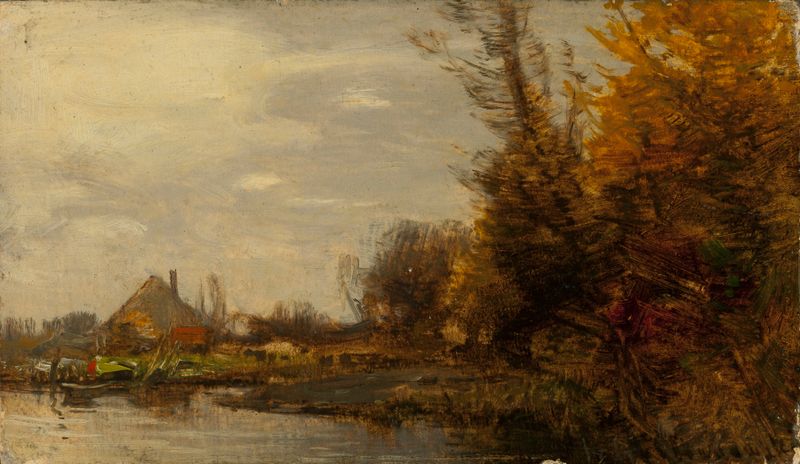
Autumn landscape with a cottage at waterside
Roman Kazimierz Kochanowski
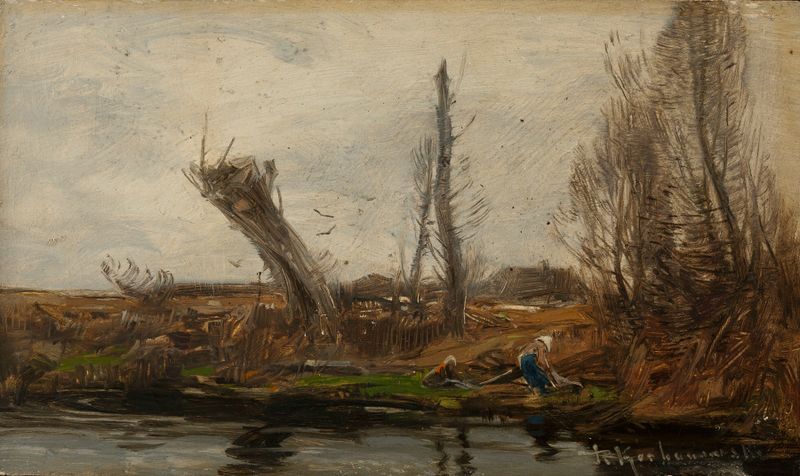
Willows at waterside
Roman Kazimierz Kochanowski
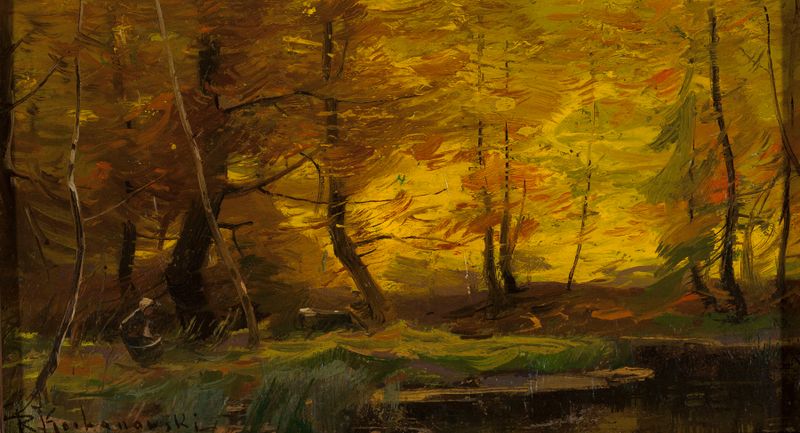
Forest landscape
Roman Kazimierz Kochanowski
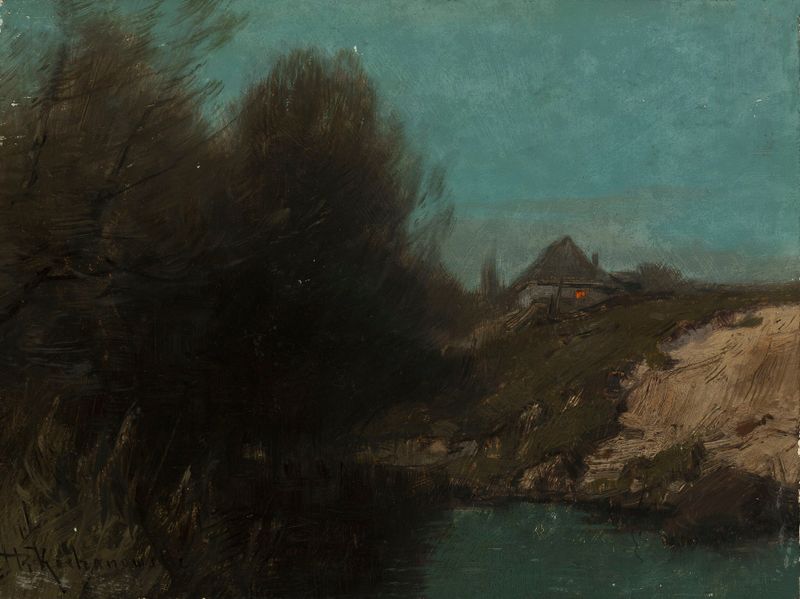
Landscape with a cottage
Roman Kazimierz Kochanowski
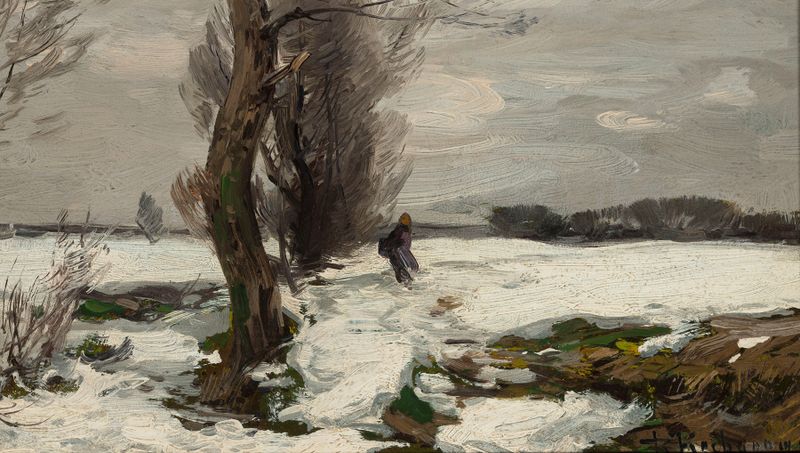
Winter landscape
Roman Kazimierz Kochanowski
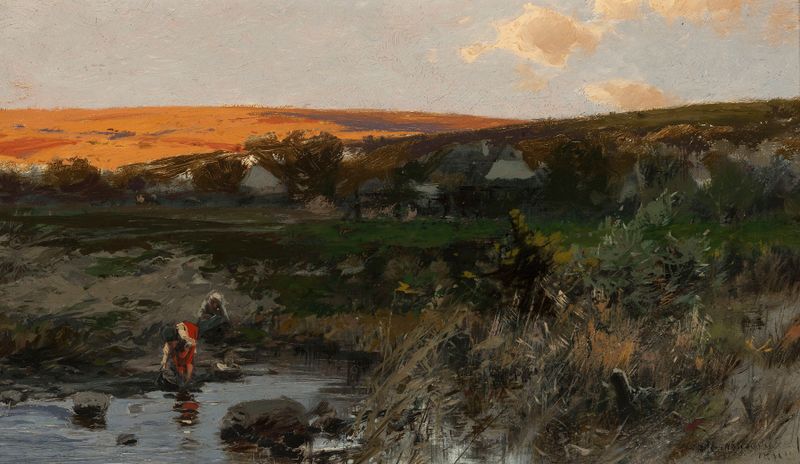
Landscape at sunset
Roman Kazimierz Kochanowski
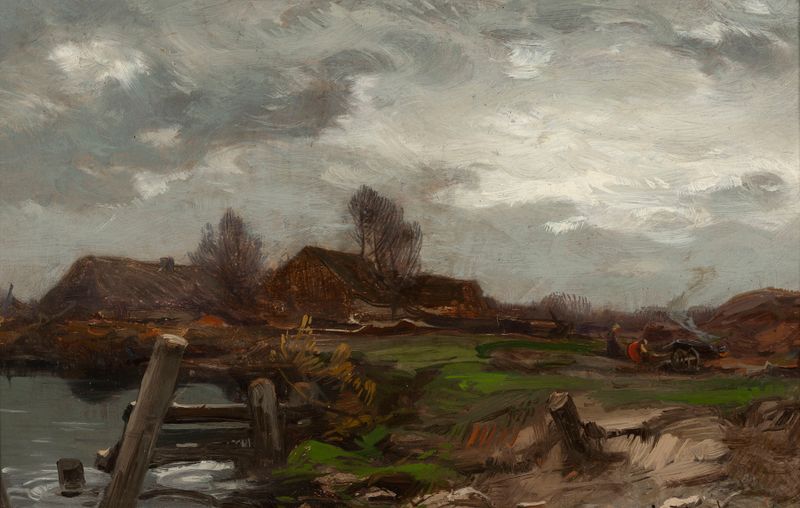
Landscape – Cottages at waterside
Roman Kazimierz Kochanowski





