Landschaft — History & Facts
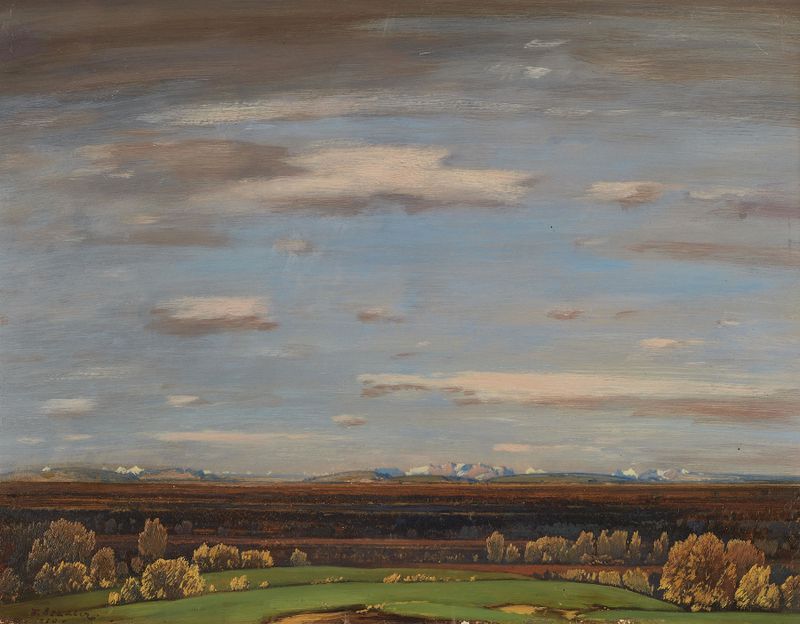
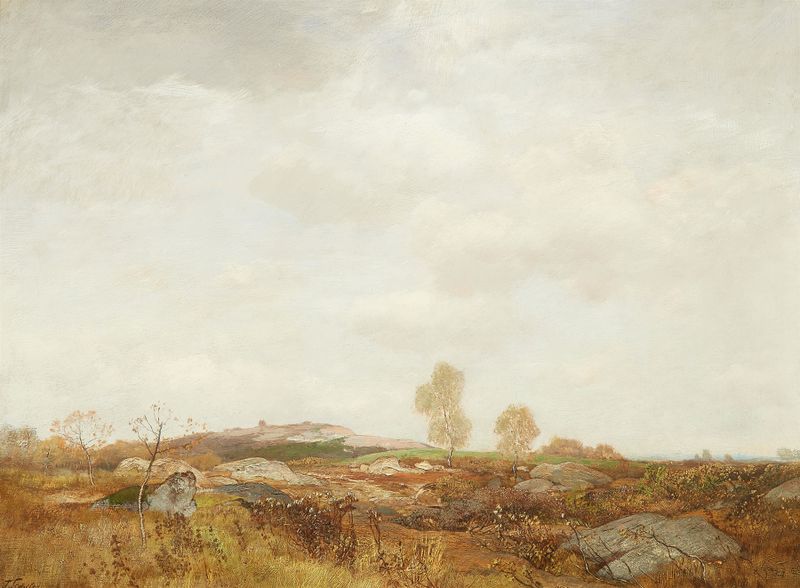
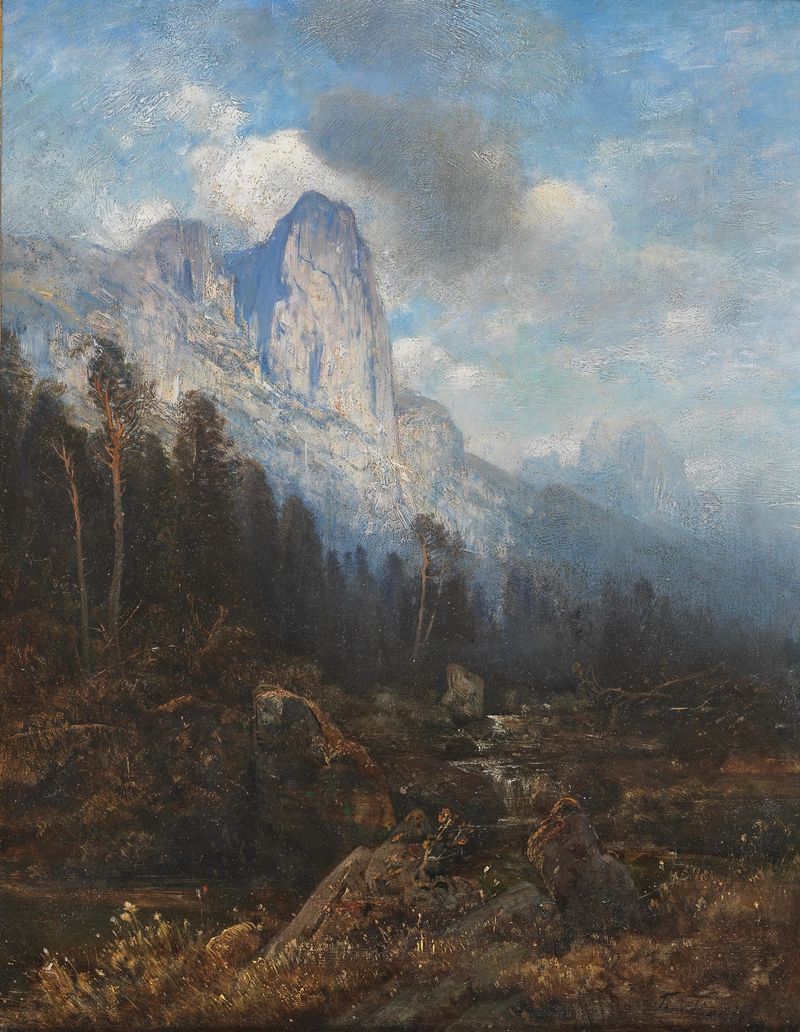
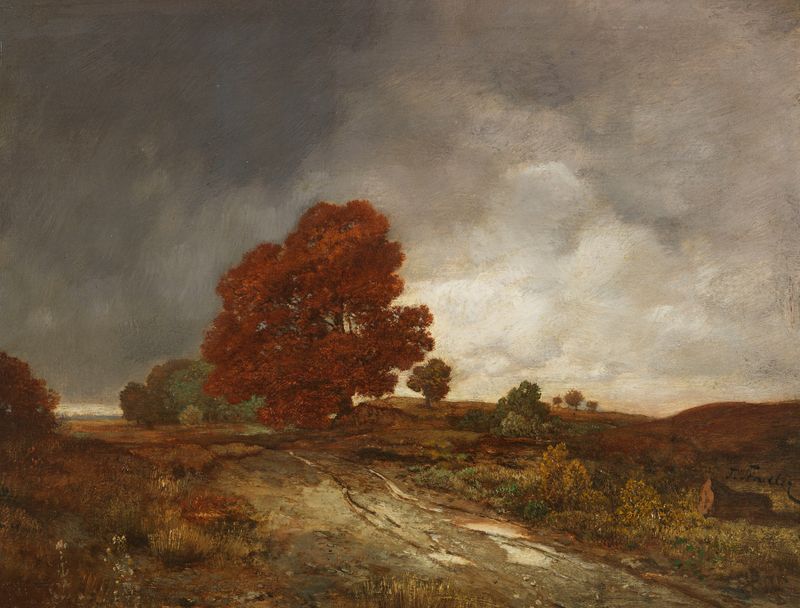
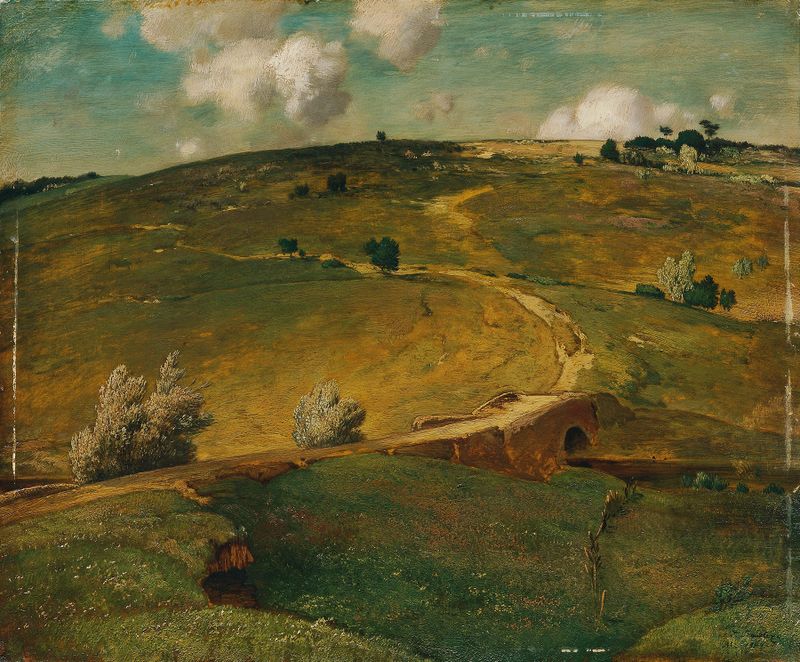
It’s in the interplay of light and shadow where the true essence of nature reveals itself. How do we navigate the tumult of existence when the shadows loom large, yet the light beckons us forward? Look to the foreground, where the earth meets the sky in a harmonious dance of color. The verdant greens of the landscape stretch across the canvas, punctuated by the soft browns of the earth.
Notice how the shadows envelop the trees, their dark forms contrasting against the dappled sunlight that filters through, creating a sense of movement. The brushwork is both deliberate and spontaneous, inviting the viewer to search for the calm within the chaos. Delve into the contrasting elements of stillness and motion that define this piece. The vibrant hues of the sky clash with the weight of the shadows, suggesting an inner tension between the beauty of nature and the inevitable approach of dusk.
Each stroke carries an emotional weight that oscillates between clarity and obscurity, illustrating the uncertainty of the human experience in relation to the natural world. The shadows stand not merely as voids but as essential components of the landscape’s identity. In 1910, the artist was immersed in the European avant-garde movement, exploring the boundaries of expressionism through his landscapes. Painted during a time of profound political and social upheaval, the work reflects a duality of hope and foreboding, typical of the era.
von Stadler sought to encapsulate not just the visible world, but the feelings that arise within the viewer; a poignant reminder of nature's dual character amidst the turbulence of life.