
Landschaft, Frau mit Kinderwagen — History & Facts
Can beauty exist without sorrow? This question resonates deeply within the canvas, inviting contemplation of innocence wrapped within the embrace of nature’s splendor. The juxtap of joy and melancholy is a delicate balance, a dance between what is seen and what is felt, challenging us to ponder the unspoken narratives behind serene appearances. Look to the left, where the gentle curve of a tree branch cradles the scene, casting dappled light on a mother and her child. The figures are anchored in lush greenery, their soft hues harmonizing with the vibrant palette that defines the landscape.
Notice how the interplay of light and shade brings texture to the foliage, while the delicate brushstrokes create a sense of movement—the wind whispering secrets through the leaves. The composition draws your eye to the child’s cherubic face, a tender embodiment of innocence amidst the vastness of nature. Yet, within this idyllic setting, tensions linger. The horizon, painted with an ominous gray, hints at a world beyond the tranquility.
The child’s gaze, seemingly captivated by the surrounding beauty, contrasts with the mother’s pensive expression—one of both pride and unarticulated worry. This duality evokes a poignant emotional undercurrent, suggesting that the simplicity of their joy is not untouched by the complexities of life. In 1870, Olga Wisinger-Florian crafted this piece during a period when the avant-garde movements were beginning to challenge traditional artistic norms. Working in Vienna, she was influenced by the burgeoning climate of modernity while engaging with themes of domesticity and nature.
This work reflects her unique perspective as a female artist, navigating a predominantly male-dominated art world, and it stands as a testament to the intimate relationship between motherhood and the broader cycles of life.
More Artworks by Olga Wisinger-Florian
Browse all →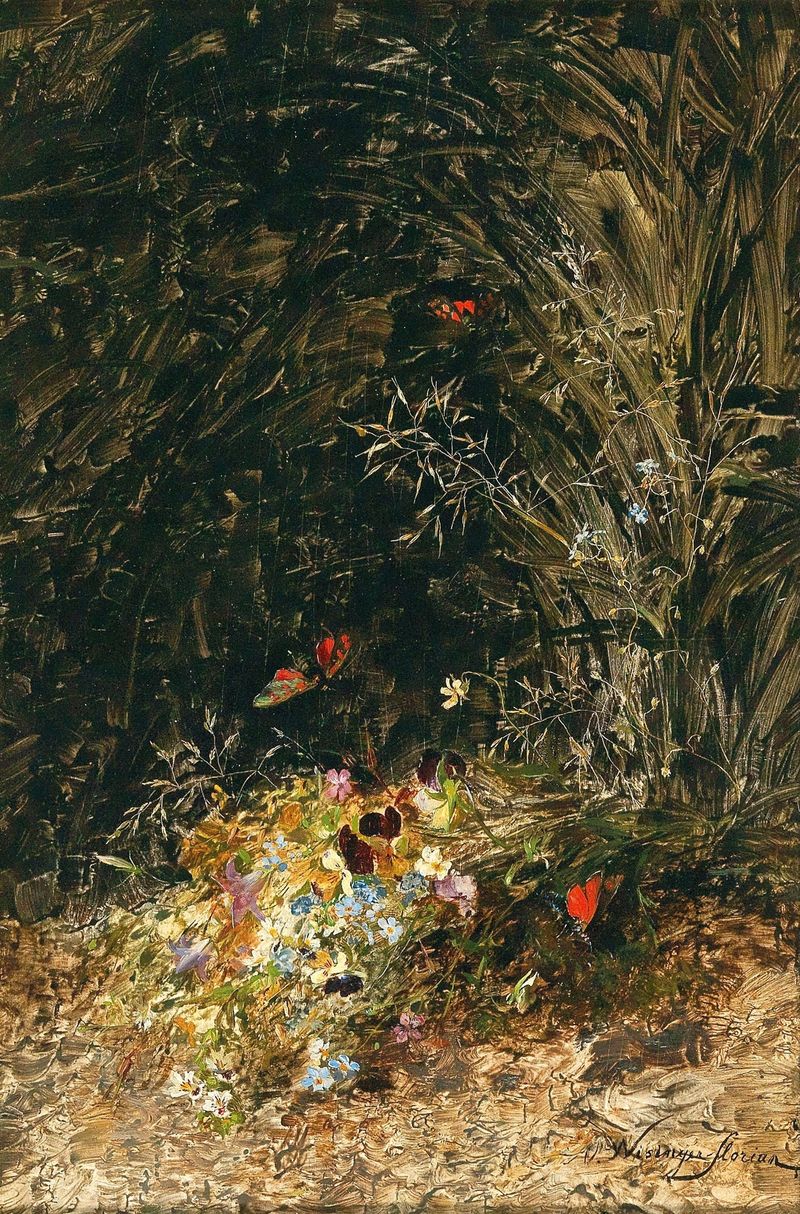
A bouquet of wildflowers
Olga Wisinger-Florian

Aulandschaft
Olga Wisinger-Florian

On the North Sea
Olga Wisinger-Florian
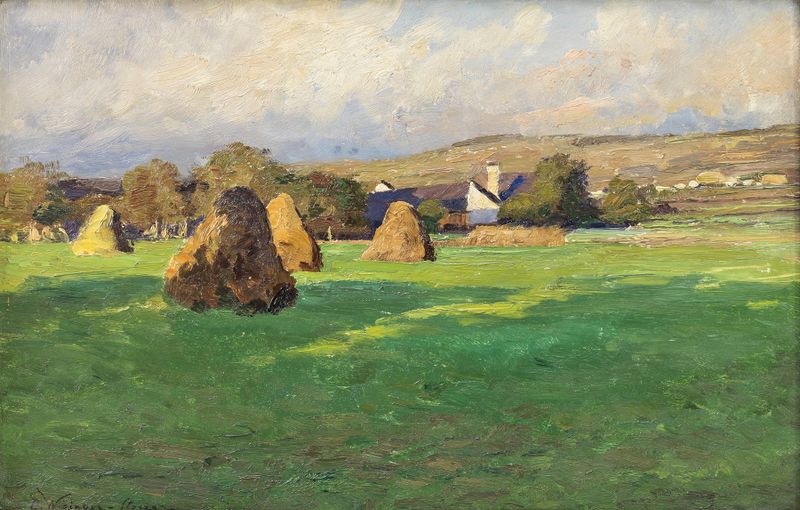
Abendliche Sommerlandschaft mit Strohmandeln
Olga Wisinger-Florian
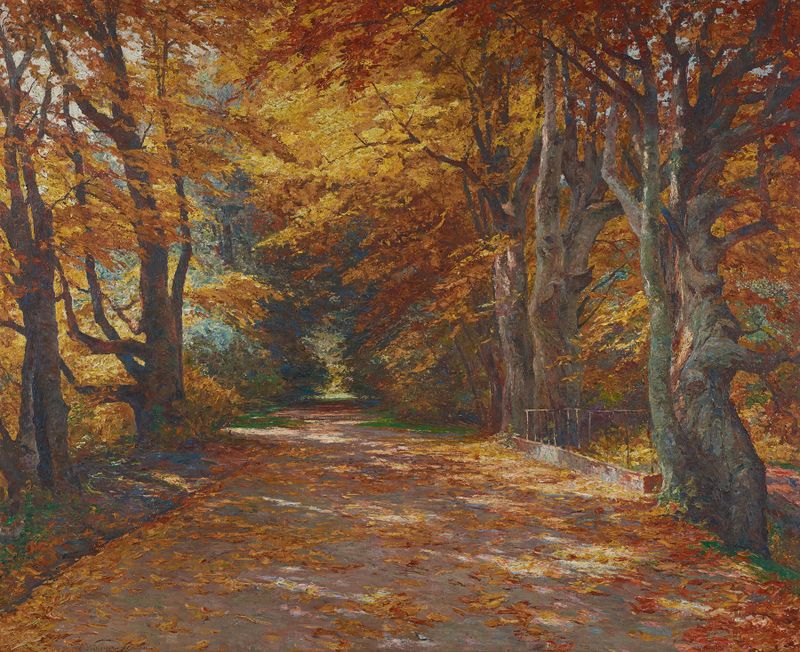
Praterallee im Herbst Herbstliche Allee
Olga Wisinger-Florian
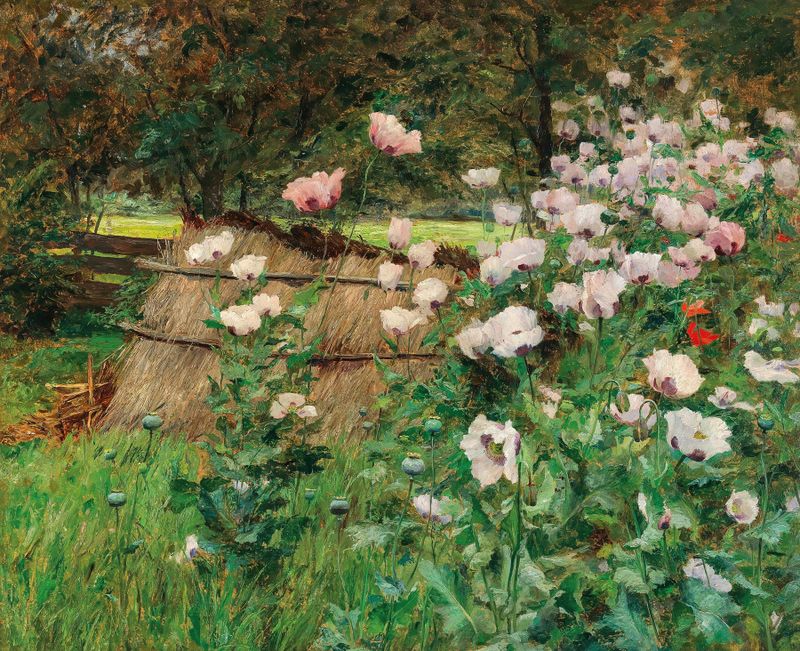
Im Bauerngarten
Olga Wisinger-Florian

Parklandschaft
Olga Wisinger-Florian
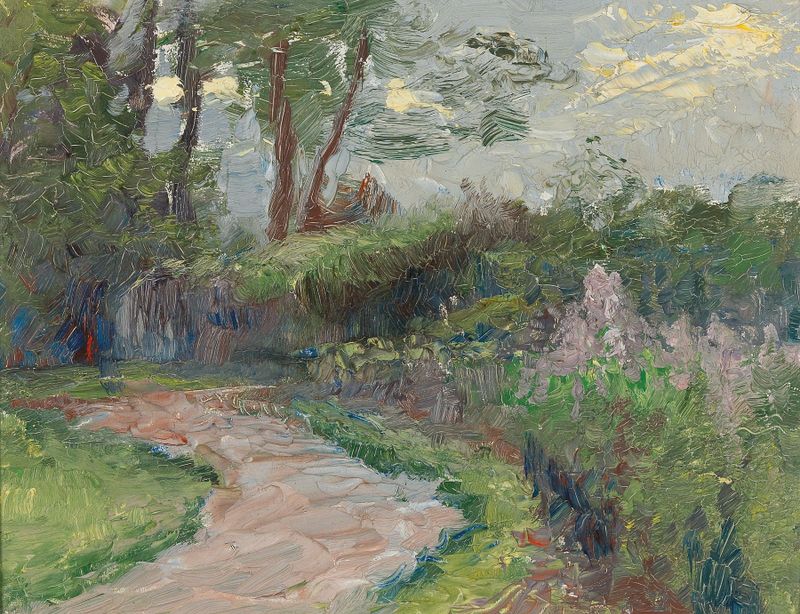
Path in the Park
Olga Wisinger-Florian

Abend
Olga Wisinger-Florian
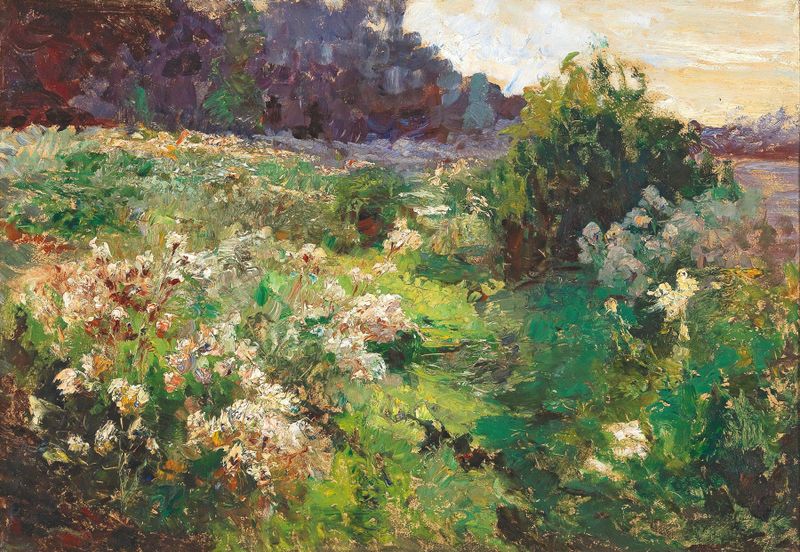
Meadow
Olga Wisinger-Florian





