
Landschaft im Sabinergebirge — History & Facts
In Landschaft im Sabinergebirge, the natural world unfolds as a testament to mortality, where fleeting moments are captured in enduring beauty. Each stroke speaks to the eternal dance between life and decay, evoking a contemplation of existence. Look to the left at the rugged peaks rising against a soft, fading sky. The interplay of light and shadow reveals the artist's masterful handling of color, with deep greens and muted earth tones dominating the scene.
Notice how Schuch contrasts the vibrant foliage with the starkness of the rocky cliffs, emphasizing the tension between life’s vibrancy and the inevitable passage of time. The distant horizon invites the viewer’s gaze, drawing us into this tranquil yet transient landscape. Within the swirling clouds and shimmering waters lie hidden meanings of impermanence. The lushness of the trees contrasts with the exposed stone, a reminder of nature's resilience amid its fragility.
The gentle flow of the river suggests time’s ceaseless march, a theme echoed in the subdued light that bathes the entire composition, urging us to reflect on our own fleeting moments within the grand tapestry of life. In 1870, while he was based in Vienna, the artist was navigating a period of personal and artistic growth. The mid-19th century was a time of burgeoning Romanticism in art, where nature became a vessel for emotional exploration. As Schuch engaged with this landscape, he was not merely depicting the Sabine Hills; he was also engaging with contemporary ideas around nature, mortality, and the essence of existence itself — themes that continue to resonate today.
More Artworks by Carl Schuch
Browse all →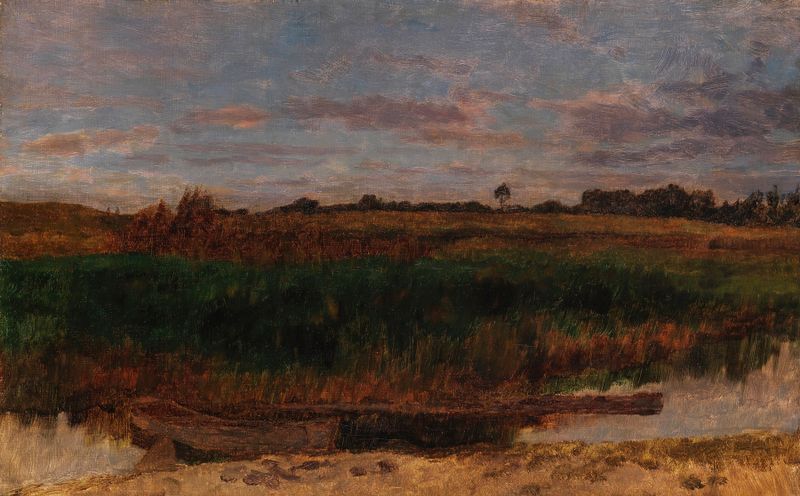
Schilffeld mit Kahn (Ferch am Schwielowsee)
Carl Schuch

A Farmstead on a Country Road
Carl Schuch
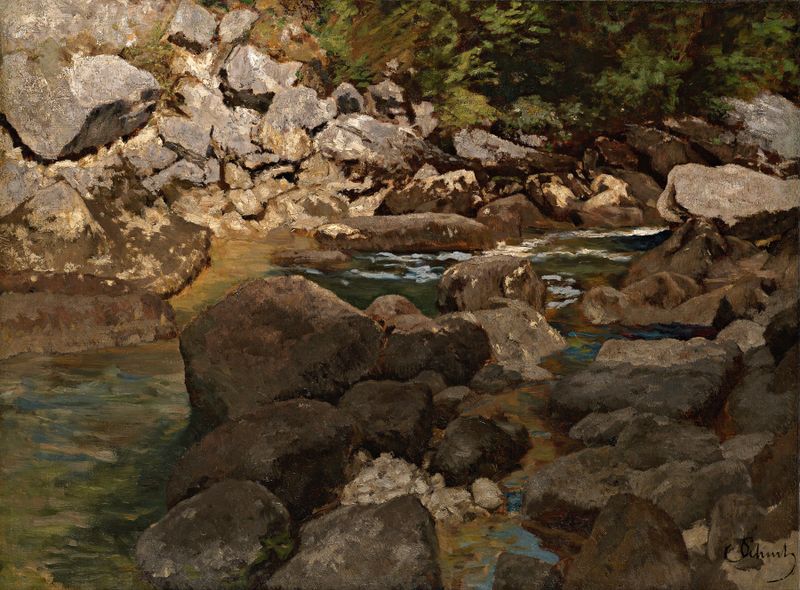
Mountain Stream with Boulders
Carl Schuch
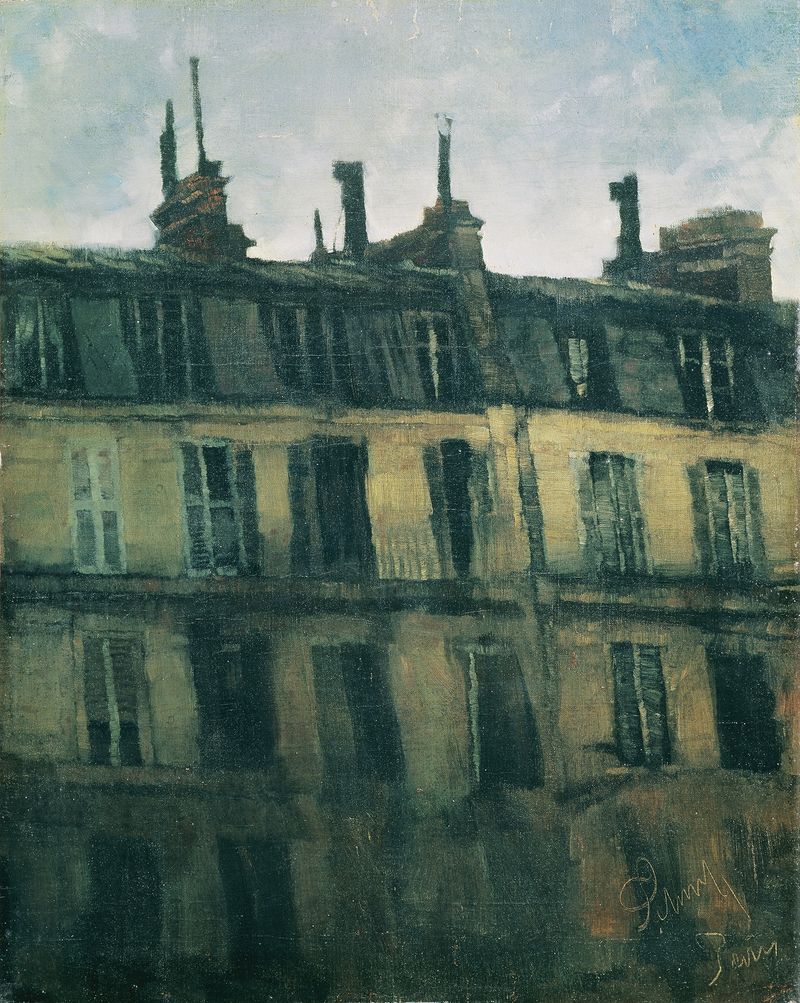
Pariser Häuser
Carl Schuch
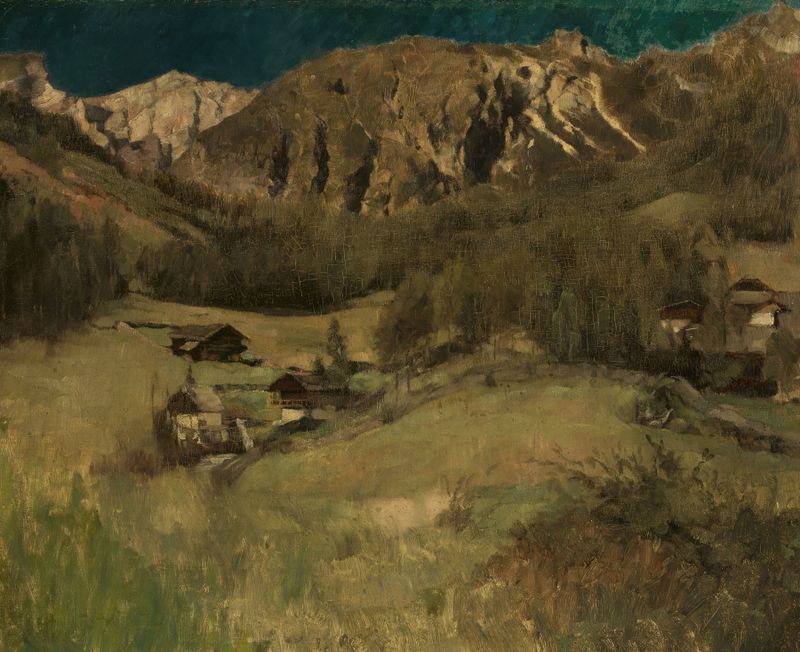
Landscape from Tyrol
Carl Schuch

Blick auf den Hochkalter am Hintersee
Carl Schuch
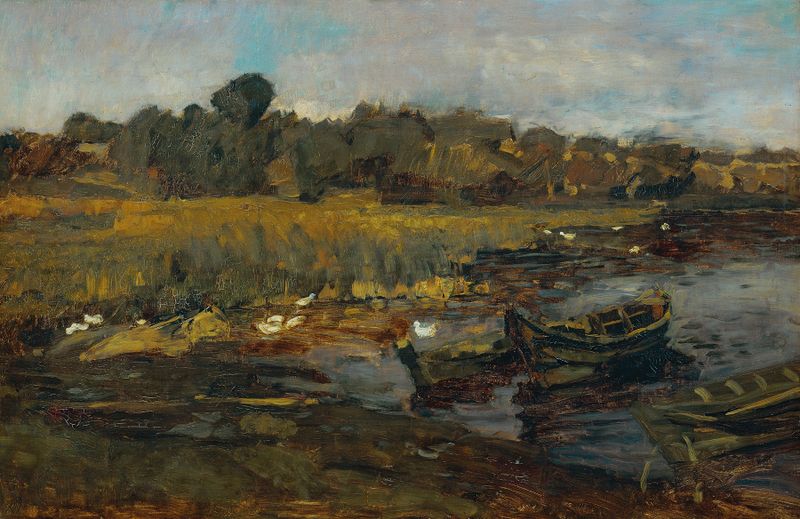
Schilflandschaft am Schwielowsee mit Enten
Carl Schuch

Waldinneres bei Saut du Doubs
Carl Schuch

Waldrand bei Purkersdorf
Carl Schuch
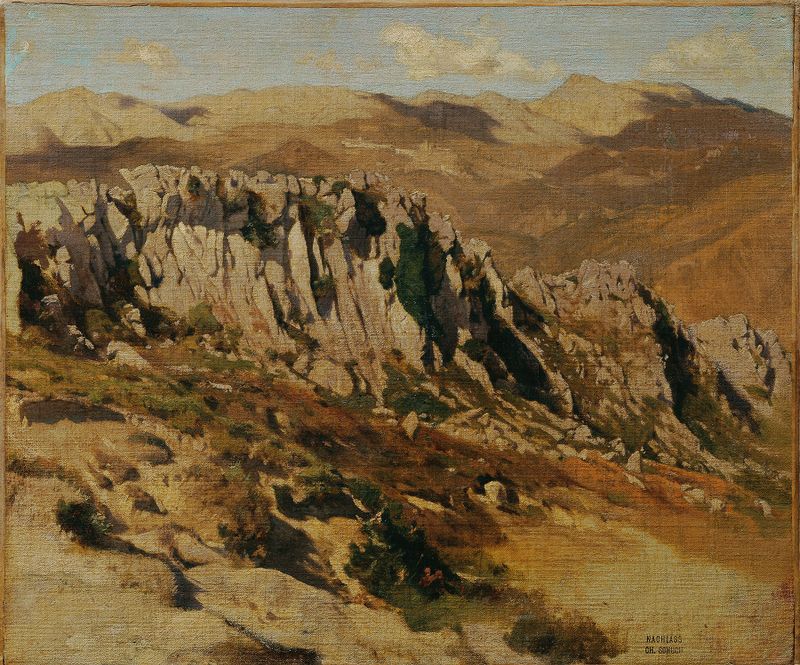
Felsenlandschaft bei Olevano
Carl Schuch





