
Pariser Häuser — History & Facts
Where does light end, and longing begin? In Pariser Häuser, the interplay of luminescence and shadow invites us to ponder the delicate balance between presence and absence. Look to the bottom left corner, where soft, warm light spills onto the cobblestone streets, illuminating the facades of the buildings as if they are whispering secrets of the past. Notice the gentle variations in color; each brushstroke creates a textured rhythm that echoes the architecture’s elegance, drawing your eye upward through the layers of soft ochres and muted blues. The composition leads you through the scene, with rooftops reaching toward the sky, yet it is the serene stillness that lingers, allowing the viewer to feel the space as an extension of their own thoughts. As you explore further, a subtle tension unfolds—the contrast between the vibrancy of the light and the shadowy recesses hints at stories untold.
The warmth of the light suggests life and activity, yet the empty streets evoke a sense of quiet isolation. This duality reflects an emotional landscape where joy and solitude coalesce, compelling us to confront our own feelings of belonging in urban life. Created between 1885 and 1890, during a period of great change in Europe, Pariser Häuser was painted while Carl Schuch was immersed in the dynamic art scene of Paris. At this time, he was grappling with the influence of Impressionism and the emerging modernist ideas that sought to capture fleeting moments.
Schuch's work represents not only his artistic evolution but also a reflection of the broader societal shifts, encapsulating the essence of his experiences in that vibrant metropolis.
More Artworks by Carl Schuch
Browse all →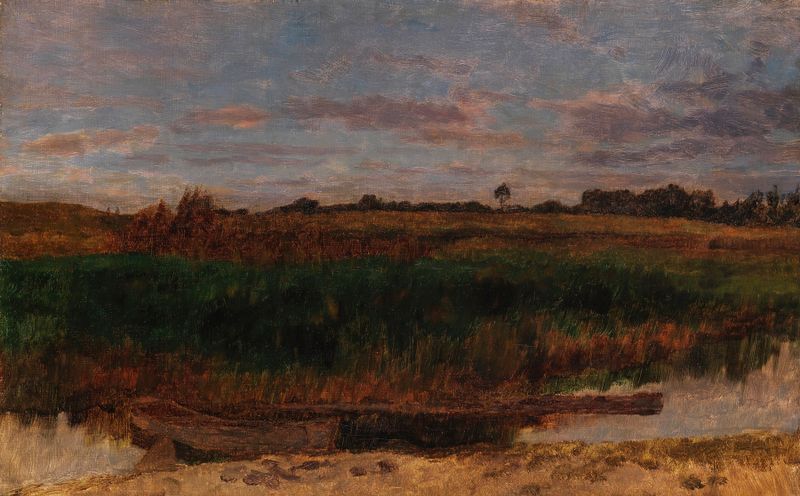
Schilffeld mit Kahn (Ferch am Schwielowsee)
Carl Schuch

A Farmstead on a Country Road
Carl Schuch
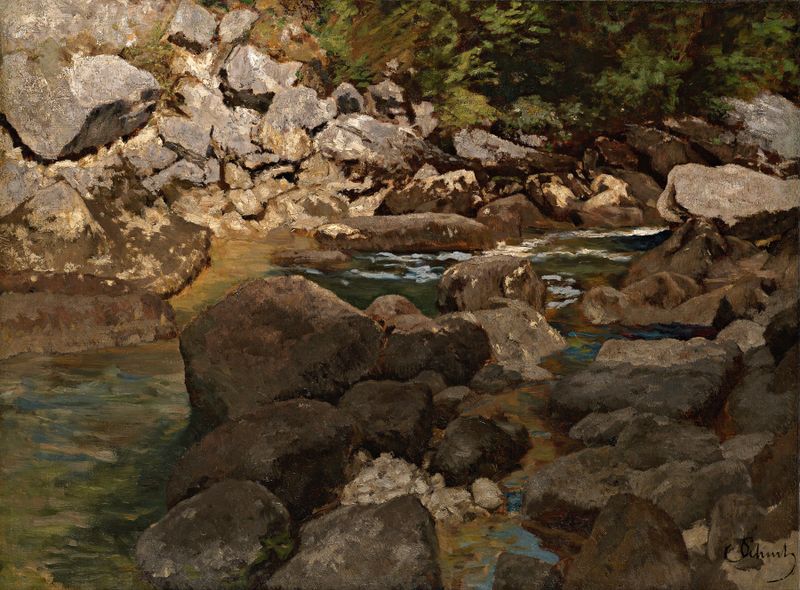
Mountain Stream with Boulders
Carl Schuch
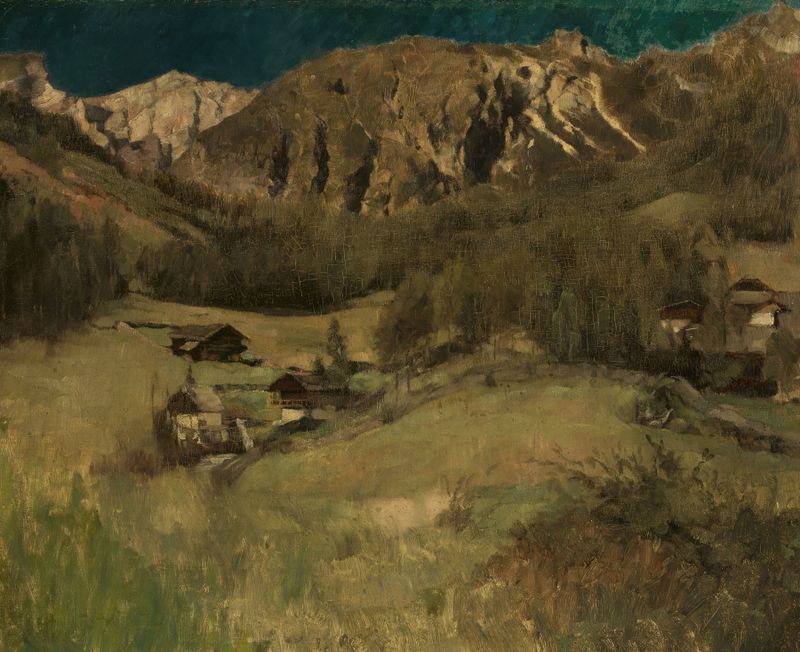
Landscape from Tyrol
Carl Schuch

Blick auf den Hochkalter am Hintersee
Carl Schuch
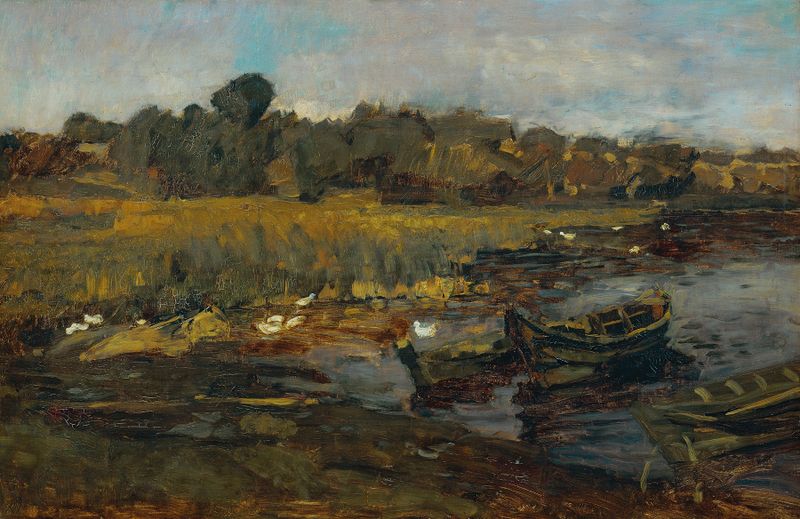
Schilflandschaft am Schwielowsee mit Enten
Carl Schuch
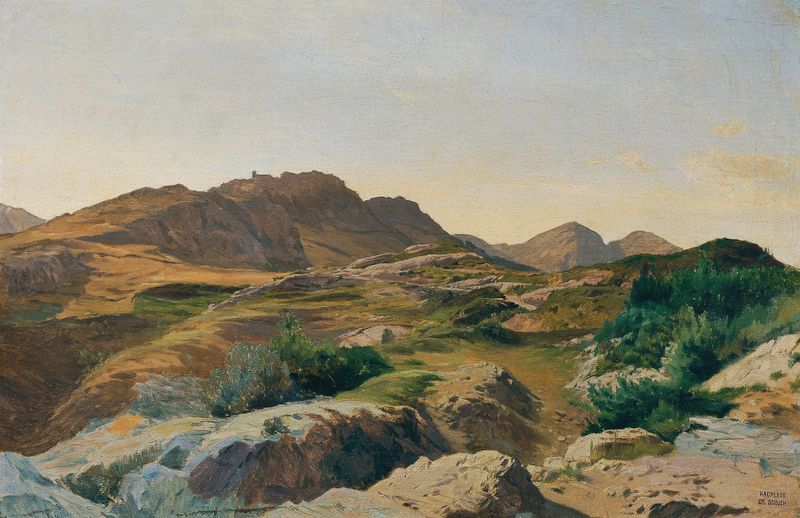
Landschaft im Sabinergebirge
Carl Schuch

Waldinneres bei Saut du Doubs
Carl Schuch

Waldrand bei Purkersdorf
Carl Schuch
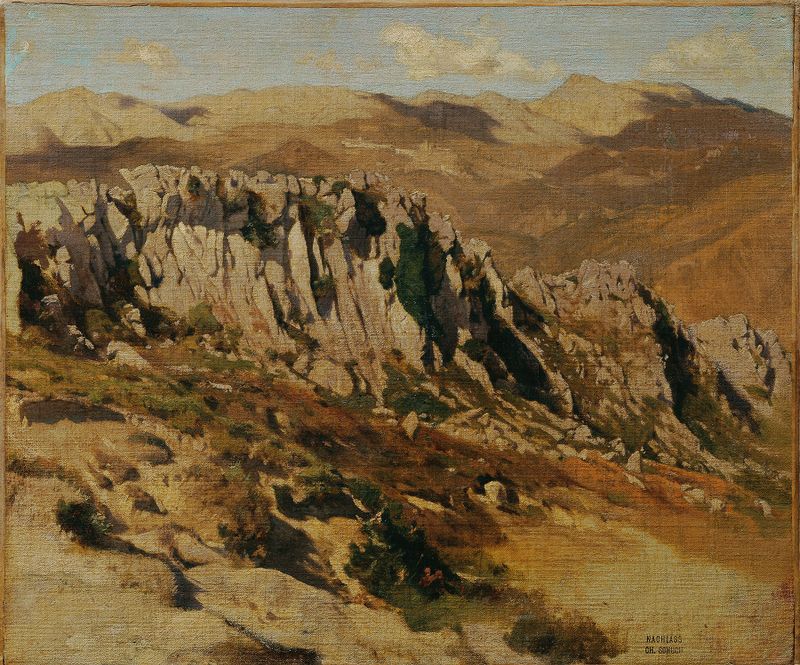
Felsenlandschaft bei Olevano
Carl Schuch
More Architecture Art
Browse all →
The statue of Liberty
Frédéric Auguste Bartholdi

View of Houses in Delft, Known as ‘The Little Street’
Johannes Vermeer

View of Houses in Delft, Known as ‘The Little Street’
Johannes Vermeer

The Cathedral in Rouen. The portal, Grey Weather
Claude Monet

The yellow house
Vincent van Gogh

The Church in Auvers-sur-Oise, View from the Chevet
Vincent van Gogh