
Landschaft mit zerfallenem Gehöft — History & Facts
Is this a mirror — or a memory? In Landschaft mit zerfallenem Gehöft, the viewer is drawn into a landscape that blurs the line between past and present, echoing the obsessive nature of nostalgia. Focus on the crumbling structure in the foreground, where decaying walls seem to whisper stories of lives once lived. The overgrown vegetation envelops it like a shroud, a silent testament to the passage of time. Notice how the soft, muted colors evoke a melancholic atmosphere, while the dappled light filters through the trees, accentuating the fragile beauty of decay.
The composition leads the eye gently through the scene, almost inviting a sense of longing. The contrast between the vibrant greens and the muted browns reveals an emotional tension between life and death, growth and decay. Each detail, from the broken roof tiles to the wildflowers peeking through the rubble, reflects an obsession with memory and loss, suggesting that what once was can never truly be reclaimed. The tranquility of this scene masks a deeper sorrow, as the viewer is left to contemplate the fleeting nature of existence. In 1790, Louis Gabriel Moreau painted this work during a period of significant change in France, as the Revolution began to shape the cultural landscape.
He was exploring themes of nostalgia and the impact of societal upheaval on the natural world. As a leading figure in French art, he faced the complexities of his time, navigating between tradition and modernity.
More Artworks by Louis Gabriel Moreau
Browse all →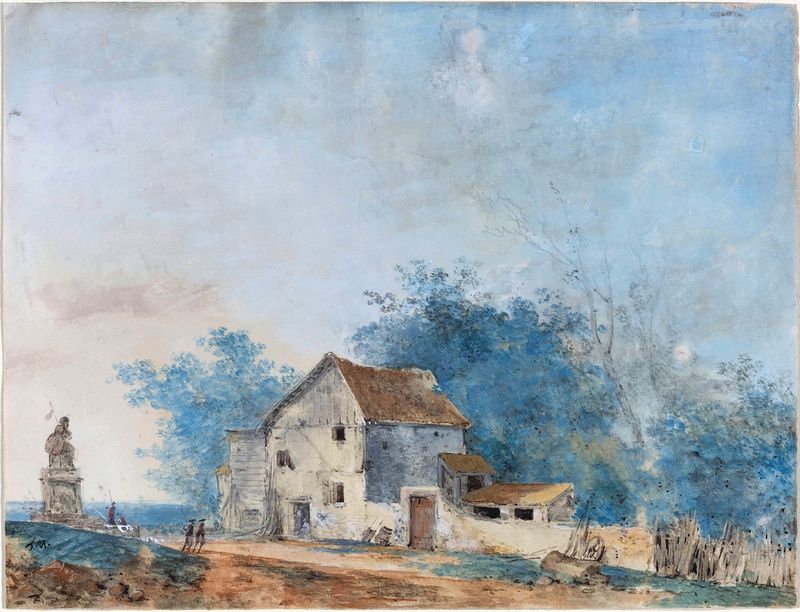
Landscape
Louis Gabriel Moreau

Italian Landscape with a Boating Party
Louis Gabriel Moreau
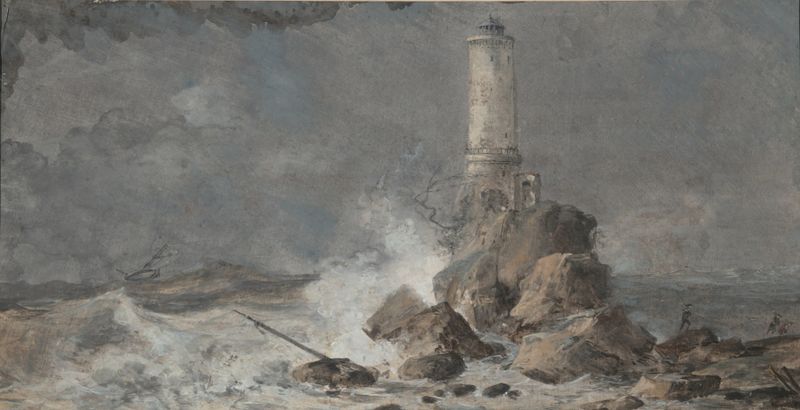
The Lighthouse [ Le Grand Phare]
Louis Gabriel Moreau

Parklandschaft mit hohen Bäumen und dem Blick auf einen Treppenanstieg im Mittelgrund
Louis Gabriel Moreau
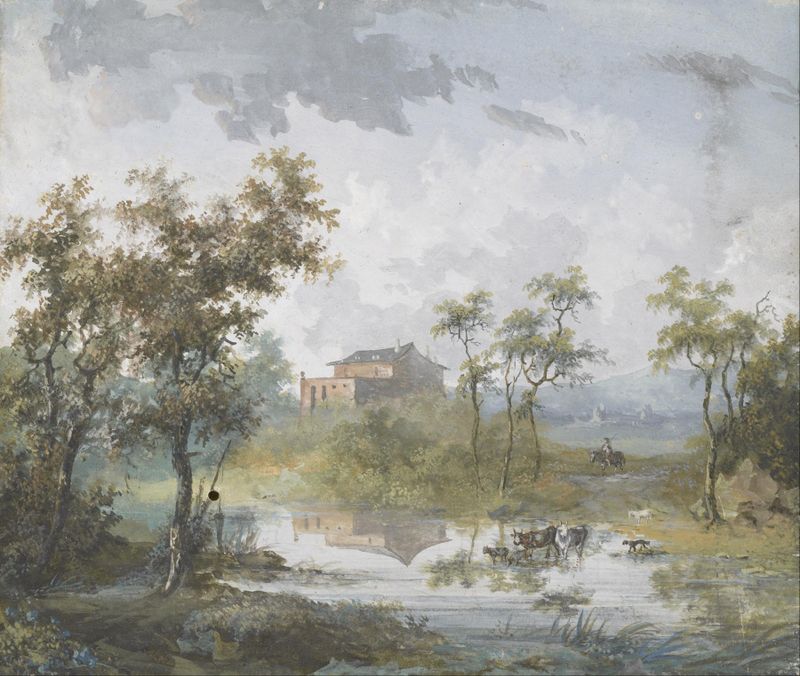
The Rustic River Ford
Louis Gabriel Moreau
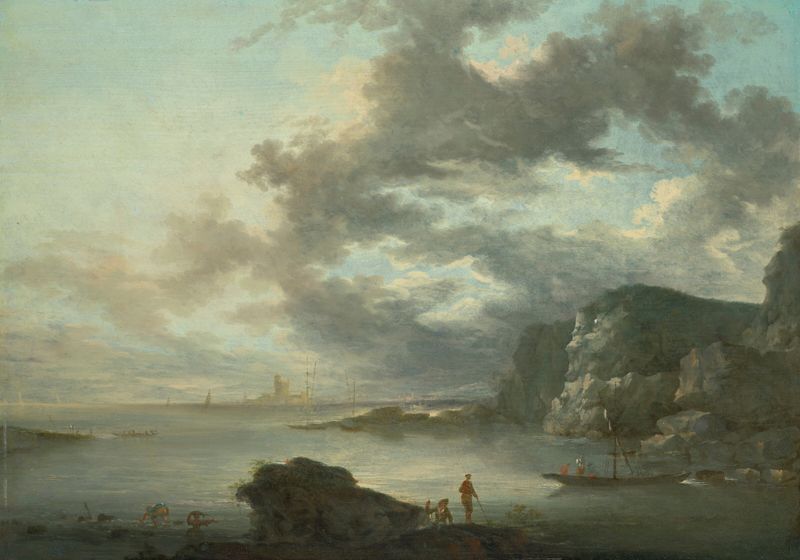
Seascape
Louis Gabriel Moreau

A river landscape with washerwomen by a mill
Louis Gabriel Moreau
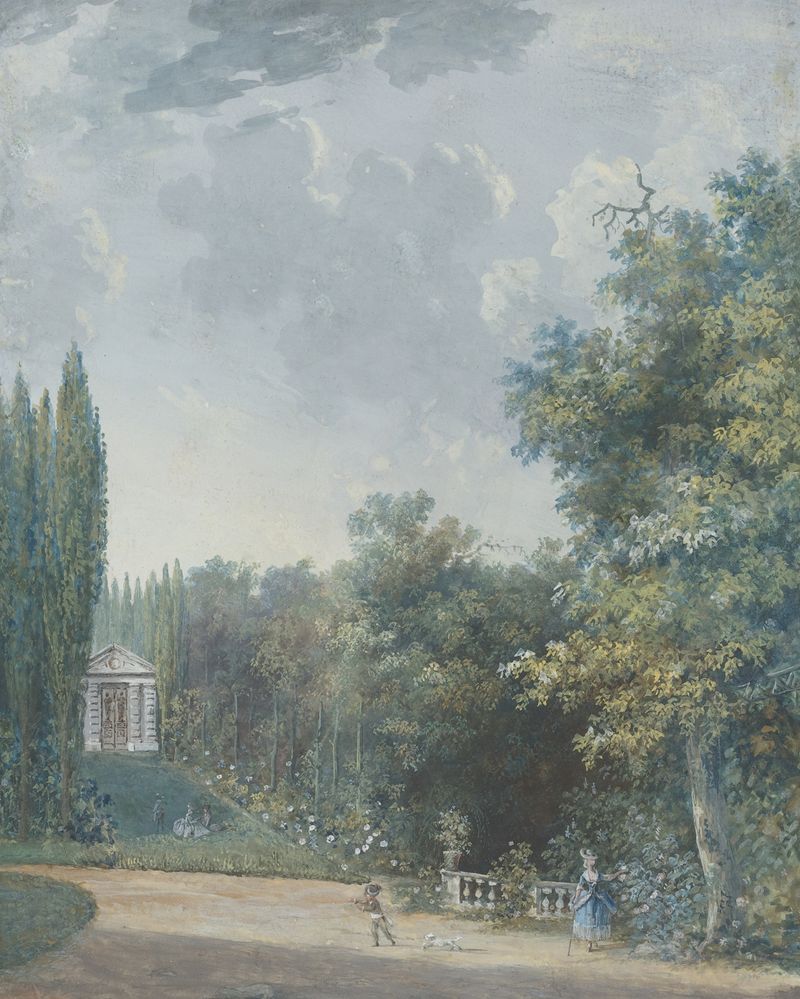
Park View
Louis Gabriel Moreau
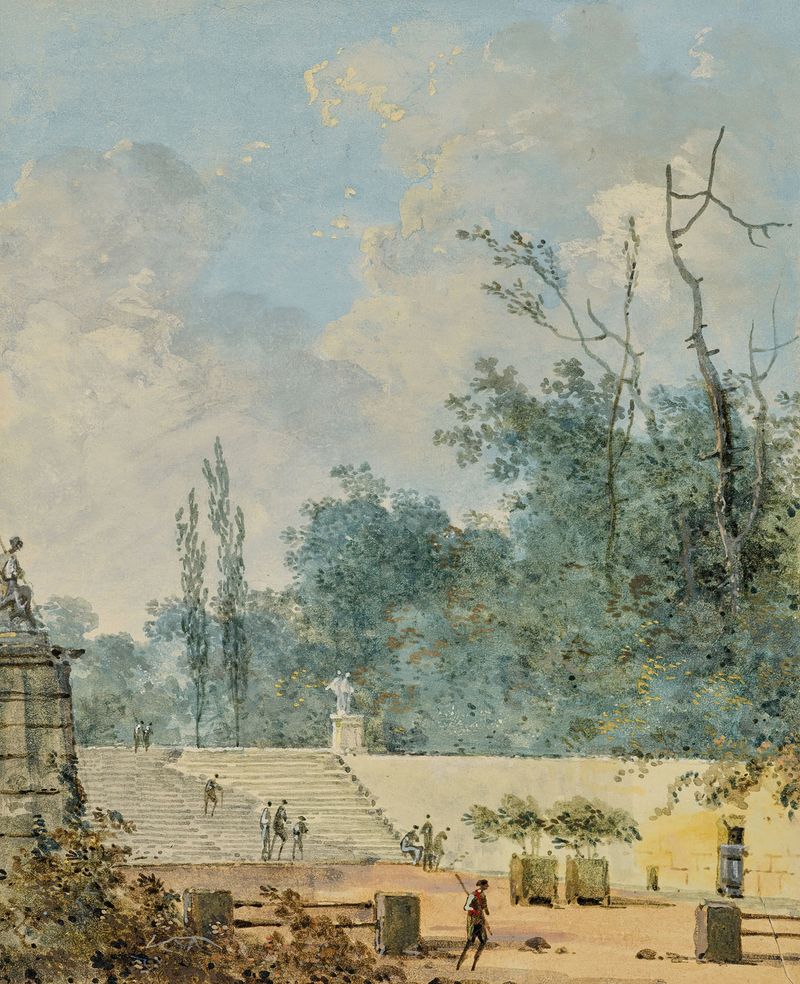
Deux vues du parc de Saint-Cloud
Louis Gabriel Moreau

Park Landscape with Tall Trees and Stone Ramp in Mid-Field
Louis Gabriel Moreau





