
Landscape — History & Facts
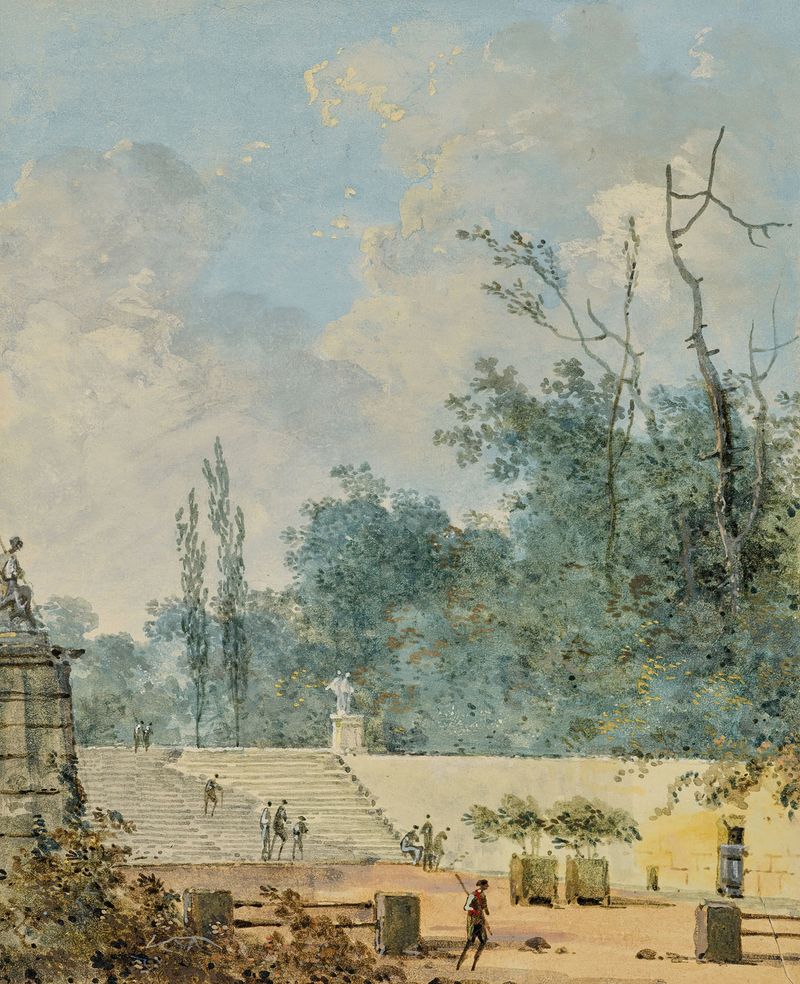
Who listens when art speaks of silence? In the late 1770s, a world of color unfolded within a canvas that captures the essence of serene landscapes, revealing the stillness of nature's embrace. Look to the foreground, where gentle undulations of green and brown invite the eye to traverse the gentle hills. Notice how the artist skillfully blends soft hues, creating a harmonious palette that breathes life into the scene. The light, diffused and tender, bathes the landscape in a tranquil glow, highlighting the delicate brushstrokes that evoke both movement and calm.
Each stroke whispers secrets of place and time, revealing a meditative space that invites contemplation. In this composition, the contrast between the vibrant greens and muted earth tones speaks to the delicate balance of nature. The interplay of light and shadow creates depth, hinting at the mysteries lurking just beyond view. Small details, like the subtle play of clouds drifting overhead, suggest a passage of time, evoking a longing for connection with the natural world.
This is not merely a landscape but a visual poem, reflecting the emotions we feel in moments of solitude and introspection. During the late 1770s, the artist was exploring the beauty of the natural world amidst the evolving currents of the European art scene. This period was marked by the transition from the ornate styles of Rococo to a burgeoning appreciation for Romanticism and pastoral beauty. As societal changes stirred, Moreau found inspiration in the serene landscapes that surrounded him, capturing not only what the eye could see but also what the heart could feel.
More Artworks by Louis Gabriel Moreau
Browse all →
Italian Landscape with a Boating Party
Louis Gabriel Moreau
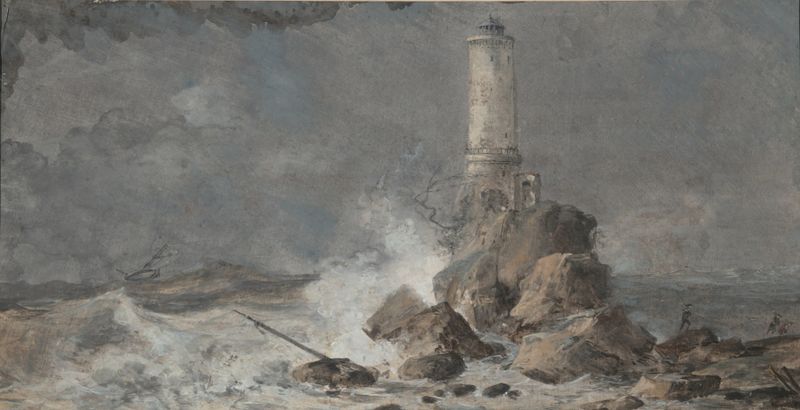
The Lighthouse [ Le Grand Phare]
Louis Gabriel Moreau

Landschaft mit zerfallenem Gehöft
Louis Gabriel Moreau

Parklandschaft mit hohen Bäumen und dem Blick auf einen Treppenanstieg im Mittelgrund
Louis Gabriel Moreau
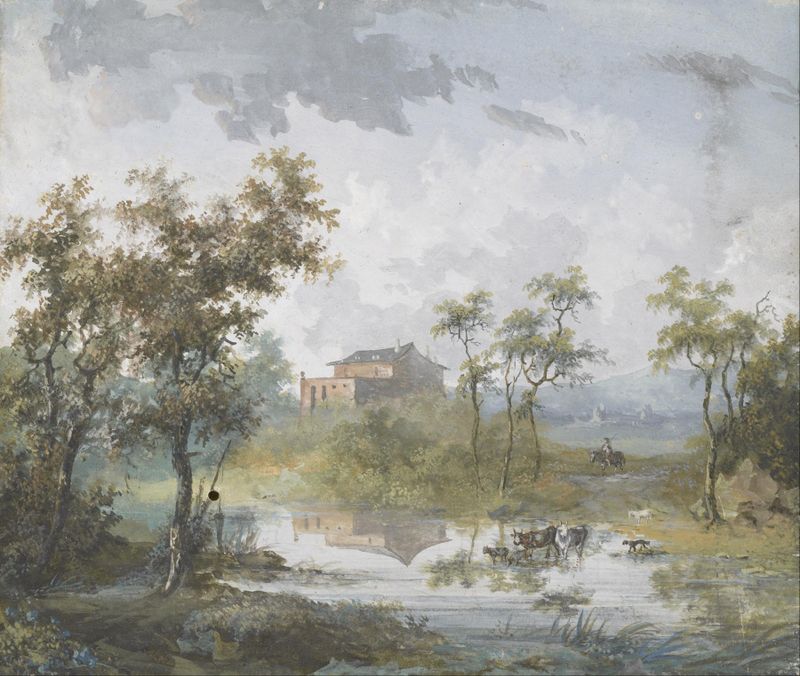
The Rustic River Ford
Louis Gabriel Moreau
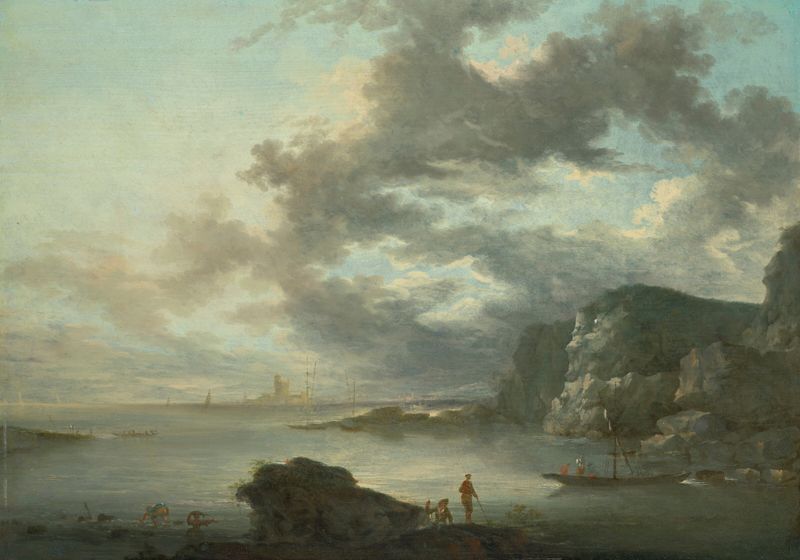
Seascape
Louis Gabriel Moreau

A river landscape with washerwomen by a mill
Louis Gabriel Moreau
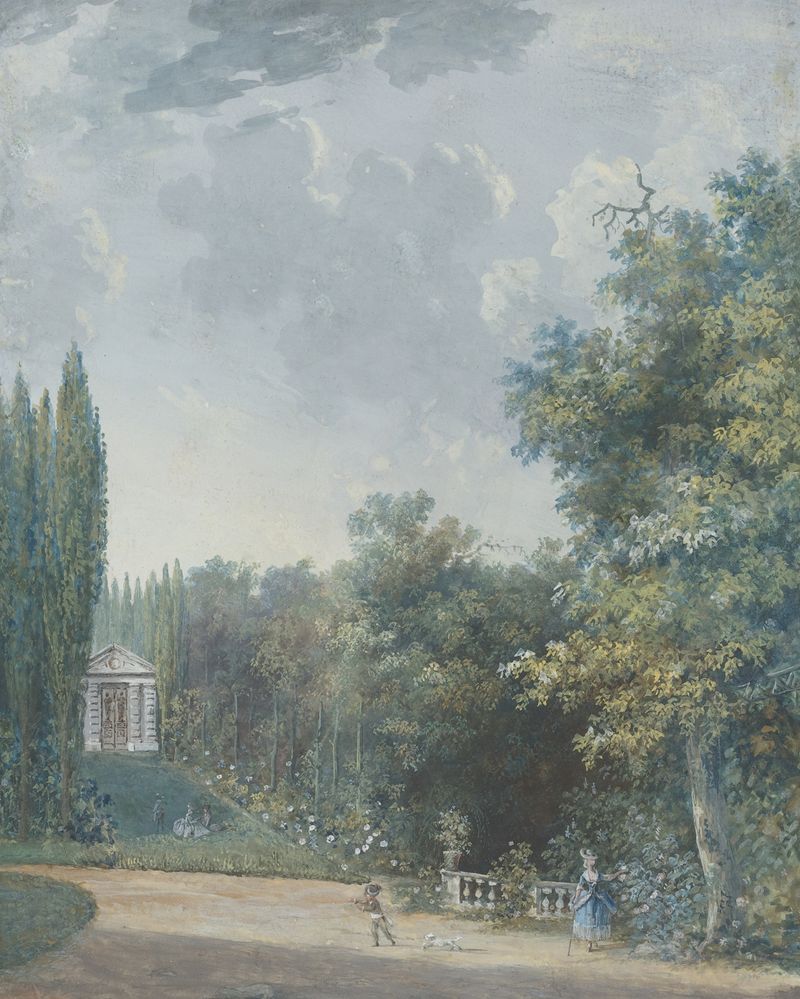
Park View
Louis Gabriel Moreau
Deux vues du parc de Saint-Cloud
Louis Gabriel Moreau

Park Landscape with Tall Trees and Stone Ramp in Mid-Field
Louis Gabriel Moreau





