
The Lighthouse [ Le Grand Phare] — History & Facts
This sentiment echoes in the silent pulse of betrayal captured within its frame, where the light flickers, and shadows darken the edges of trust. Look to the center, where the lighthouse stands resolute against a turbulent sea. The stark white of its façade gleams under the sun, contrasting the deep blues and grays of the ocean. Notice how the artist employs delicate brushstrokes to mimic the churning waves, swirling around the steadfast structure, conveying both chaos and steadfastness.
The play of light on the water enhances this duality, suggesting the ever-present tension between safety and danger. Beneath the serene exterior lies a deeper narrative. The lighthouse, a symbol of hope, stands as a sentinel amidst a storm, but its very presence evokes an unspoken tension, hinting at the betrayal of nature’s fury against man’s aspirations. The juxtaposition of the calm sky and the raging sea speaks to the fragility of human ambition when faced with the elements, while the distant horizon’s faint glow suggests a longing for solace that may never arrive. Moreau painted this work during a time of transition in the late 18th century, amidst the upheaval of the French Revolution.
His artistic career flourished as he sought to blend realism with romanticism, capturing not only landscapes but the emotional weight inherent in them. In an era marked by uncertainty, this piece reflects the dichotomy of hope and treachery, mirroring the tumultuous landscape of his contemporaries.
More Artworks by Louis Gabriel Moreau
Browse all →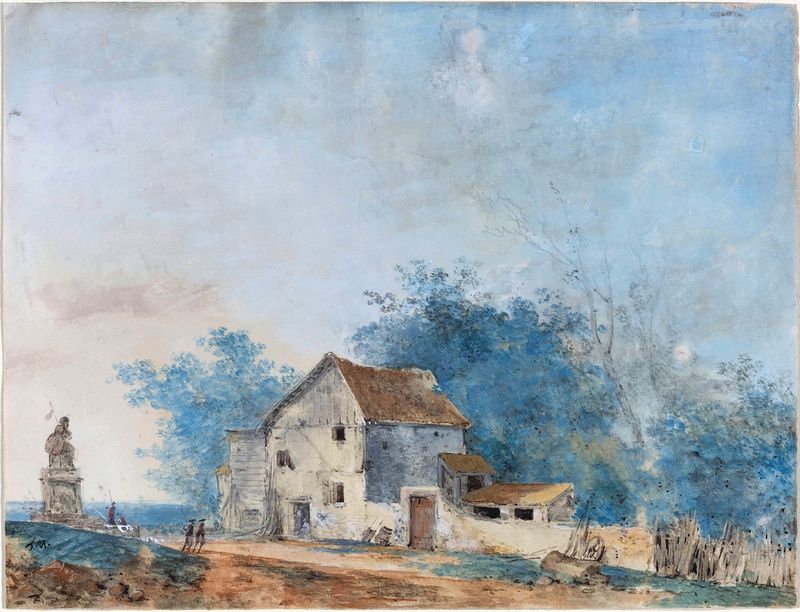
Landscape
Louis Gabriel Moreau

Italian Landscape with a Boating Party
Louis Gabriel Moreau

Landschaft mit zerfallenem Gehöft
Louis Gabriel Moreau

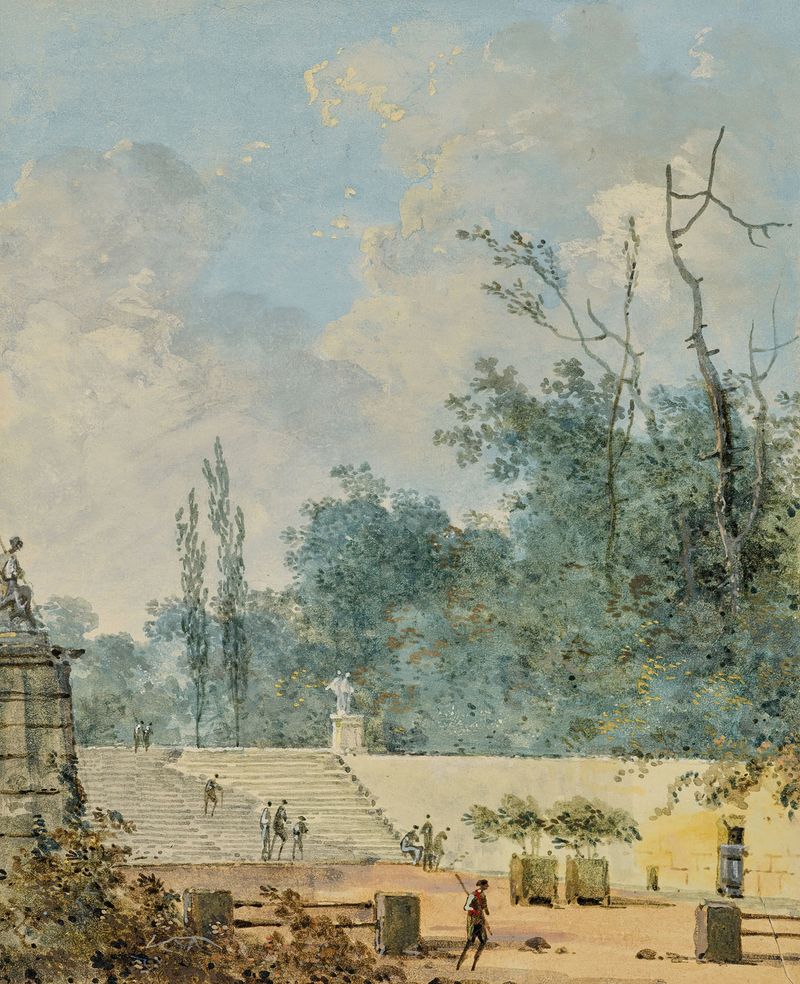
Parklandschaft mit hohen Bäumen und dem Blick auf einen Treppenanstieg im Mittelgrund
Louis Gabriel Moreau
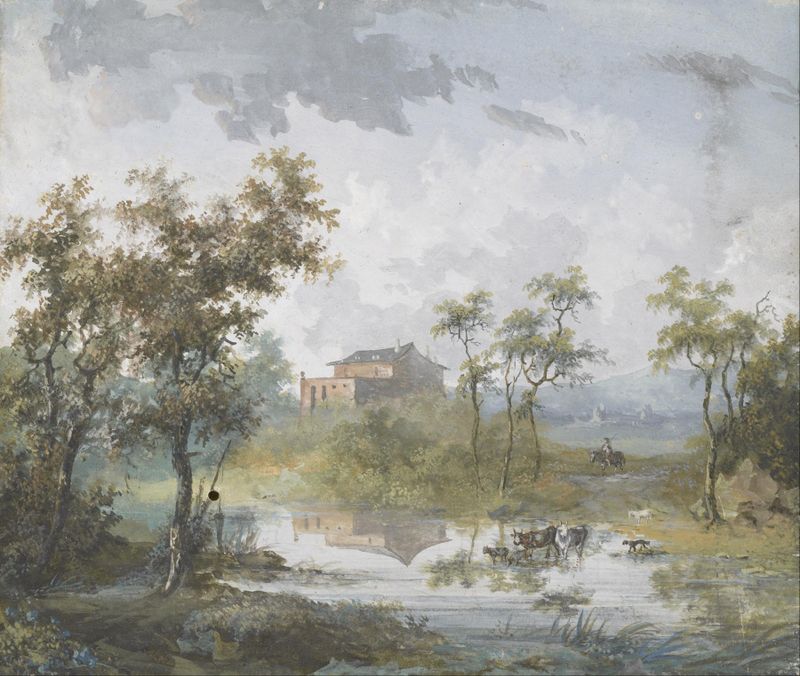
The Rustic River Ford
Louis Gabriel Moreau
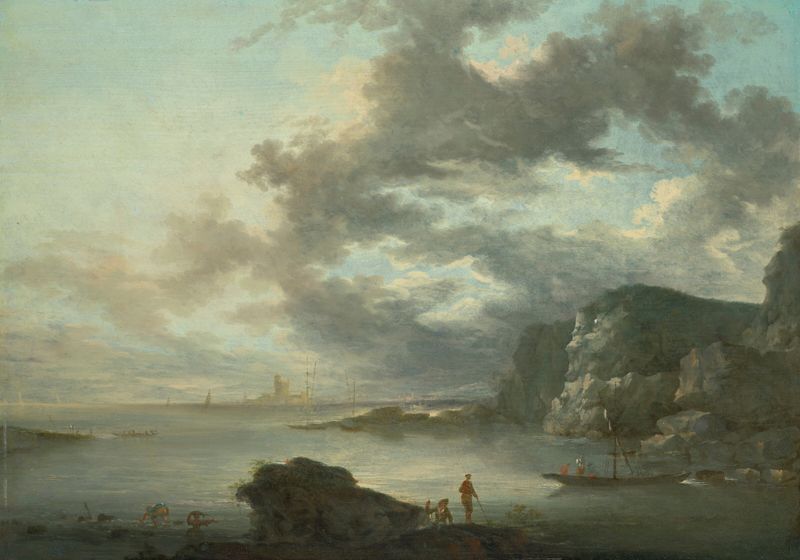
Seascape
Louis Gabriel Moreau

A river landscape with washerwomen by a mill
Louis Gabriel Moreau
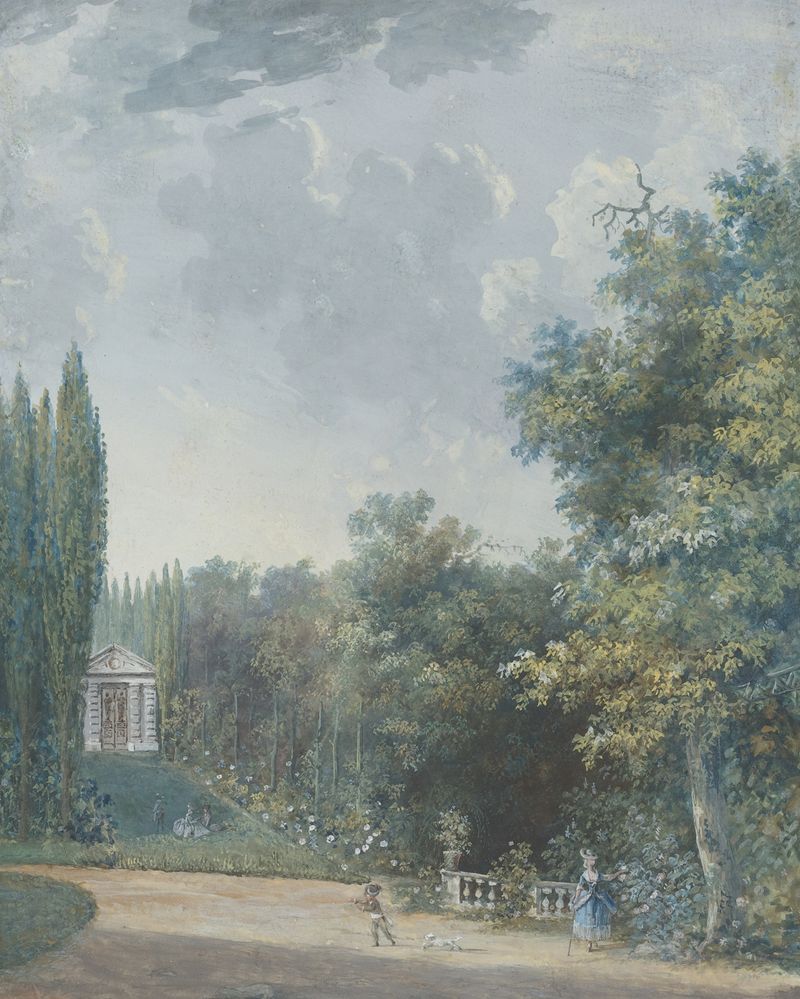
Park View
Louis Gabriel Moreau
Deux vues du parc de Saint-Cloud
Louis Gabriel Moreau

Park Landscape with Tall Trees and Stone Ramp in Mid-Field
Louis Gabriel Moreau





