
Landschap in aquarel — History & Facts
Can beauty exist without sorrow? In the delicate brushstrokes of Landschap in aquarel, the answer whispers a tender "yes," revealing a landscape where rebirth intertwines with the remnants of loss. Look to the foreground, where a soft blend of greens and earth tones invites you into a tranquil valley. The horizon dips gently, leading your gaze towards a distant line of trees, their silhouettes softened by a mist that hints at transformations still unfolding. Notice how the light dances across the surface of the water, reflecting a myriad of colors that evoke both serenity and a sense of longing.
Each stroke conveys a fleeting moment in time, capturing the essence of nature's quiet resilience. Beneath the surface, the painting suggests a deeper narrative; the interplay between light and shadow mirrors the cycles of life, hinting at the transient beauty that emerges after hardship. The blending of colors symbolizes hope and renewal, while the subtle hints of darker tones serve as a reminder of the sorrow that often accompanies beauty. This emotional tension creates a dialogue between past and present, suggesting that life’s vibrancy is often born from its struggles. In 1917, Daenens, a member of the Belgian avant-garde, painted this piece during a time when Europe was grappling with the Great War's devastating effects.
His works were imbued with a longing for peace and renewal amidst chaos, reflecting the broader artistic search for meaning in a world transformed by conflict. This artwork captures not just a landscape, but an emotional landscape of resilience and rebirth.
More Artworks by Albert Daenens
Browse all →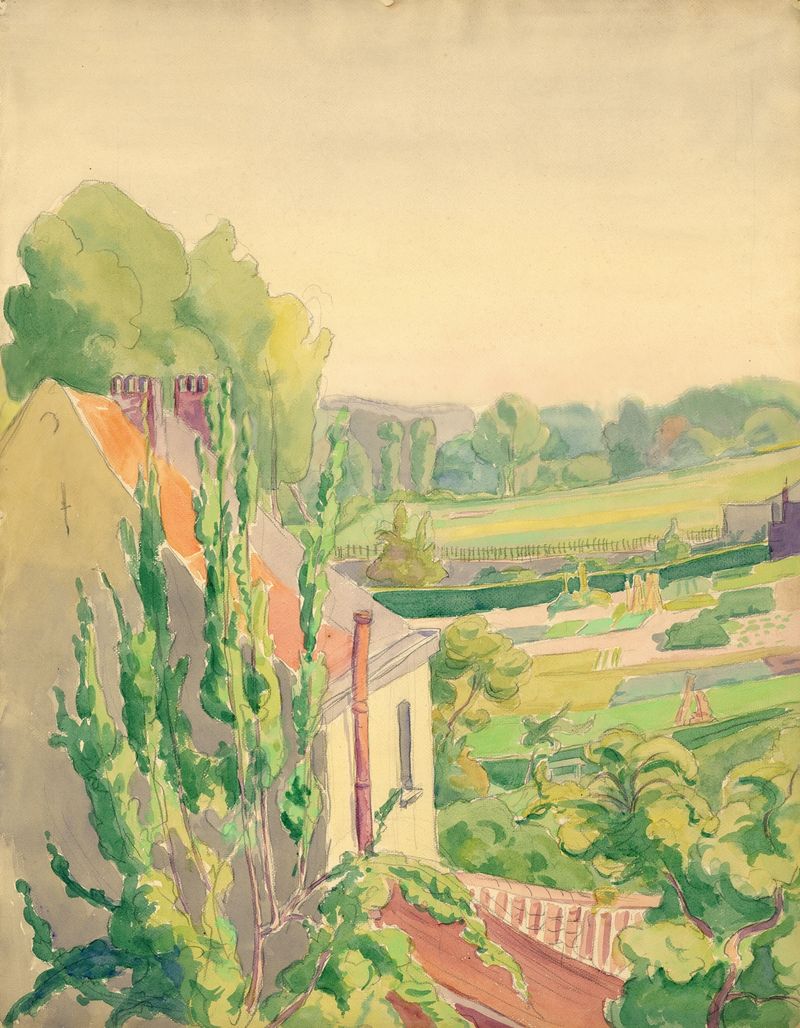
Landschap in aquarel
Albert Daenens
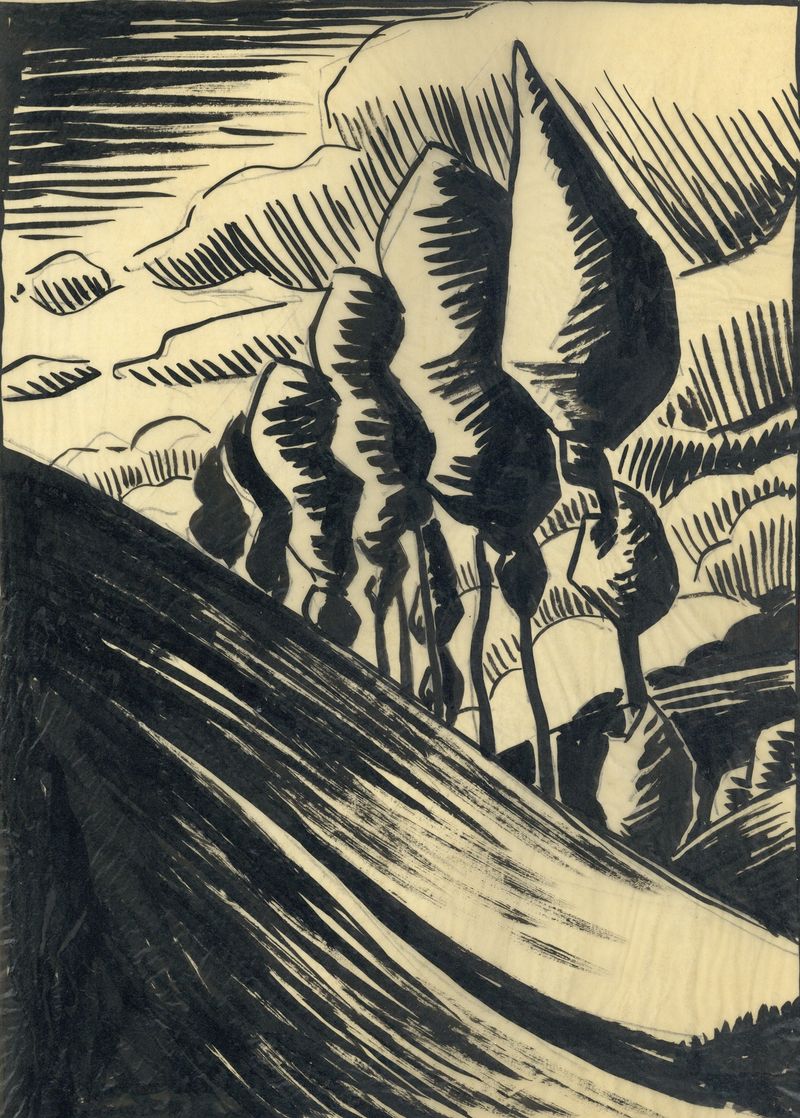
Landschap in inkt
Albert Daenens
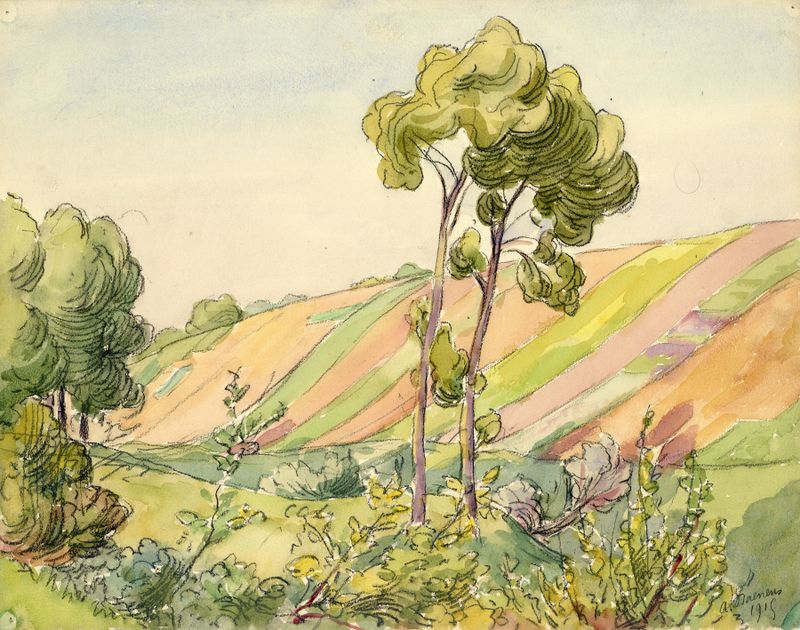
Landschap in aquarel
Albert Daenens

Landschappen Natuur
Albert Daenens
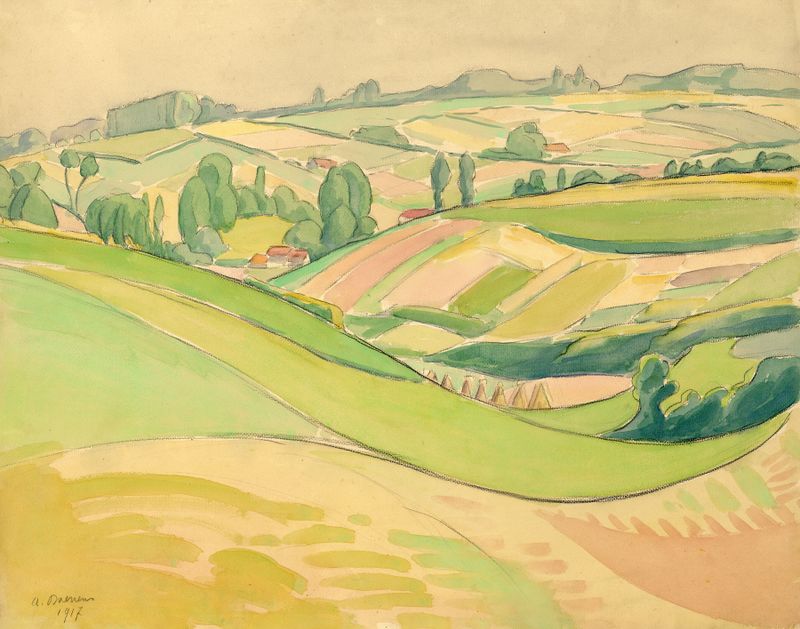
Landschap in aquarel
Albert Daenens
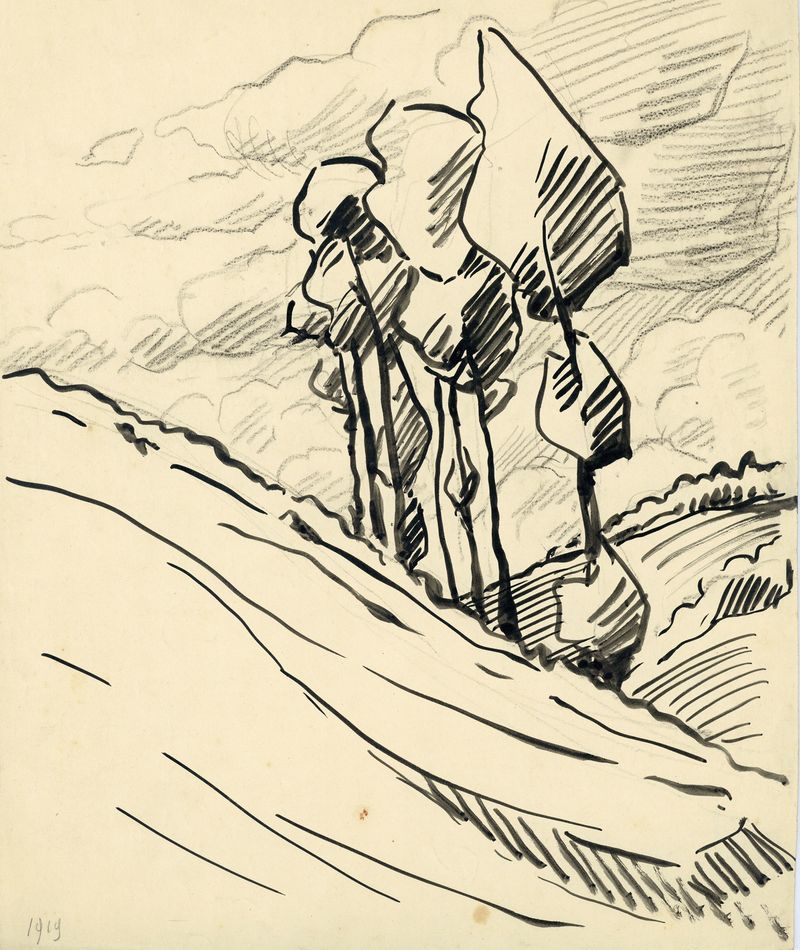
Landschap in inkt
Albert Daenens

Landschap in inkt
Albert Daenens
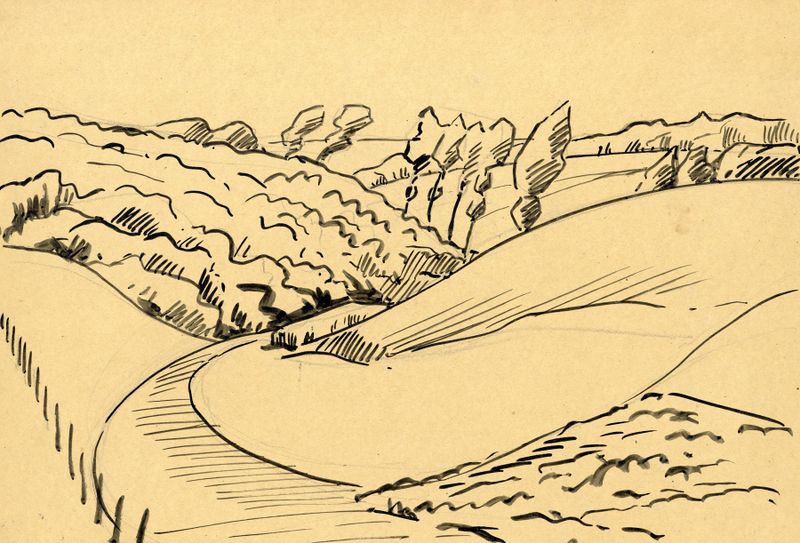
Landschap in inkt
Albert Daenens

Landschap in inkt
Albert Daenens
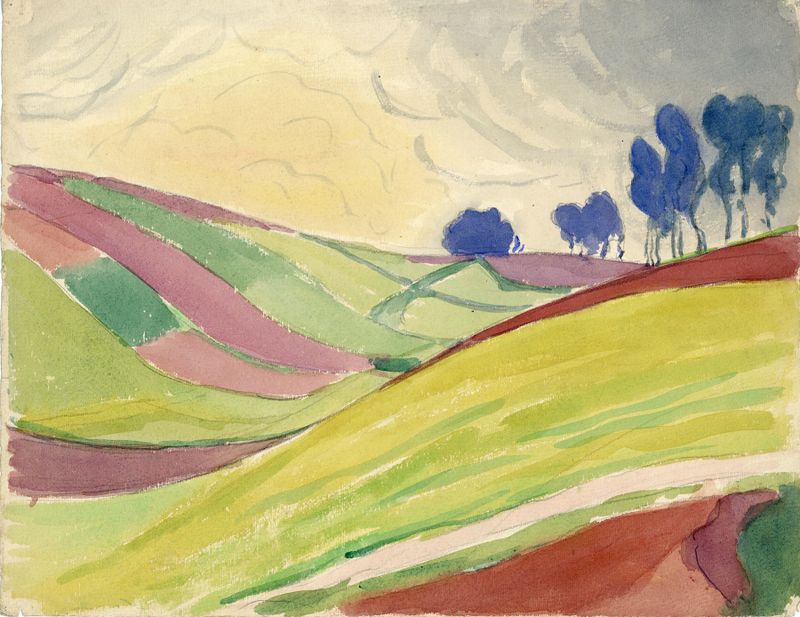
Landschap in aquarel
Albert Daenens





