
Landschap in inkt — History & Facts
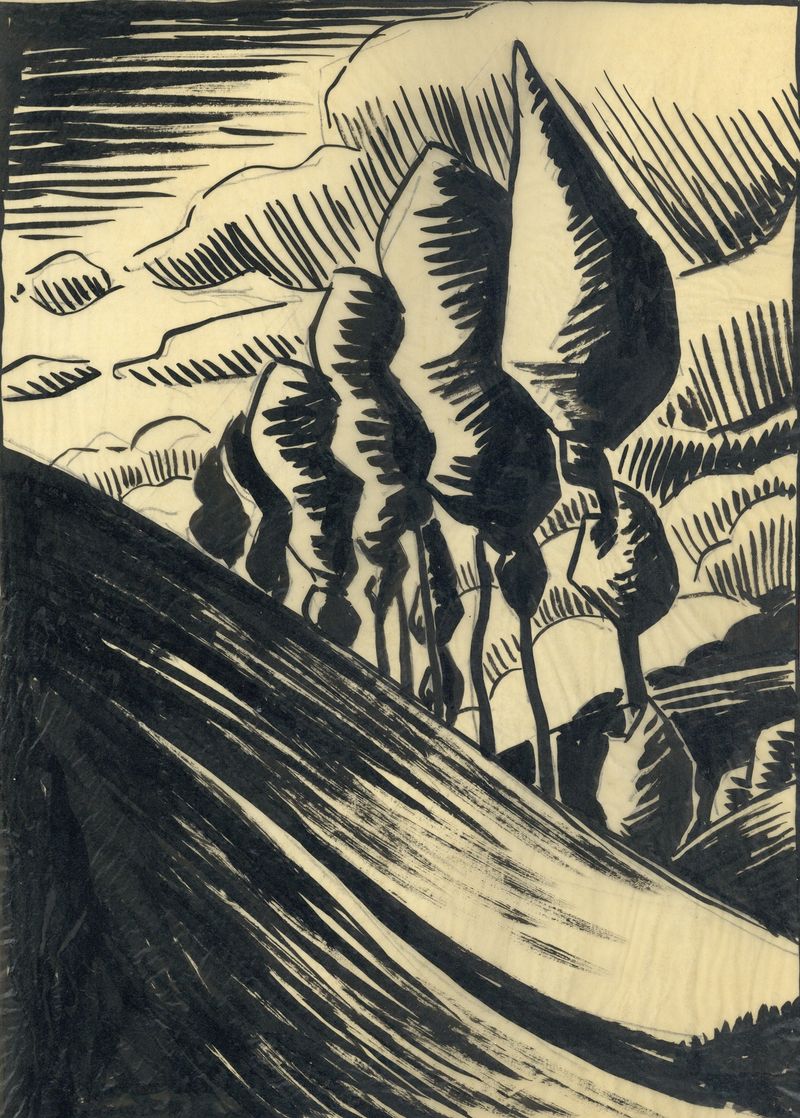
What if silence could speak through light? In Landschap in inkt, the ethereal beauty of nature whispers through shades of ink and hue, inviting us to listen closely. Look to the canvas, where deep, inky blacks intermingle with delicate washes of muted greens and browns. Notice how the horizon stretches across the painting, subtly rising and falling, guiding your gaze toward the gentle undulations of the land. The interplay of light and shadow creates a rhythm, a pulse, as if the landscape breathes softly under a shroud of tranquility. Beneath this serene façade lies a tension between chaos and peace.
The chaotic brushstrokes in the foreground evoke a sense of movement, hinting at the turbulence of the world outside the frame. Yet, the calming gradients of the sky suggest an embrace of stillness and contemplation, a sanctuary amidst the noise of life. The contrast between the dark ink and the soft light reveals the struggle for balance between nature’s untouched beauty and the encroaching modernity of the early 20th century. Created in 1919, Landschap in inkt was painted in the aftermath of World War I, during a period of reflection and change in Europe.
Daenens, working in Belgium, sought to capture the profound sense of loss and renewal that permeated the landscape and psyche of his homeland. This painting stands as a testament to his exploration of identity and beauty within an evolving world, marking a pivotal moment in his artistic journey.
More Artworks by Albert Daenens
Browse all →
Landschap in aquarel
Albert Daenens
Landschap in inkt
Albert Daenens
Landschap in aquarel
Albert Daenens
Landschap in aquarel
Albert Daenens

Landschappen Natuur
Albert Daenens
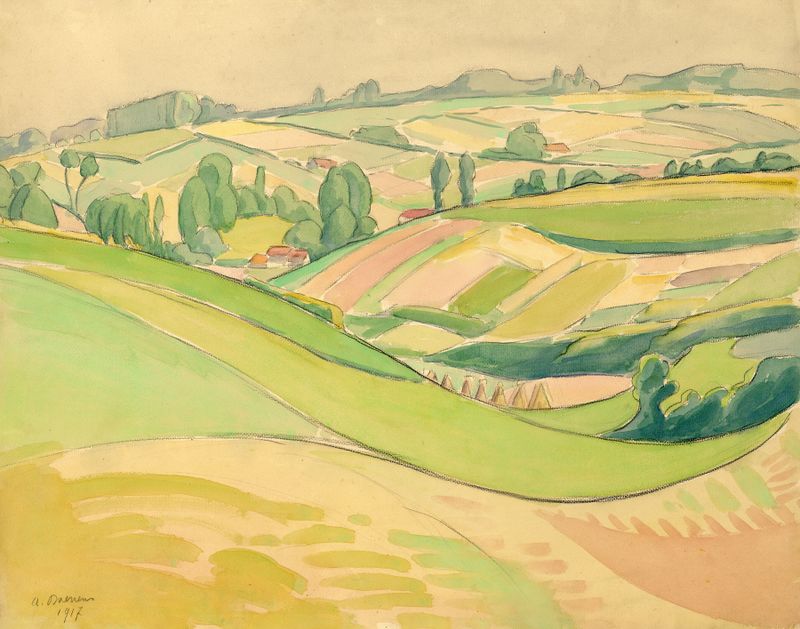
Landschap in aquarel
Albert Daenens
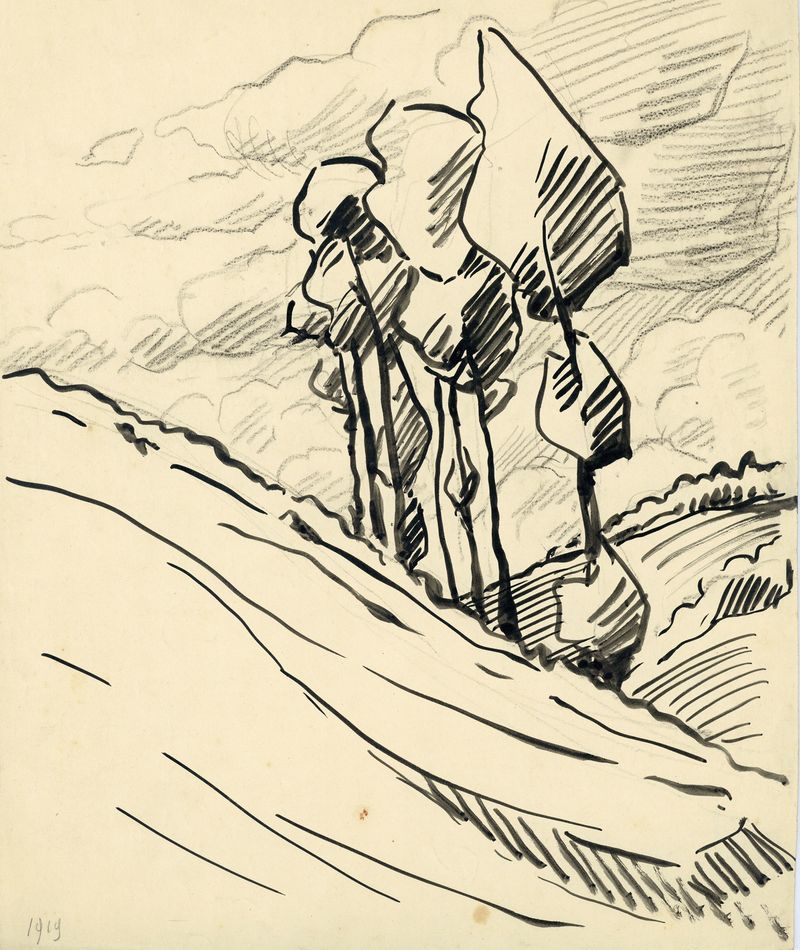
Landschap in inkt
Albert Daenens

Landschap in inkt
Albert Daenens

Landschap in inkt
Albert Daenens
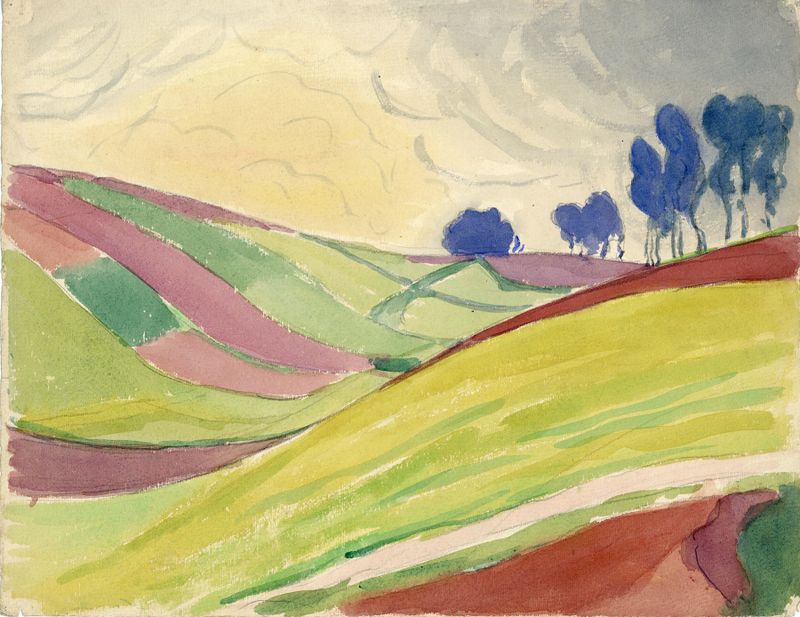
Landschap in aquarel
Albert Daenens





