
Landschap in aquarel — History & Facts
In the quiet embrace of nature, the landscapes we inhabit often conceal the violence of history beneath their serene facades. Look to the soft undulations of the hills, where delicate hues of greens and browns merge effortlessly. The artist's technique, employing gentle washes of watercolor, allows the colors to blend and bleed into one another, creating an ephemeral quality that feels alive. Notice how the light dapples through the foliage, casting shadows that hint at unseen turmoil lurking just outside the frame — a reminder that this tranquility is not without its past. Beneath the tranquil surface, the juxtaposition of lush vegetation against the starkness of the intertwining branches speaks to a struggle for life amidst the remnants of conflict.
The subtle tensions in the color palette reflect a world caught between beauty and despair, where every stroke evokes a memory of violence just below the surface. Through this juxtaposition, the work invites contemplation on the fragility of peace in a world marked by chaos. Created in 1916 amidst the ravages of World War I, this piece represents a transitional moment for Daenens. Living in Belgium during a time of great upheaval, he channeled the surrounding turmoil into his art, seeking solace in the landscapes that often stood as silent witnesses to the violence transpiring around him.
This work embodies not only the natural beauty of his homeland but also the complexities of a life shaped by conflict and resilience.
More Artworks by Albert Daenens
Browse all →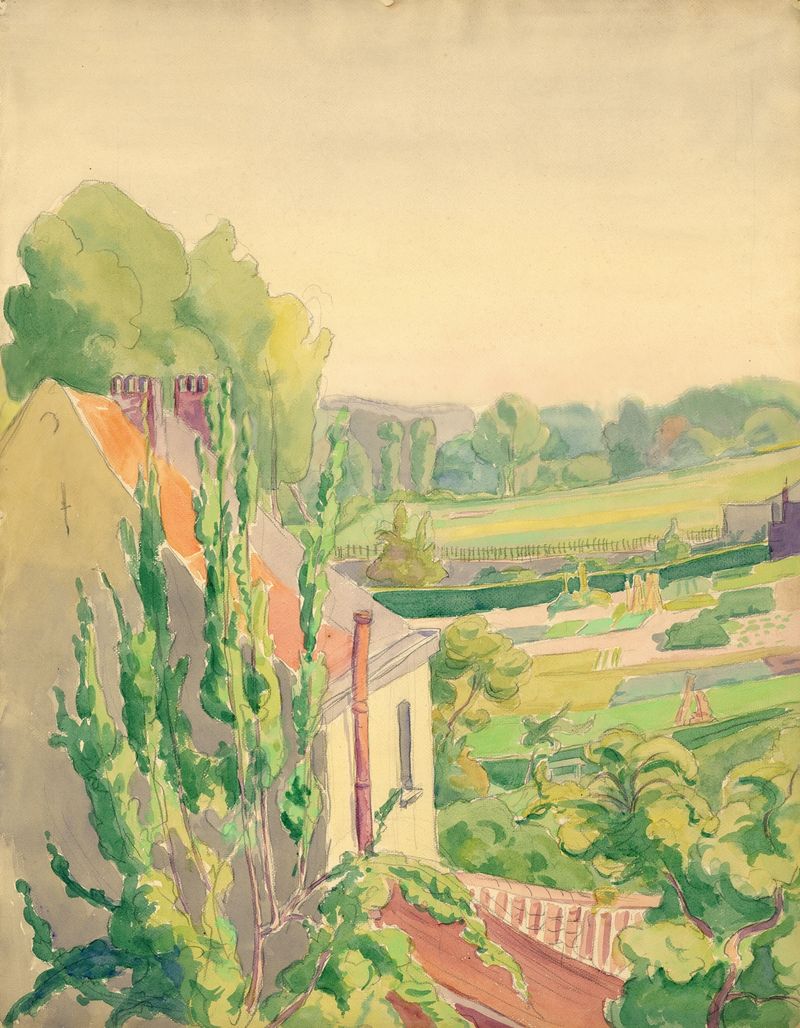
Landschap in aquarel
Albert Daenens
Landschap in inkt
Albert Daenens
Landschap in aquarel
Albert Daenens

Landschappen Natuur
Albert Daenens
Landschap in aquarel
Albert Daenens
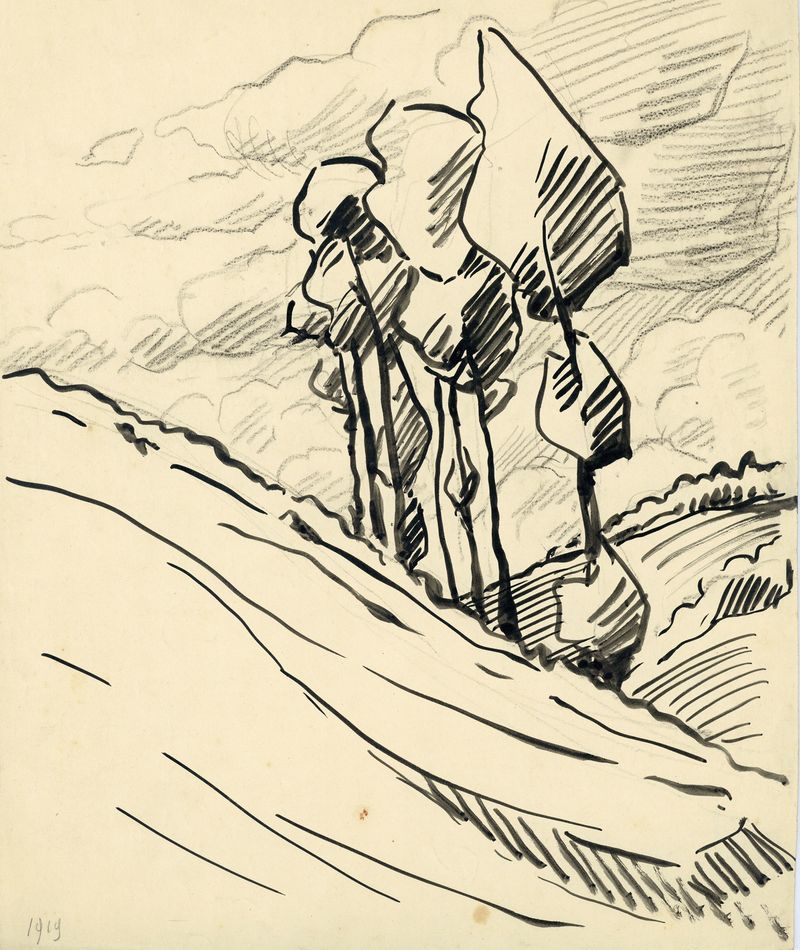
Landschap in inkt
Albert Daenens

Landschap in inkt
Albert Daenens
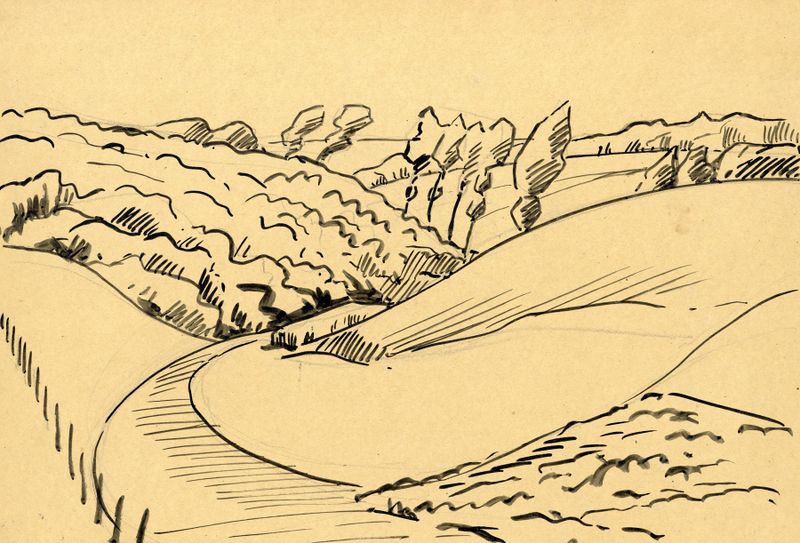
Landschap in inkt
Albert Daenens

Landschap in inkt
Albert Daenens
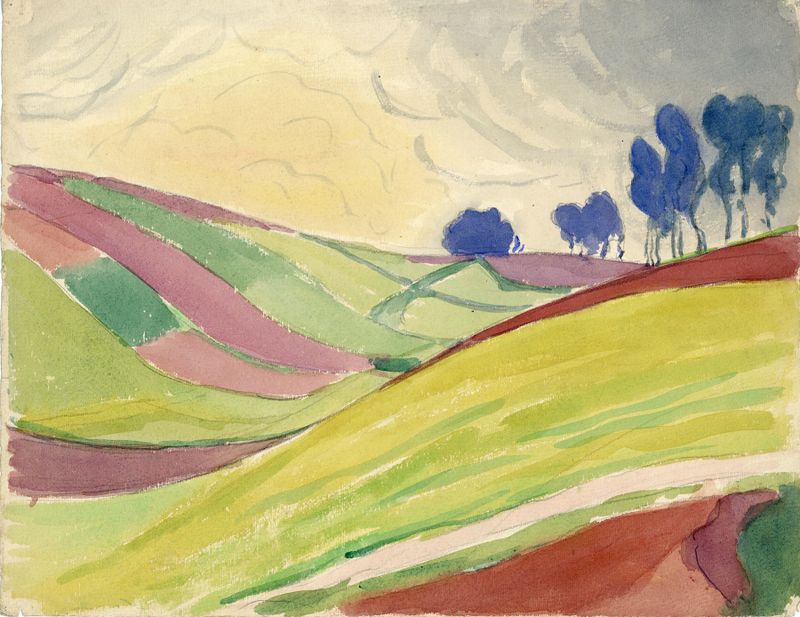
Landschap in aquarel
Albert Daenens





