
Landschap met een sloot waar twee jongens vissen — History & Facts
When did color learn to lie? In the delicate interplay of hues, something transcendent emerges, inviting us to ponder the essence of reality versus illusion. Look to the foreground at the two boys, their figures framed by the lush greenery that envelops them. The gentle ripples of the water reflect both their innocence and the dappled light filtering through the trees above. Notice how Weissenbruch’s use of vibrant greens and soft blues creates a sanctuary, each brushstroke layered with intention, as if the landscape breathes with a quiet life of its own. Yet beneath this idyllic surface lies a tension between the natural world and fleeting childhood.
The boys, absorbed in their fishing, embody a moment suspended in time, juxtaposed against the expansive horizon that suggests both freedom and the inevitable passage of time. The warm earth tones of the bank contrast sharply with the coolness of the water, hinting at the bittersweet nature of youth—playful yet transient, a glimpse of paradise tinged with the awareness of impermanence. Created in the late 19th century, this piece reflects Weissenbruch's commitment to capturing the Dutch landscape's charm during a time when realism was gaining prominence. Painting amidst an era of artistic transition, he sought to blend realism with a sense of romanticism, as burgeoning industrialization began to transform the world around him.
This work not only embodies his personal vision but also resonates with the collective consciousness of an era grappling with change.
More Artworks by Johan Hendrik Weissenbruch
Browse all →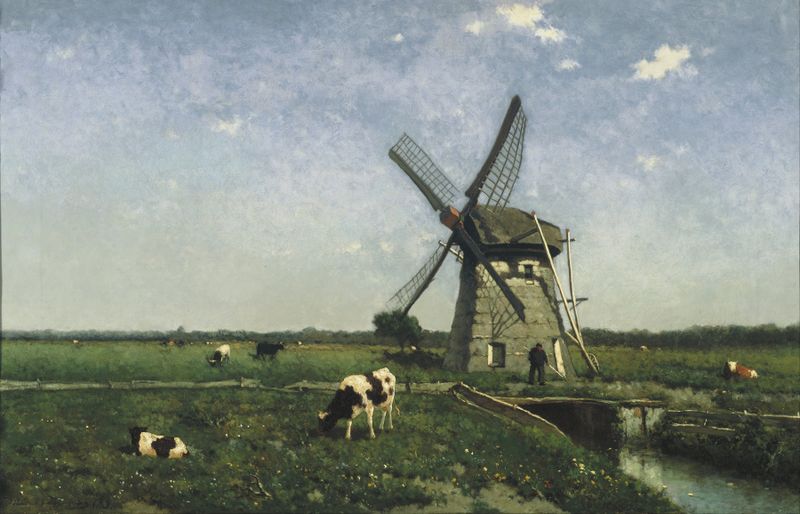
Landscape with Windmill near Schiedam
Johan Hendrik Weissenbruch
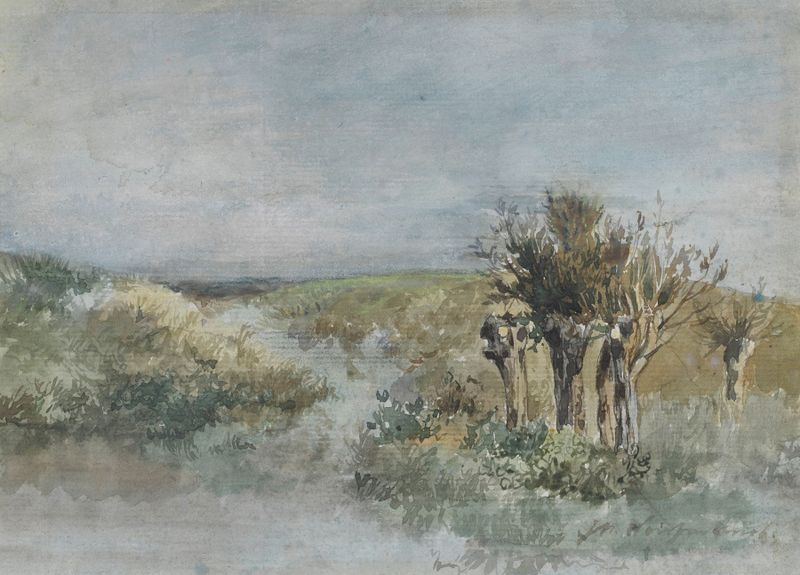
Landschap met knotwilgen langs een sloot
Johan Hendrik Weissenbruch
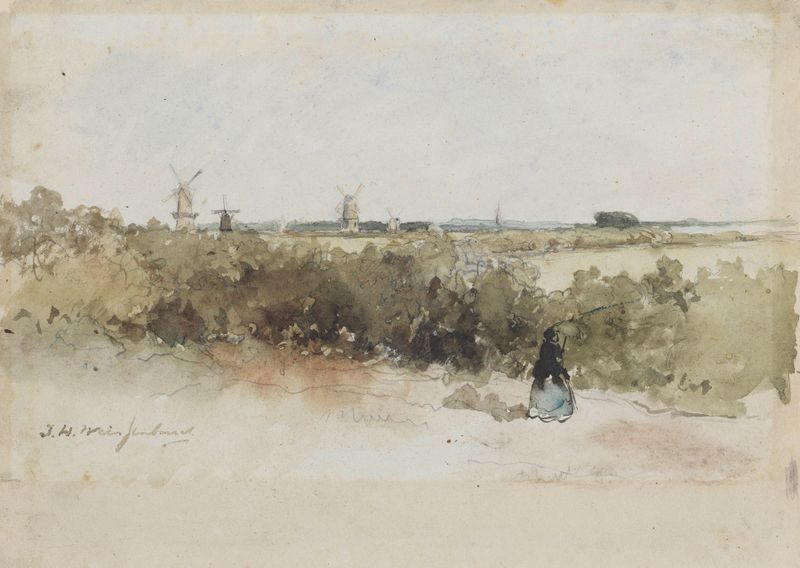
Landschap met windmolens
Johan Hendrik Weissenbruch
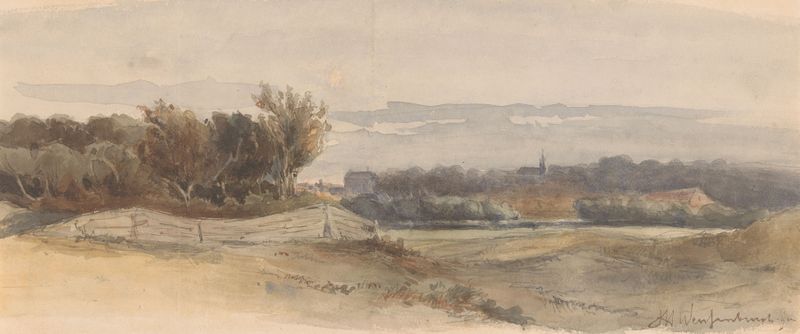
Panoramisch landschap
Johan Hendrik Weissenbruch
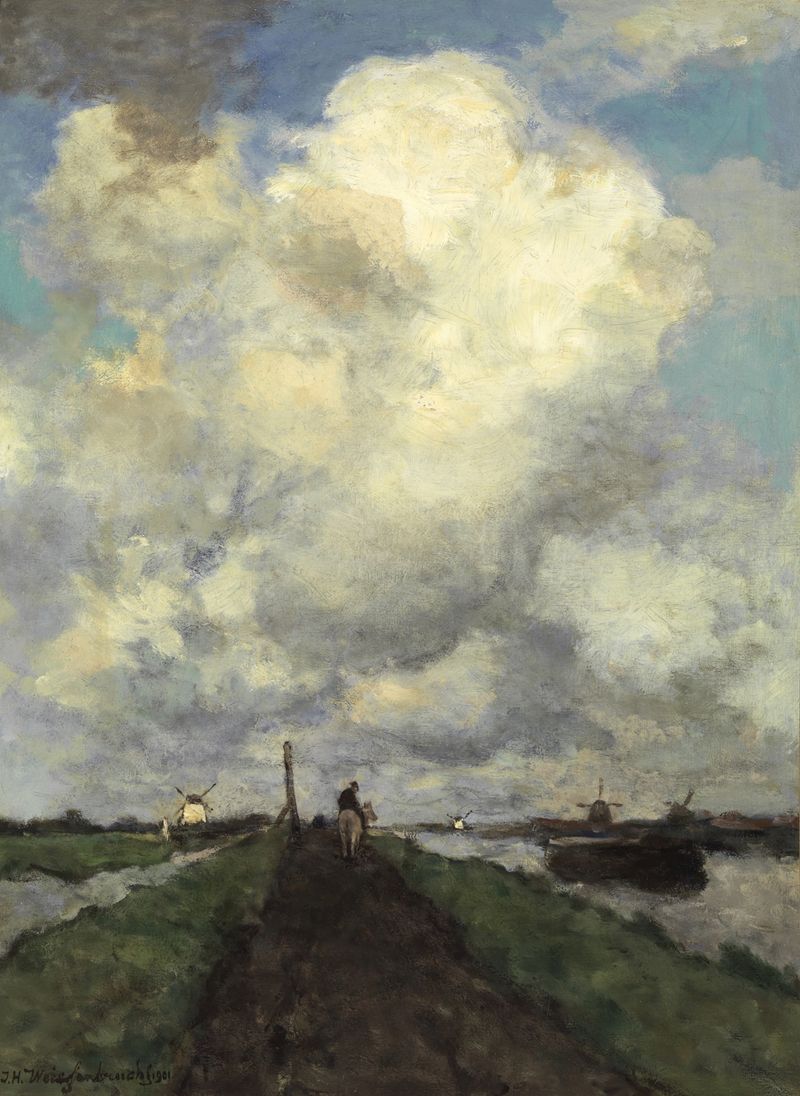
De witte wolk
Johan Hendrik Weissenbruch
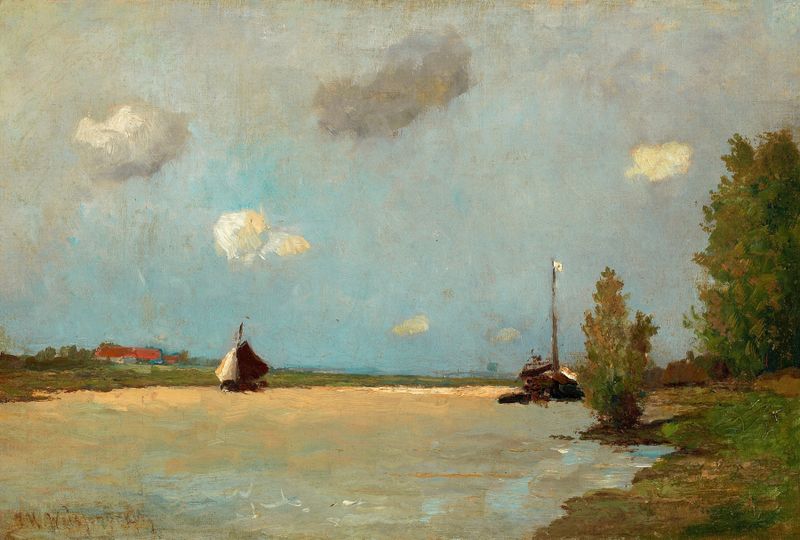
Dutch Landscape with Boats
Johan Hendrik Weissenbruch
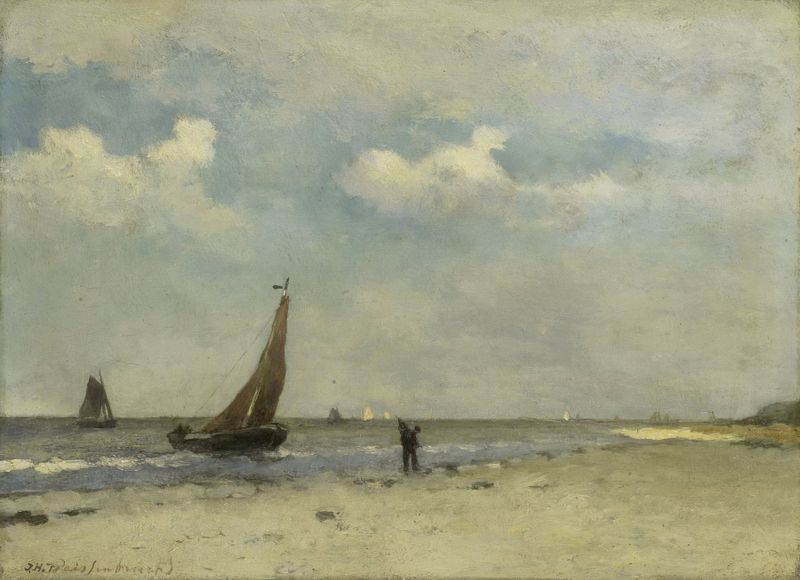
Beach Scene
Johan Hendrik Weissenbruch
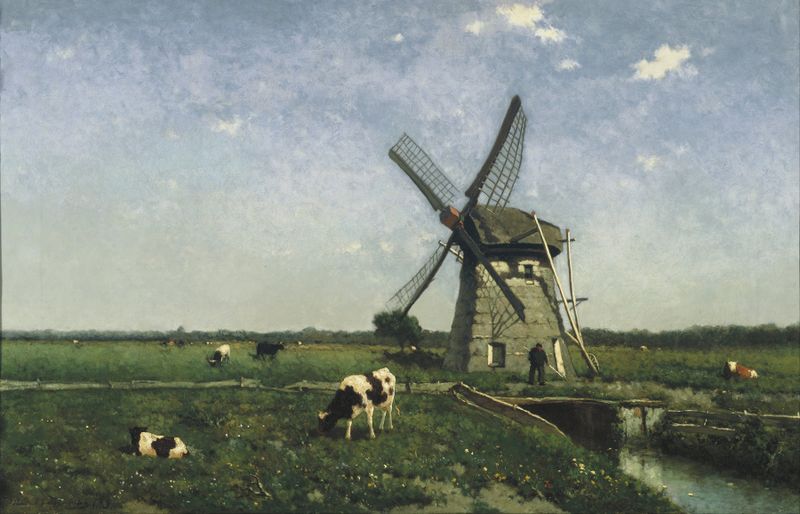
Landscape with Windmill near Schiedam
Johan Hendrik Weissenbruch
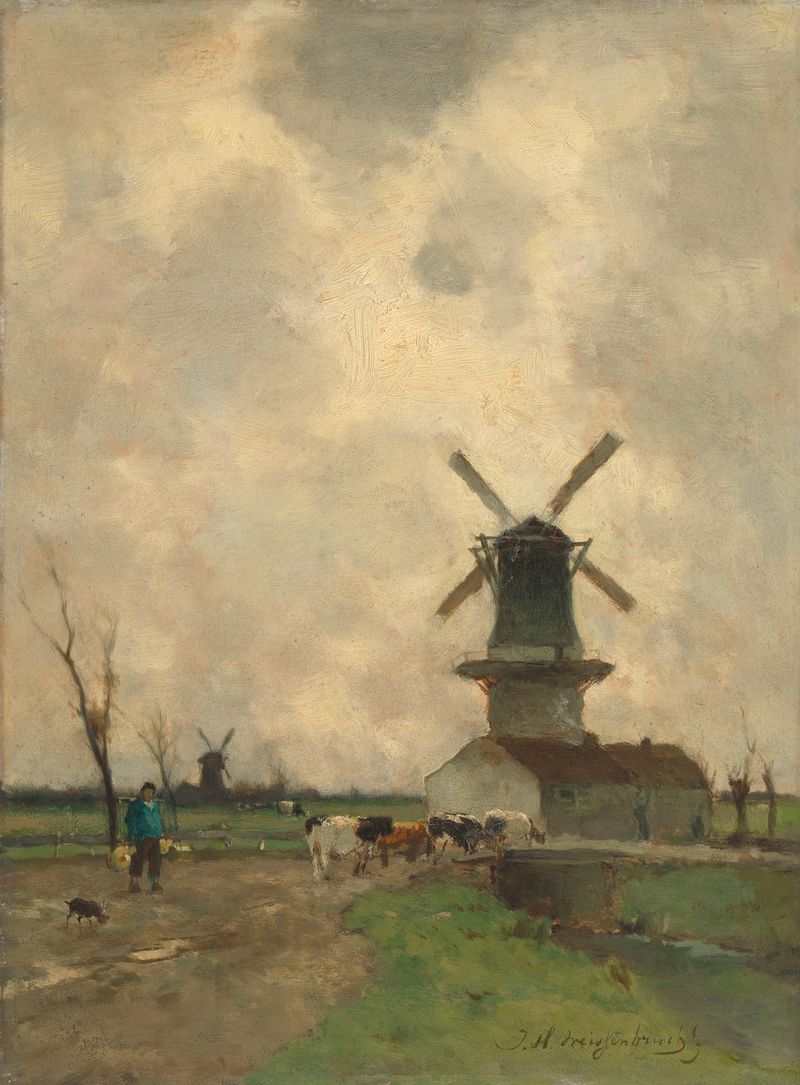
The Mill
Johan Hendrik Weissenbruch
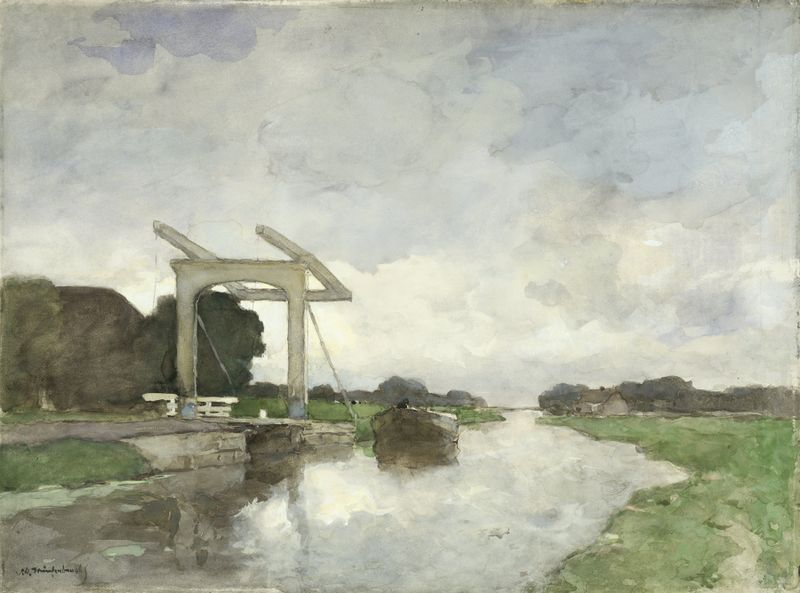
Drawbridge at Noorden
Johan Hendrik Weissenbruch





