
Landschap met twee herders met vee — History & Facts
Could a single brushstroke hold eternity? In Landschap met twee herders met vee, the delicate interplay of light and shadow evokes a sense of timelessness, inviting viewers to lose themselves in the beauty of a pastoral scene. Look to the left at the two herders, their figures gently outlined against the warm hues of the setting sun. The soft greens and browns of the landscape wrap around them, while the shimmering water reflects both the sky and the gentle movements of the cattle nearby. Notice how the strokes blend seamlessly, creating a harmonious balance between the organic shapes of nature and the structured forms of human presence.
Each brushstroke seems to whisper secrets of the land, guiding your gaze across the canvas. Yet, beyond its serene surface, this work encapsulates the tension between civilization and the wilderness. The herders, guardians of their grazing flock, embody a fragile connection to the earth, while the vastness of the landscape suggests both freedom and isolation. The gentle ripples in the water resonate with the stillness of the moment, evoking a quiet reflection on the passage of time and the dualities of existence. In 1797, van Os painted this piece during a period of significant change in the art world, as Romanticism began to take root in Europe.
Living in the Netherlands, he found inspiration in the lush landscapes of his homeland, which contrasted sharply with the political upheaval surrounding him. This artwork emerged from a time when artists sought to capture the innate beauty of nature, reflecting a deep yearning for tranquility amidst chaos.
More Artworks by Pieter Gerardus van Os
Browse all →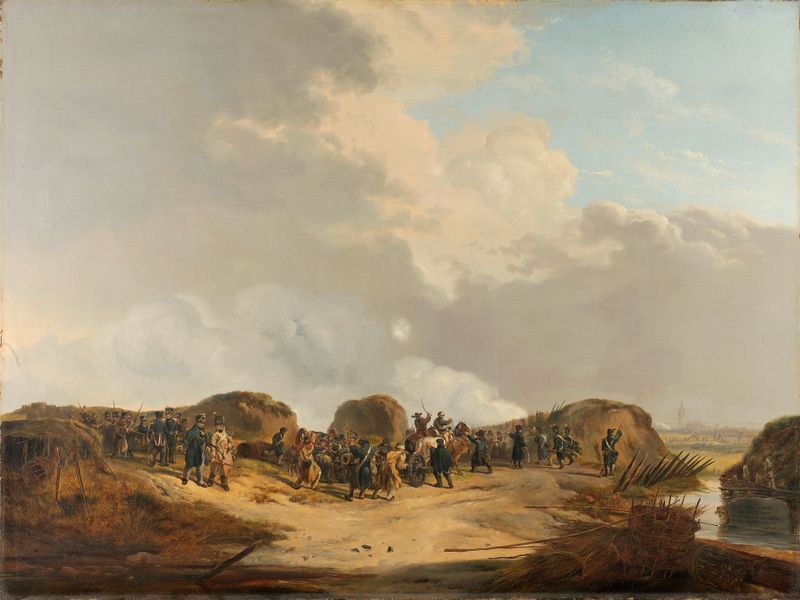
The Demilune constructed at the Siege of Naarden, April 1814
Pieter Gerardus van Os
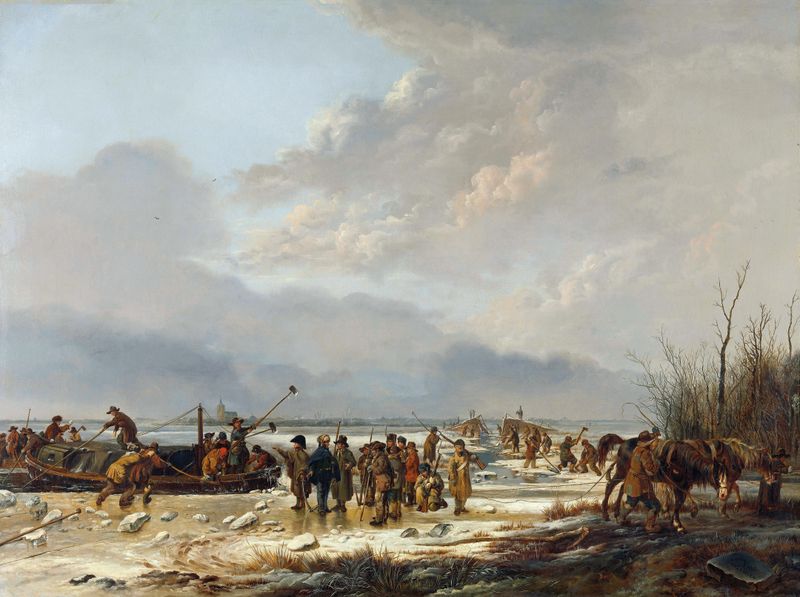
Breaking the Ice on the Karnemelksloot, Naarden, January 1814
Pieter Gerardus van Os
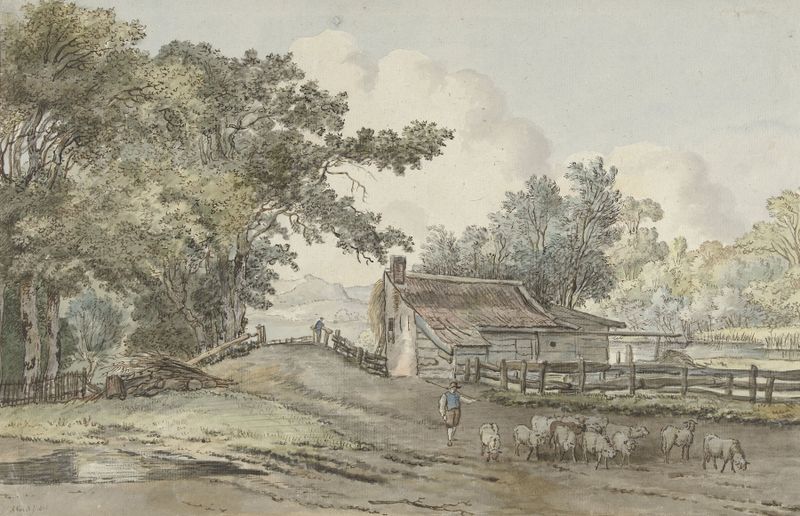
Elswoutshoek te Overveen
Pieter Gerardus van Os
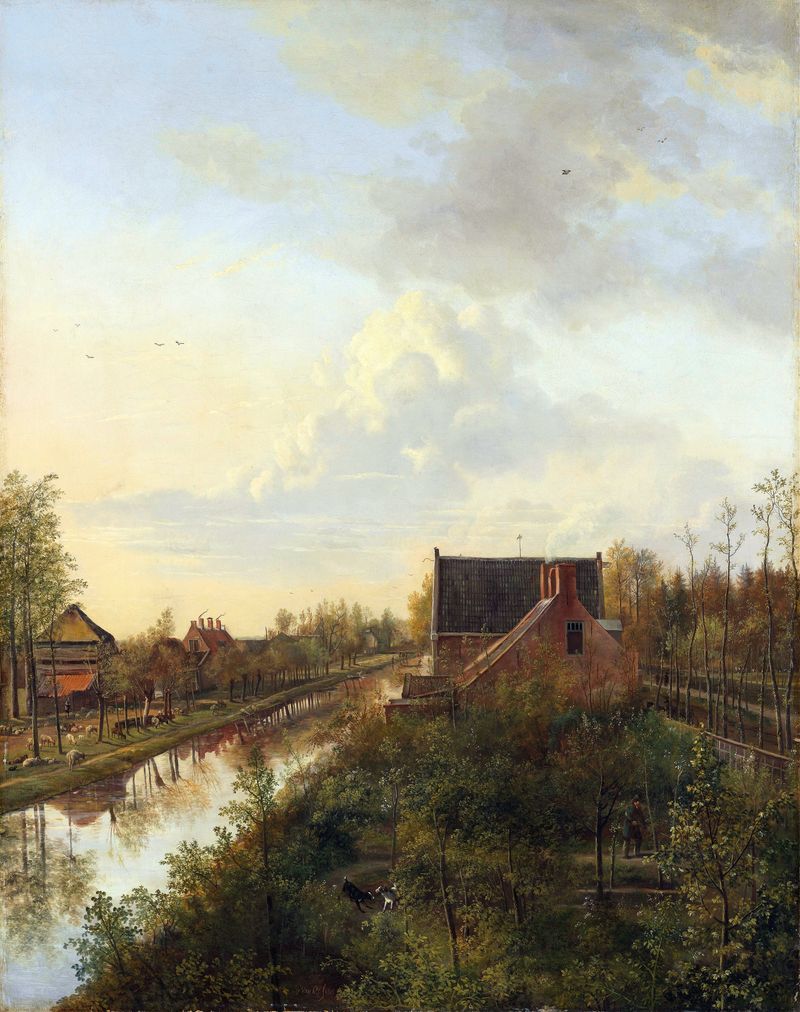
The Canal at ’s-Graveland
Pieter Gerardus van Os
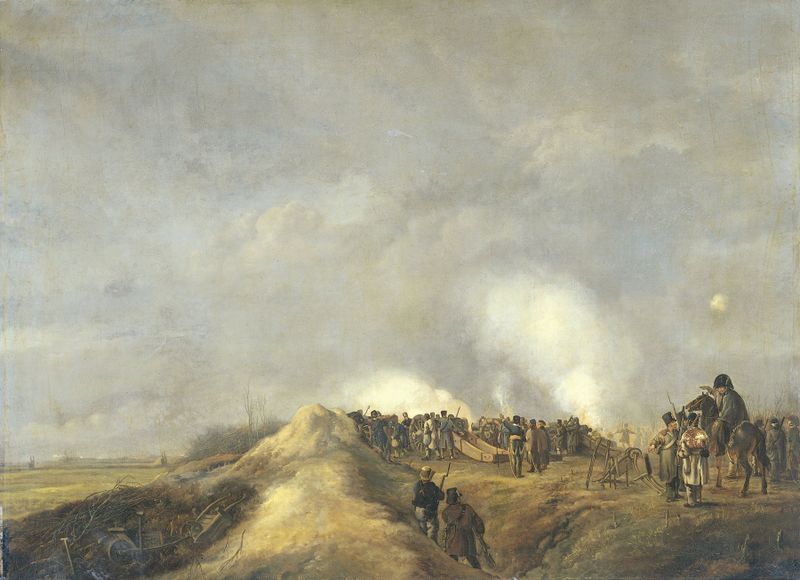
The Bombardment of Naarden, April 1814
Pieter Gerardus van Os
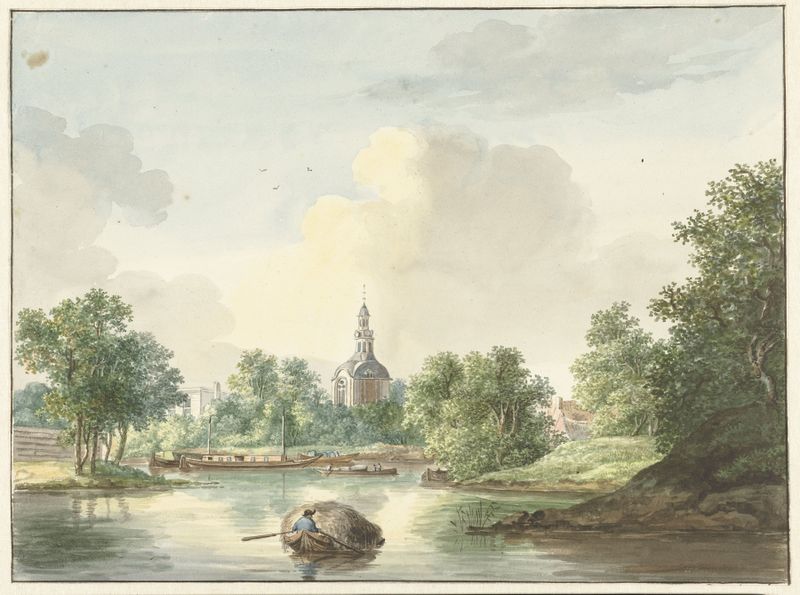
De Hogerwoerdse Poort te Leiden vanaf de Singel gezien
Pieter Gerardus van Os
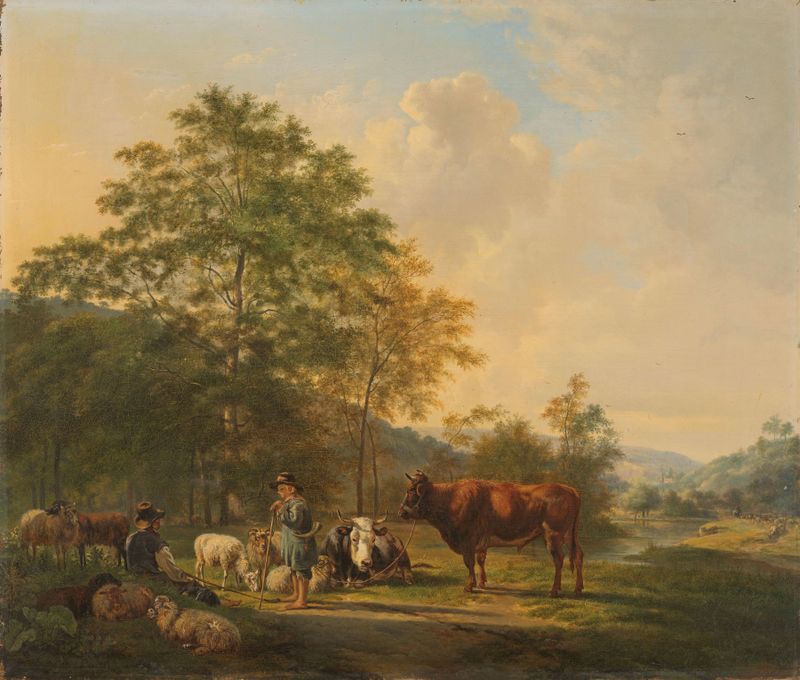
Hilly Landscape with Shepherd, Drover and Cattle
Pieter Gerardus van Os
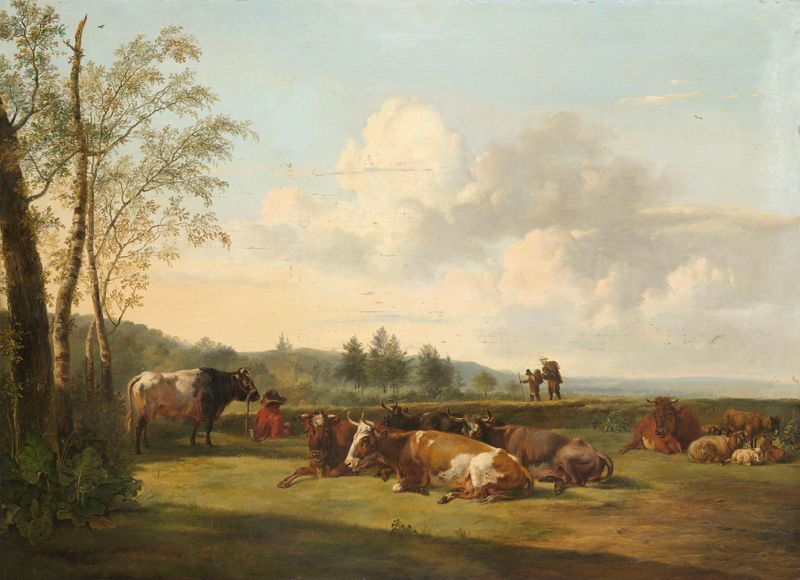
Landscape with Cattle
Pieter Gerardus van Os
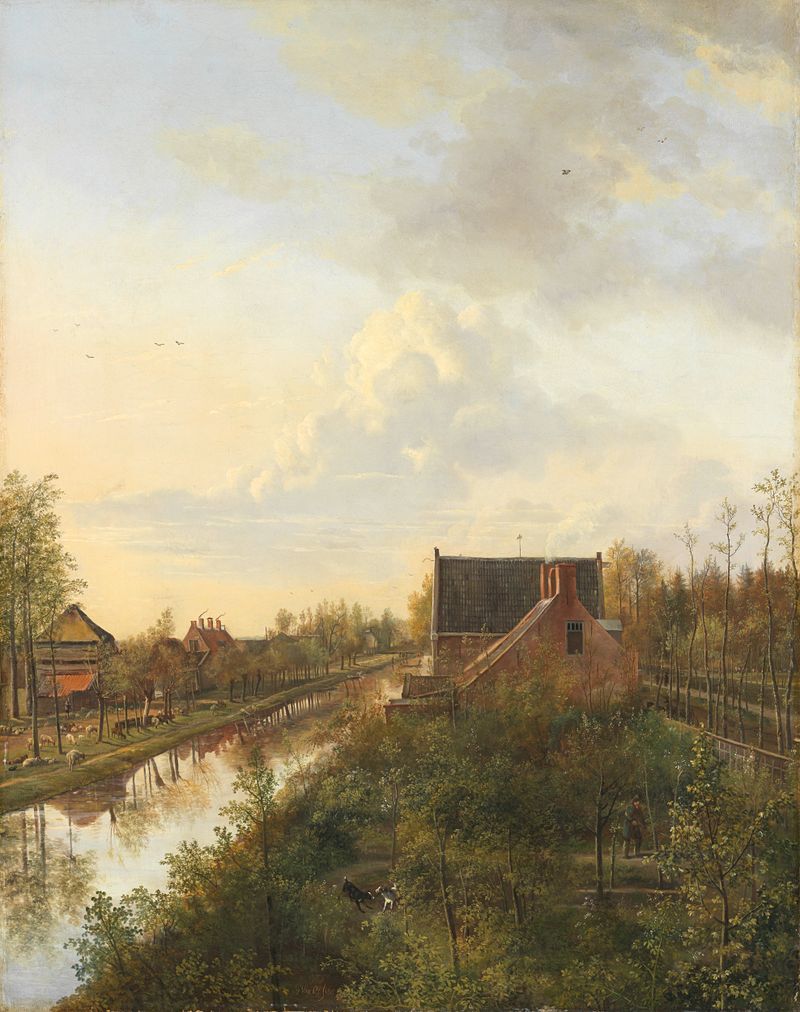
The Canal at ’s-Graveland
Pieter Gerardus van Os
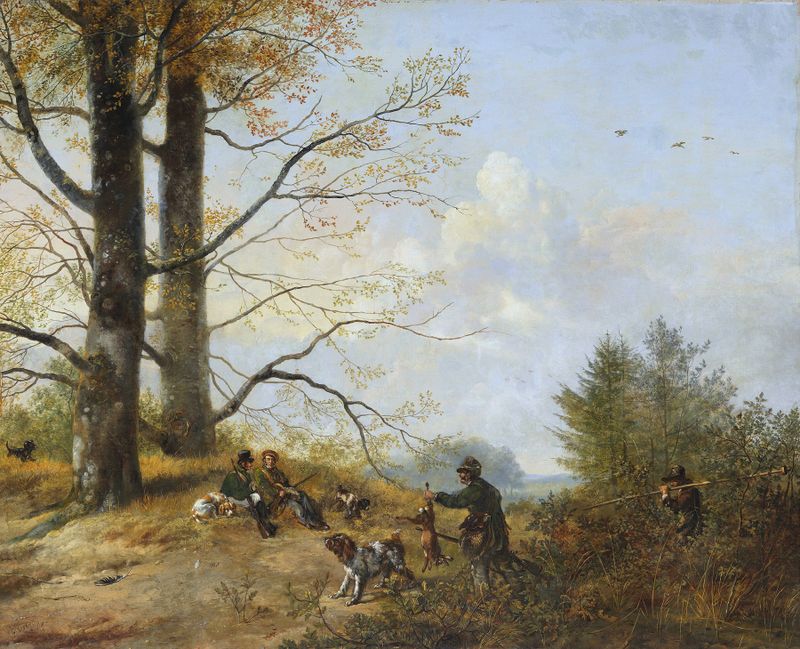
Rast nach der Jagd
Pieter Gerardus van Os





