
The Demilune constructed at the Siege of Naarden, April 1814 — History & Facts
Where does light end, and longing begin? In The Demilune constructed at the Siege of Naarden, a quiet melancholy envelops the canvas, inviting introspection amidst the historical tumult. Look to the left at the crumbling stone structure, a demilune rising from the earth like a reluctant memory. The somber hues of gray and brown, punctuated by muted greens, conjure a landscape caught between defeat and resilience. Notice how the low, diffused light bathes the scene, casting long shadows that stretch over the remnants of war, creating a palpable sense of time standing still.
The brushwork, both precise and free, reflects the emotional weight of a place haunted by its own history. In this artwork, the contrast between the sturdy architecture and the delicate flora hints at life's persistence amidst destruction. The solitary figure standing near the fortification evokes a sense of isolation, perfectly encapsulating the lingering effects of conflict on the human spirit. Each stroke seems to whisper stories of loss, while the soft light becomes a metaphor for fleeting hope, skillfully intertwining the notions of presence and absence. Created between 1814 and 1815, the artist worked during a period marked by the aftermath of the Napoleonic Wars.
As Europe grappled with reconstruction and reflection, van Os found himself in an evolving art scene that sought to capture both the beauty and the scars left by conflict. This painting represents not just a specific historical moment but also a broader commentary on resilience, inviting viewers to ponder both the past and their own inner landscapes.
More Artworks by Pieter Gerardus van Os
Browse all →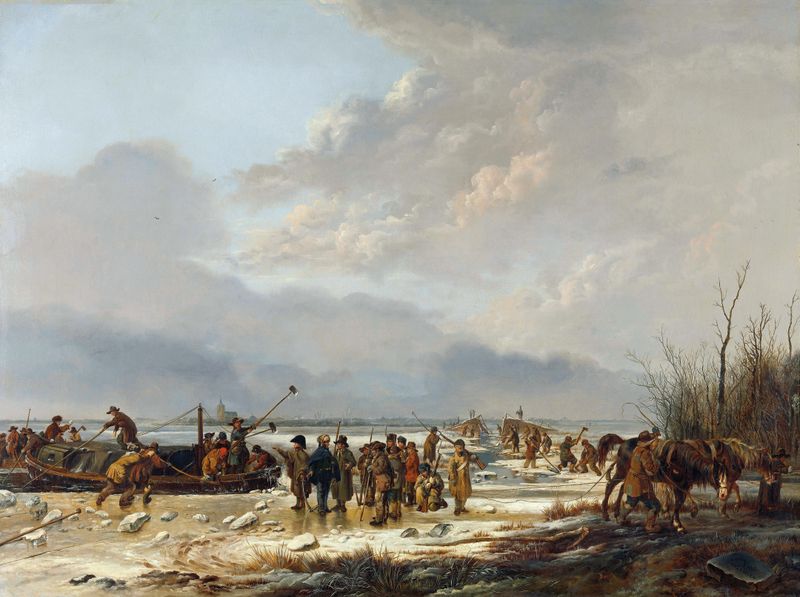
Breaking the Ice on the Karnemelksloot, Naarden, January 1814
Pieter Gerardus van Os
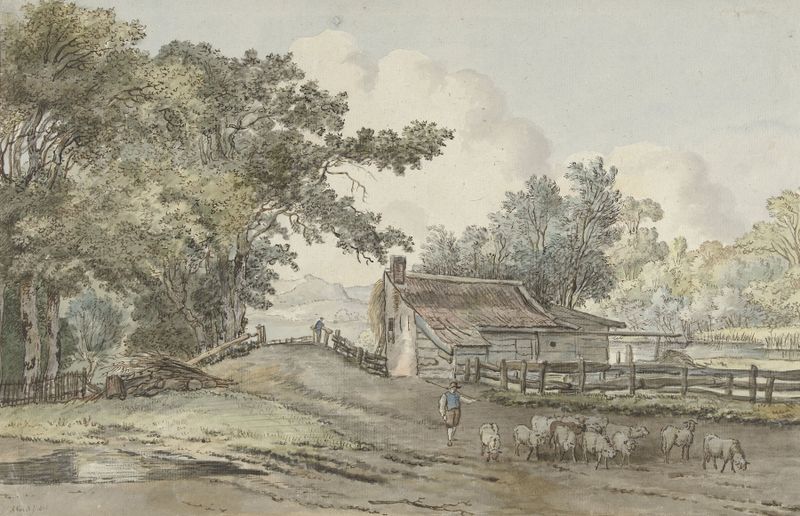
Elswoutshoek te Overveen
Pieter Gerardus van Os
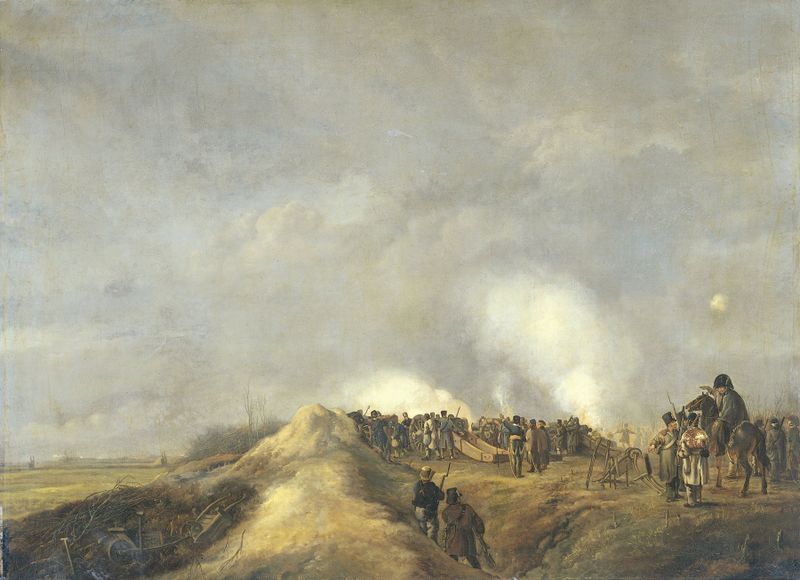
The Bombardment of Naarden, April 1814
Pieter Gerardus van Os
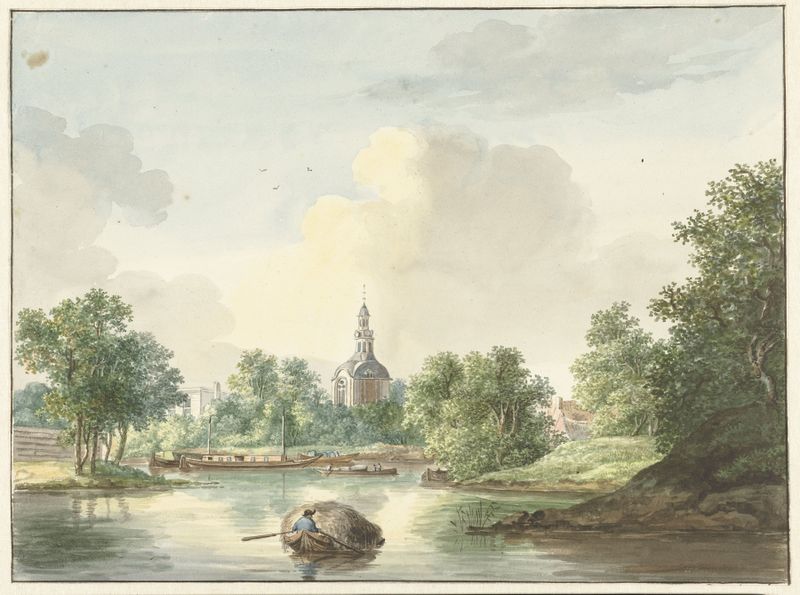
De Hogerwoerdse Poort te Leiden vanaf de Singel gezien
Pieter Gerardus van Os
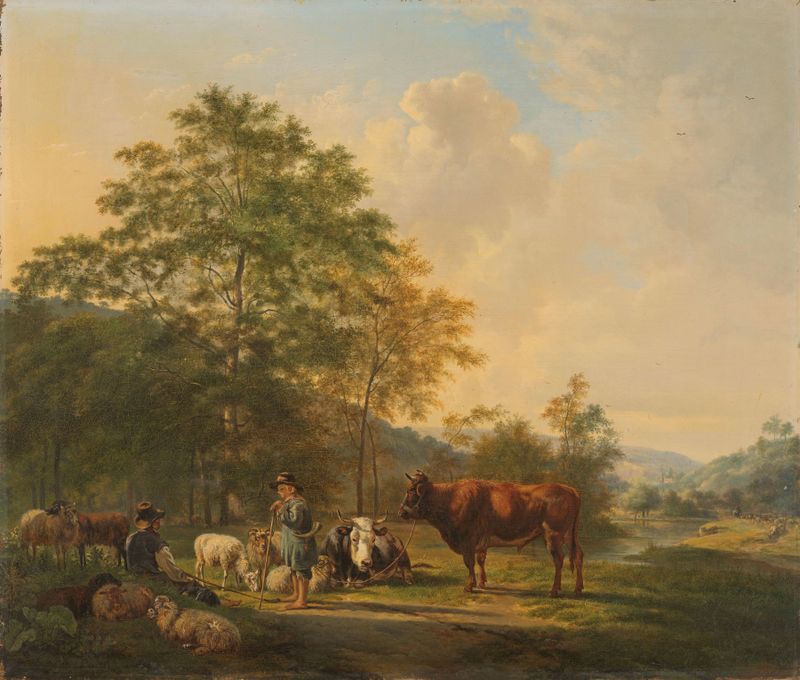
Hilly Landscape with Shepherd, Drover and Cattle
Pieter Gerardus van Os
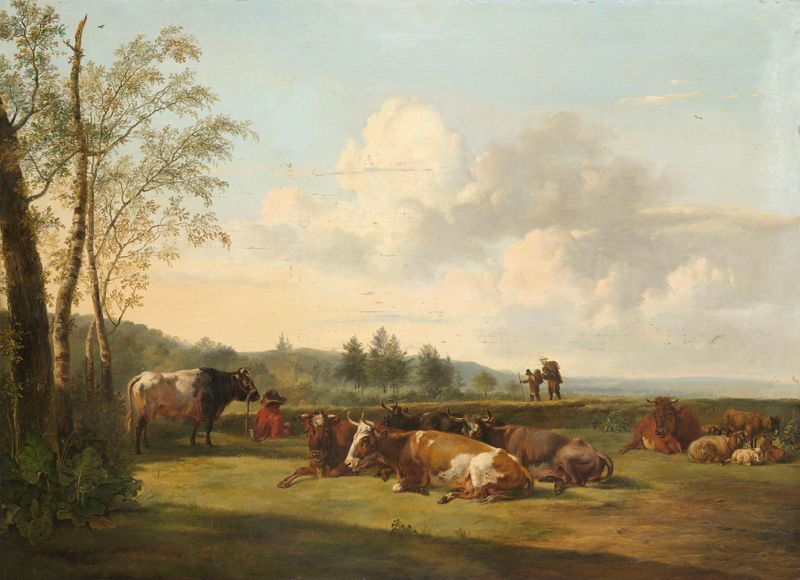
Landscape with Cattle
Pieter Gerardus van Os
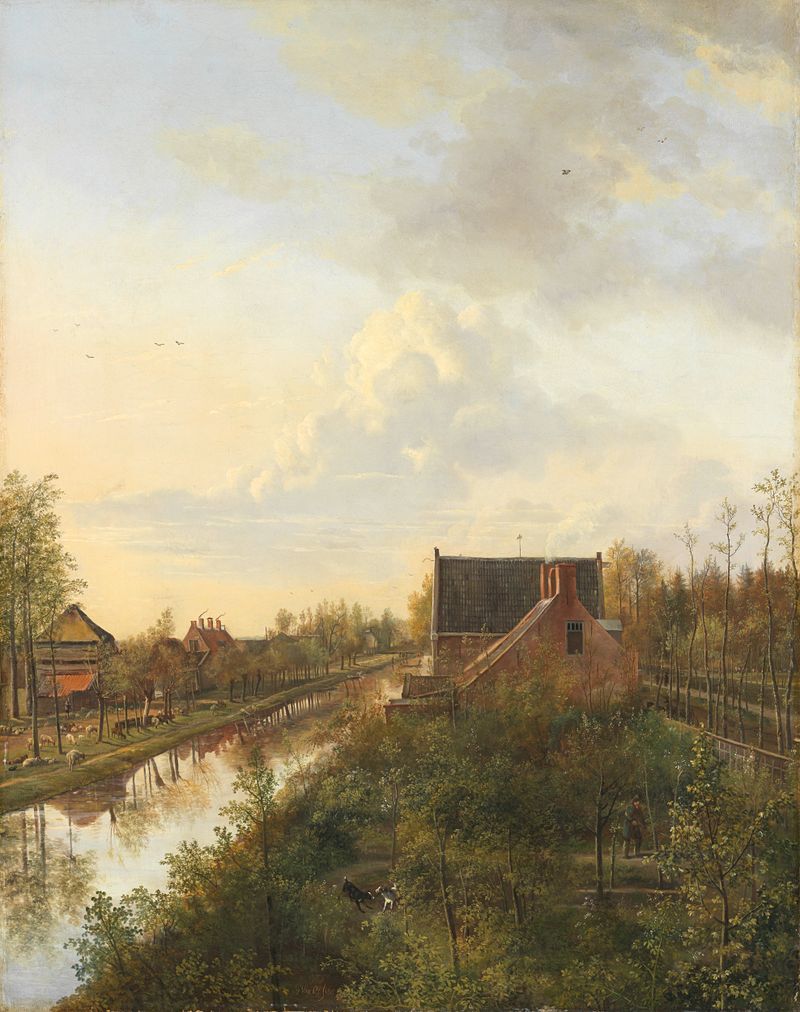
The Canal at ’s-Graveland
Pieter Gerardus van Os
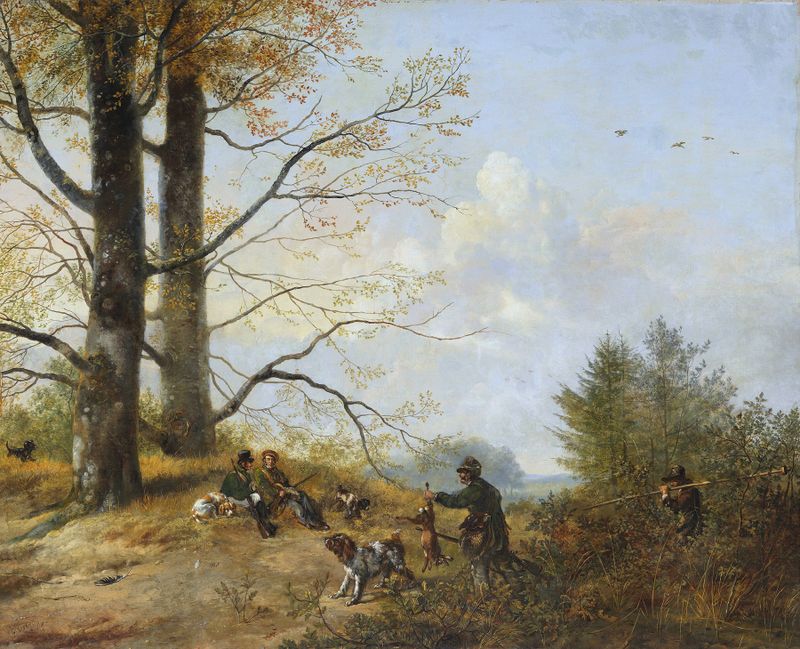
Rast nach der Jagd
Pieter Gerardus van Os
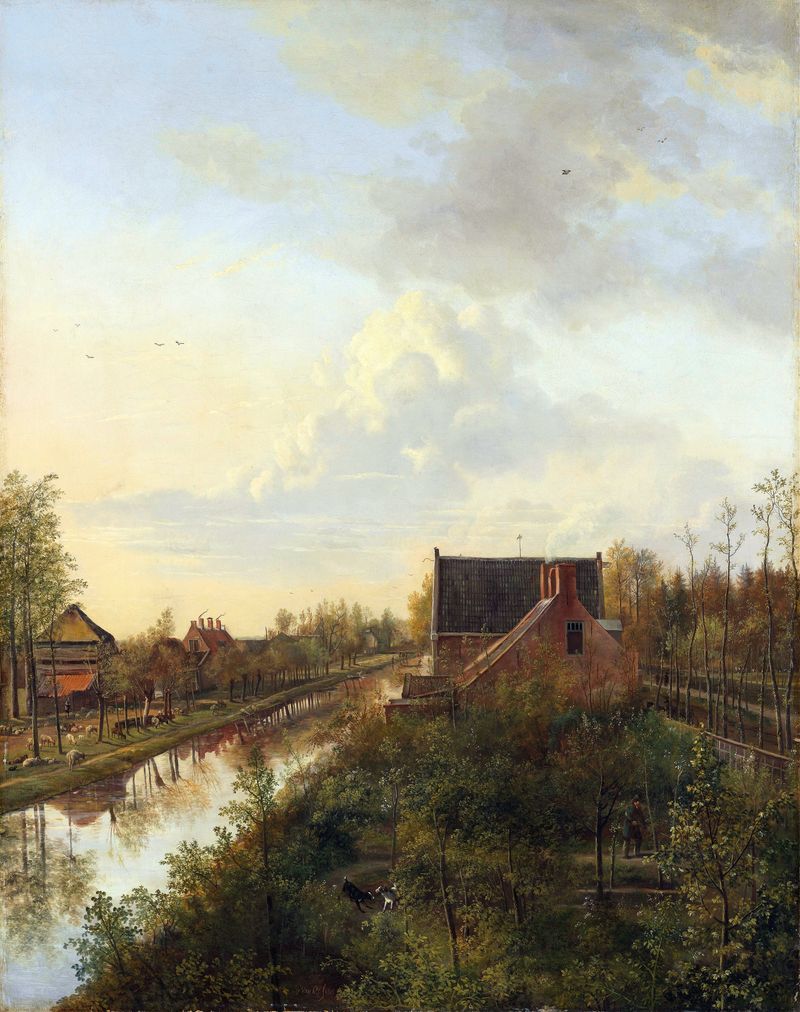
The Canal at ’s-Graveland
Pieter Gerardus van Os
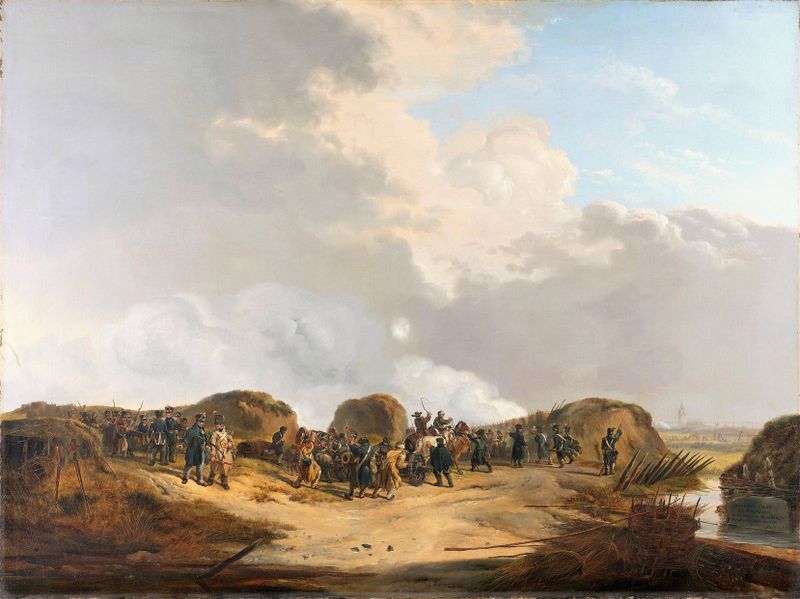
The Demilune constructed at the Siege of Naarden, April 1814
Pieter Gerardus van Os
More Historical Art
Browse all →
The Night Watch Militia Company of District II under the Command of Captain Frans Banninck Cocq
Rembrandt van Rijn

Lincoln Memorial
Henry Bacon

The Third of May 1808
Francisco de Goya

Isaac and Rebecca, Known as ‘The Jewish Bride’
Rembrandt van Rijn

The Charge of the Mamelukes (1814)
Francisco de Goya

De vier ruiters van de apocalyps
Albrecht Dürer