
Landskab med bondegårde — History & Facts
Is this a mirror — or a memory? In Landskab med bondegårde, the boundaries between the serene landscape and the inner narrative of the viewer delicately blur, inviting us to ponder where reality ends and nostalgia begins. Look to the left at the rolling hills, their soft curves cradling clusters of quaint farmhouses bathed in golden light. Notice how the artist employs a palette of muted greens and earthy browns that evoke a sense of calm, while the gentle play of shadow and light across the fields creates a harmonious rhythm. The composition leads the eye through the scene, guiding us effortlessly from the foreground’s delicate wildflowers to the distant horizon where the sky meets the land. Within this tranquil vista lies a deeper exploration of balance — between man and nature, simplicity and complexity.
The tiny figures tending to their fields suggest industriousness yet appear almost dwarfed by the expansive landscape, hinting at humanity's fragile relationship with the environment. The interplay of light not only highlights the pastoral beauty but also casts subtle shadows, symbolizing the weight of existence that lies beyond this idyllic view. Martinus Rørbye created this piece between 1831 and 1832 during a period when Danish art was witnessing a shift towards romanticism, emphasizing emotion and connection to nature. Living in an era marked by social upheaval and a growing appreciation for the rural life, Rørbye's work reflects a moment of introspection and serenity, illustrating the artist's desire to capture the essence of the countryside and its influence on the human spirit.
More Artworks by Martinus Rørbye
Browse all →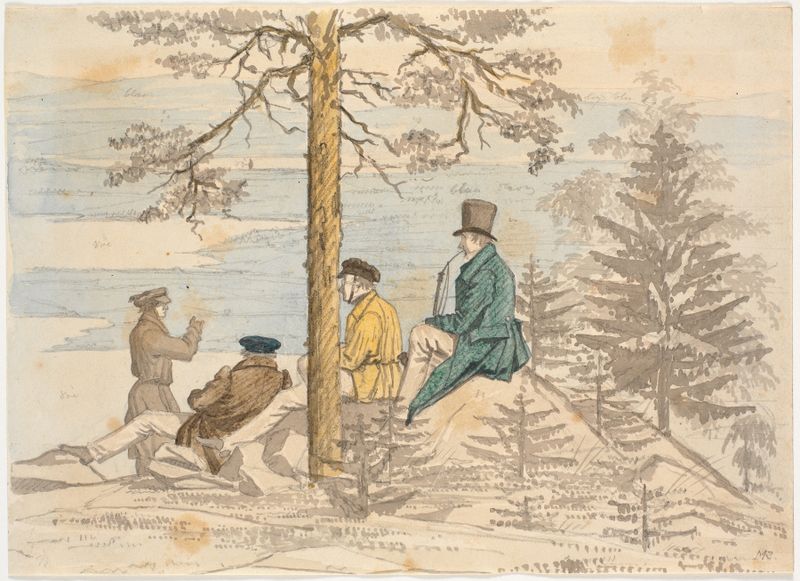
Fire mænd betragter udsigten fra Holmekollen
Martinus Rørbye
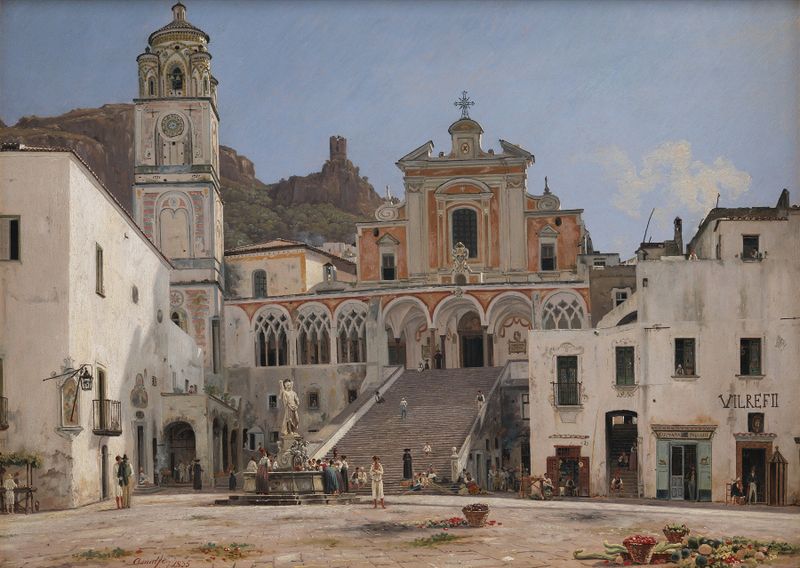
View of the Square in Amalfi
Martinus Rørbye
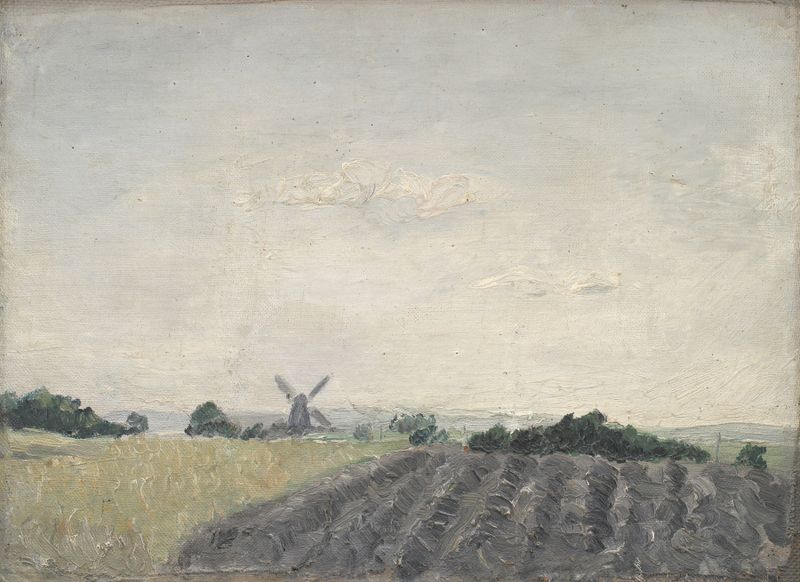
A Courtyard in Rome. Copy after Eckersberg
Martinus Rørbye
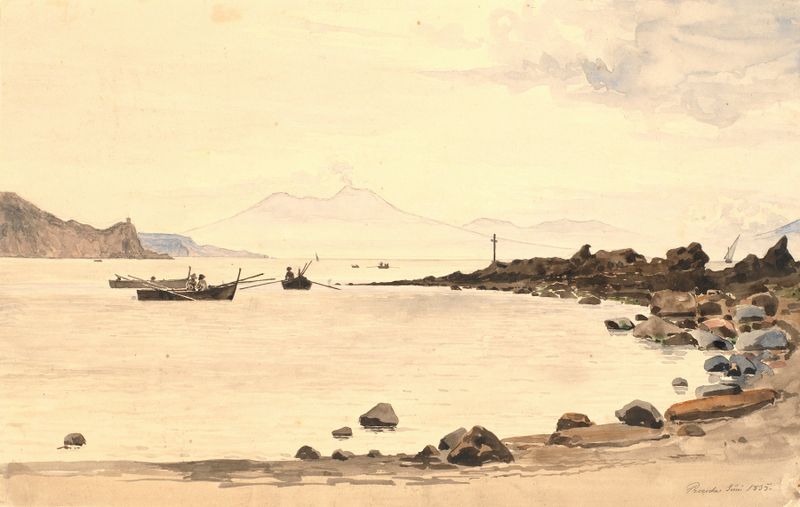
Udsigt mod Vesuv fra Procida
Martinus Rørbye
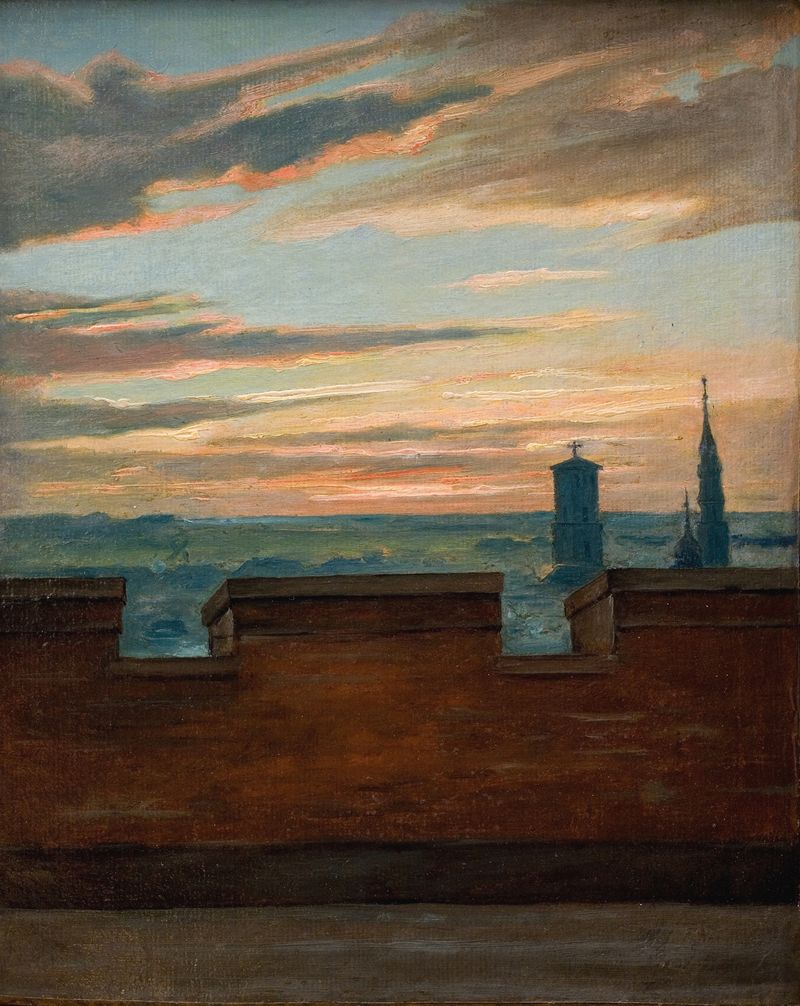
View of Copenhagen at Sunset
Martinus Rørbye
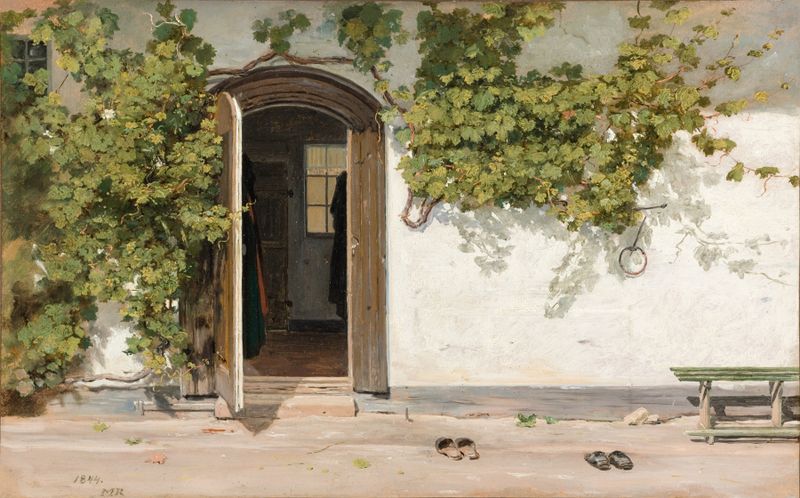
Entrance to an Inn in the Praestegarden at Hillested
Martinus Rørbye
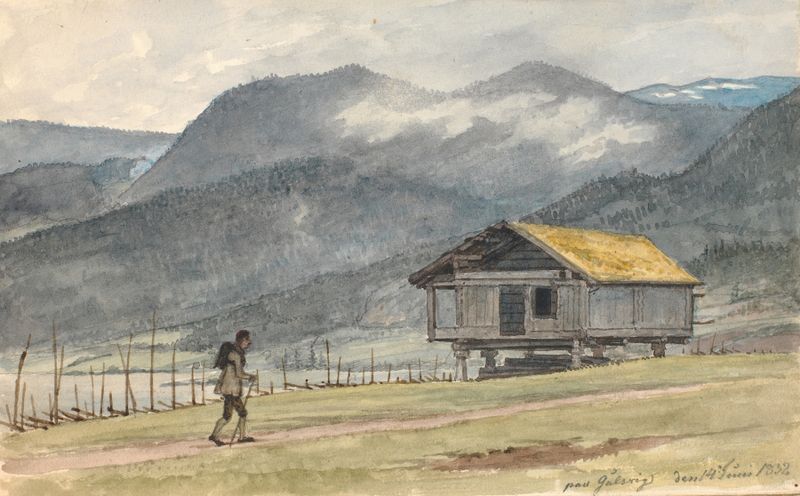
Fjeldlandskab med hytte og vandrer
Martinus Rørbye
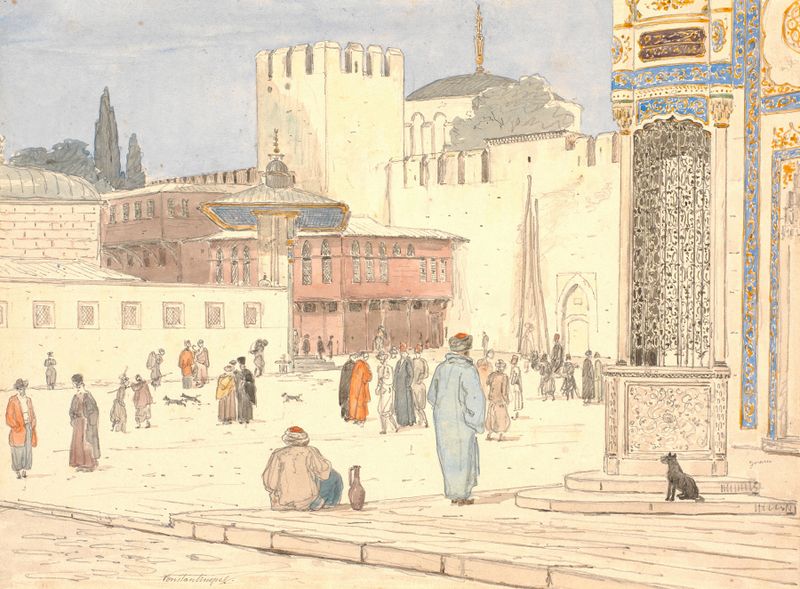
The Square in Front of Bab-i-Hümayan in Constantinople
Martinus Rørbye
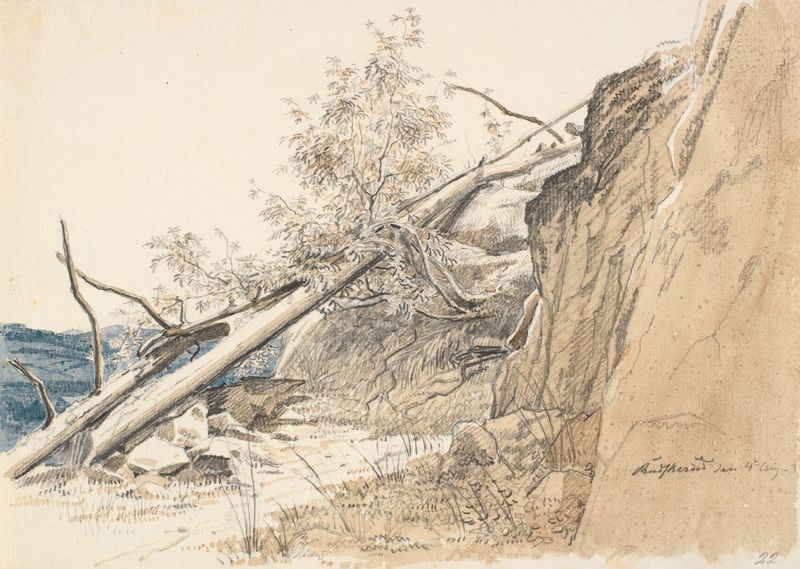
Tree Trunk Leaning Against a Rock. Norway
Martinus Rørbye
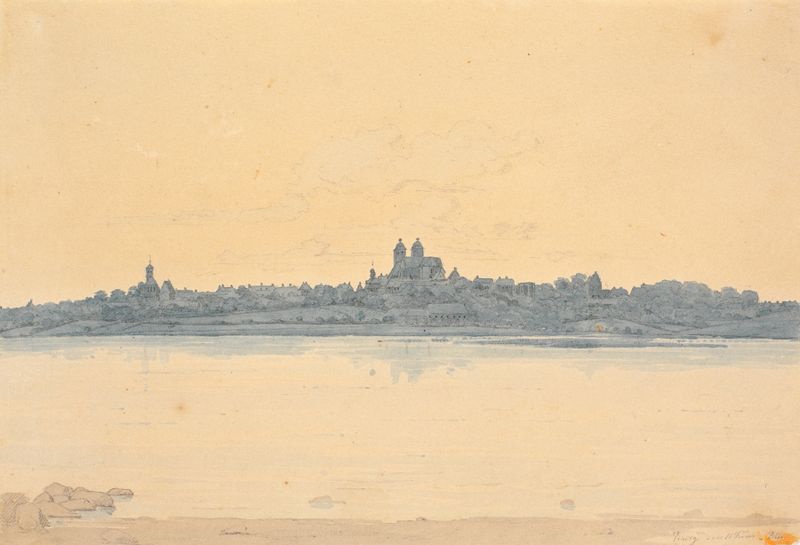
Viborg Seen from Asmild Klosterhave near Søndersø
Martinus Rørbye





