
Landskap från Gjendesheim — History & Facts
Could beauty survive in a century of chaos? In Richard Bergh's Landskap från Gjendesheim, we are invited to confront the delicate balance between nature's splendor and the inevitable decay that encroaches upon it. Look to the left at the rugged mountains, their peaks etched against a watercolor sky, inviting you into the vastness of the Norwegian landscape. Notice how the muted greens of the foreground ebb into the vibrant blues and purples of the distant hills, creating a harmonious yet contrasting palette. The soft brushstrokes convey a sense of movement, as if the beauty of the scene is fleeting, echoing the fragility of life itself.
Every detail, from the quiet reflections in the water to the wisps of clouds, serves to capture a moment poised between tranquility and the passage of time. Deeper truths linger within this portrayal; the mountains, timeless and enduring, juxtapose against the ephemeral reflections in the lake. Here, decay is not merely a physical state but an emotional undercurrent, suggesting that even the most breathtaking vistas are subject to seasons of change. The light dances across the surface, hinting at both clarity and obscurity, urging us to contemplate what remains when beauty fades.
This tension resonates, revealing the emotional weight carried by unyielding landscapes in a world where chaos often disrupts serenity. Richard Bergh painted Landskap från Gjendesheim in 1910 during a period of personal introspection and national cultural revival in Sweden. As an influential member of the Swedish art scene, he sought to capture the essence of nature and its interplay with human emotion. At this time, Bergh was deeply engaged with plein air painting and exploring the Nordic identity, reflecting a broader artistic movement that celebrated natural landscapes amid the shifting societal tides of early 20th-century Europe.
More Artworks by Richard Bergh
Browse all →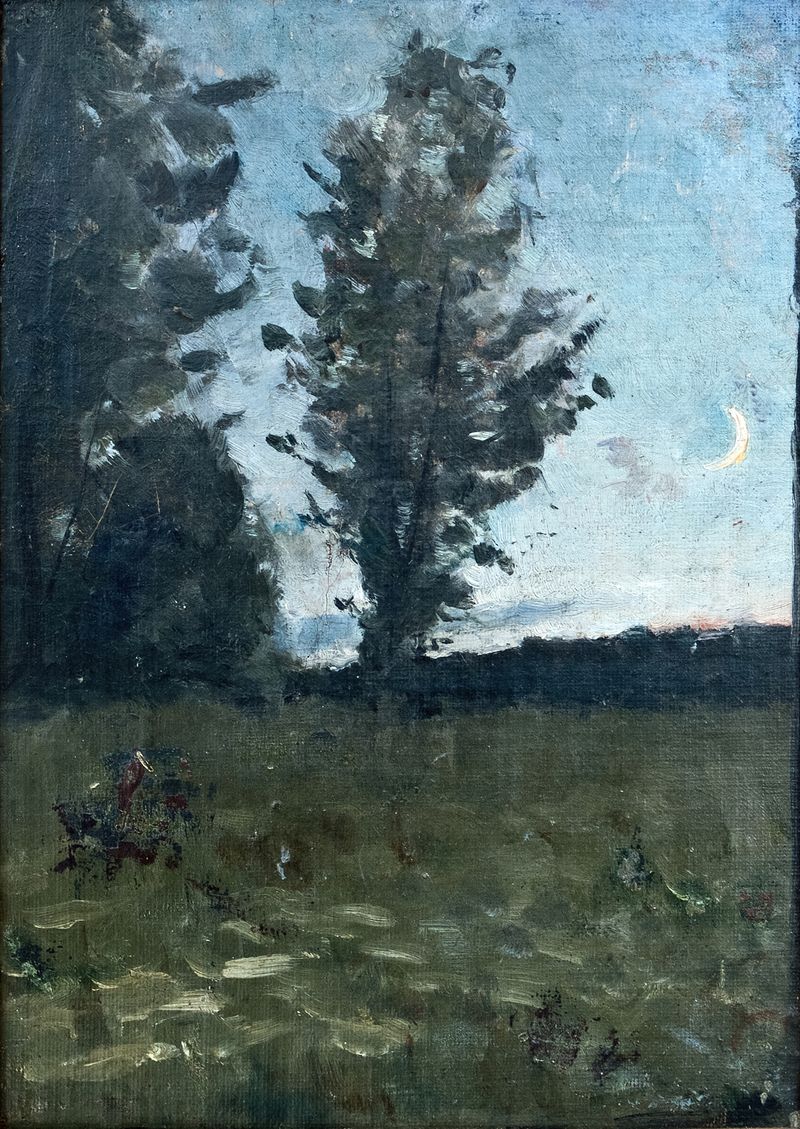
Moonlit Landscape
Richard Bergh
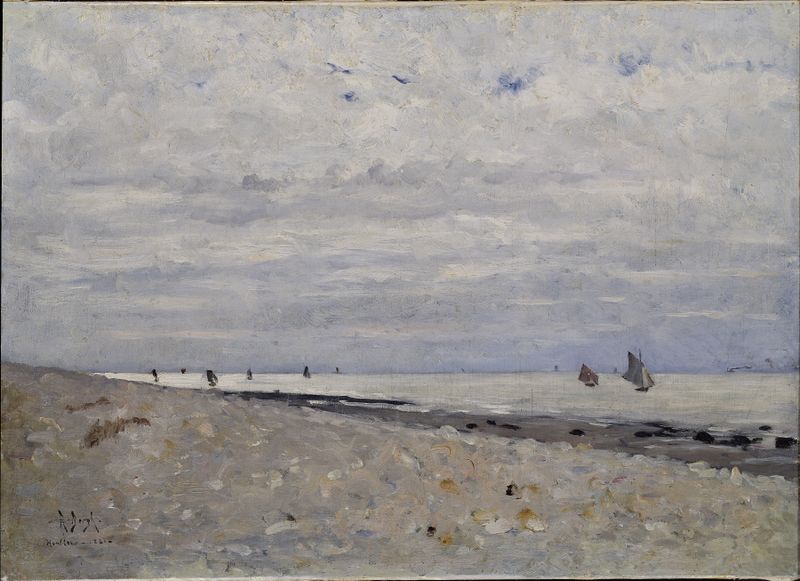
Sea Landscape off Honfleur
Richard Bergh

Park Landscape, Tyresö
Richard Bergh
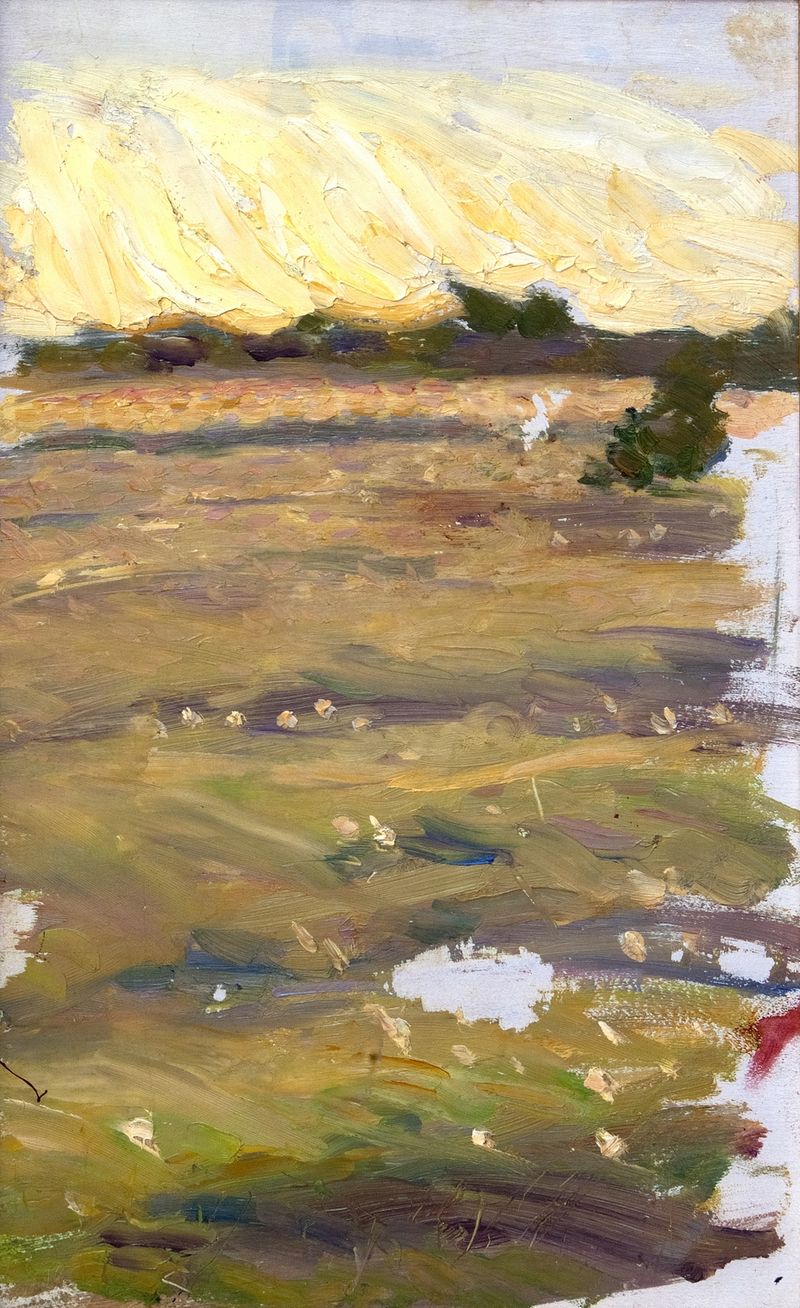
Sketch for The Knight and the Maiden
Richard Bergh

Landscape from Halland
Richard Bergh
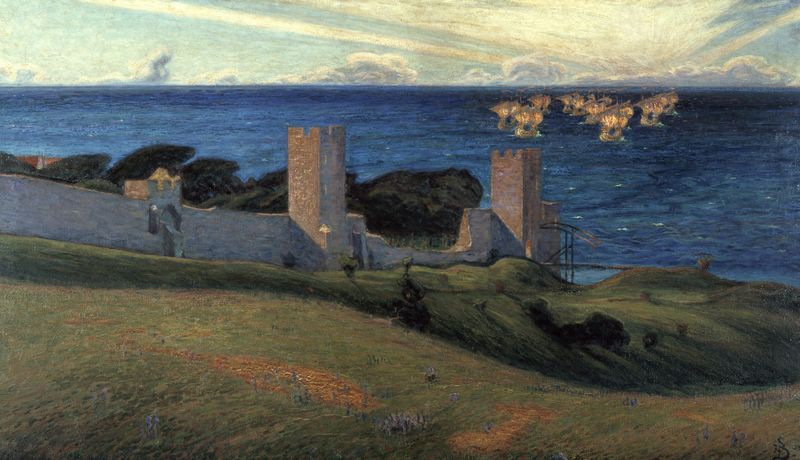
Vision. Scene from Visby
Richard Bergh

The Verger’s House at Tyresö
Richard Bergh
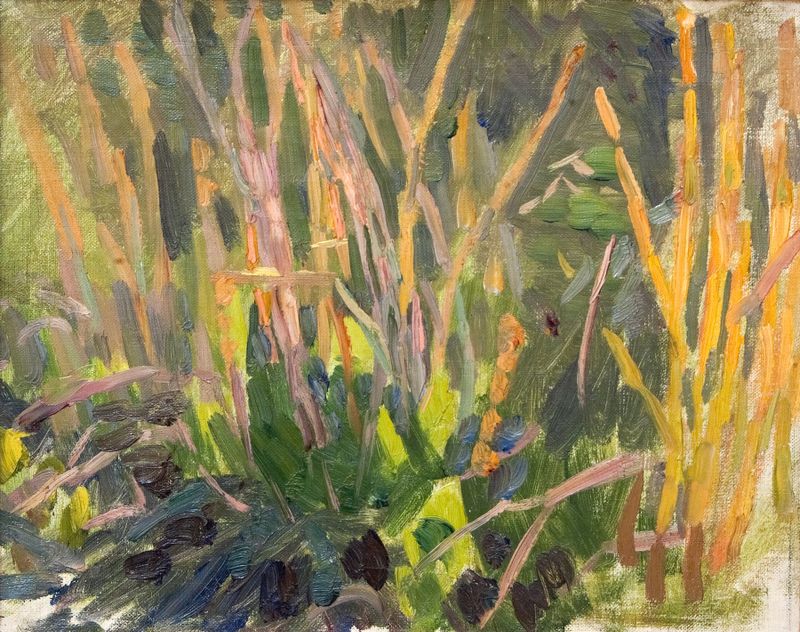
Sketch for The Knight and the Maiden (Dandelions)
Richard Bergh
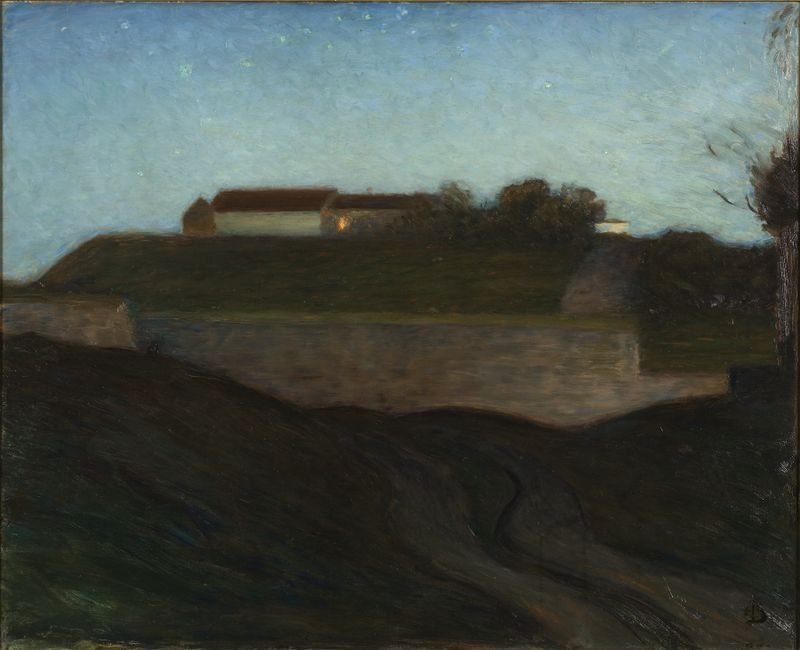
The Fortress of Varberg
Richard Bergh
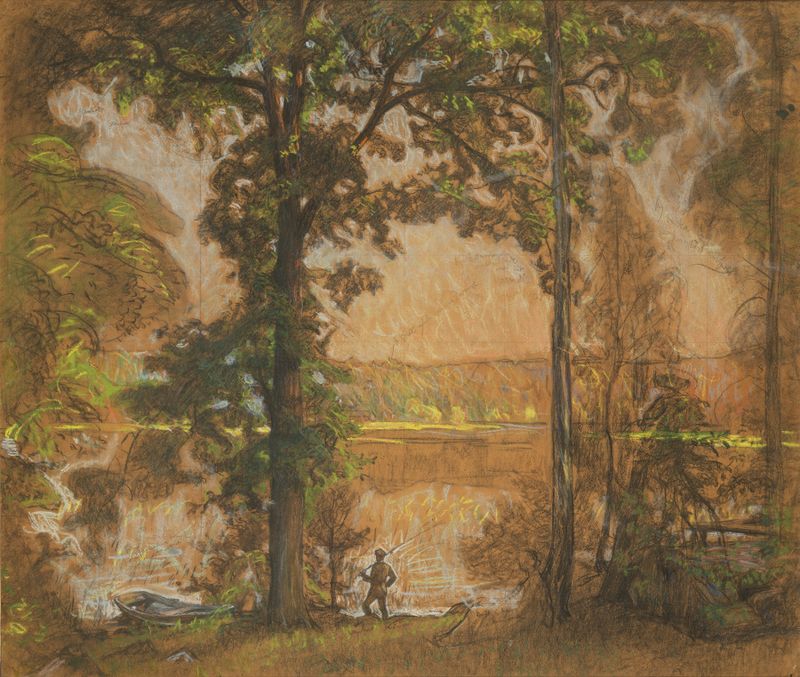
Landscape Tyresö
Richard Bergh





