Discover insights about this artwork
Laocoon — History & Facts
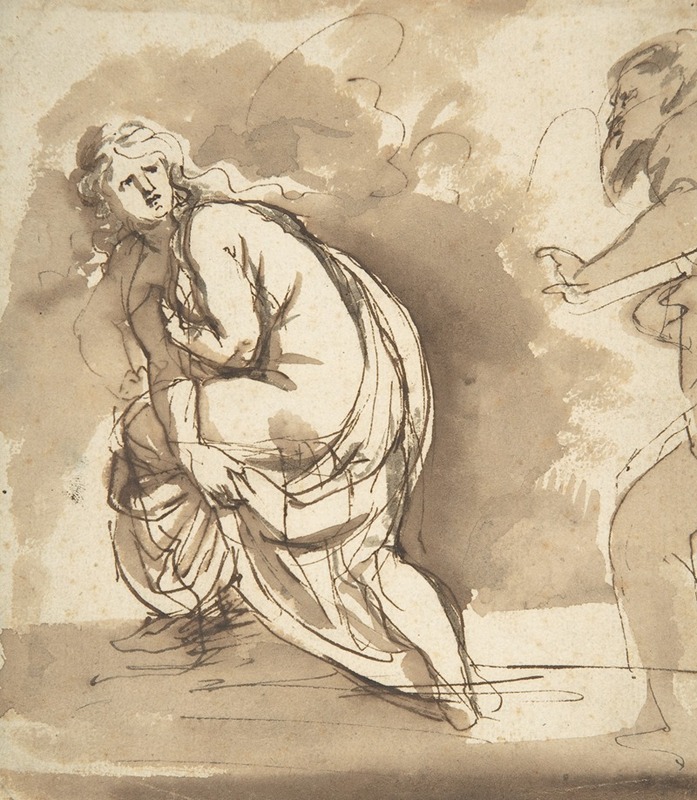
In Laocoon, George Romney uses a rich palette of colors, predominantly deep reds and greens, to depict a dramatic scene. The figures of Laocoon and his sons are portrayed in a state of intense struggle against the serpents. The setting is dynamic, with flowing drapery and contorted bodies that emphasize the tension of the moment.
The overall composition draws the viewer's eye to the central conflict, creating a sense of urgency. The painting is executed in oil on canvas, showcasing Romney's skill in capturing human emotion and movement. The dimensions are approximately 100 x 150 cm, making it a sizable work that commands attention. The use of light and shadow enhances the three-dimensionality of the figures, giving them a lifelike quality.
Viewers can appreciate the intricate details in the expressions and postures of the characters. George Romney was an English painter known for his portraits and historical scenes, and Laocoon is one of his notable works. This painting reflects the Romantic style, emphasizing emotion and drama. An interesting fact about this work is that it draws inspiration from the ancient Greek myth of Laocoon, who was punished by the gods for warning the Trojans about the wooden horse.
Romney's interpretation captures the tragic essence of this mythological tale.
More Artworks by George Romney
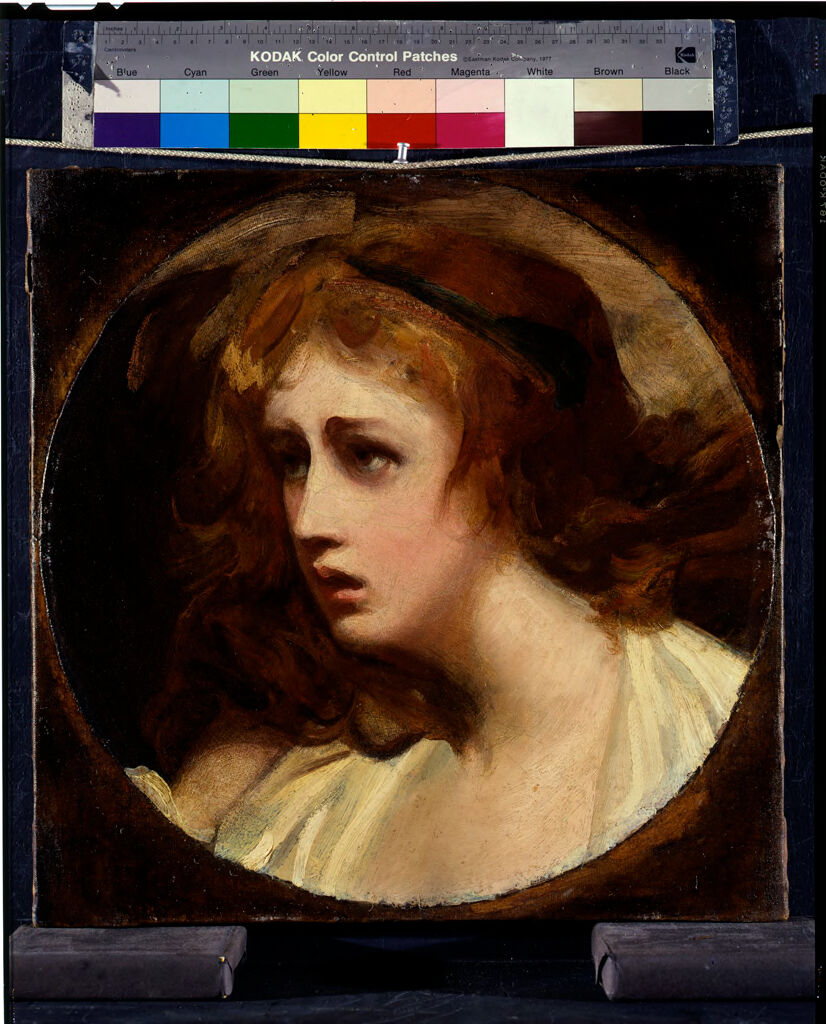
Lady Hamilton as Tragedy
George Romney

Pamela
George Romney

Lady Hamilton
George Romney

Portrait of Mrs Deborah Jemima Maxwell (1755-1789)
George Romney

Sir William Hamilton
George Romney

Mrs. Charles Frederick (Martha Rigden, died 1794)
George Romney
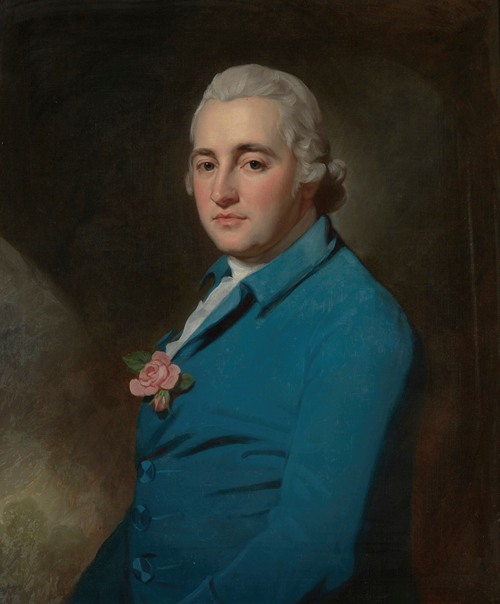
Portrait of a gentleman, traditionally identified as Atkinson Grimshaw
George Romney

Portrait of Mrs William Maguire
George Romney
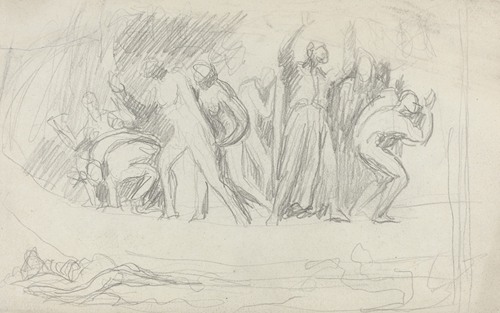
Study for ‘The Deluge’
George Romney
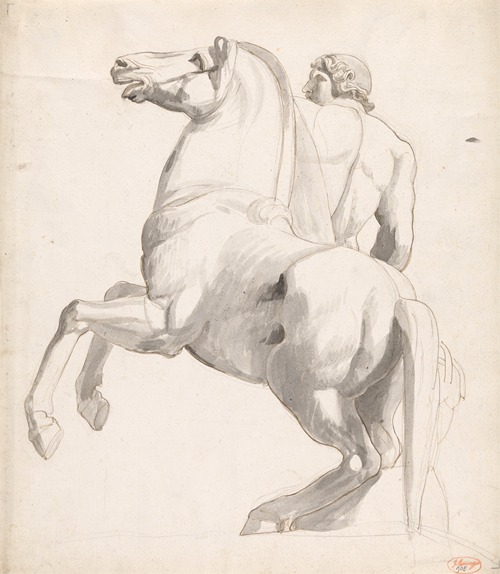
Horseman of Montecavallo
George Romney