
Larin Paraske Sings Requiems — History & Facts
What first catches the eye in Larin Paraske Sings Requiems is the intensity of the sitter’s gaze, fixed somewhere beyond the frame, as if she is listening for an answer from the world her song addresses. The hands, gnarled and purposeful, hover above the strings of a kantele—each finger poised in a moment of anticipation or memory. Light falls sharply across her face and instrument, carving out every furrow and vein, while the rest of the room recedes into a warm, enveloping shadow.
The red kerchief anchors her presence, a flash of color against the earthier tones, and signals both individuality and tradition. The composition draws the viewer into a private act of creation, where music and mourning are inseparable. Painted in 1893, this work by Albert Edelfelt belongs to a period when artists across Europe turned their attention to the lives of ordinary people, capturing folk traditions before they faded into history. In Finland, such portraits often celebrated the bearers of oral culture—singers, storytellers, and musicians—whose performances kept communal memory alive.
The painting’s quiet gravity, its focus on a single figure at work, reflects the era’s fascination with authenticity and the dignity of rural life. Now held in the collection of the Kansallisgalleria, Larin Paraske Sings Requiems invites us to linger, to follow the play of light on skin and wood, and to imagine the ancient melodies that once filled this silent room.
More Artworks by Albert Edelfelt

The Day of Rest
Albert Edelfelt
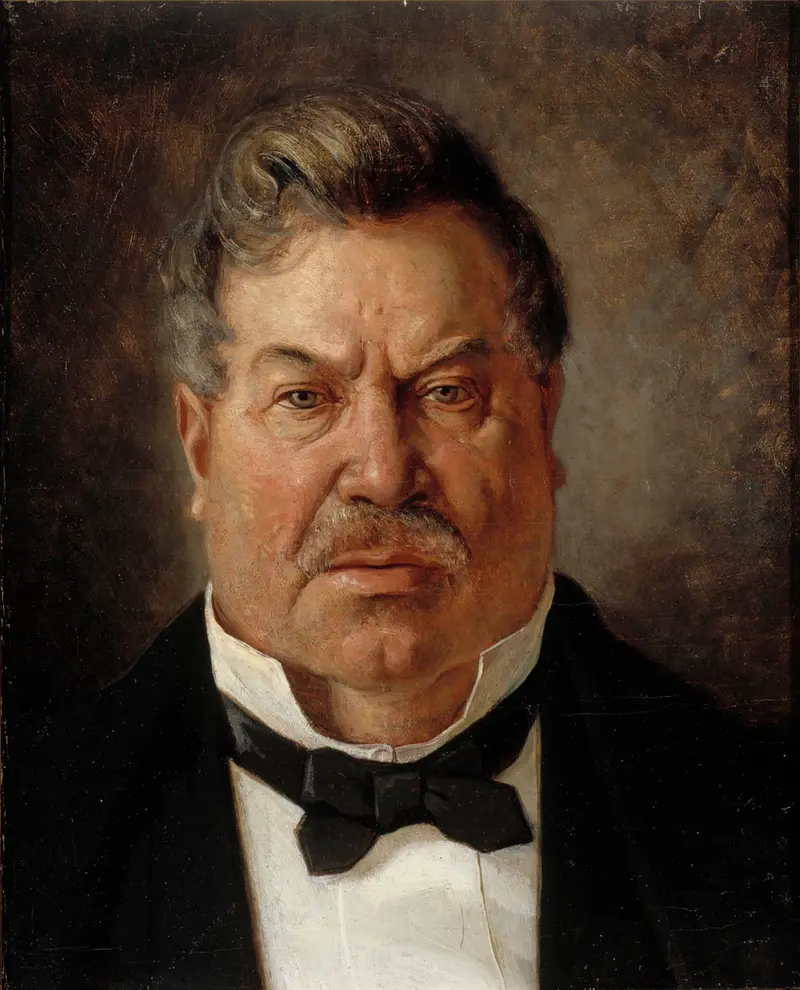
Portrait of August Streng
Albert Edelfelt
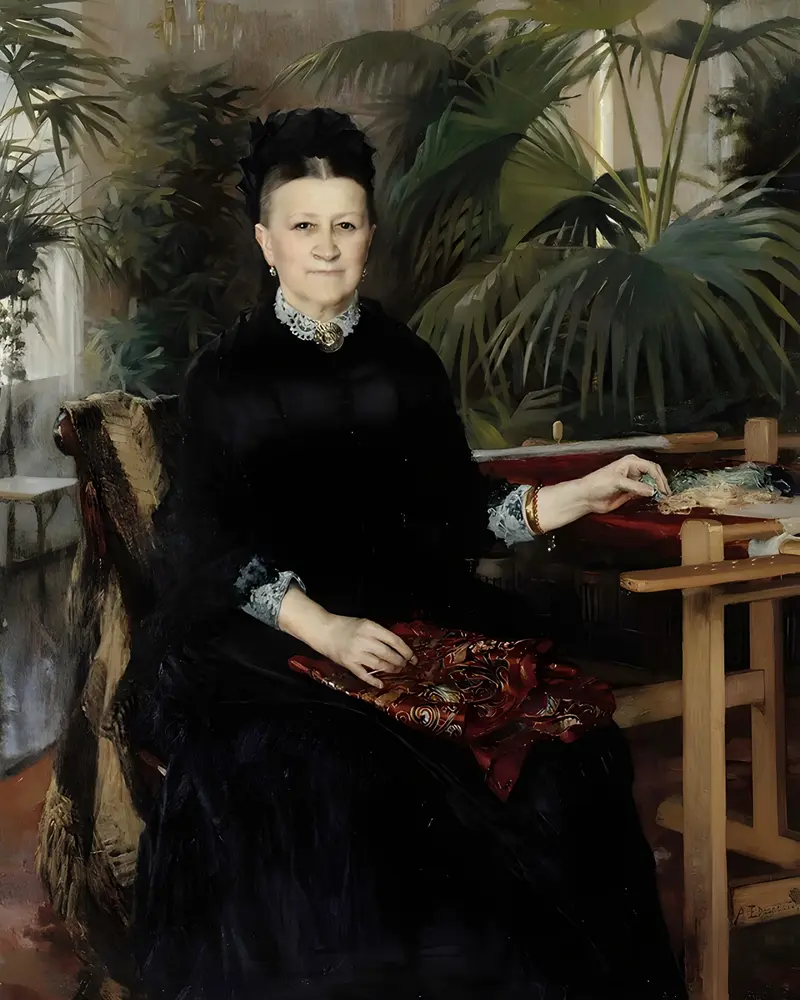
Portrait Of Mrs. Anna Sinebrychoff
Albert Edelfelt

The Poet, Larin Paraske
Albert Edelfelt

Parisian lady in a Peignoir
Albert Edelfelt
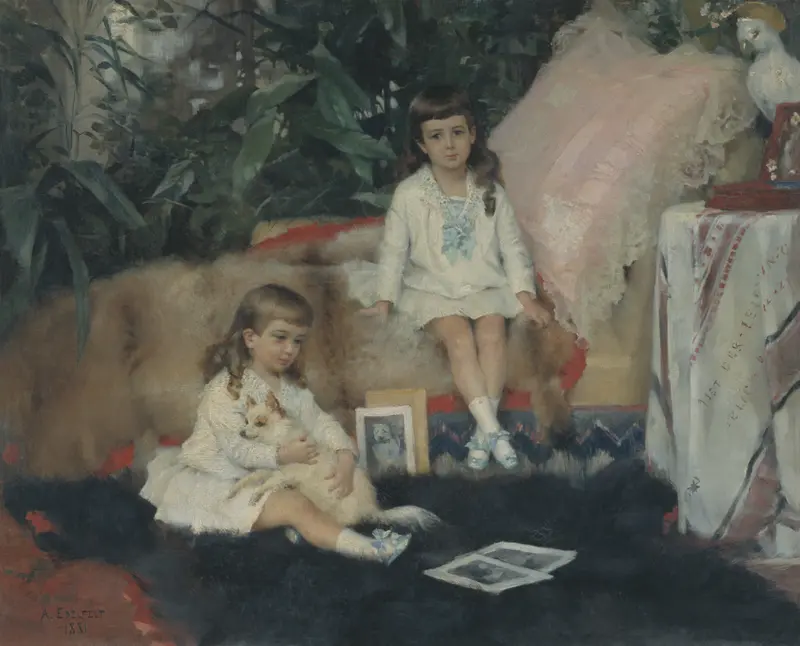
The Grand Dukes Boris and Kirill Vladimirovich as Children
Albert Edelfelt
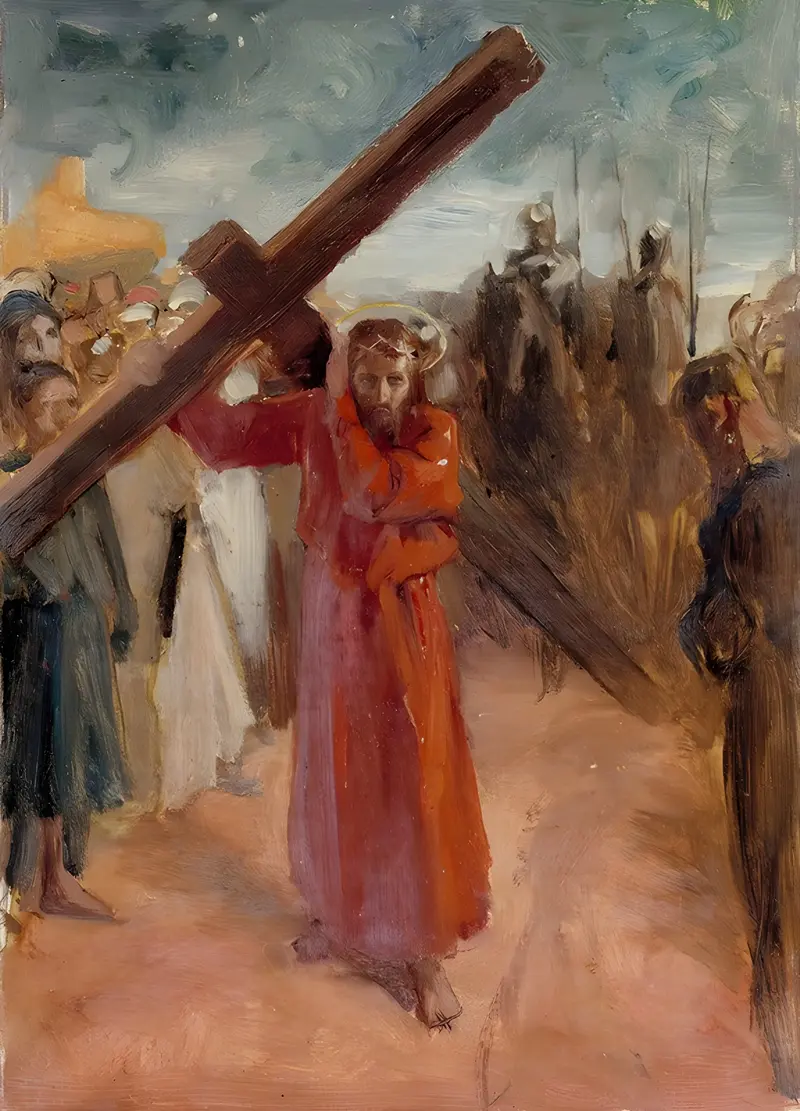
Christ Bears The Cross
Albert Edelfelt
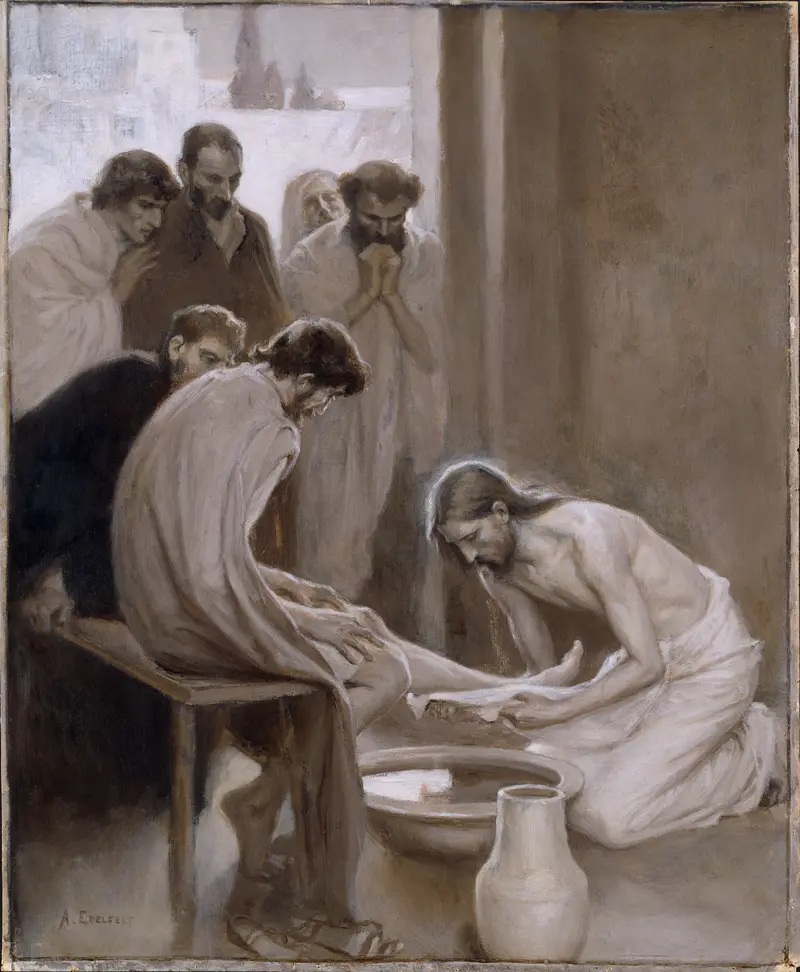
Jesus Washing the Feet of his Disciples
Albert Edelfelt

Larin Paraske with Kantele
Albert Edelfelt
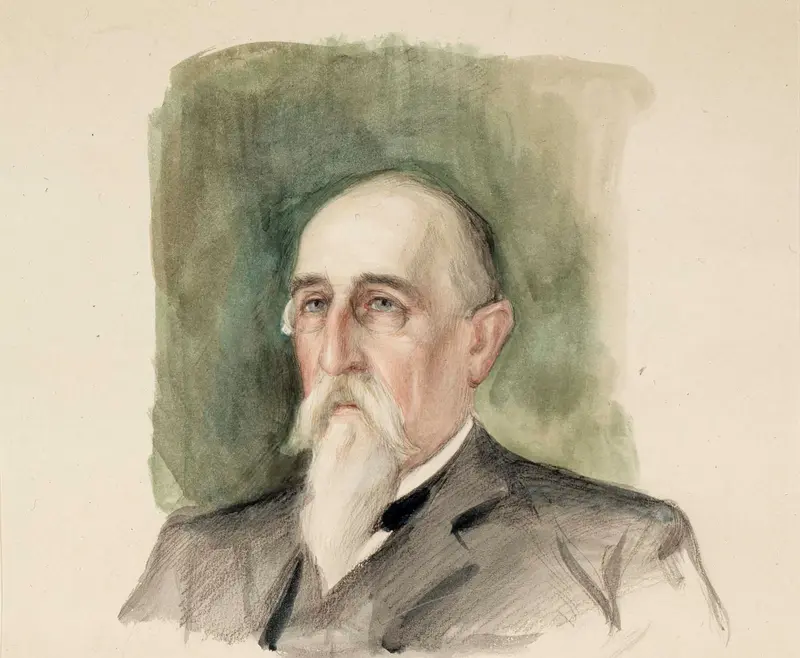
Leo Mechelin, Portrait Study
Albert Edelfelt





