
Laying out the March Dead — History & Facts
A crowd surges across the square, their faces turned toward a single, somber procession: a coffin, draped and solemn, carried at the heart of the throng. The sweep of people, rendered in both finished color and ghostly, sketch-like outlines, draws the viewer into the tension between the living and the dead, the present and the remembered. Light glances off the ornate façade of a grand building, its classical pillars and pediment looming over the gathering, while the shadowed masses on the steps and balconies hint at the weight of public witness.
The unfinished figures on the left seem to flicker between presence and absence, as if memory itself struggles to hold the full count of those lost. The palette, heavy with browns and ochres, sets a mood of gravity and collective mourning, while the scattered flags and uniforms suggest a moment of political or civic rupture. Painted in 1848, Laying out the March Dead by Adolph von Menzel belongs to a world convulsed by revolution and public reckoning. The mid-nineteenth century saw artists across Europe grappling with the realities of mass protest, urban crowds, and the rituals of mourning in a rapidly changing society.
Works like this, whether commissioned by civic bodies or created in the heat of events, often served as both record and reflection—capturing not only what happened but how it felt to witness it. The presence of this painting in The Yorck Project’s vast digital collection speaks to its enduring resonance, even as the details of its original journey remain obscure. Look again at the unfinished edges and the press of bodies: history, here, is not a distant pageant but a living, unfinished crowd.
More Artworks by Adolph von Menzel
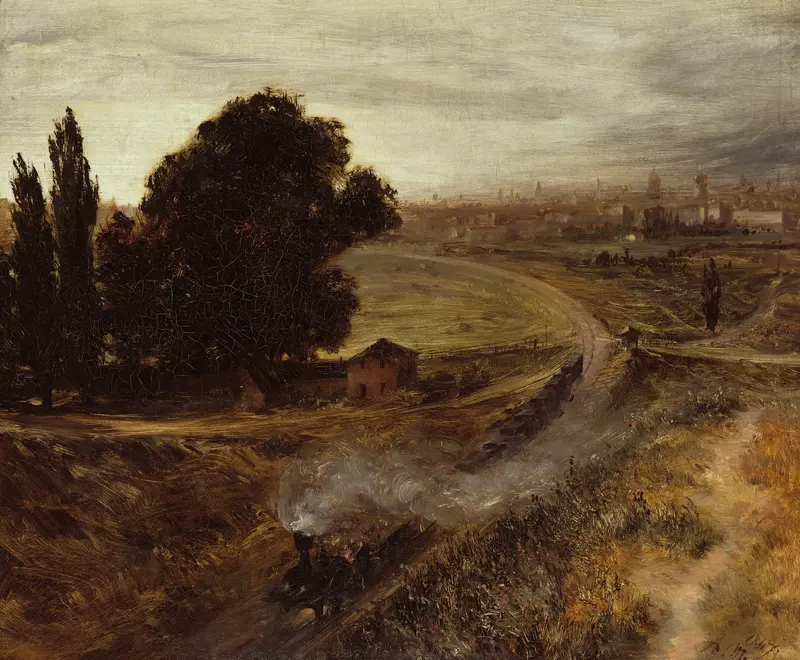
The Berlin-Potsdam Railway
Adolph von Menzel
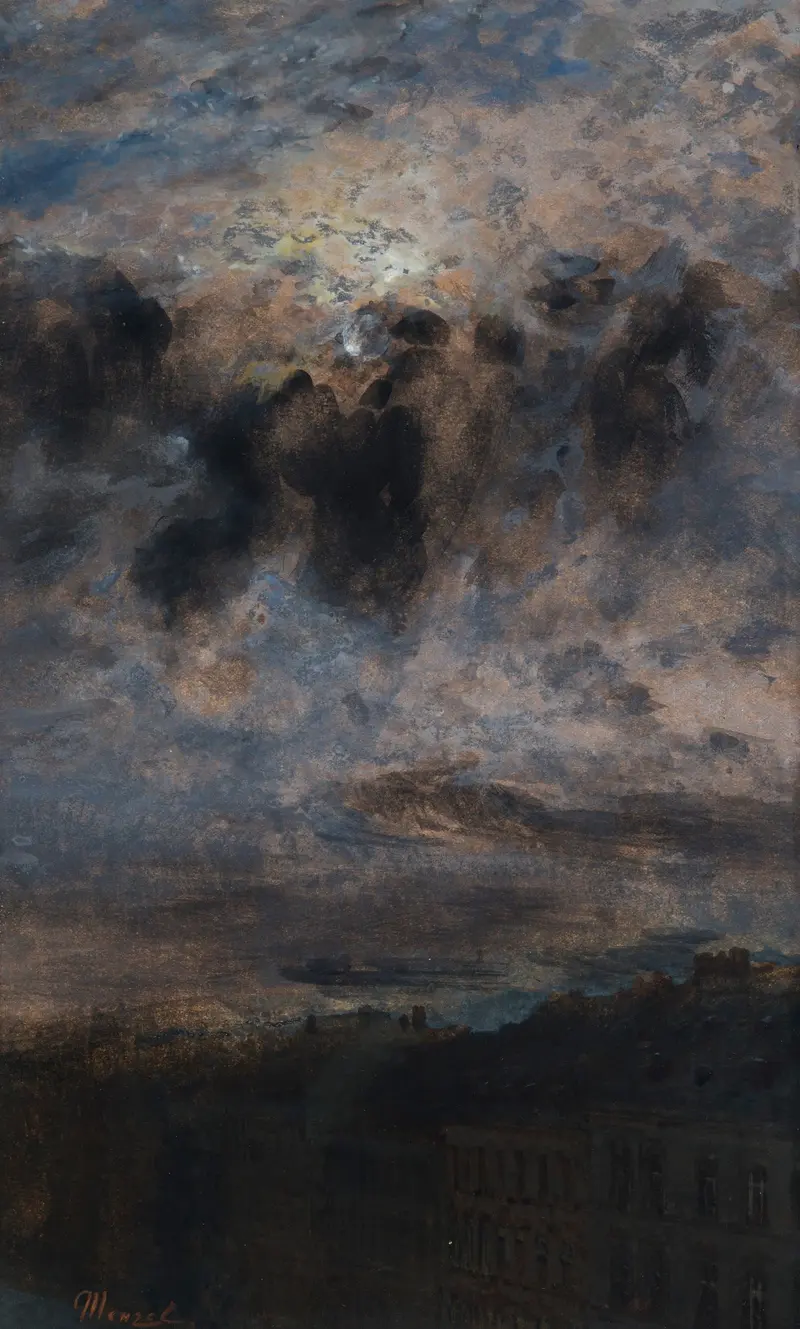
Mondschein über den Dächern von Berlin
Adolph von Menzel
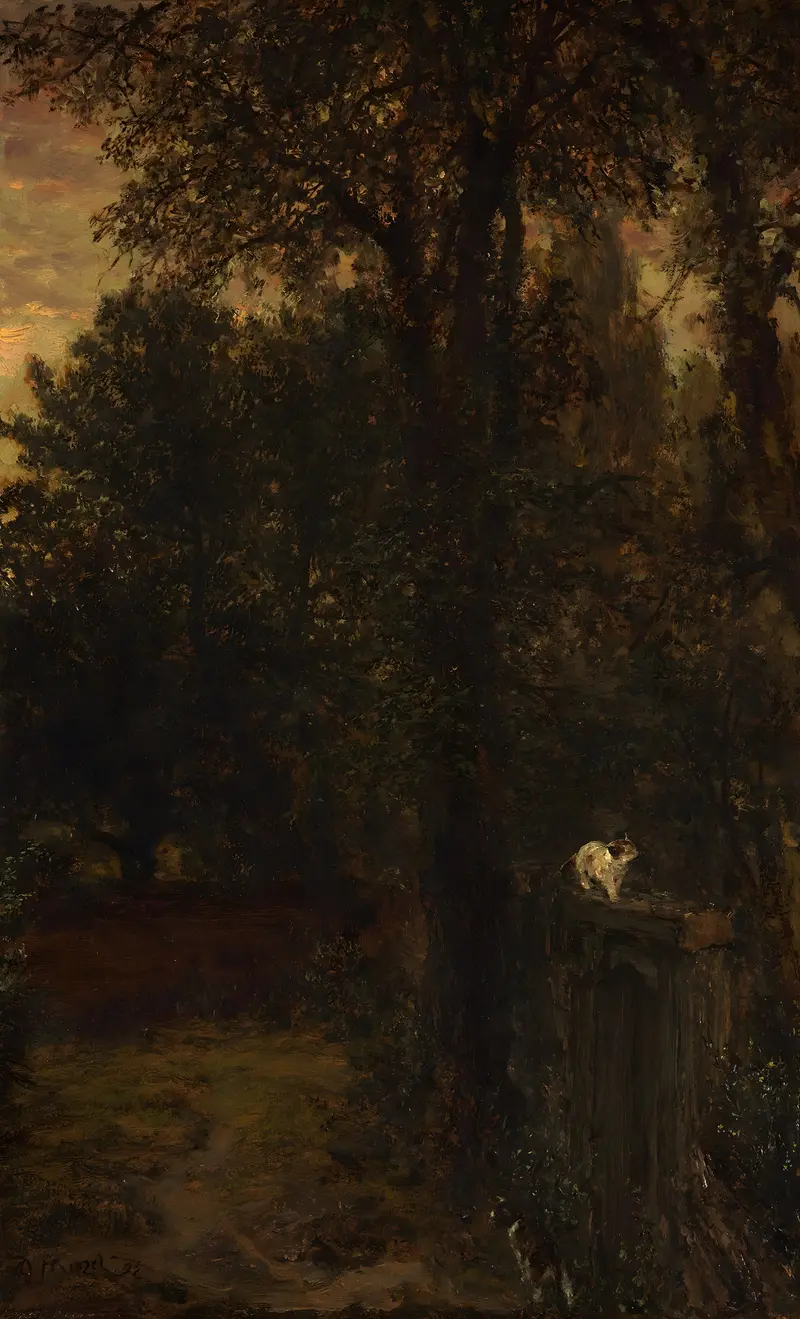
Landscape
Adolph von Menzel
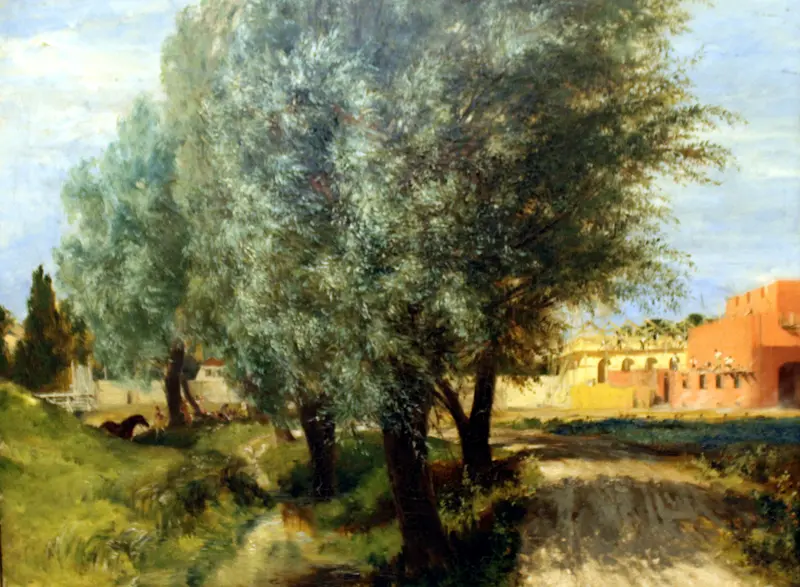
Building Site with Willows
Adolph von Menzel
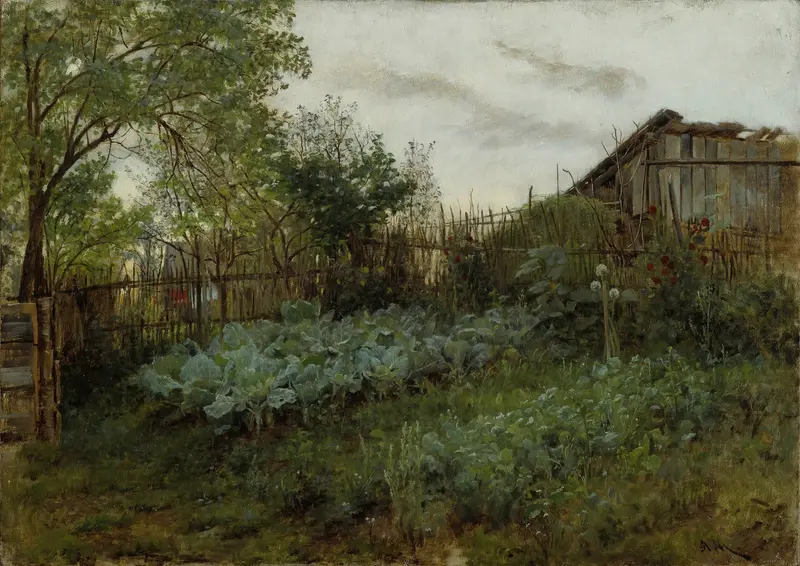
The Back Garden
Adolph von Menzel
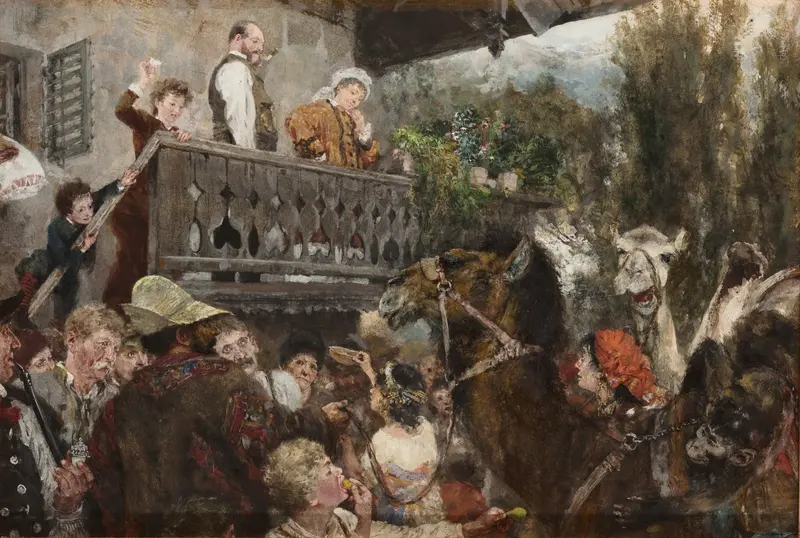
The wandering circus (Camel drivers in Partenkirchen)
Adolph von Menzel
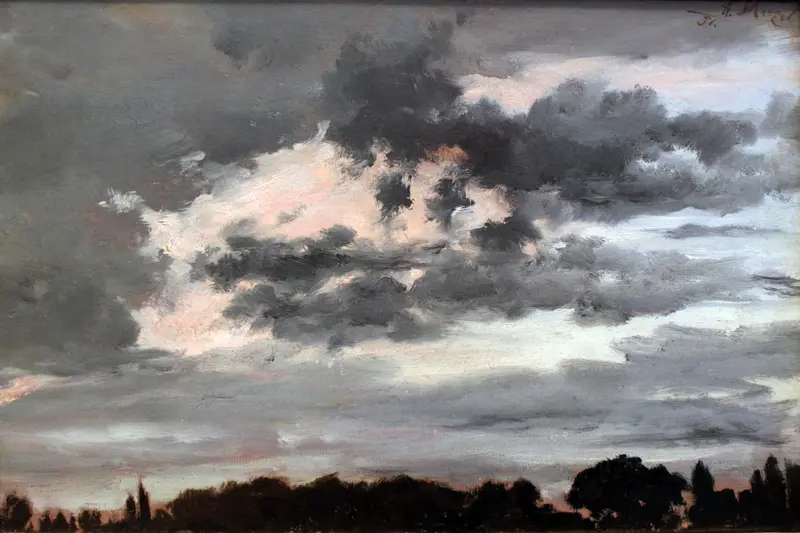
Cloud Study
Adolph von Menzel
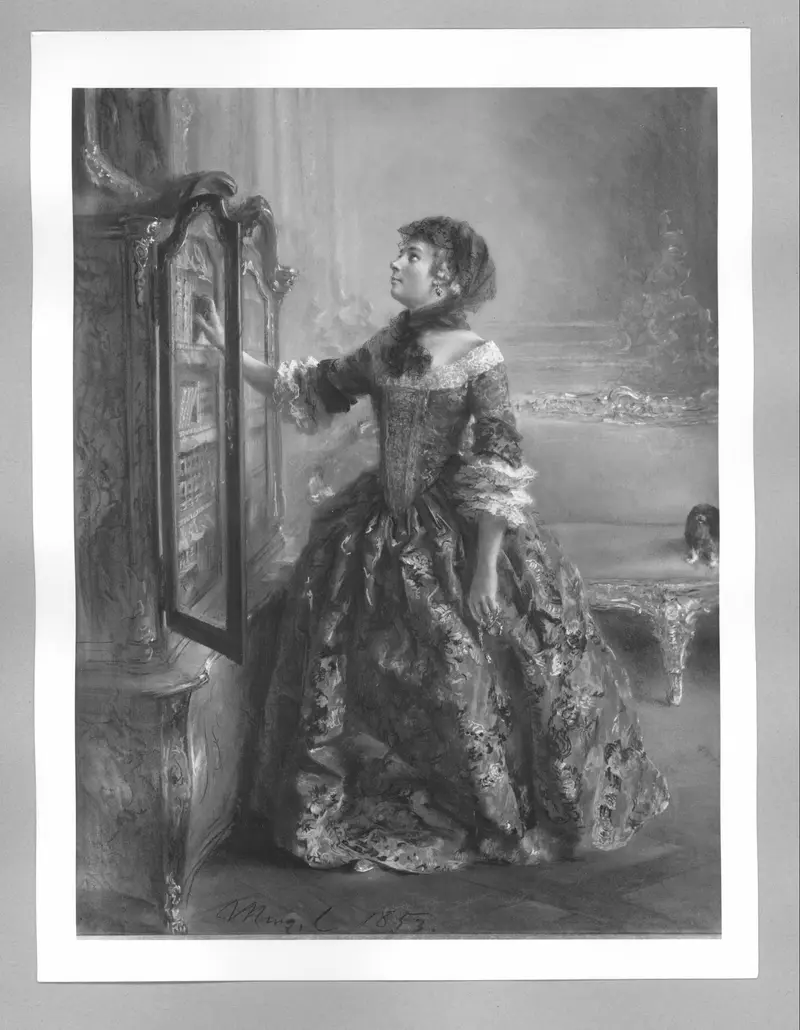
Adolf Friedrich Erdmann Menzel Dame in Rokoko Kostüm vor einem Bücherschrank (Prinzessin Amalie von Hohenzollern) 2320 Führermuseum
Adolph von Menzel
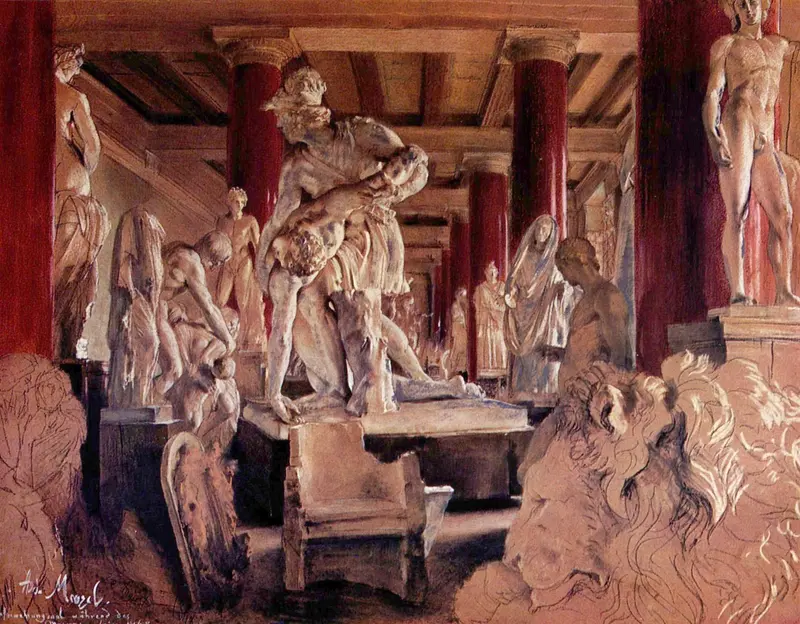
Aufbewahrungssaal während des Museumsumbaus Adolf Friedrich Erdmann von Menzel (Alte Nationalgalerie, Berlin)
Adolph von Menzel
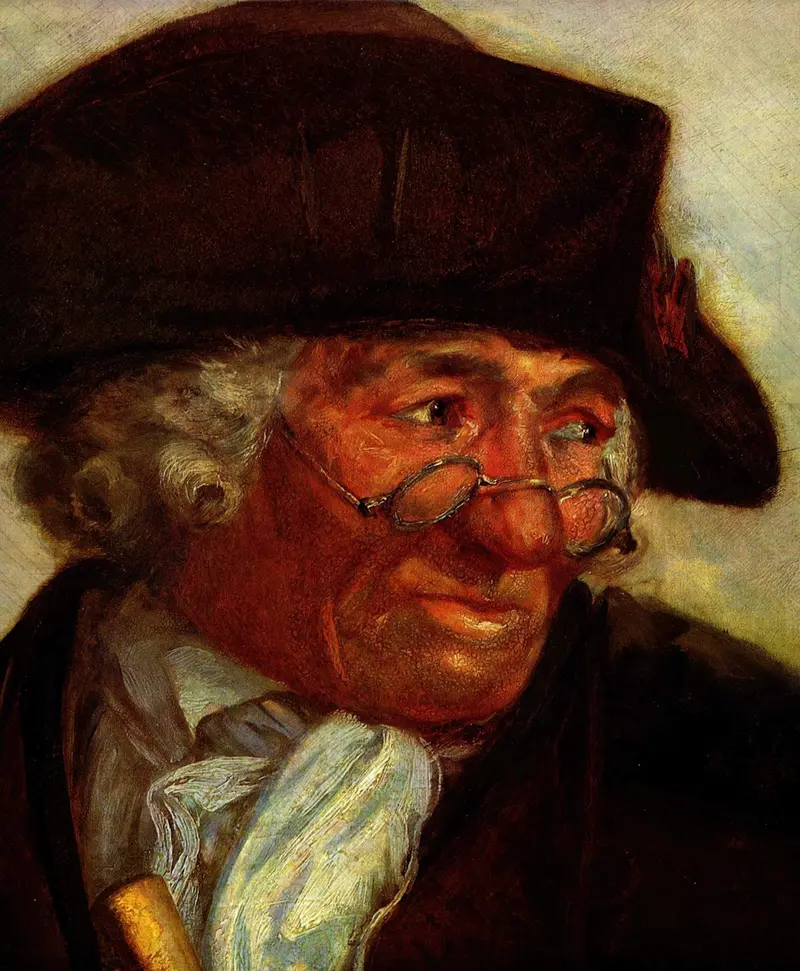
Chodowiecki on the Jannowitz Bridge
Adolph von Menzel





