
The wandering circus (Camel drivers in Partenkirchen) — History & Facts
A surge of curiosity and commotion animates every corner of The wandering circus (Camel drivers in Partenkirchen). The viewer is drawn first to the lively exchange between townspeople and the exotic visitors—faces pressed close, hands outstretched, a child biting into fruit as a camel cranes its neck toward the crowd. The artist, Adolph von Menzel, orchestrates the scene with a restless energy: the balcony above teems with onlookers, while below, the throng spills outward, each figure rendered with a quick, searching touch.
Light picks out the faces and gestures, guiding the eye from the shaded crowd to the sunlit camels, whose presence is both comic and majestic. The palette, earthy and brisk, pulses with the thrill of spectacle and the novelty of the unfamiliar. Painted in 1884, this work belongs to a moment when Europe’s fascination with traveling performers and foreign animals was at its height. Such scenes, often captured by artists for their color and drama, reflect a world in flux—villages opening to global wonders, audiences hungry for distraction and marvels.
Menzel, known for his acute observation of modern life, here turns his gaze to the borderland between everyday routine and the extraordinary, a theme that resonated in late nineteenth-century Germany. Now housed in the Pushkin Museum in Moscow, the painting stands as a vivid testament to an era when the circus brought distant horizons to the heart of small towns. Let your eyes linger on the interplay of wonder, skepticism, and delight—each face a story, each gesture a question.
More Artworks by Adolph von Menzel
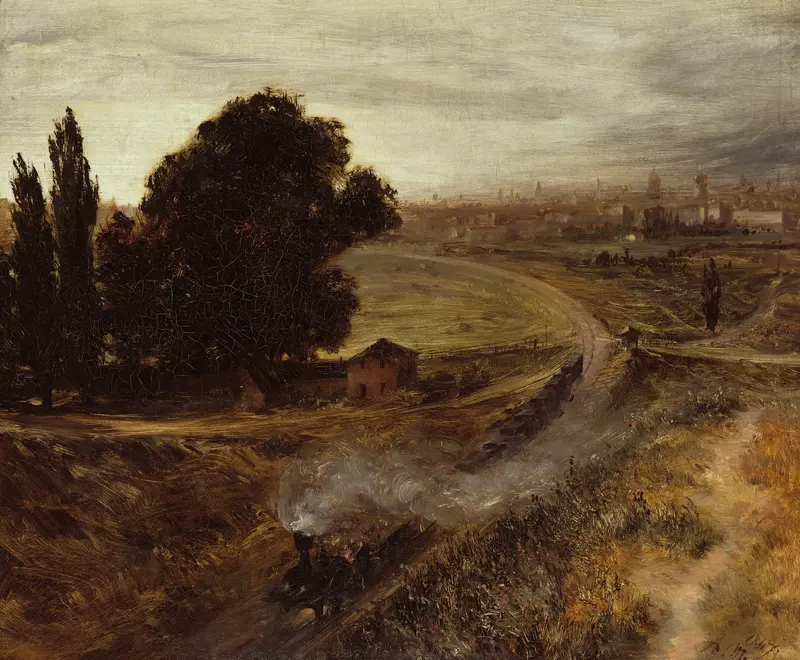
The Berlin-Potsdam Railway
Adolph von Menzel
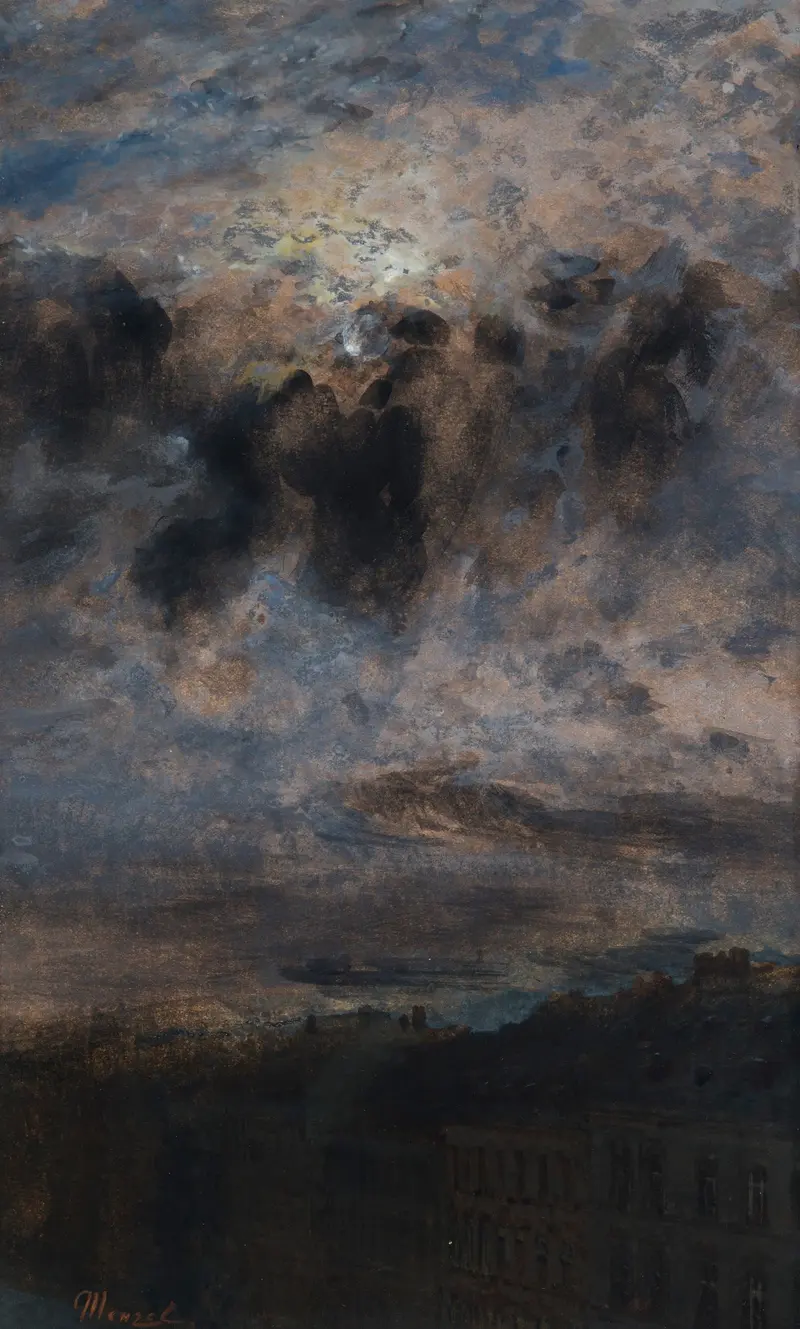
Mondschein über den Dächern von Berlin
Adolph von Menzel
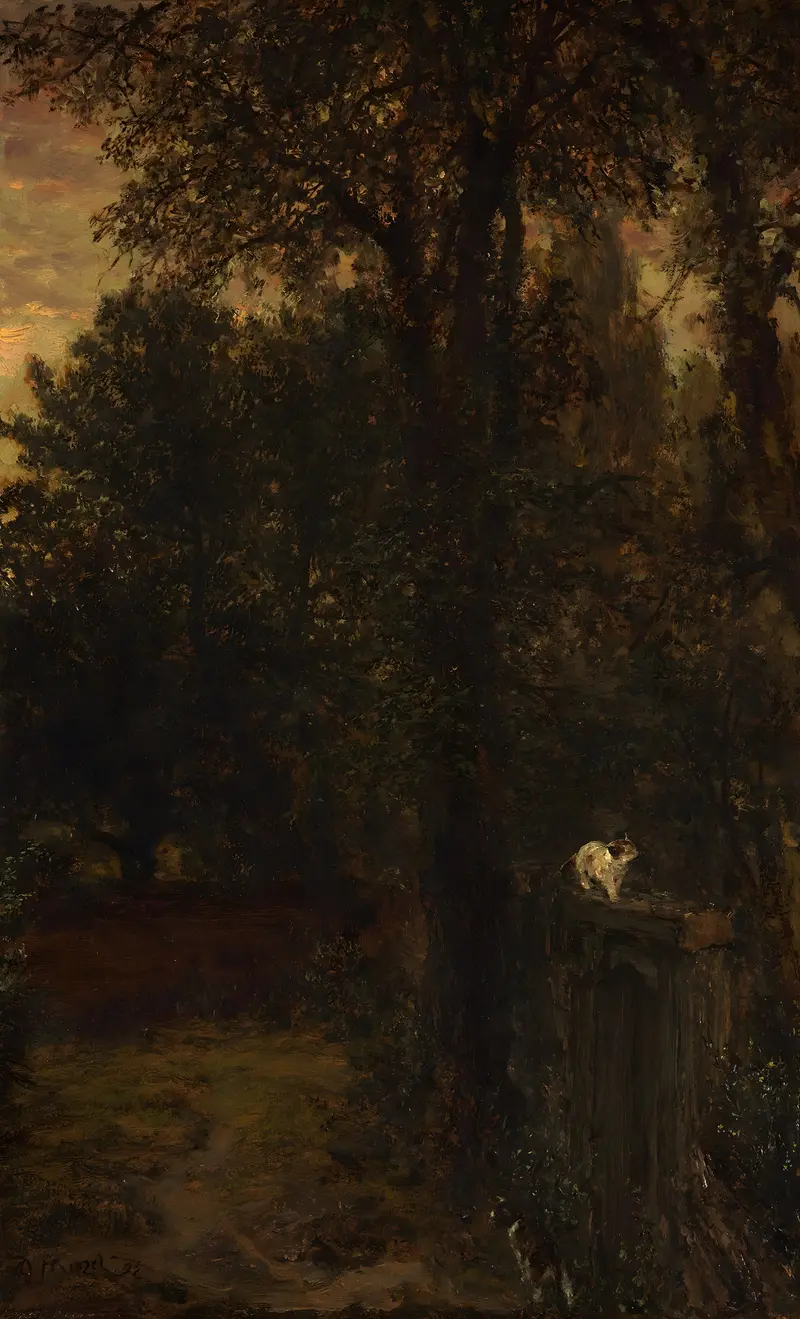
Landscape
Adolph von Menzel
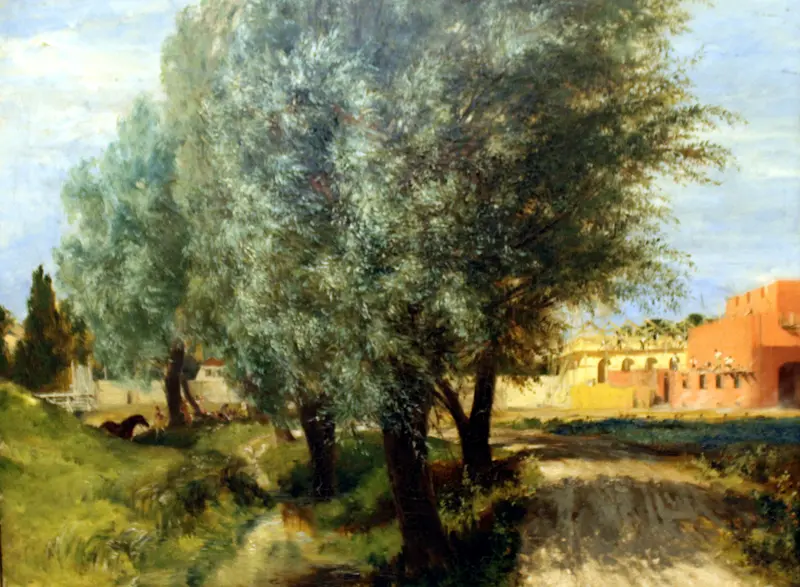
Building Site with Willows
Adolph von Menzel
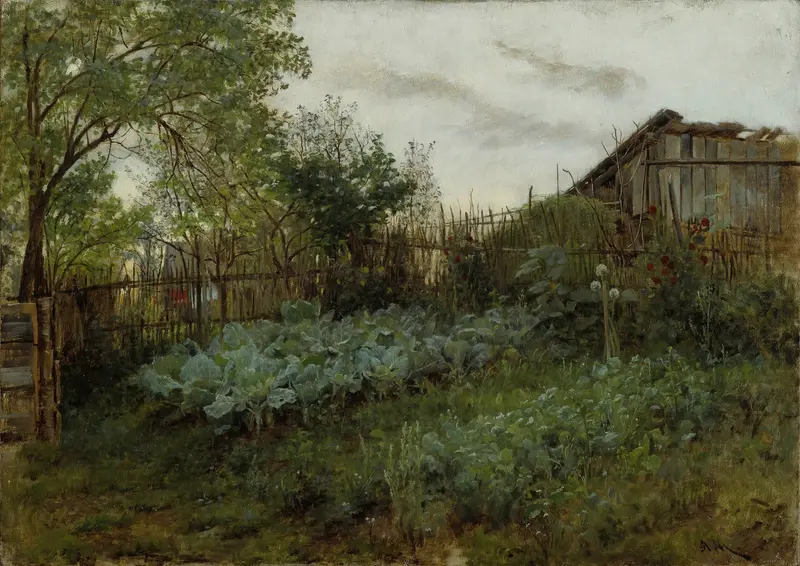
The Back Garden
Adolph von Menzel
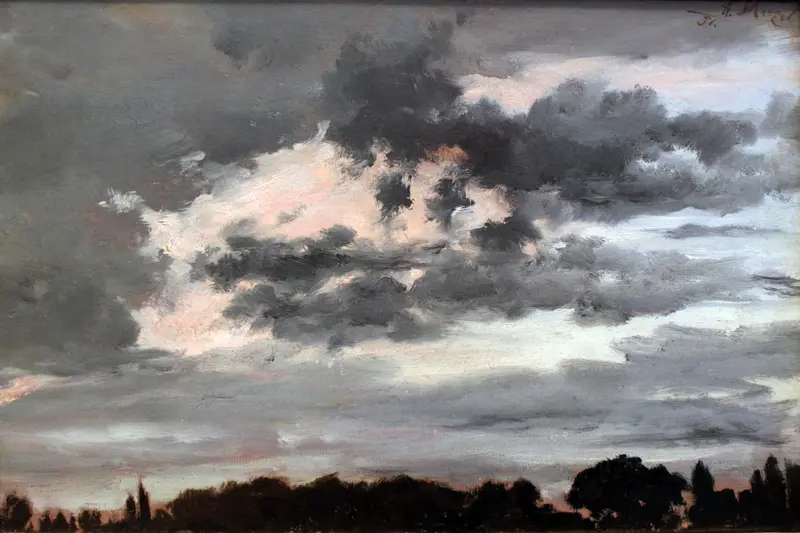
Cloud Study
Adolph von Menzel
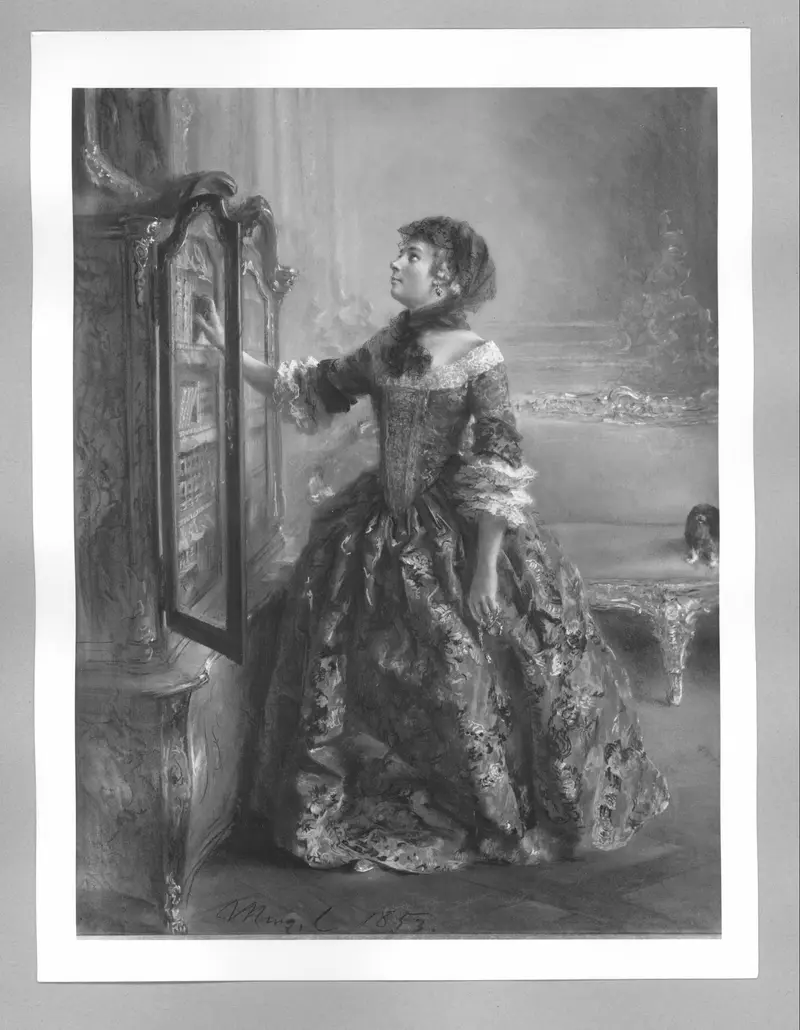
Adolf Friedrich Erdmann Menzel Dame in Rokoko Kostüm vor einem Bücherschrank (Prinzessin Amalie von Hohenzollern) 2320 Führermuseum
Adolph von Menzel
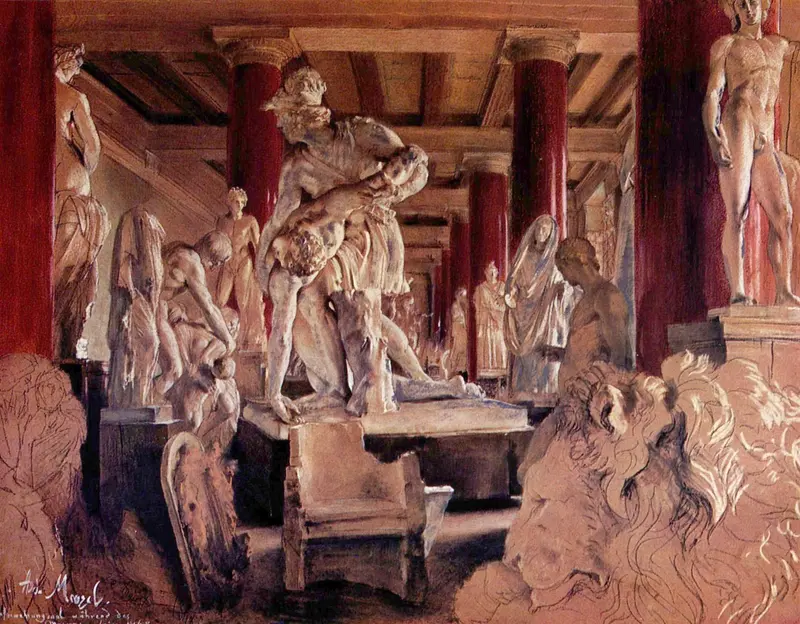
Aufbewahrungssaal während des Museumsumbaus Adolf Friedrich Erdmann von Menzel (Alte Nationalgalerie, Berlin)
Adolph von Menzel
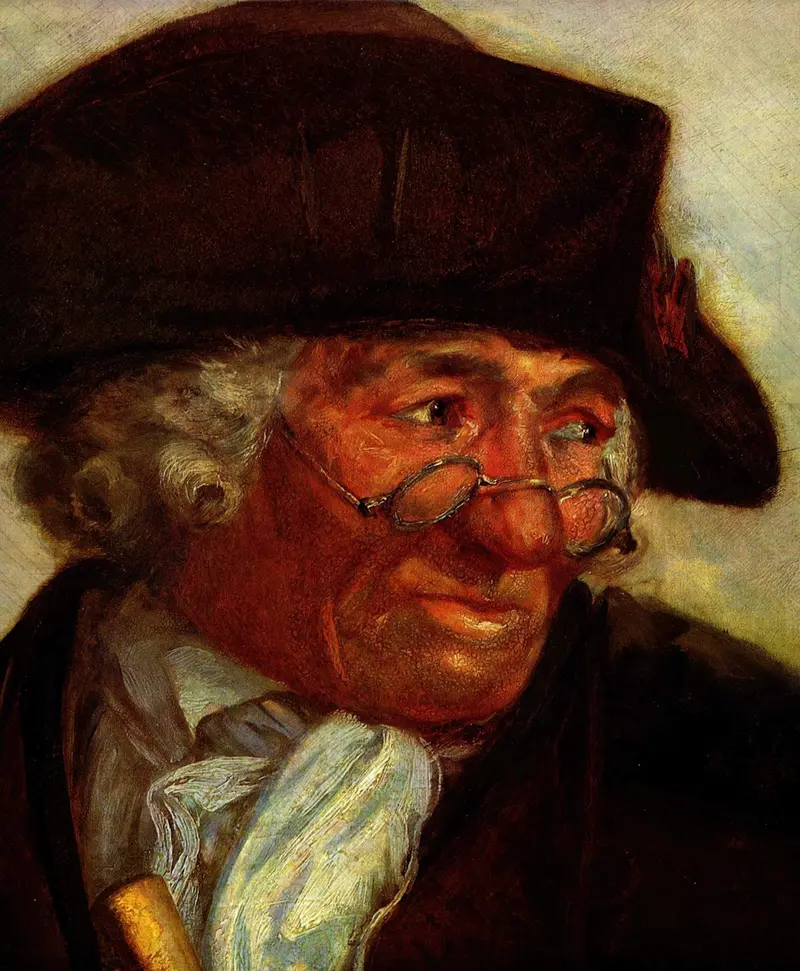
Chodowiecki on the Jannowitz Bridge
Adolph von Menzel
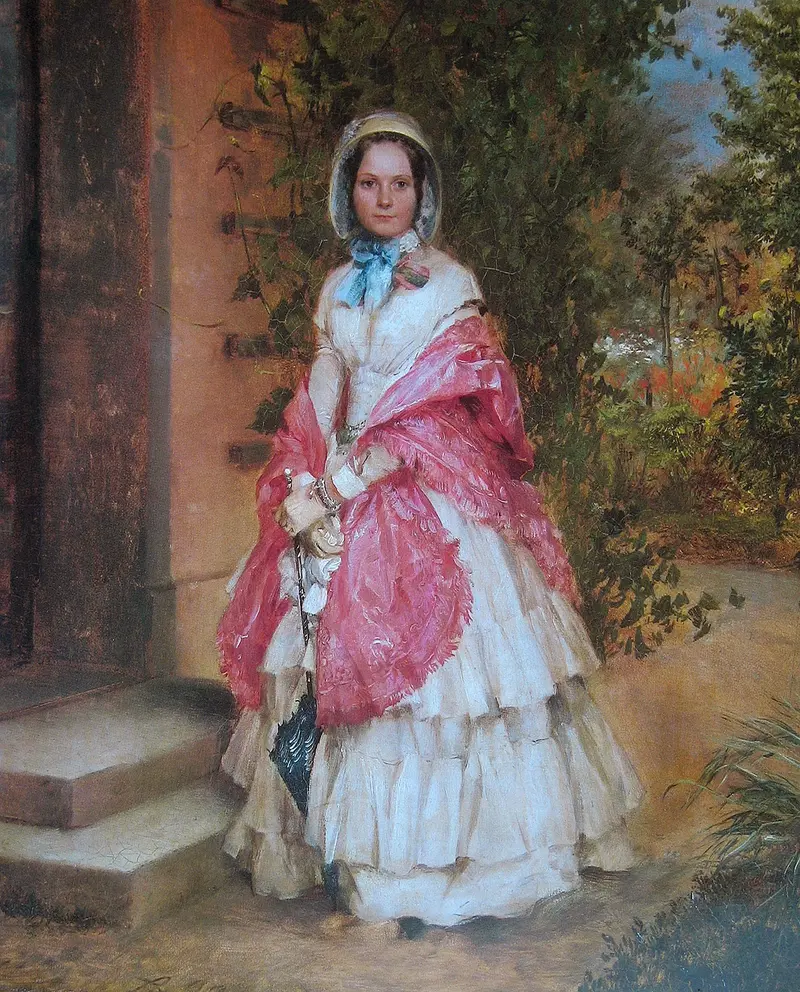
Clara Schmidt von Knobelsdorff ready to go out
Adolph von Menzel
More Genre Scene Art

Banquet of the Officers of the St George Civic Guard
Frans Hals

Rembrandt and Saskia in the Scene of the Prodigal Son
Rembrandt van Rijn

Bal du moulin de la Galette
Pierre-Auguste Renoir

Quadrille at the Moulin Rouge
Henri de Toulouse-Lautrec

A Burial at Ornans
Gustave Courbet

When Will You Marry?
Paul Gauguin