
Le Bateau À Voiles — History & Facts
Did the painter know this moment would outlive them? In Le Bateau À Voiles, the ephemeral dance of light and shadow captures the precarious beauty of existence, inviting us to ponder what slips through our fingers as time unfurls. Look to the left at the gentle curve of the sail, its billowing form illuminated by the sun's warm embrace. The vivid blues of the water shimmer beneath, contrasting with the deep shadows cast by the boat’s hull. Notice how the artist delicately layers paint to create depth, allowing the interplay of light and shadow to breathe life into the scene, evoking a sense of calm serenity.
Each brushstroke seems deliberate, drawing the viewer's eye across the canvas to the horizon, where sky and water blend seamlessly. In this composition, there's a poignant contrast between movement and stillness. The boat glides forward, yet the shadows linger, hinting at the transient nature of our journey through life. This duality reflects a deeper emotional tension—while the sail is buoyant and full, the shadows beneath serve as a reminder of what is hidden, the unseen depths of our experiences.
The moment encapsulated becomes a meditation on presence, urging us to consider both what is visible and the layers that remain shrouded in silence. Created during a time of artistic exploration and innovation, this work emerged as the artist navigated the shifting tides of impressionism in France. The late 19th century saw Trouillebert grappling with the relationships between nature and light, as the art world increasingly embraced the fleeting, modern moment. In Le Bateau À Voiles, one can sense his quest for clarity amidst complexity, a timeless reflection on the beauty that exists in both illumination and shadow.
More Artworks by Paul Désiré Trouillebert
Browse all →
Paysage aux lavandières
Paul Désiré Trouillebert
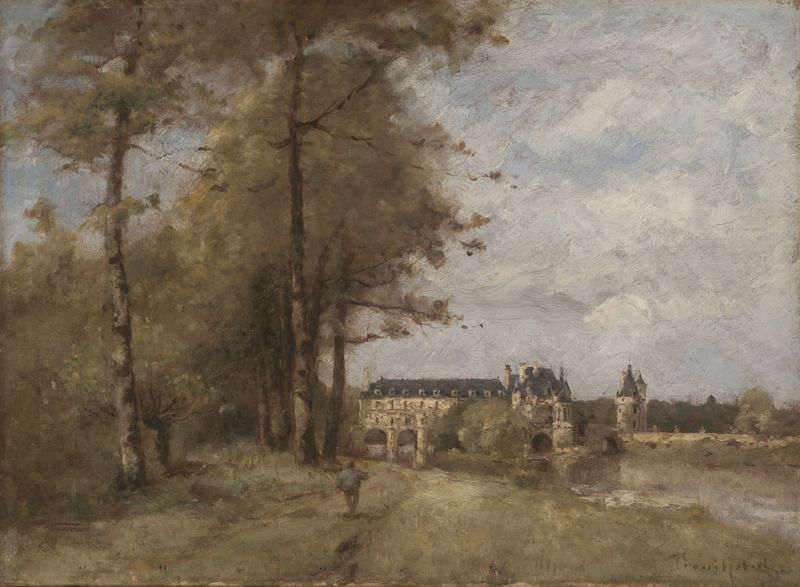
El castillo de Chenonceaux
Paul Désiré Trouillebert
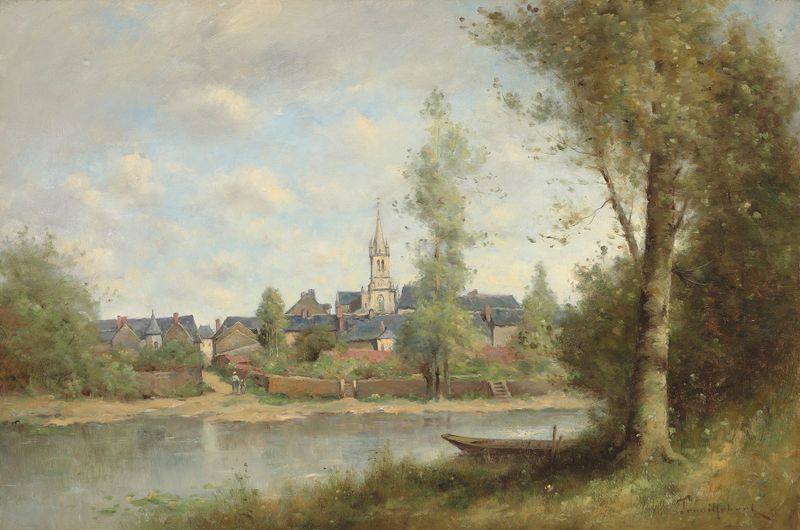
Vue De La Flèche
Paul Désiré Trouillebert

Heimweg am Fluss
Paul Désiré Trouillebert
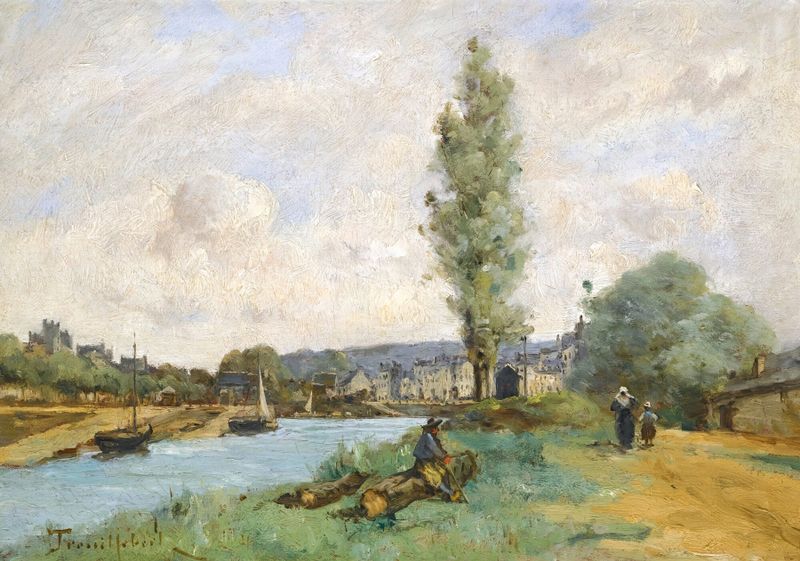
Le Pont De Landernau, Finistere
Paul Désiré Trouillebert
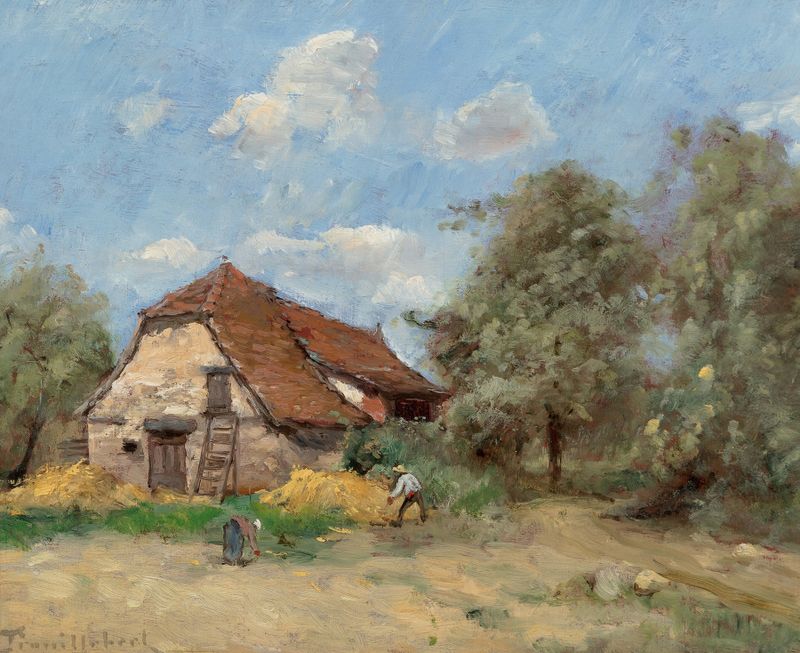
Le faucheur près de la ferme
Paul Désiré Trouillebert
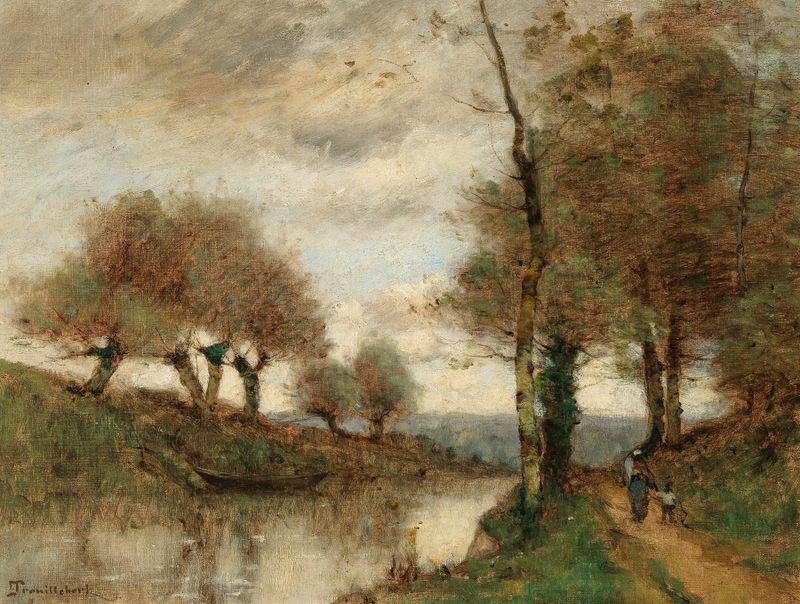
Returning Home along the River
Paul Désiré Trouillebert

Les Fagoteuses Au Bord De L’eau
Paul Désiré Trouillebert
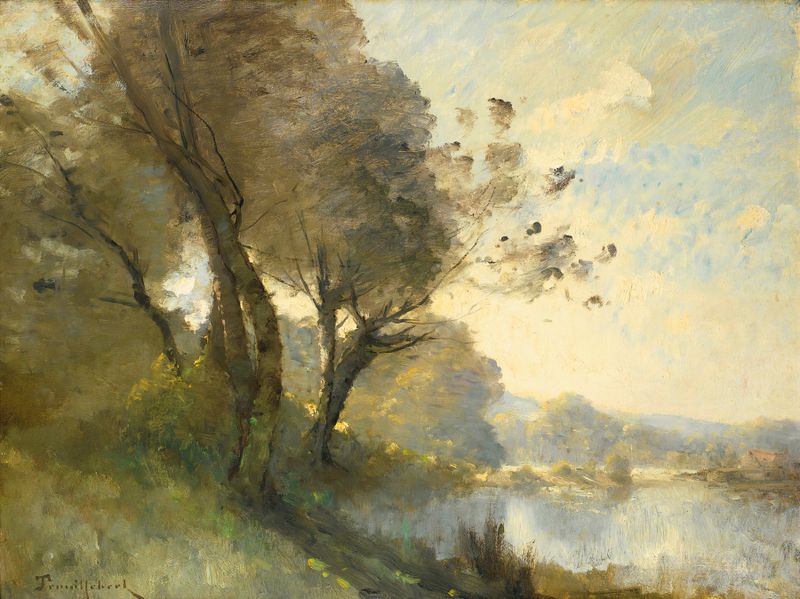
Barrage En Ruine Sur La Vienne
Paul Désiré Trouillebert
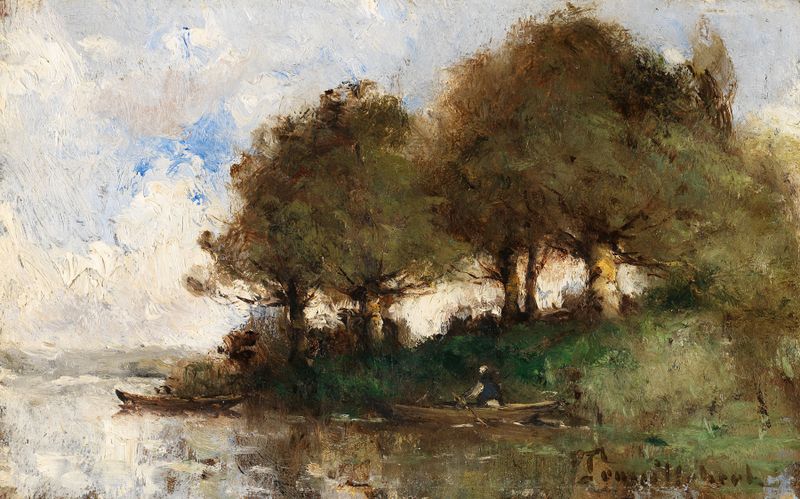
Flussufer
Paul Désiré Trouillebert





