
Le battage du blé au village — History & Facts
In Le battage du blé au village, Henry Moret captures the essence of labor and longing, weaving a tapestry of colors that echoes the cycles of nature and human perseverance. Look to the foreground where the figures labor tirelessly, their postures bent and determined under the weight of the golden grain. Notice how the warm yellows and browns of the wheat contrast sharply with the cool blues of the distant sky, creating a visual dialogue that reflects both the vibrancy of rural life and the subtle decay of time. The gentle strokes of the brush convey movement, guiding the eye across the canvas, as if the viewer could feel the rustle of the stalks and hear the distant shouts of the workers. Delve deeper into the piece, and you'll find emotional layers encapsulated in the scene.
The richness of the wheat serves as a reminder of life's bounty, while the fatigue of the laborers hints at the inevitable passage of time and the hardships faced by rural communities. The juxtaposition of vibrant color against hints of shadow reveals an underlying tension—a recognition that each harvest is not just a celebration but also a fleeting moment, a reminder of nature’s relentless cycle of growth and decay. In 1894, Henry Moret painted this work during his time in Brittany, a region experiencing both economic struggle and cultural revival. As an artist influenced by the Impressionist movement, he sought to capture the authenticity of rural life while also reflecting on the changes brought by modernity.
This painting manifests a specific moment in more than just the landscape; it represents the intersection of labor, community, and the passage of time.
More Artworks by Henry Moret
Browse all →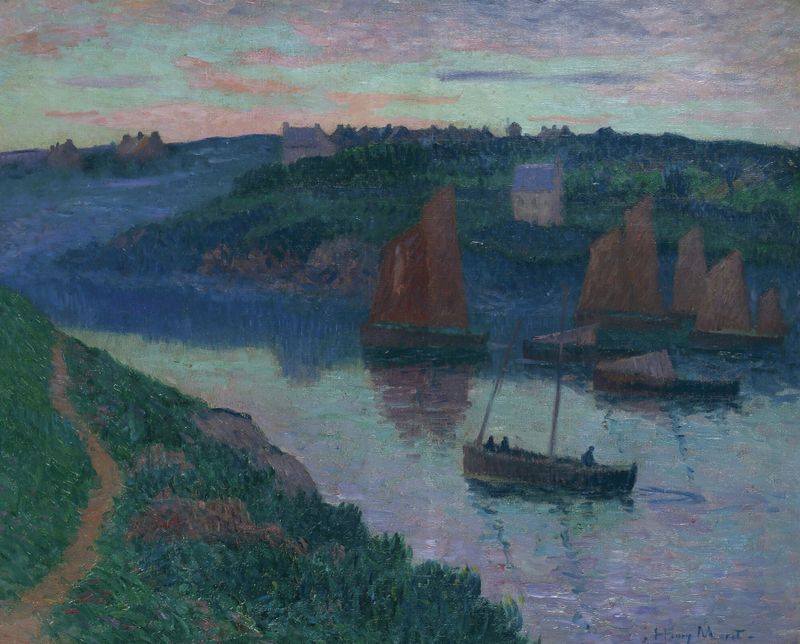
Bateaux De Pêche En Bretagne
Henry Moret
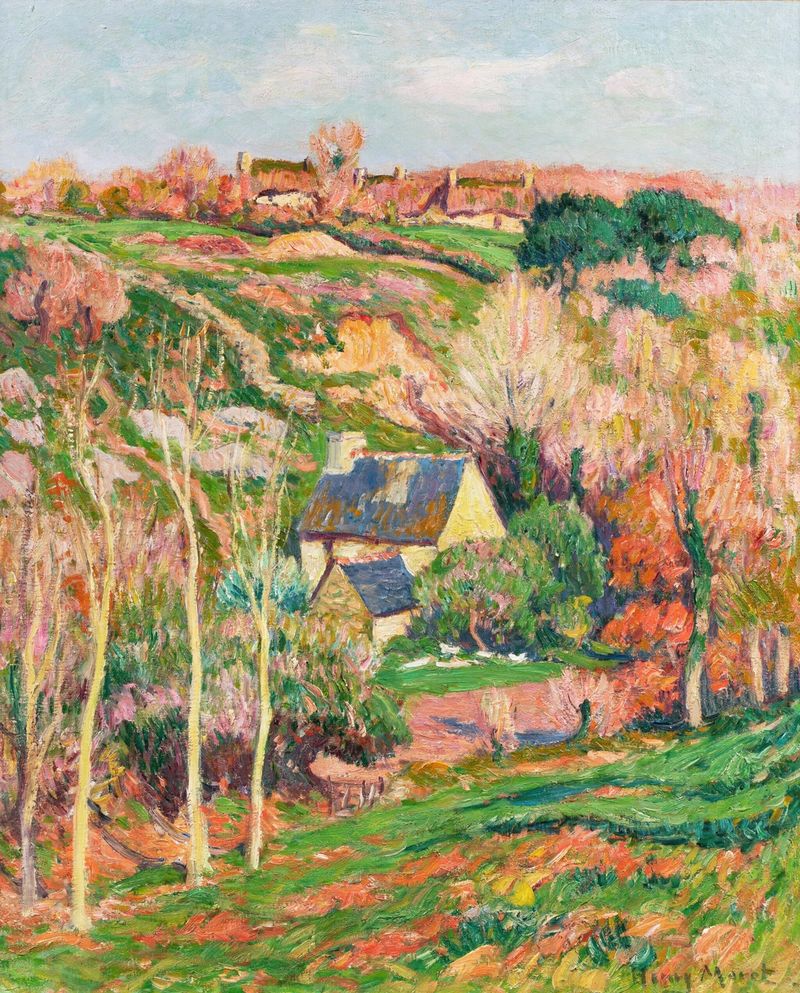
Fermes en Bretagne
Henry Moret
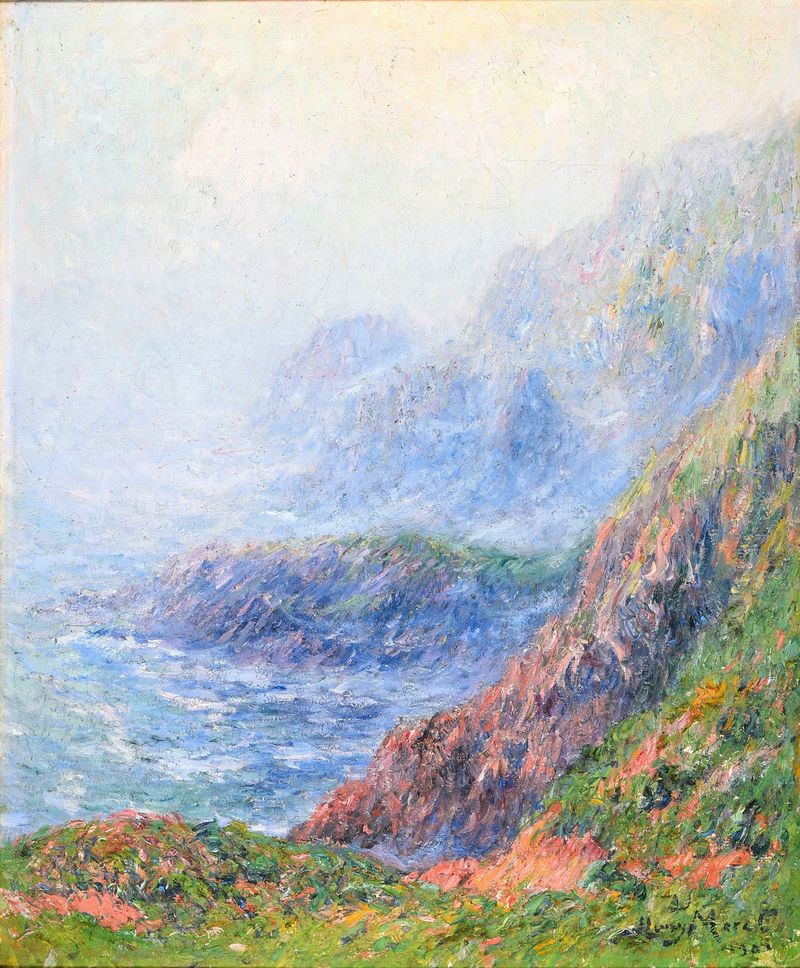
Matinée brumeuse à Ouessant
Henry Moret
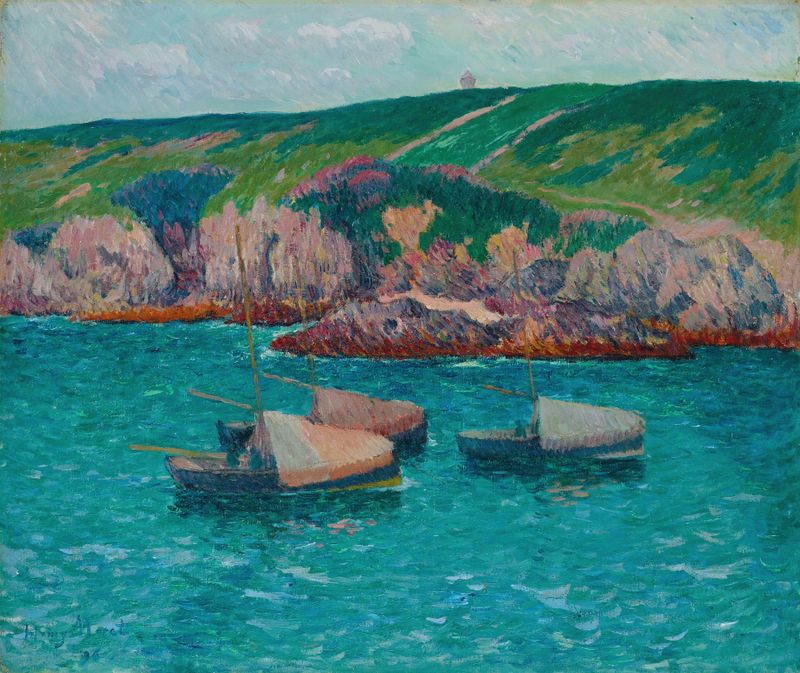
Les Barques à Doëlan
Henry Moret
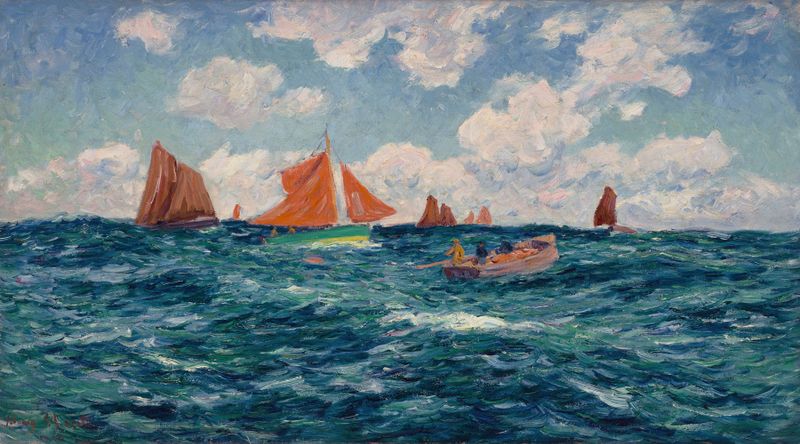
Pêcheurs au large
Henry Moret
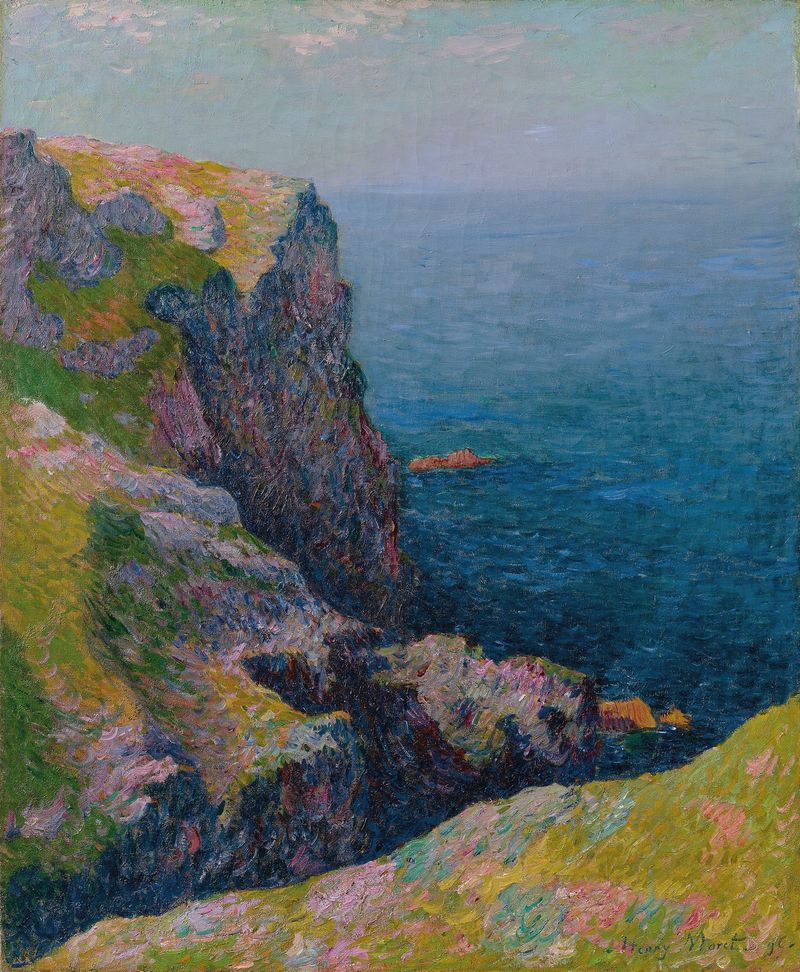
Ile de Groix, Pointe de l’Enfer
Henry Moret
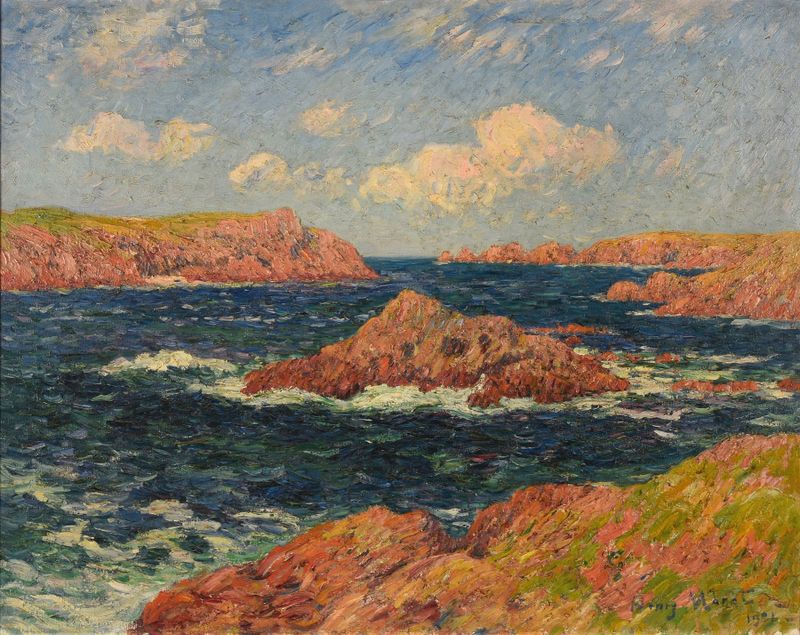
L’Ile de Kerellec (Ouessant)
Henry Moret
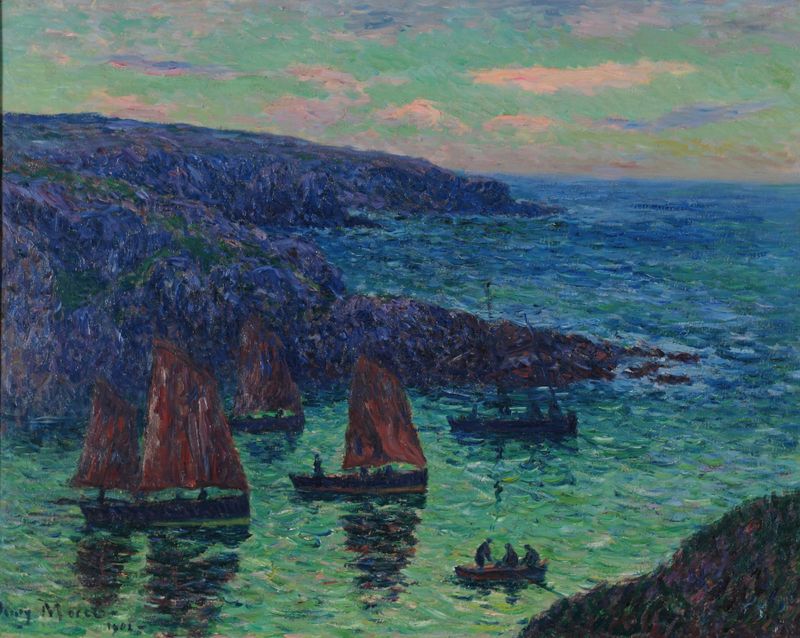
Le soir à Douëlan
Henry Moret
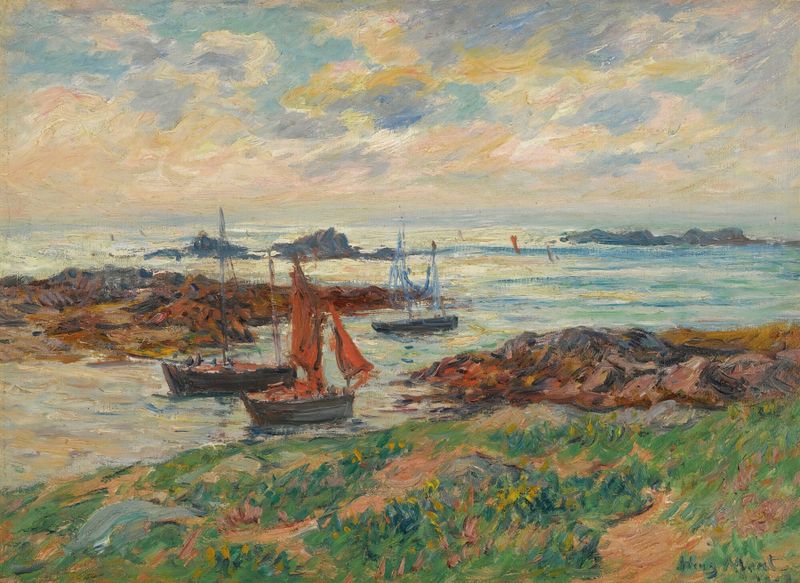
Les Glénans, Finistère
Henry Moret
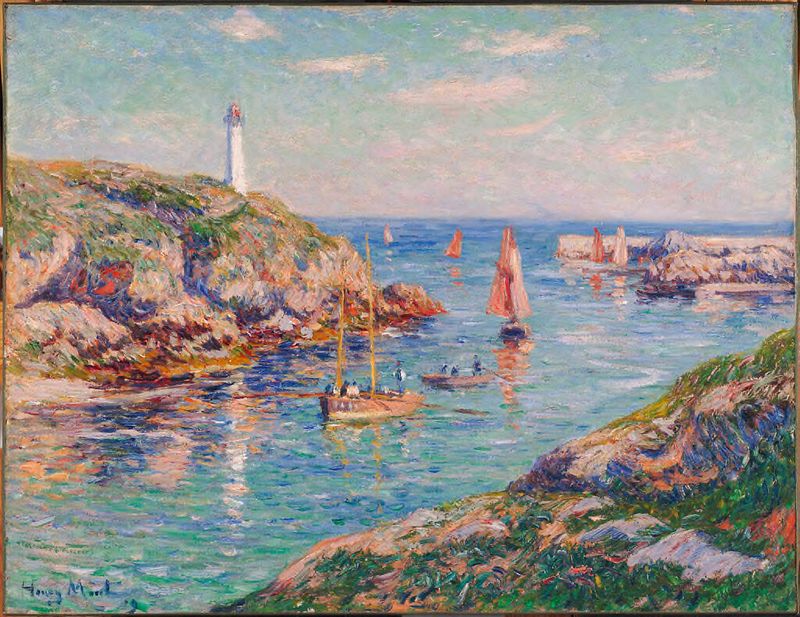
The Port of Douvelan
Henry Moret





