
Le Bazar de la Charité après l’incendie du 4 juin 1897 — History & Facts
In the aftermath of tragedy, the canvas becomes a silent witness to collective grief and yearning. It captures a moment when desires linger amidst the ashes, imbuing each hue with the weight of lost dreams. Look to the center; the chaos of the scene unfolds with figures emerging from the gray haze, each face etched with sorrow and disbelief. The artist utilizes a muted palette, predominantly grays and somber browns, interspersed with splashes of color that signify life amidst devastation.
The diagonal lines of smoke and the oppressive heaviness of the air draw the viewer’s eye across the tumult, emphasizing both the intimacy and the distance between the people and their shared trauma. In the foreground, subtle details reveal intricate stories: a child clutches their mother’s hand tightly, eyes wide with confusion; a man kneels, cradling remnants of the bazaar, his expression a blend of despair and nostalgia. The contrast between the expressions of the survivors and the charred remains of the once-bustling market evokes a haunting tension between longing and loss, illustrating the fragility of desire in the face of destruction. Painted in the summer of 1897, this work reflects the artist’s personal response to the devastating fire that consumed the Bazar de la Charité in Paris, an event that marked an era of social consciousness and artistic reflection. At this time, Bianco was deeply influenced by the burgeoning Symbolist movement, which sought to express emotions and ideas through symbolic imagery, making this piece a critical intersection of personal and societal tragedy.
More Historical Art
Browse all →
The Night Watch Militia Company of District II under the Command of Captain Frans Banninck Cocq
Rembrandt van Rijn
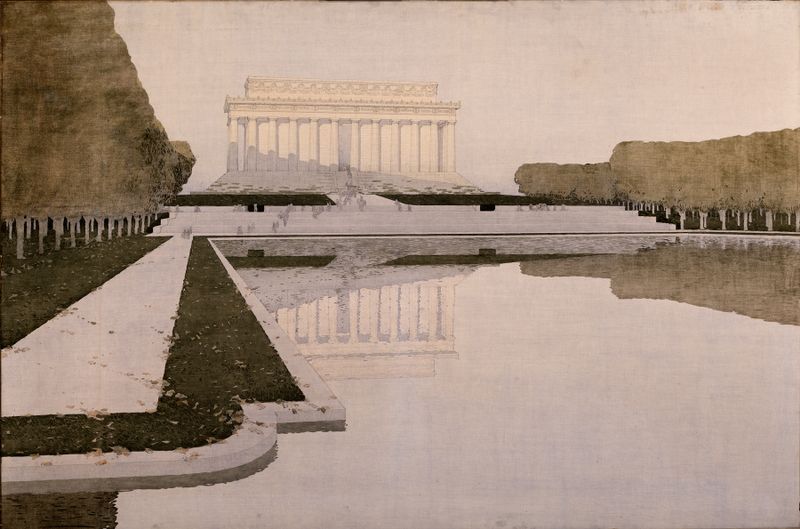
Lincoln Memorial
Henry Bacon
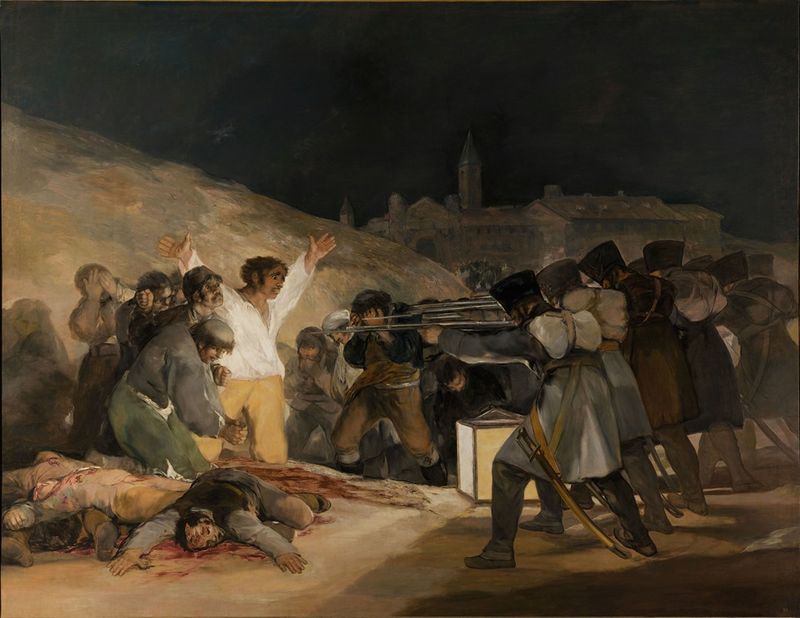
The Third of May 1808
Francisco de Goya

Isaac and Rebecca, Known as ‘The Jewish Bride’
Rembrandt van Rijn
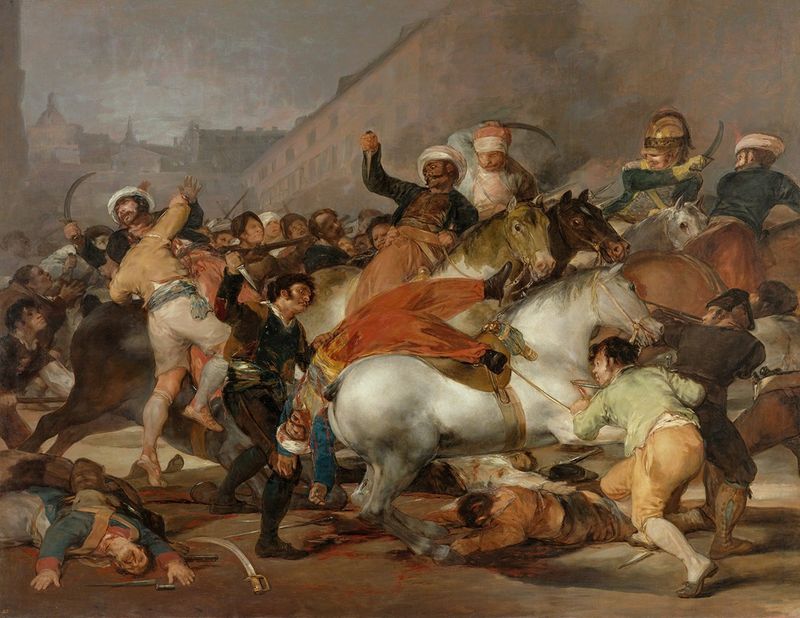
The Charge of the Mamelukes (1814)
Francisco de Goya
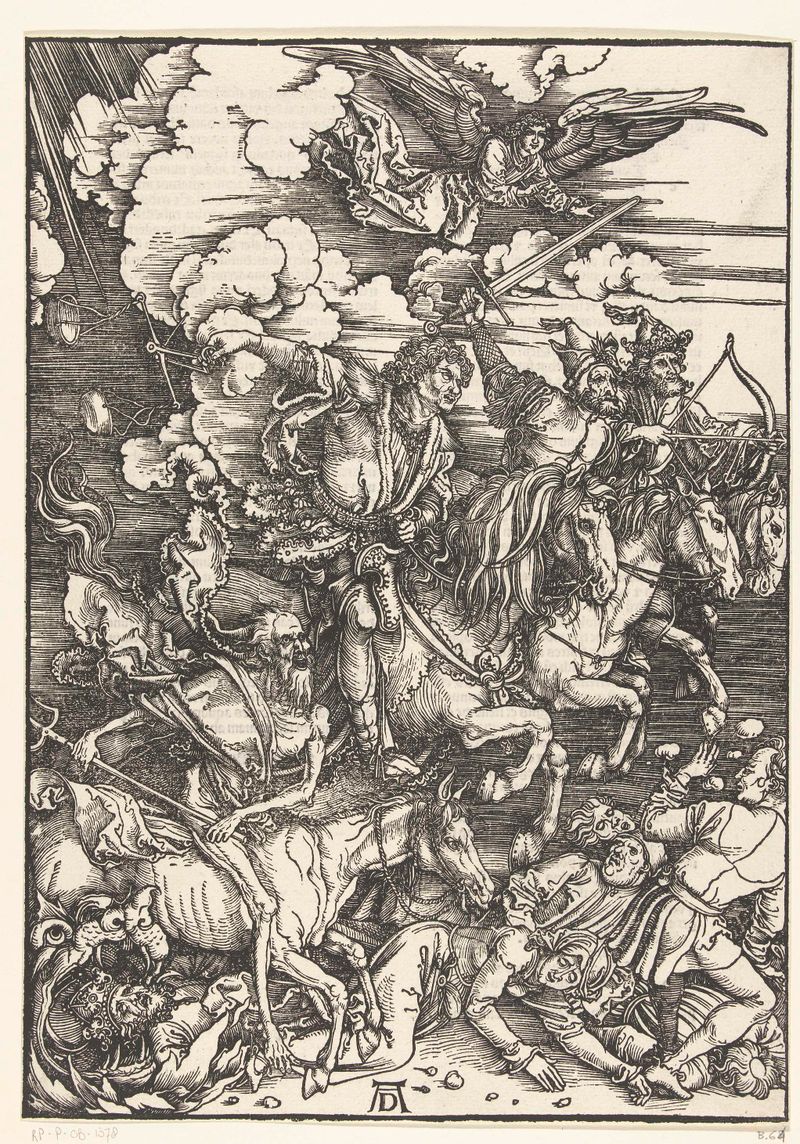
De vier ruiters van de apocalyps
Albrecht Dürer