
Le bonheur (Happiness) — History & Facts
When did color learn to lie? In a world where hues dance with vibrancy, we often forget the whispers of darkness lurking beneath. Look to the center of Le bonheur, where a radiant figure adorned in a flowing gown stands against a backdrop of blooming flowers. The artist’s deft brushwork brings the petals to life, vibrant pinks and lush greens contrasting sharply with the shadowy hints that encircle the scene. Notice how the light bathes her face, illuminating an expression that teeters between joy and an unshakeable melancholy.
This juxtaposition invites the viewer to explore the dichotomy of happiness and its ephemeral nature. Deeper still, one can find a tension that underscores the entire composition. The juxtaposition of the idyllic garden with the woman’s internal struggle suggests that happiness may very well be a transient illusion. The delicate flowers, so vivacious in their beauty, hint at the inevitability of decay, reminding us of the fleeting nature of life itself.
Moreover, the painting's soft, almost fugitive light evokes a sense of nostalgia, coaxing forth questions about the permanence of our joys in the face of mortality. Created in 1840, Le bonheur emerged during a period of social upheaval in France, as the country grappled with the aftermath of revolution and the shifting tides of artistic expression. Blery, influenced by the Romantic ideals of his time, sought to evoke emotional resonance through his use of color and light, capturing the complexities of human experience. As he painted, the world around him buzzed with a yearning for beauty, juxtaposed with an awareness of life's impermanence, a theme that resonates powerfully through this remarkable work.
More Artworks by Eugene-Stanislas-Alexandre Blery
Browse all →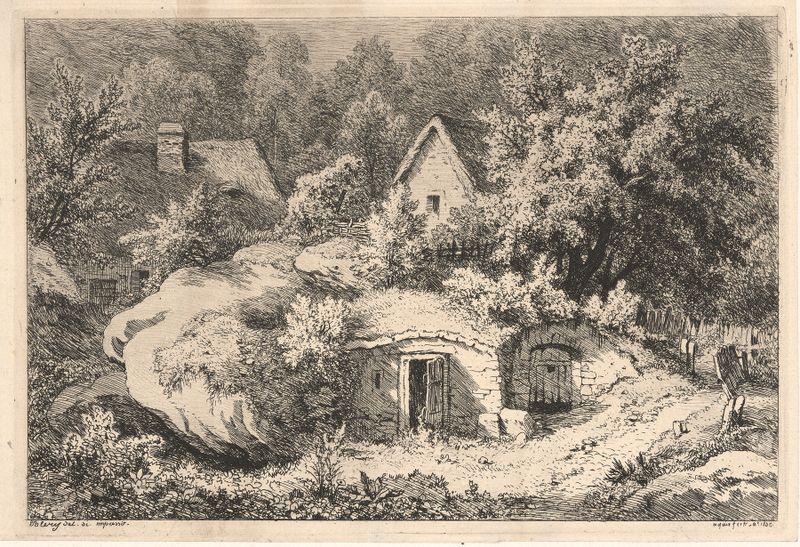
Les caves (The cellars)
Eugene-Stanislas-Alexandre Blery
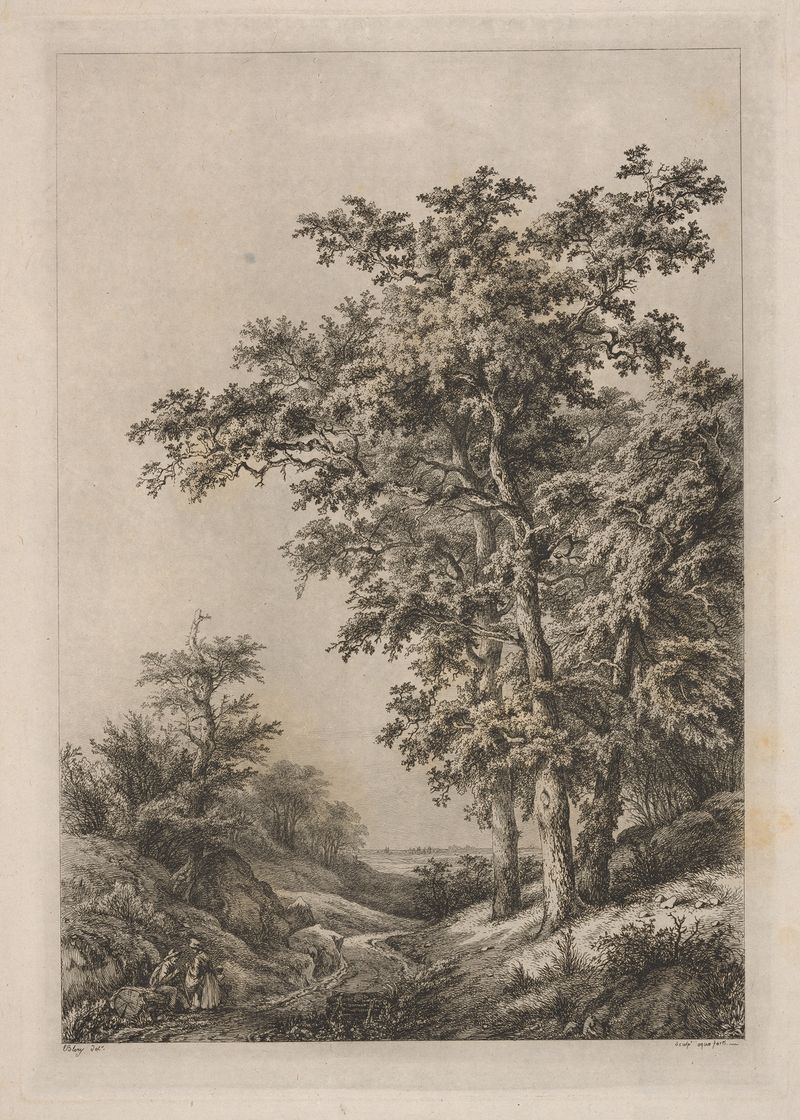
The three oaks
Eugene-Stanislas-Alexandre Blery
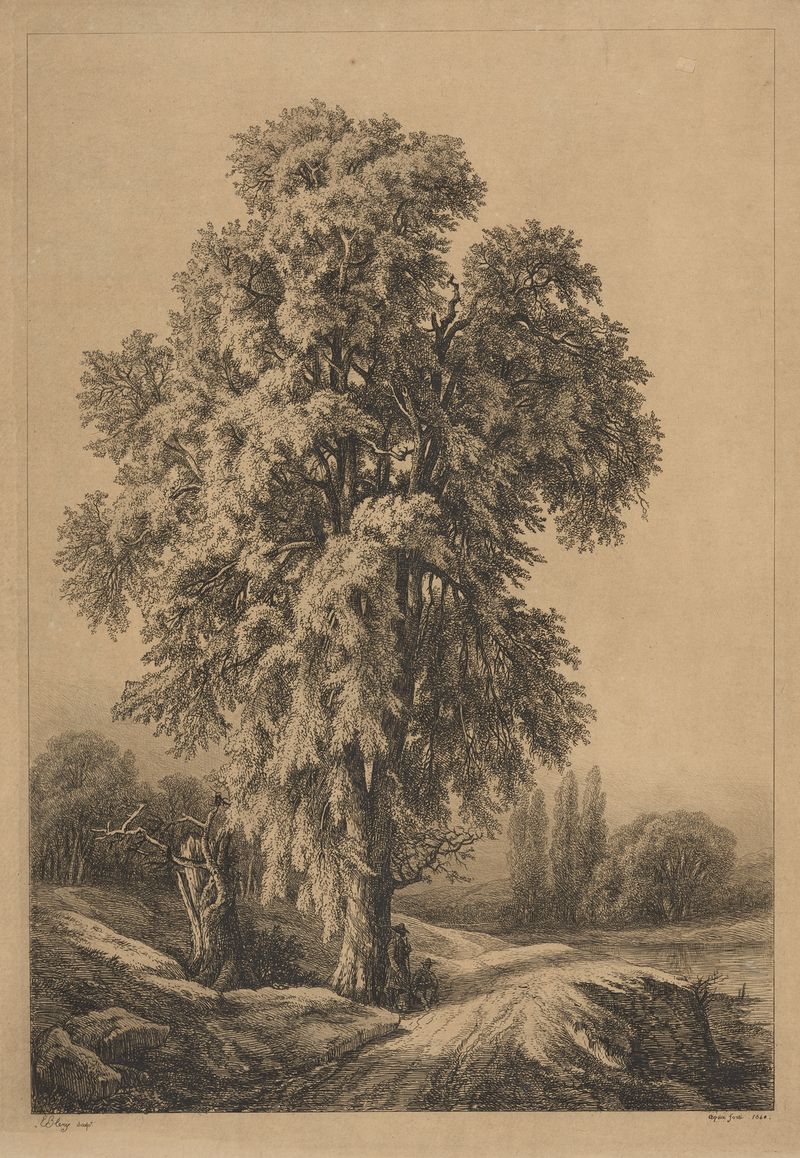
Landscape with two travelers beneath tree along path
Eugene-Stanislas-Alexandre Blery

Le pont aux roches a Senlisse (The rock-bridge at Senlisse)
Eugene-Stanislas-Alexandre Blery
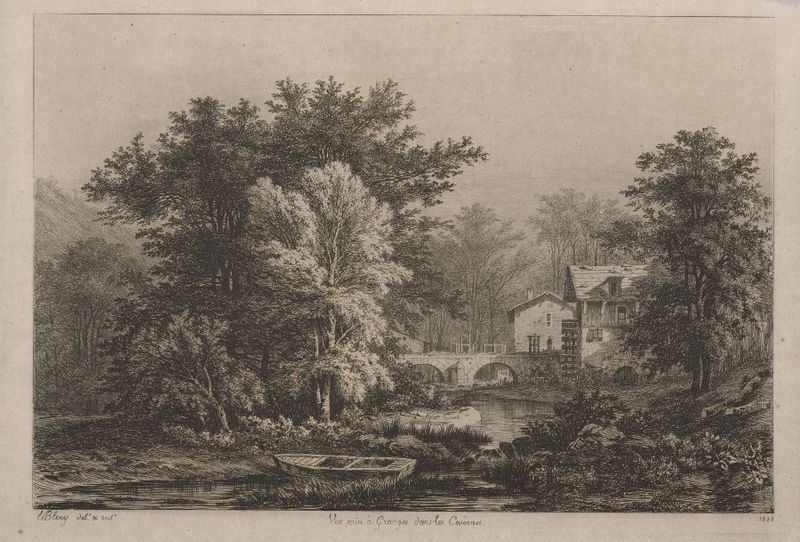
Vue prise a granges dans les Cevennes (View taken of a mill in the Cevennes)
Eugene-Stanislas-Alexandre Blery





