
Le Buste — History & Facts
Can paint confess what words never could? In Le Buste, the essence of grief and loss is captured in a silent conversation between past and present, where the weight of memory lingers in the air. Look to the left at the striking marble bust, its features both serene and haunting. The soft light envelops it, accentuating its contours and casting gentle shadows that evoke an atmosphere of quiet contemplation. Notice how the artist employs a muted palette of earth tones, allowing the bust to take center stage, while the subtle interplay of light highlights its exquisite details, drawing your gaze deeper into the realm of emotion that it embodies. As you observe, consider the contrast between the cold permanence of the sculpture and the ephemeral nature of life illustrated by the surrounding elements.
The delicate drapery, painted with a light touch, suggests a fleeting moment, while the bust stands resolute, a testament to what has been lost. This tension between permanence and impermanence resonates deeply, inviting viewers to reflect on their own experiences of remembrance and sorrow. Created between 1763 and 1764, this work emerged during a transformative period for the artist, who was navigating the complexities of the Parisian art scene. Robert was influenced by the Neoclassical movement, which emphasized clarity and order but often struggled with the emotional weight of personal experience.
In this context, Le Buste serves as a poignant exploration of grief, revealing the artist's ability to convey profound feelings through the stillness of form.
More Artworks by Hubert Robert
Browse all →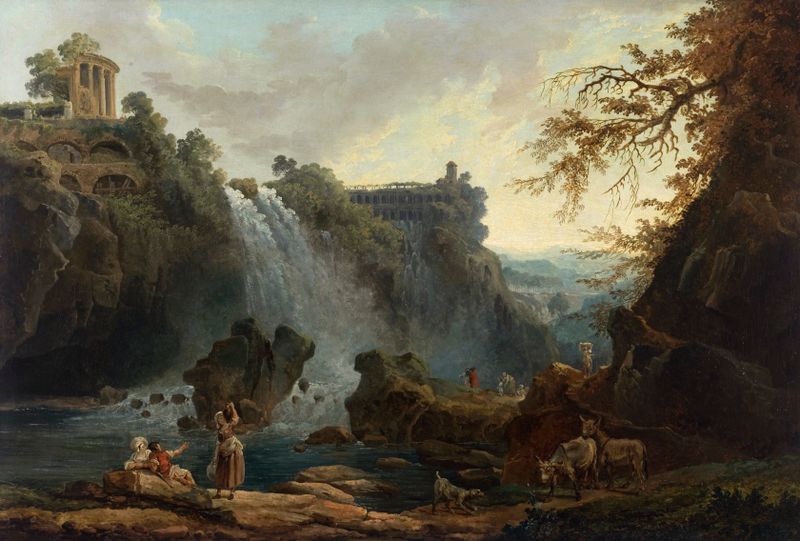
Les Cascatelles de Tivoli
Hubert Robert
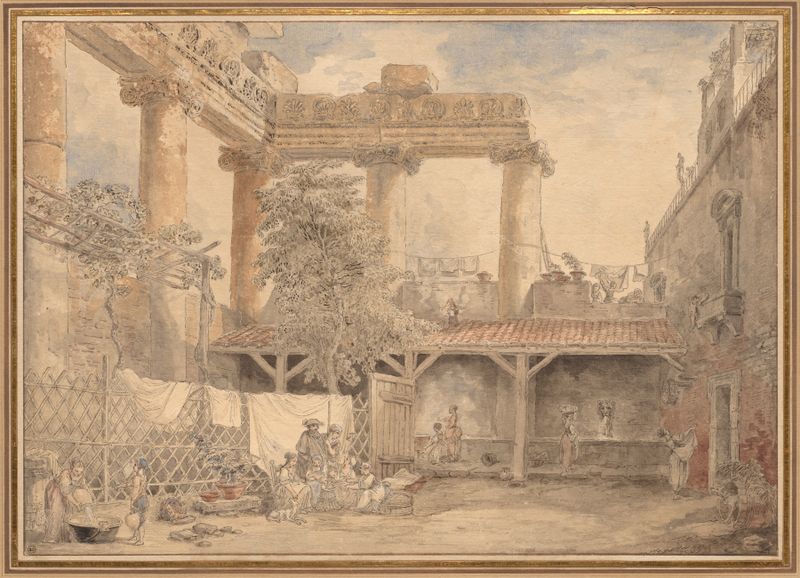
Roman Ruins, Villa Pamfili
Hubert Robert

The Rustic Bridge, Château de Méréville, France
Hubert Robert

The Portico of a Country Mansion
Hubert Robert

Architectural Capriccio
Hubert Robert

The Obelisk
Hubert Robert
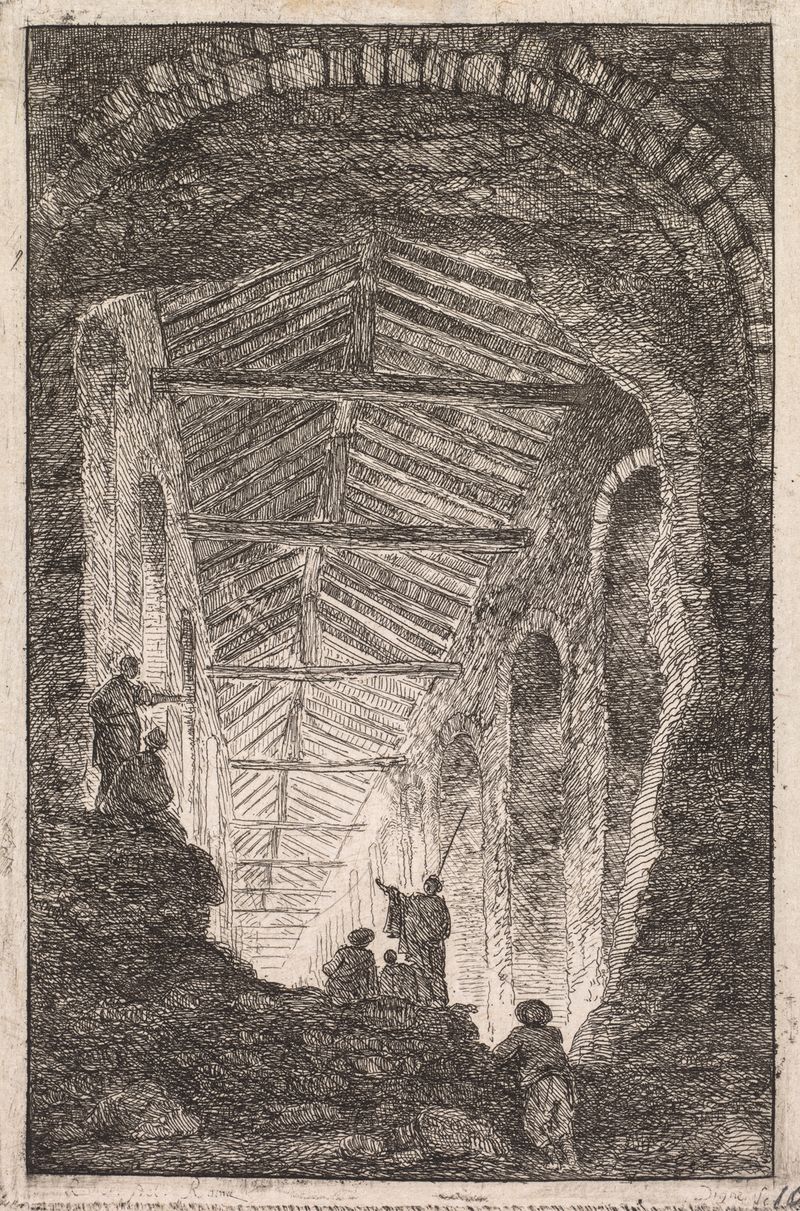
The Antique Gallery
Hubert Robert

L’incendie de l’Opéra, vu des jardins du Palais-Royal, le 8 juin 1781
Hubert Robert
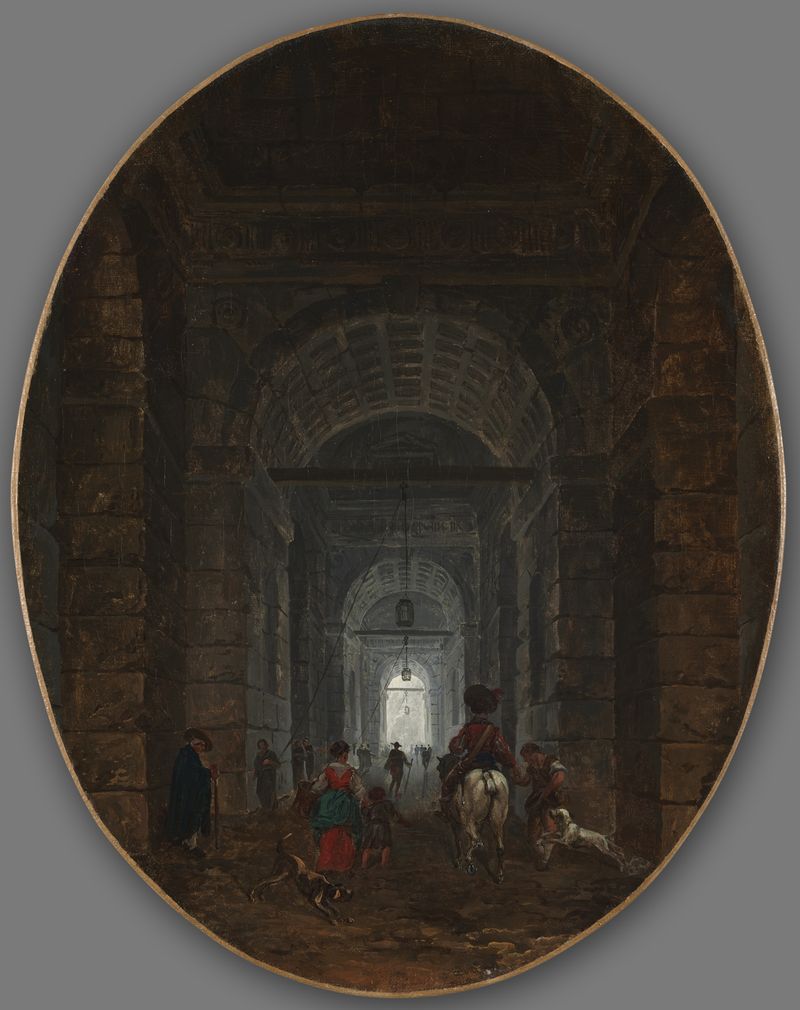
The Grotto of Posillipo
Hubert Robert

Architectural Capriccio with ruins of the Temple of Saturn and the Colosseum in the background
Hubert Robert
More Portrait Art
Browse all →
Las meninas
Diego Velázquez

Self-portrait with a Bandaged Ear and Pipe
Unidentified artist

Girl with a Pearl Earring
Johannes Vermeer

The Sampling Officials of the Amsterdam Drapers’ Guild, Known as ‘The Syndics’
Rembrandt van Rijn

The Hundred Guilder Print: the man seen on the back in the lower left corner
Rembrandt van Rijn

Portrait of Dr Gachet
Vincent van Gogh