
Le champ de coquelicot — History & Facts
Can paint confess what words never could? In Le champ de coquelicot, a field of red poppies dances with the breeze, whispering secrets of ecstasy and fleeting beauty that resonate in the soul. Look to the vibrant swath of crimson that dominates the canvas, each petal alive with the pulsing energy of spring. The lush greens of the grass below cradle the bright blossoms, creating a striking contrast that draws the eye. Notice how the sunlight spills across the scene, illuminating the flowers and casting soft shadows that evoke a sense of movement and tenderness.
Delpy’s brushwork captures the essence of a moment, each stroke pulsating with life, inviting viewers to step into the tableau. Yet beneath the beauty lies a deeper narrative, a tension between the ephemeral nature of the blooms and the eternal cycle of life and death. The poppies, symbols of remembrance, suggest both joy and sorrow, connecting the viewer to a universal experience of loss and celebration. This duality is heightened by the serene sky that stretches in the background, hinting at possibility even amidst the transient beauty of the flowers. Created at an uncertain time in the artist's career, Le champ de coquelicot likely emerged during Delpy's exploration of Impressionism in the late 19th century.
Working primarily in France, he was inspired by the interplay of light and color in the natural world, a reflection of the broader movement towards capturing fleeting moments of beauty that defined his contemporaries.
More Artworks by Hippolyte Camille Delpy
Browse all →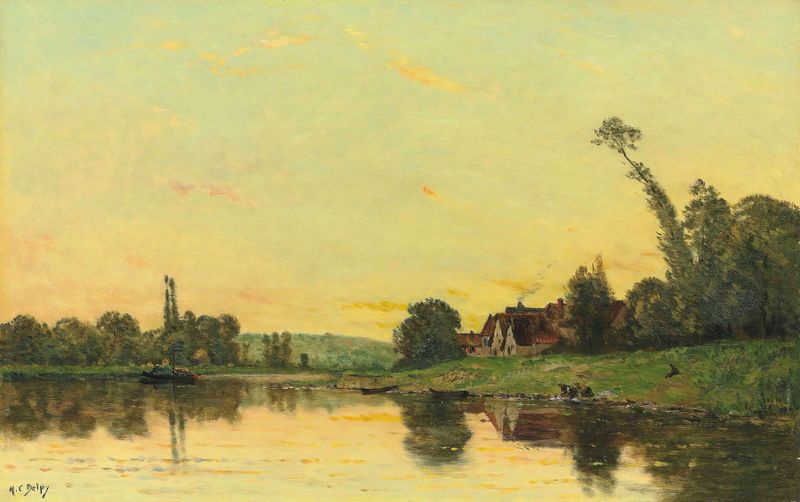
Soleil Couchant à Portejoie
Hippolyte Camille Delpy
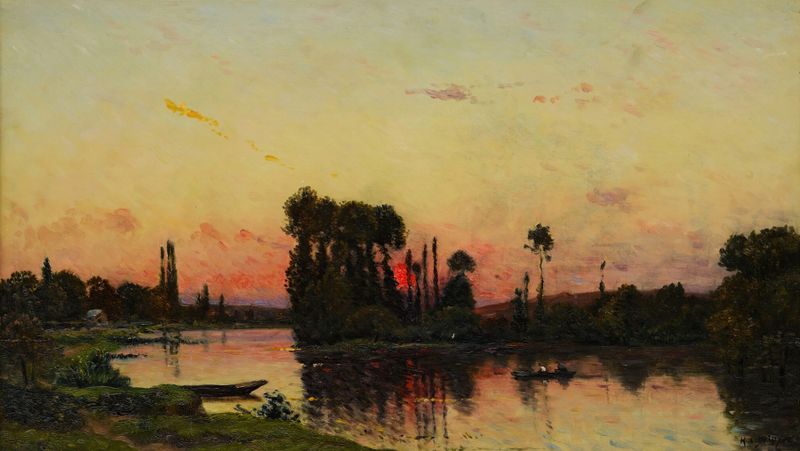
Coucher du soleil sur le rivage
Hippolyte Camille Delpy

Bord de la Seine à Rangiport, le matin
Hippolyte Camille Delpy

The Pond At Dusk
Hippolyte Camille Delpy

A river landscape at dusk
Hippolyte Camille Delpy
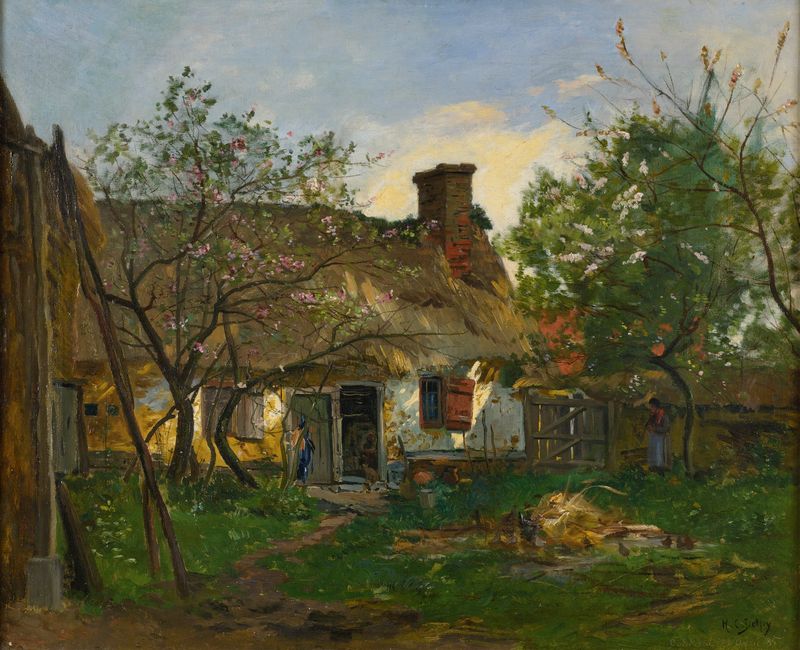
La Chaumiere à Berneval
Hippolyte Camille Delpy

Sunset
Hippolyte Camille Delpy
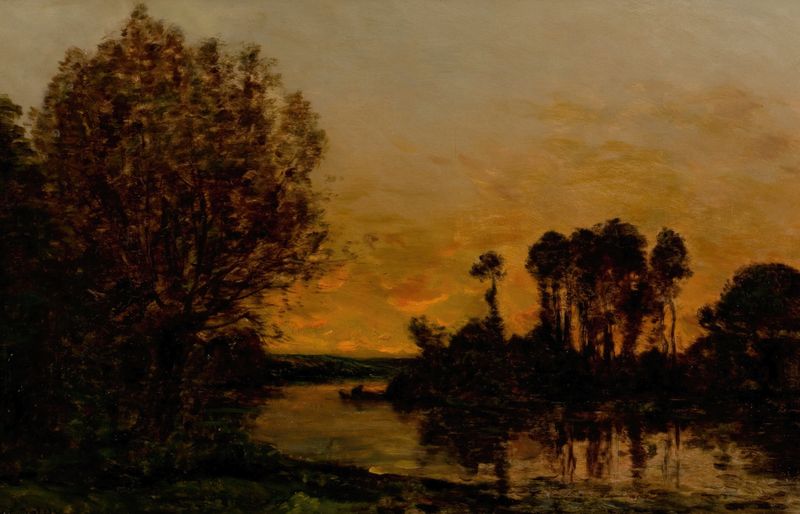
Un Soleil Couchant au Rive
Hippolyte Camille Delpy
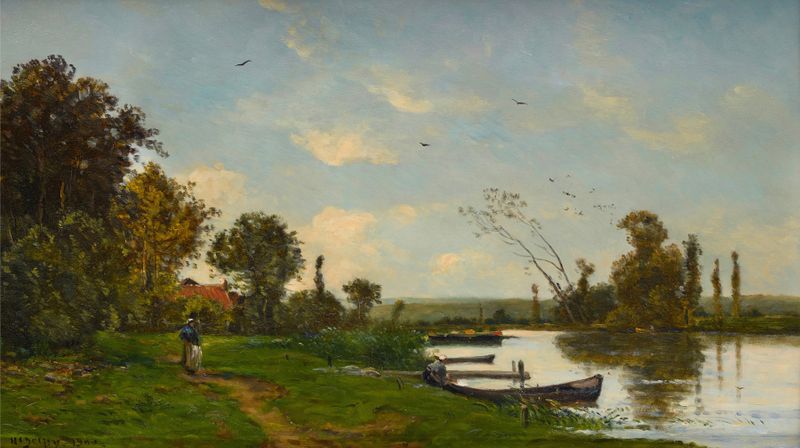
A path along the river
Hippolyte Camille Delpy

Bateau Sur L’oise
Hippolyte Camille Delpy





