
A path along the river — History & Facts
What if beauty was never meant to be finished? The delicate interplay of nature and human presence in A path along the river invites contemplation of our destinies intertwined with the world around us. Look closely at the winding path that meanders beside the shimmering water. The artist employs soft, dappled light filtering through the verdant trees, illuminating the way with a gentle glow. Notice how the rich greens and warm earth tones create a harmonious balance, drawing the eye to the figure walking along the riverbank.
This solitary figure suggests a journey, quietly emphasizing the personal connection between humanity and the natural landscape. Within the serene composition lies a tension between solitude and connection. The lush foliage, while inviting, also hints at an encroaching wilderness, embodying both the allure and the uncertainty of one’s path. The reflective surface of the river mirrors the sky, suggesting that every step taken is a reflection of choices made.
Hidden details, such as the subtle ripples in the water, evoke the idea that the journey is inextricably linked to the flow of time, urging the viewer to ponder their own journey. The painting was created during a period in which Hippolyte Camille Delpy was deeply engaged in the exploration of landscapes that celebrated the beauty of the everyday. This piece likely emerged in the late 19th century, when artists were increasingly drawn to the Impressionist movement, focusing on light, atmosphere, and the fleeting moments of life. It reflects both the artist's personal experiences and the broader shift in the art world towards capturing the essence of nature and human emotion in tandem.
More Artworks by Hippolyte Camille Delpy
Browse all →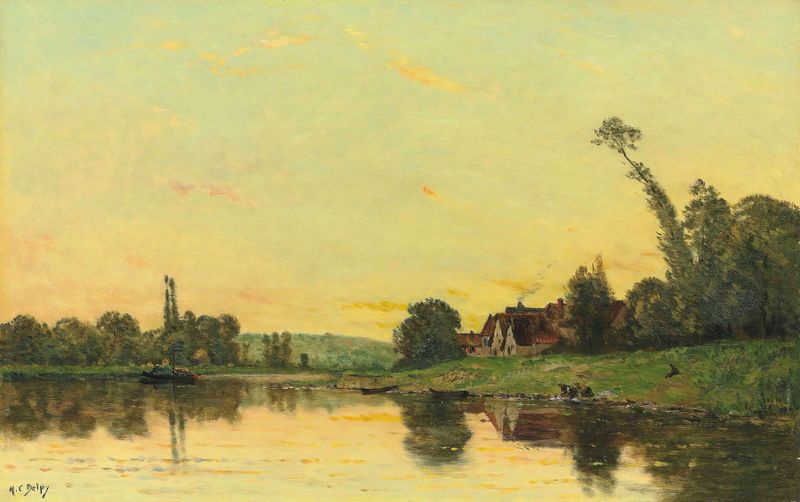
Soleil Couchant à Portejoie
Hippolyte Camille Delpy
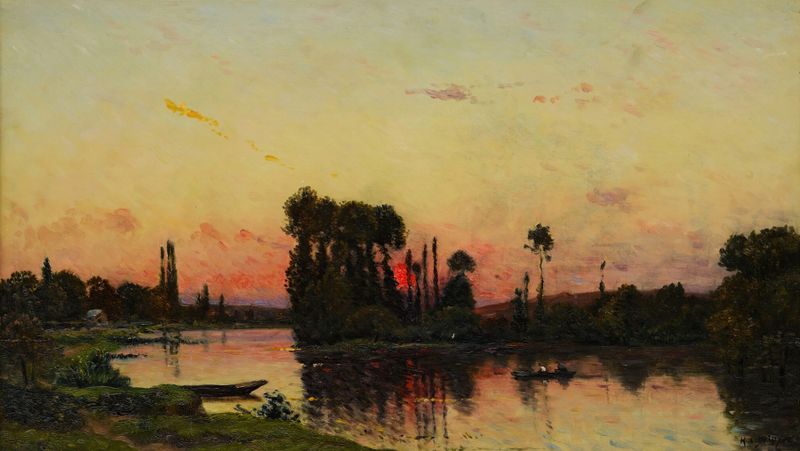
Coucher du soleil sur le rivage
Hippolyte Camille Delpy

Bord de la Seine à Rangiport, le matin
Hippolyte Camille Delpy

The Pond At Dusk
Hippolyte Camille Delpy

A river landscape at dusk
Hippolyte Camille Delpy
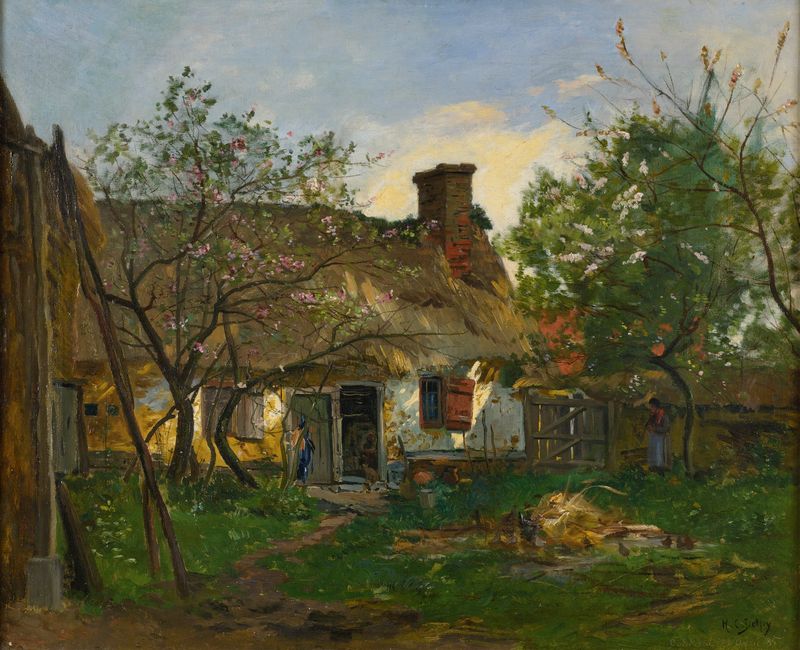
La Chaumiere à Berneval
Hippolyte Camille Delpy

Sunset
Hippolyte Camille Delpy
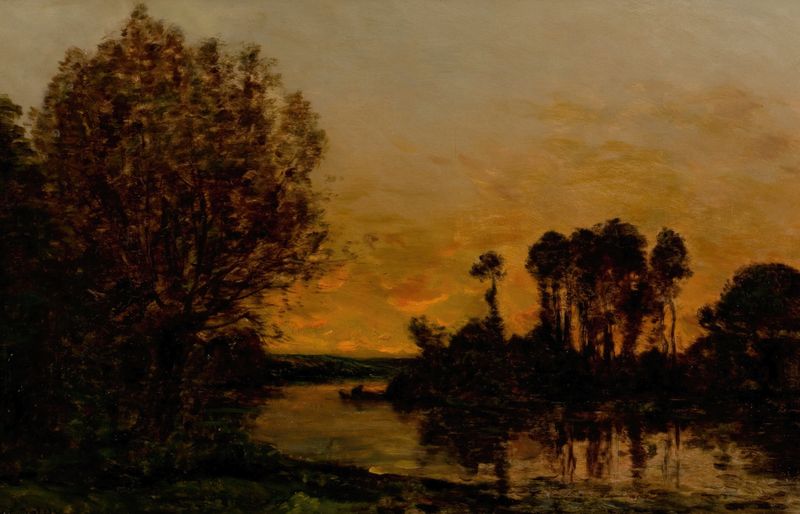
Un Soleil Couchant au Rive
Hippolyte Camille Delpy

Bateau Sur L’oise
Hippolyte Camille Delpy

Canal De Pantin
Hippolyte Camille Delpy





