
Le Giessbach — History & Facts
In Le Giessbach, a delicate balance teeters between the shimmering allure of nature and the haunting whispers of unspoken sorrows. The scene captivates and compels, drawing us into a world where every brushstroke conveys a story of its own. Focus on the cascade of water that tumbles down the rocky cliff, where vibrant blues and greens clash with the darker, somber tones surrounding them. Look closely at the subtle interplay of light and shadow that dances across the surface, highlighting the texture of the rocks and the fluidity of the water.
The contrast between the vibrant foreground and the muted background creates a sense of depth, inviting the viewer to explore the vastness of this natural wonder while hinting at the complexities of emotion lurking beneath the surface. The painting evokes a sense of duality; the tranquil beauty of the waterfall juxtaposes the ominous shadows that loom in the forest behind. This balance of elements speaks to the fragility of nature and the human spirit, as the vibrant colors suggest life yet hint at the struggles experienced within it. In these details, there’s an underlying tension, a reminder that beauty often emerges from darkness, and that each moment of serenity carries with it an echo of hidden pain. Created during the tumultuous years between 1915 and 1945, Le Giessbach reflects the artist's experiences during a time marked by upheaval and transformation in the art world.
This period saw a shift away from traditional forms, as Schmid sought to capture the emotional resonance of nature amidst societal challenges. His work stands as a testament to both personal and collective journeys, intertwining the elegance of the natural world with the weight of human experience.
More Artworks by David Alois Schmid
Browse all →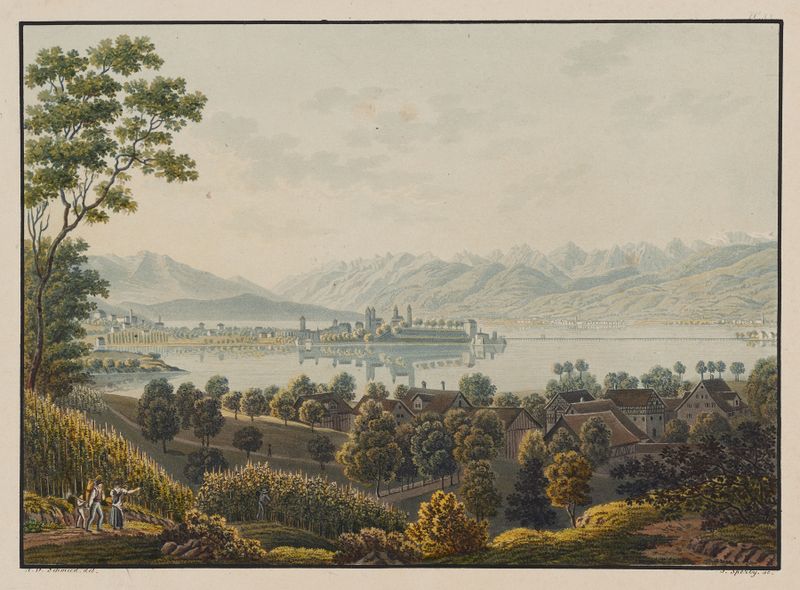
Vue de Rapperschwyl vers Lachen lac de Zurich
David Alois Schmid
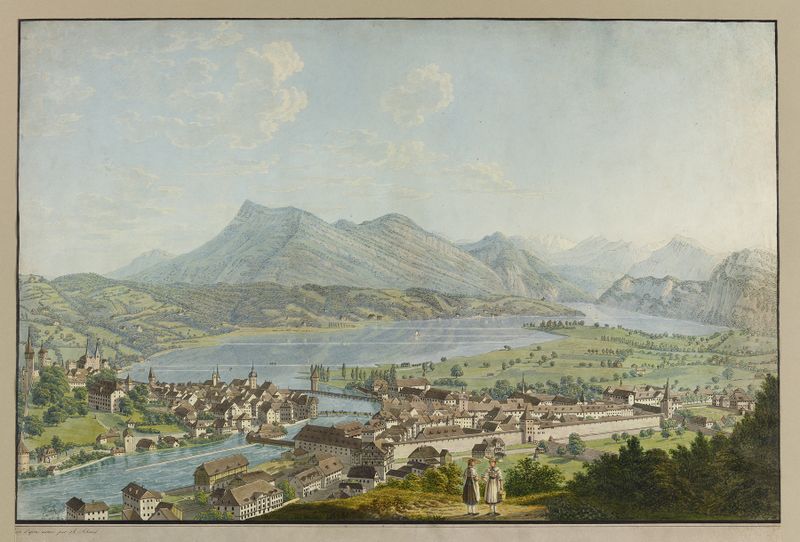
Luzern, von Westen
David Alois Schmid
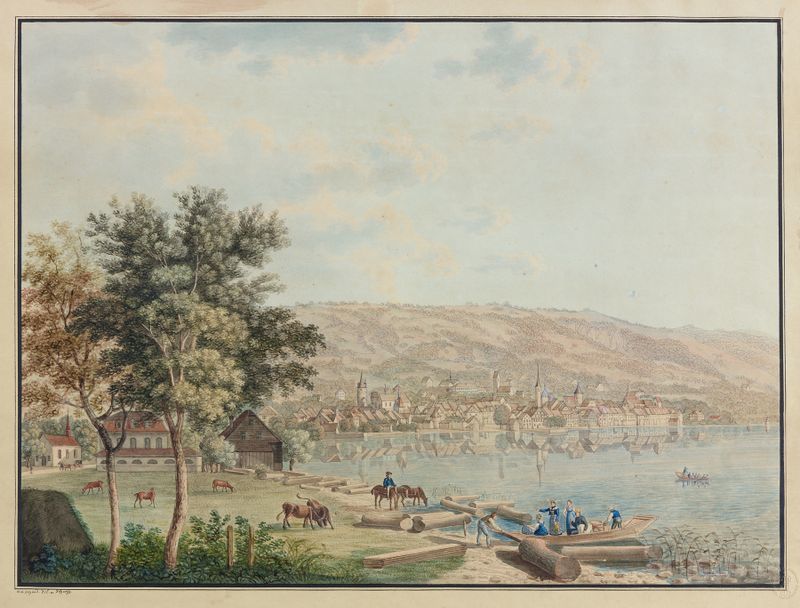
Ansicht der Stadt Zug und des Zugersees
David Alois Schmid
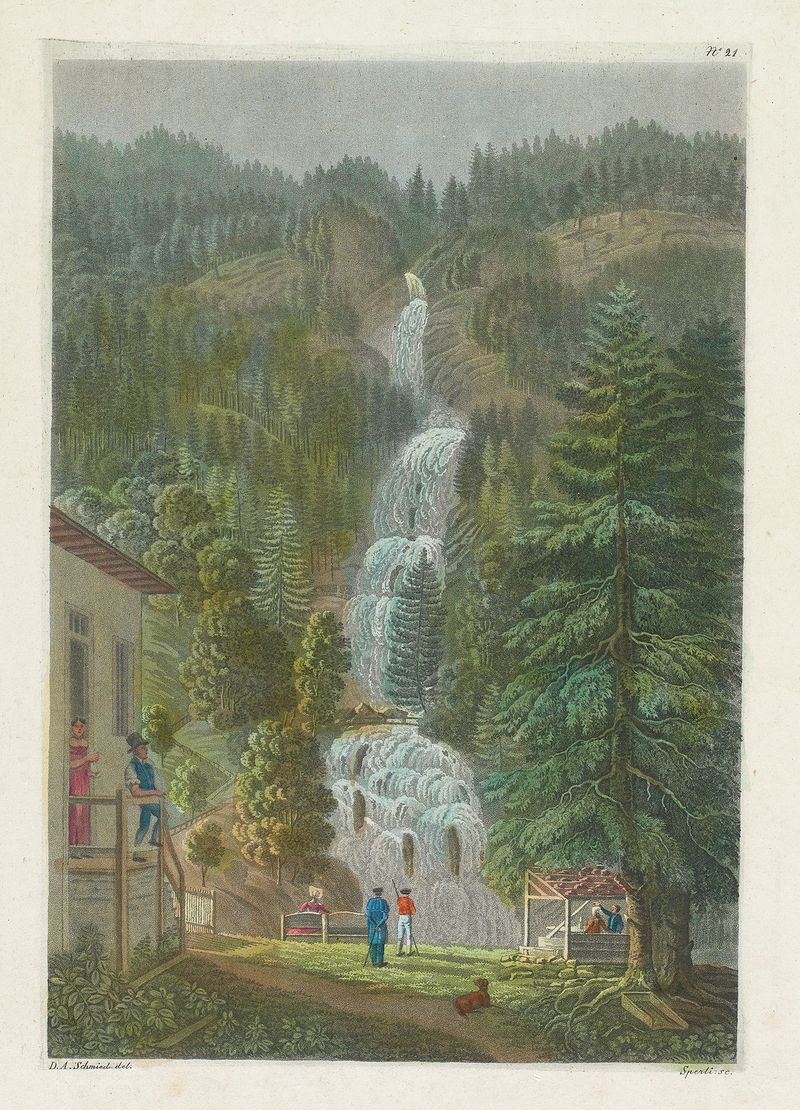
La Cascade du Giessbach
David Alois Schmid
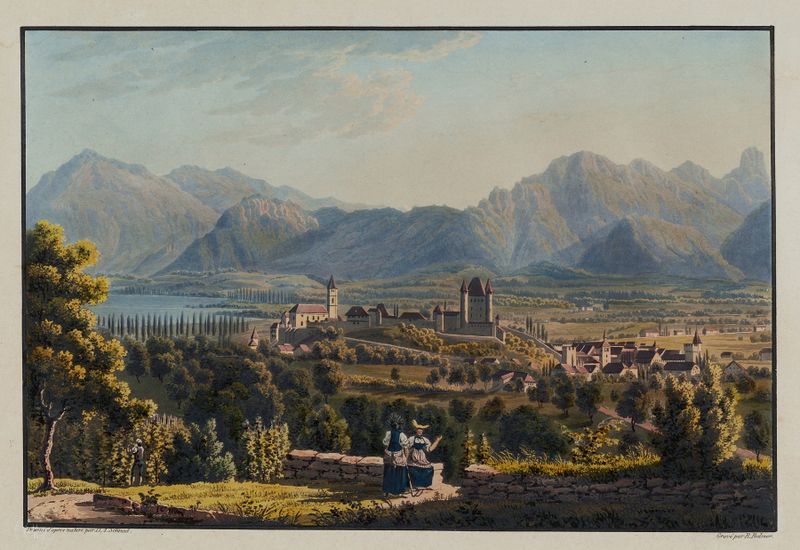
Thoun vers le Niesen et le Stokhorn
David Alois Schmid
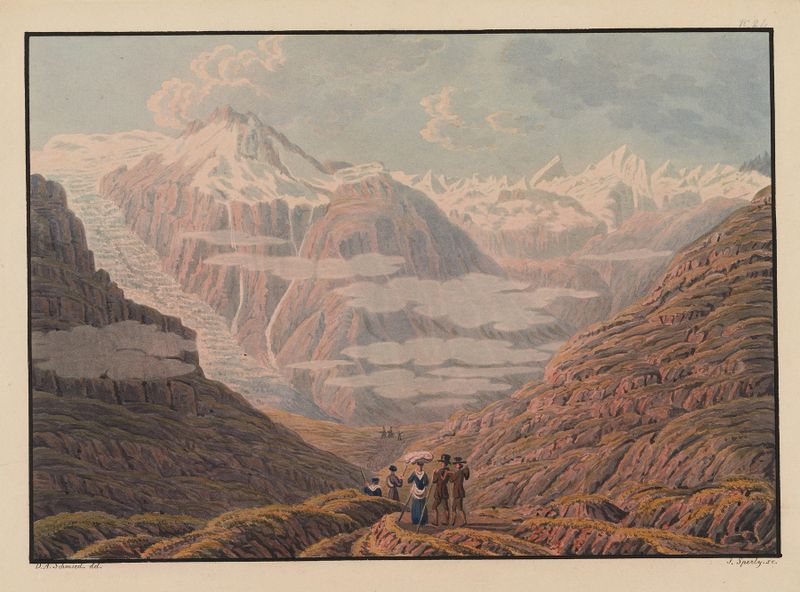
Vue prise au passage de la Furka Cant. d’Ury
David Alois Schmid
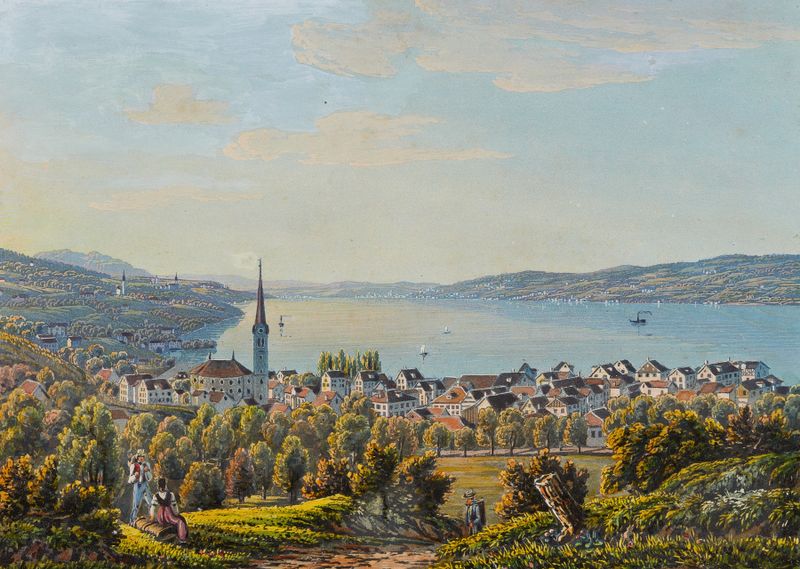
Vue de Horgen lac de Zurich
David Alois Schmid
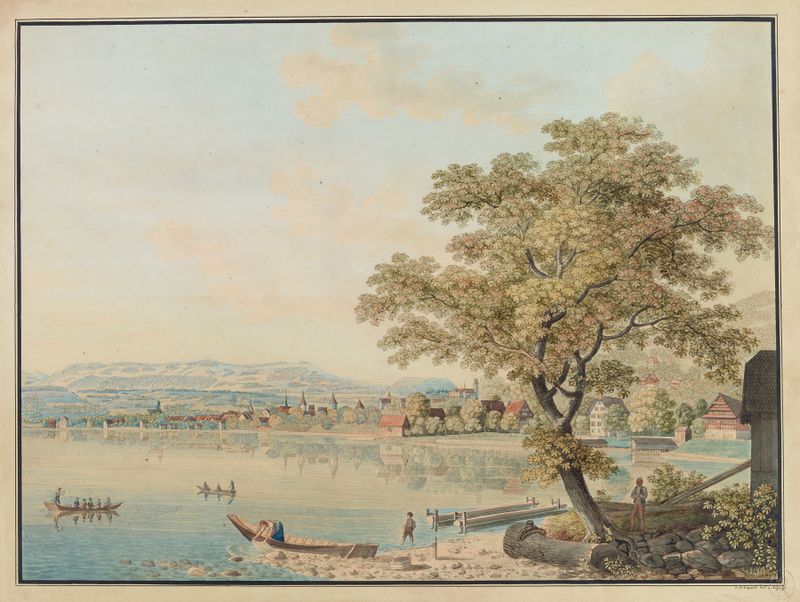
Zug, Ortsteilansicht
David Alois Schmid
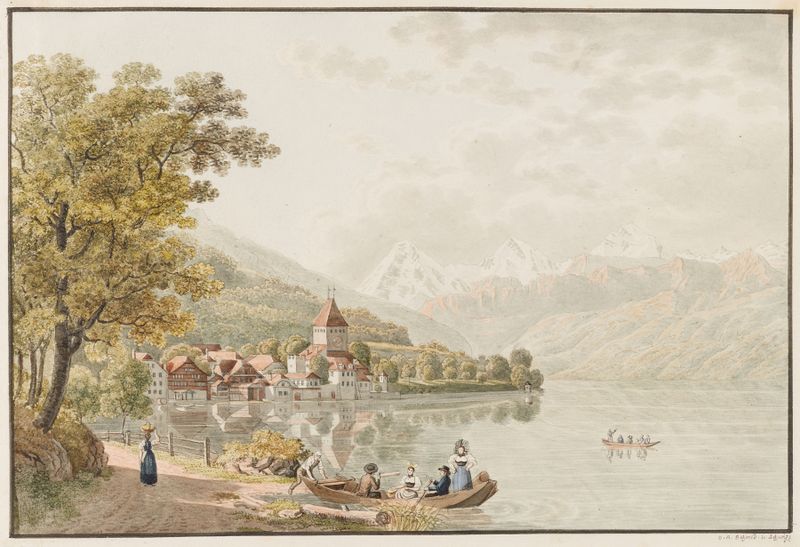
Ansicht Oberhofens am Thunersee
David Alois Schmid
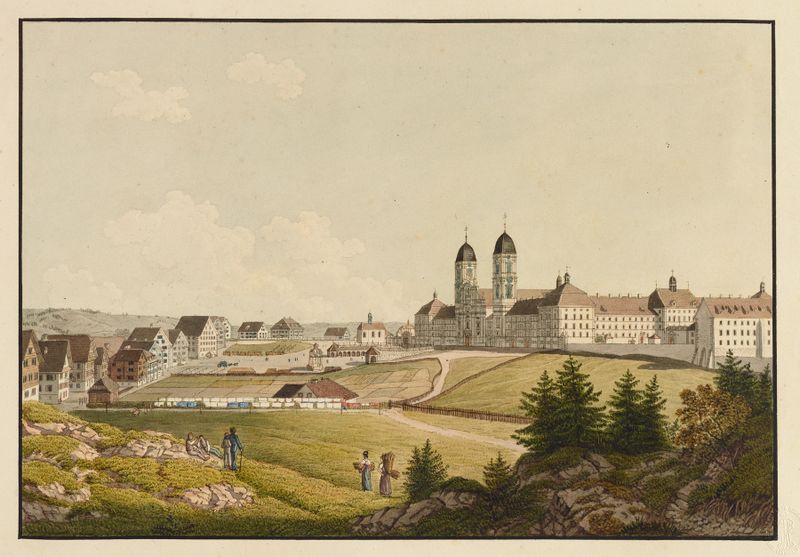
Das Kloster Einsiedeln im Canton Schwyz
David Alois Schmid





