
Le grand chêne — History & Facts
In the quiet moments of creation, the essence of nature and spirit intertwines, revealing the beauty often overlooked in our daily lives. Look closely at the thick, gnarled trunk that anchors the composition, drawing your gaze toward the grand oak’s expansive canopy. The rich greens and soft browns harmonize seamlessly, each brushstroke evoking the texture of bark and foliage. Notice how the dappled sunlight filters through the leaves, casting intricate shadows on the ground—a whisper of serenity in an otherwise turbulent world. Beneath the majestic oak lies a tapestry of life, hinting at the passage of time and the cycles of nature.
The depth of color reflects not just the physicality of the scene but also the emotional weight of a solitary tree, emblematic of resilience amid adversity. Pissarro invites introspection by contrasting light against dark, nurturing a sense of hope that lingers in the viewer’s heart. In 1940, Lucien Pissarro created Le grand chêne while residing in England, having fled France due to the looming threat of war. This period was marked by personal and global upheaval, yet Pissarro found solace in depicting the natural world.
His connection to Impressionism and the evolving modernist trends of the time infused his work with a profound sense of purpose, capturing moments of stillness in a world on the brink of chaos.
More Artworks by Lucien Pissarro
Browse all →
A Hilly Landscape
Lucien Pissarro
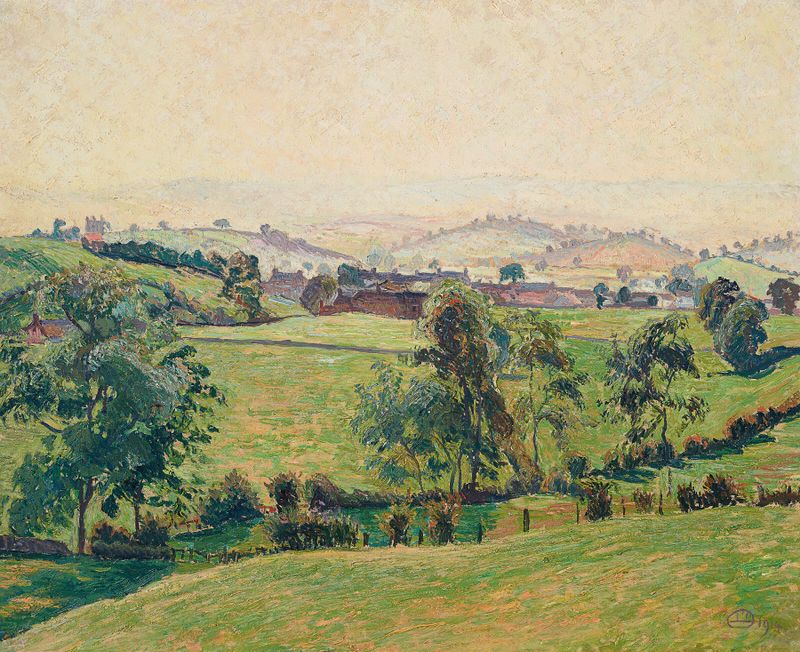
Brough, Misty Afternoon
Lucien Pissarro
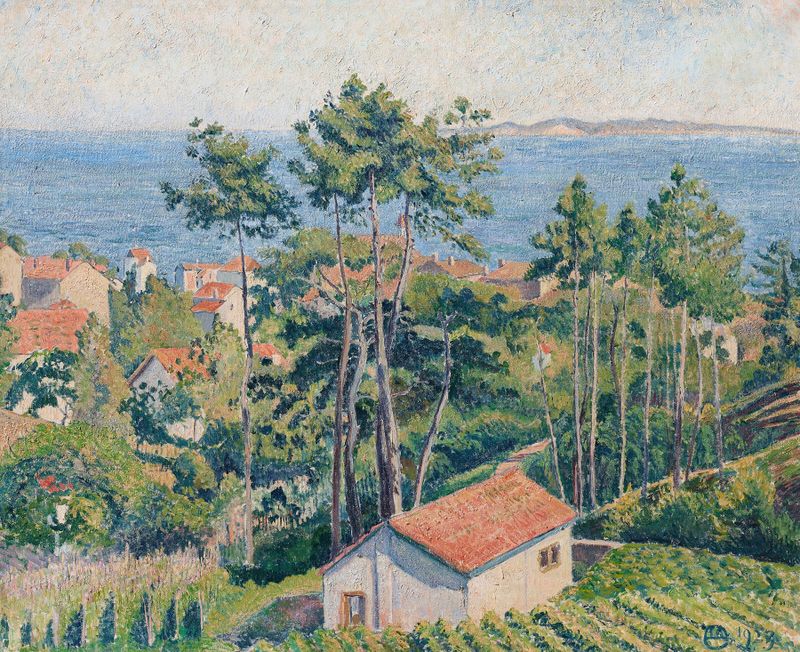
Vue du Lavandou avec mer bleue
Lucien Pissarro
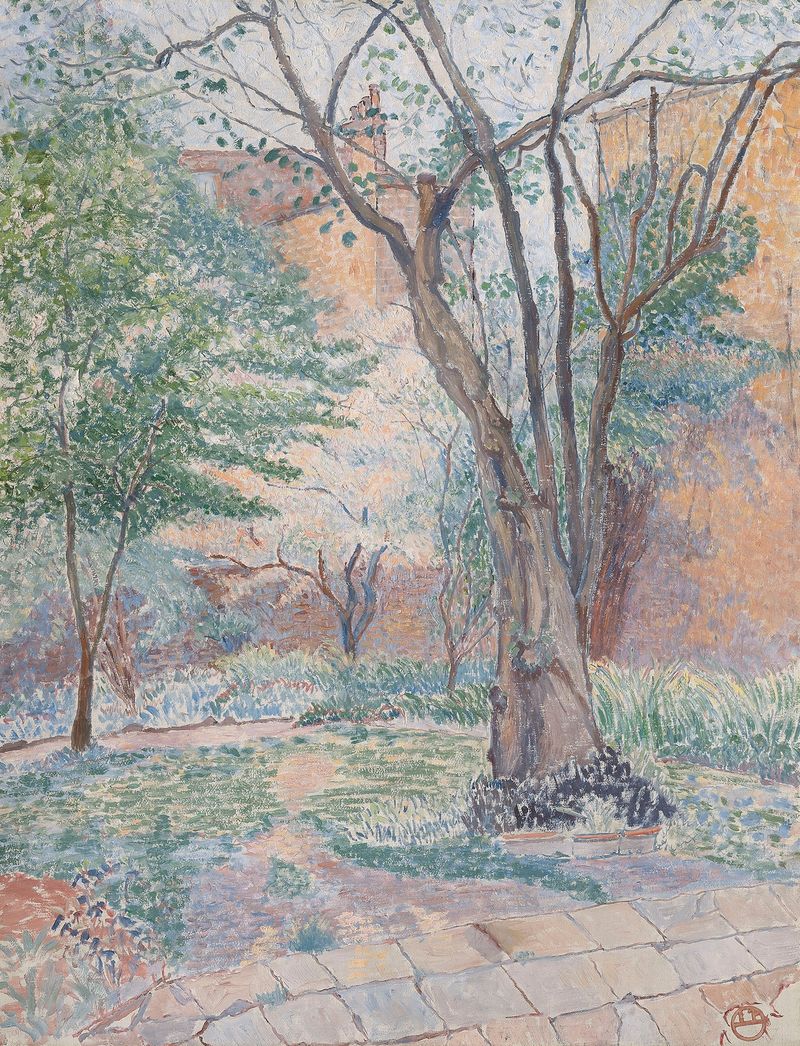
The Nut Tree
Lucien Pissarro
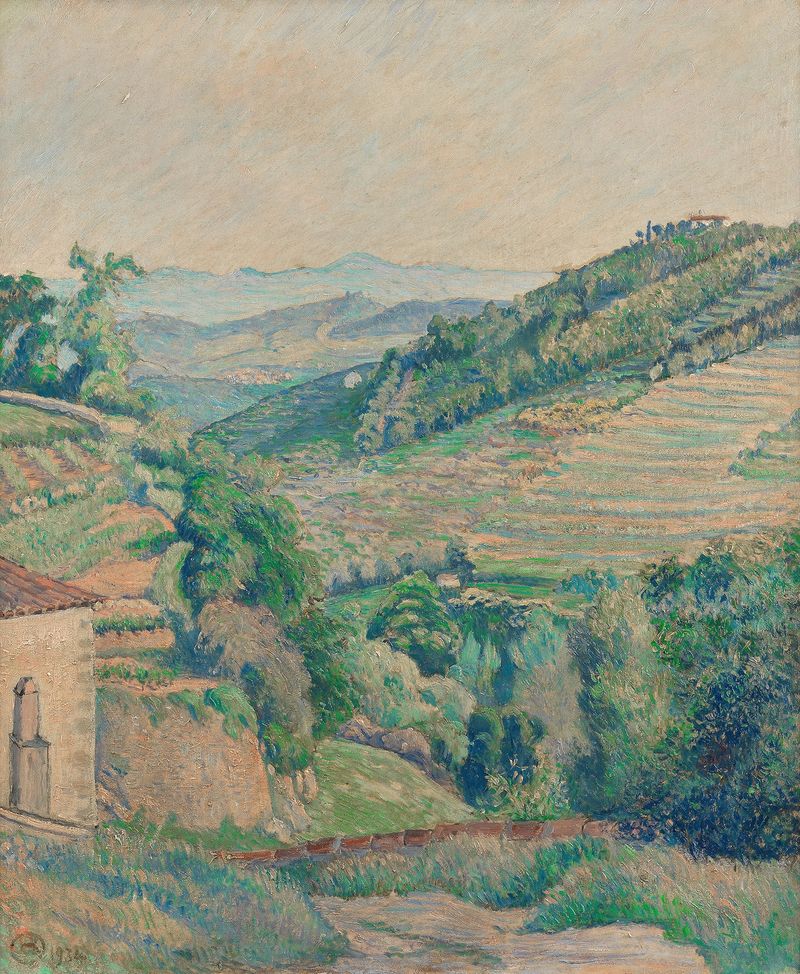
Le Mont Verdaille, Cotignac
Lucien Pissarro
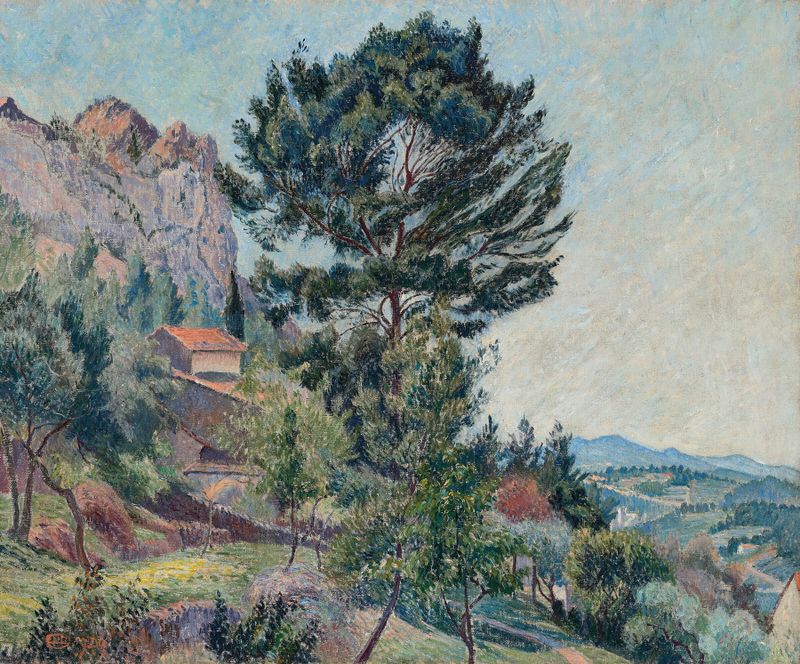
Un Rocher du Faron (Soleil) Toulon
Lucien Pissarro
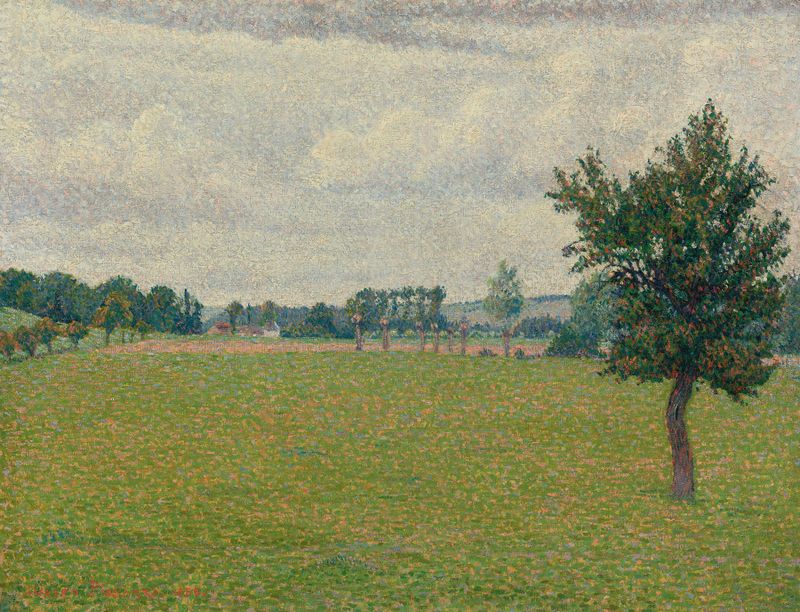
Prairie De Thierceville
Lucien Pissarro

End of the Village, Dardennes
Lucien Pissarro
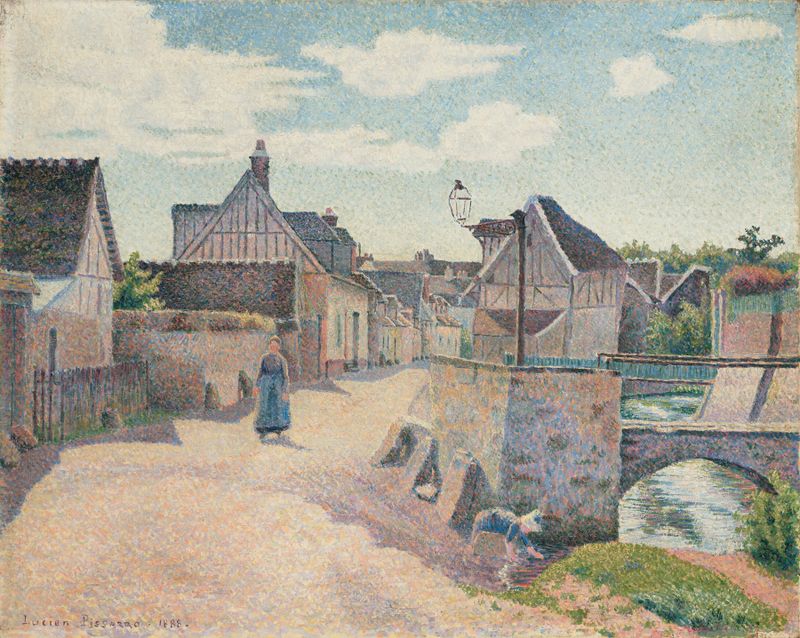
Gouvernes, près Lagny
Lucien Pissarro





