Le Grand Faulx de Verzy — History & Facts
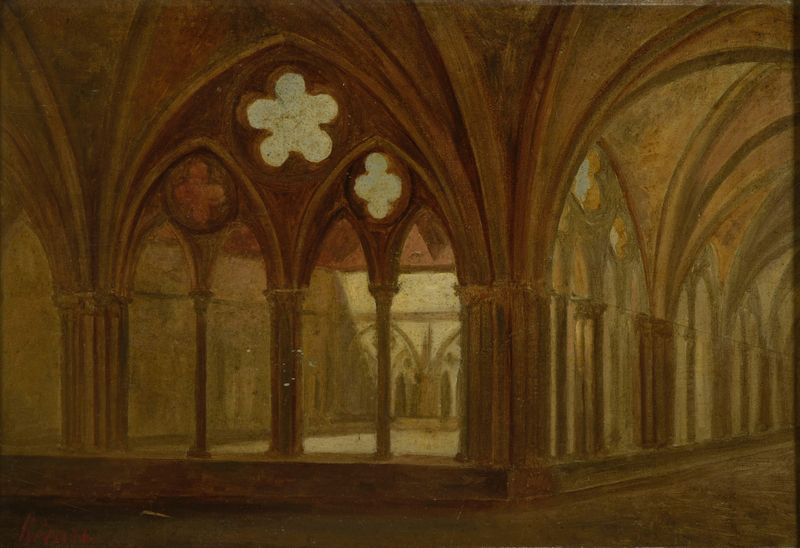
Where does light end, and longing begin? In the delicate interplay of shades and forms, a world emerges that invites contemplation on the very nature of creation. Look to the left, where a luminous orb seems to pulse with vitality, its glow spilling into the surrounding darkness. Notice how the varied textures of brushwork contrast—rough strokes juxtaposed with smooth drifts, creating a visual symphony that draws you into its depths. The overlapping colors, vibrant yet subdued, evoke a sense of mystery, while the subtle gradations allow the viewer's eye to dance across the canvas, mimicking the ebb and flow of inspiration itself. Here, the dichotomy of light and shadow evokes an emotional tension, as if creation teeters on the brink of chaos and harmony.
The ghostly silhouettes, caught between the realms of form and formlessness, hint at the struggle inherent in artistic endeavor—a battle to manifest the intangible. Each shape appears to cradle its own story, whispering of the intangible longing that fuels the act of creation, urging the viewer to reflect on their own experiences with artistry and imagination. Created in a time when the art world was rife with experimentation and exploration, the artist was delving into abstraction, seeking to express deeper truths beyond mere representation. This period marked a significant shift in artistic expression, as creators like him began to challenge traditional forms and concepts, laying the groundwork for modern art movements.
In this context, the work stands as a testament to the spirit of its time, illuminating the struggles and triumphs of creation itself.