
Le Jardin — History & Facts
Could a single brushstroke hold eternity? In Le Jardin, time seems to stretch and fold, inviting viewers to linger in its lush embrace. As you engage with the painting, look to the vibrant greens that blanket the garden, flowing effortlessly across the canvas. Notice how the dappled light falls upon the foliage, each brushstroke meticulously layered to create depth and movement. The delicate play of light and shadow captures the essence of a moment suspended in the natural world, where every detail – from the intricate petals of blooming flowers to the soft curves of the hedges – beckons for exploration. Beneath the surface beauty lies a meditation on transience.
The vivid colors evoke the fleeting joy of a sunlit afternoon, while the gentle blending of hues suggests the inevitable passage of time. The juxtaposition of vibrant life against the quiet stillness of the garden alludes to a deeper emotional landscape, where the viewer can sense both the vibrancy of existence and the soft whisper of its impermanence. During the years between 1920 and 1925, Loiseau embraced a post-impressionist style, navigating the shifting tides of the art world in France. This period marked a transition towards a more personal interpretation of the natural world, as the artist sought to find balance between observation and intuition.
Creating Le Jardin amid the backdrop of a rapidly modernizing society, he infused the canvas with a heartfelt desire to capture fleeting beauty, making the painting a reflection of both his artistic journey and the timelessness of nature.
More Artworks by Gustave Loiseau
Browse all →
Rue de village en Normandie
Gustave Loiseau
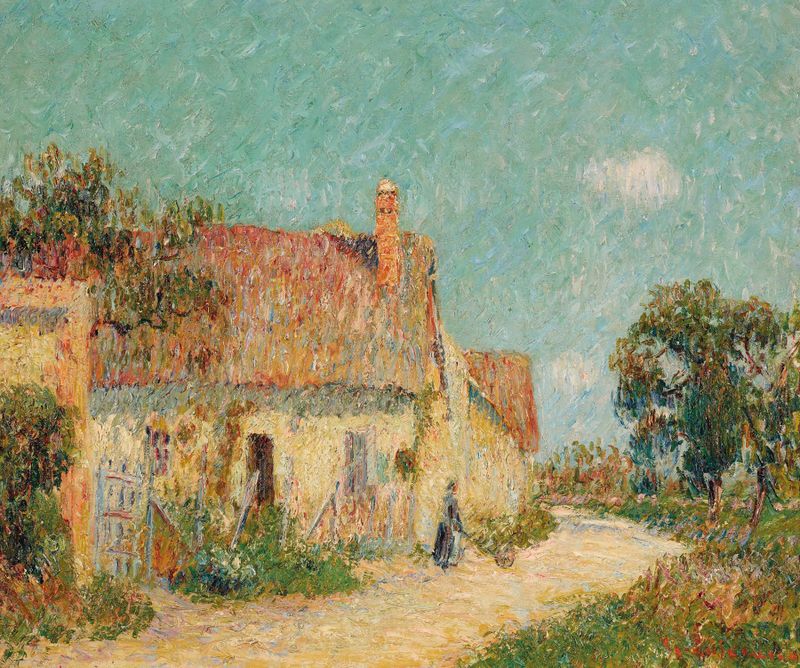
Chaumière en Normandie
Gustave Loiseau

Paysage d’Hiver à Chaponval
Gustave Loiseau
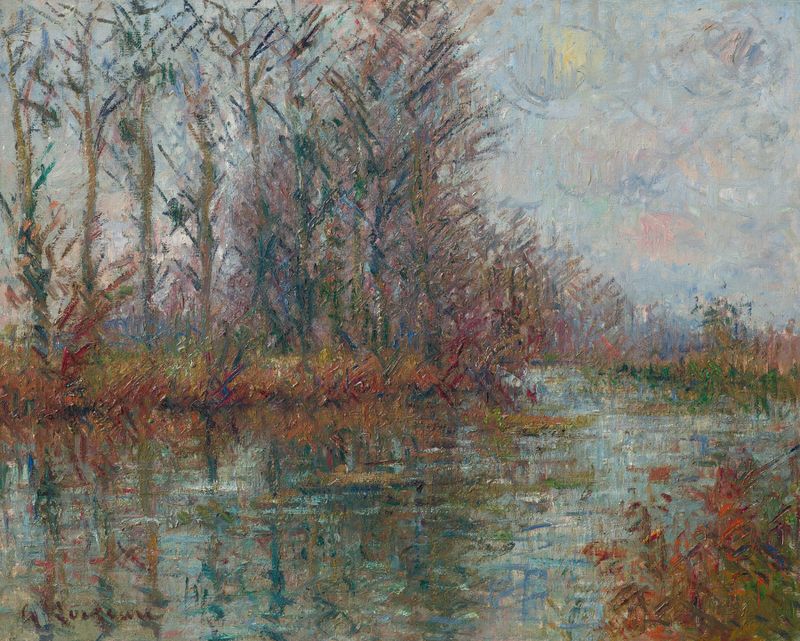
Tournant de rivière, L’Eure
Gustave Loiseau

Pont Marie, Paris
Gustave Loiseau

Le Bras De Mer
Gustave Loiseau

Le Pont Suspendu À Triel
Gustave Loiseau

Bord de la rivière
Gustave Loiseau
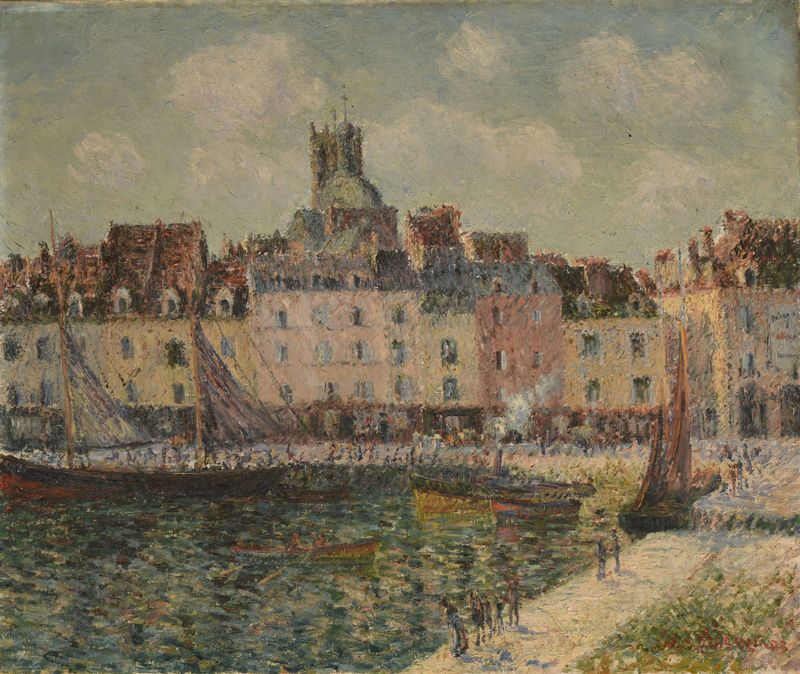
Le Quai Duquesne à Dieppe
Gustave Loiseau

Rocher la Teignouse, Cap Fréhel
Gustave Loiseau





