
Le Lot au pied des falaises de St-Cirq-Lapopie — History & Facts
In the stillness of a pastoral landscape, beauty whispers through the gentle brushstrokes, inviting quiet contemplation and connection to the earth. Look to the lower left at the vibrant green grasses that cradle the serene riverbank, where the water glistens under the soft caress of the afternoon sun. The scene stretches out, leading your gaze through the layered foliage to the distant cliffs, their rugged forms rising majestically against the azure sky. Martin’s choice of color radiates warmth; the harmonious blend of emerald greens and golden yellows instills a sense of tranquility, while the delicate interplay of light and shadow captures the fleeting moments of nature's beauty. Yet, beneath this pastoral serenity lies a deeper narrative.
The river, winding through the landscape, symbolizes the passage of time and the ephemeral nature of existence. The cliffs, strong and unyielding, contrast sharply with the fluidity of the water, suggesting a tension between permanence and transience. As the viewer loses themselves in the details—the dappling of sunlight on the leaves or the gentle ripples of the river—one begins to grasp the profound stillness that encapsulates both beauty and longing. During the late 19th century, Henri Martin painted this piece, likely while he was in the south of France, capturing the essence of the region’s tranquil landscapes.
This period was marked by a shift towards impressionism in his work, moving away from the rigid forms of academic art towards an exploration of light and color that reflected his response to the changing world around him, both personally and artistically.
More Artworks by Henri Martin
Browse all →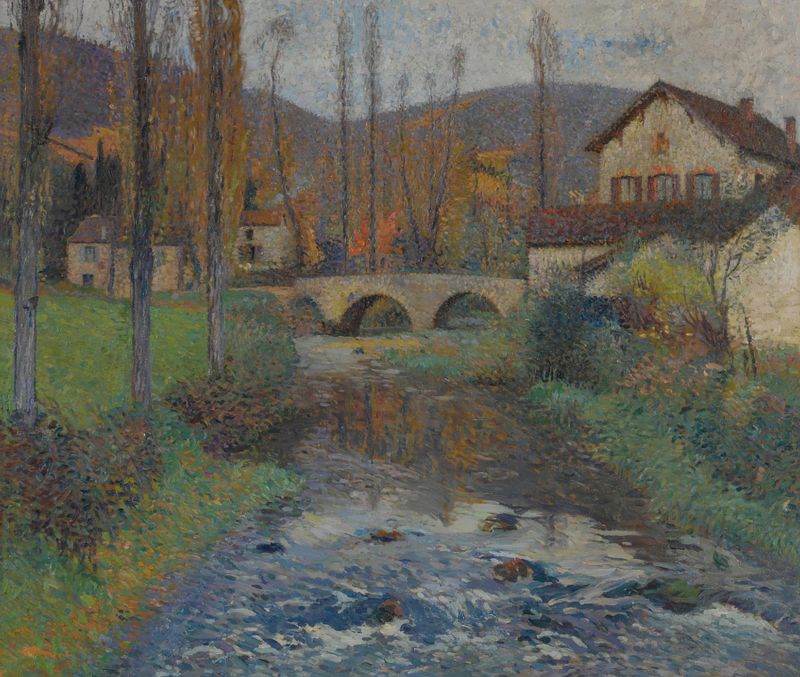
Le Pont du Labastide-du-Vert
Henri Martin

Le Pont de Labastide du Vert
Henri Martin

La Vallée Du Lot, Près De Saint-Cirq Lapopie
Henri Martin

Derniers Rayons, Une Ferme Dans Le Lot
Henri Martin

Vue de Labastide-du-Vert
Henri Martin

Le lot aux pieds des falaises de Saint-Cirq-Lapopie
Henri Martin

L’église de Labastide-du-Vert avec le pont et la rivère, un soir d’automne
Henri Martin

Berger et ses moutons dans les causses
Henri Martin
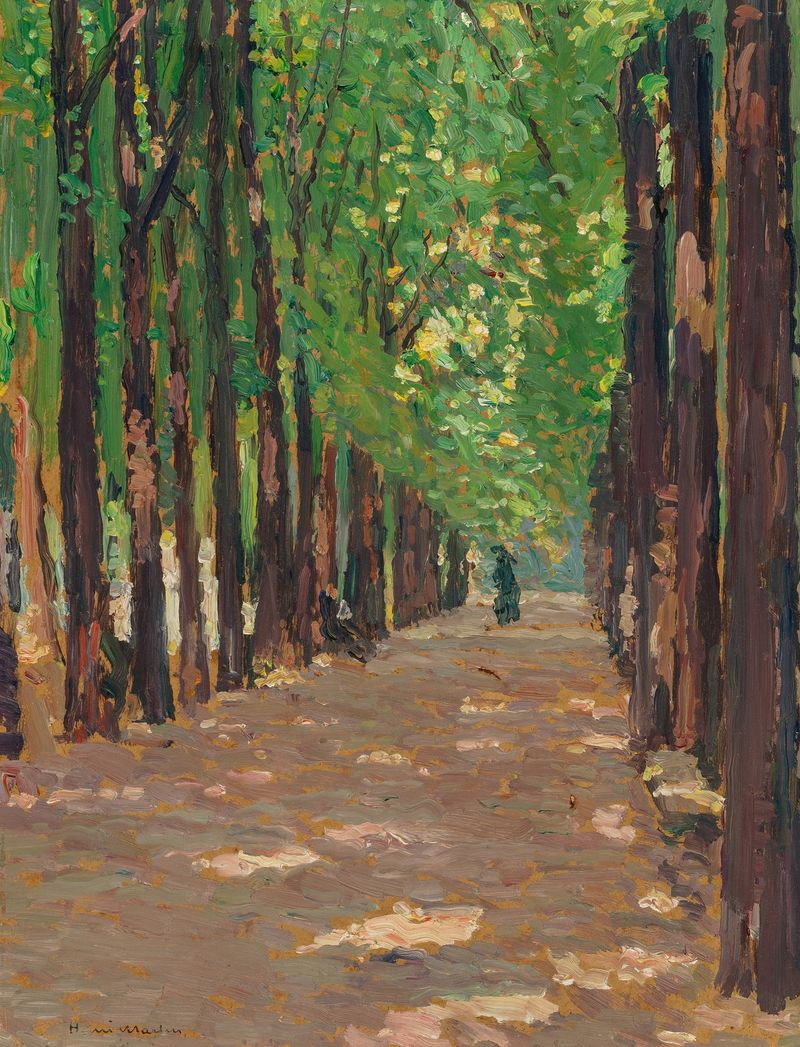
Une allée dans le Parc du Château de Versailles
Henri Martin
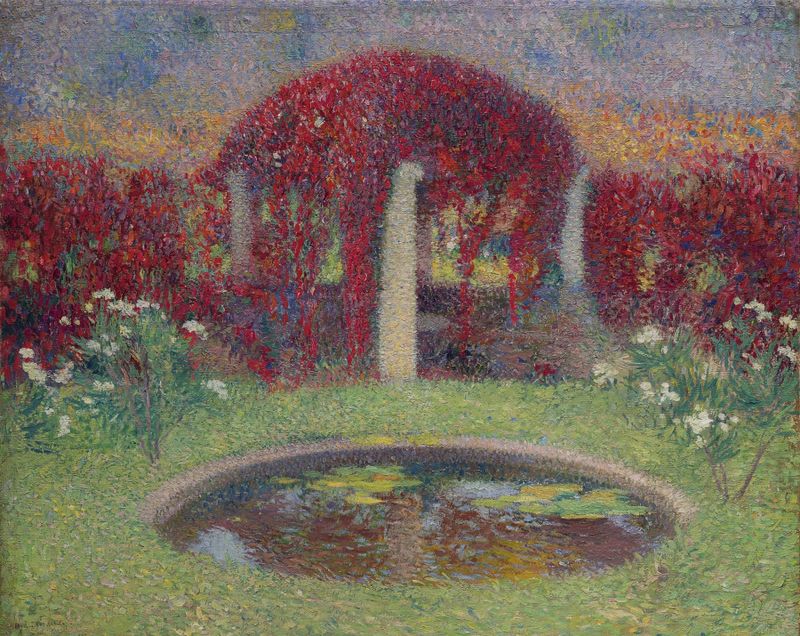
Le Bassin et le tonnelle
Henri Martin





