
Le Palais Bourbon et le Pont Louis-XVI (pont de la Concorde) — History & Facts
Could beauty survive in a century of chaos? This poignant question hangs in the air as one gazes upon the serene vista crafted by Giuseppe Canella. The painting whispers of the past, where every brushstroke captures the ephemeral tranquility amidst the restless tides of history. Look to the left at the elegant structure of the Palais Bourbon, its grand façade standing noble against the muted palette of soft blues and warm earth tones. Notice how the light softly kisses the edges of the building, illuminating the intricate details while casting gentle shadows that breathe life into the scene.
The composition draws your eye through a delicate balance of sky and architecture, inviting contemplation of both the familiar and the fleeting. Beneath the surface, this work reveals a deep melancholy, reflecting the contrast between the stability of the built environment and the tumultuous world beyond its borders. The serene river flows effortlessly, a silent witness to the passage of time, suggesting both continuity and change. The bridge, linking two shores, symbolizes the connection between past glory and present uncertainty—highlighting the delicate interplay of beauty and chaos in urban life. In 1826, when this artwork was completed, Canella was deeply immersed in the emerging Romantic movement in France, a period marked by a search for emotional depth and the sublime in art.
The political landscape was fraught with the aftermath of the Bourbon Restoration, as artists navigated a world seeking stability after revolution. Canella's work emerged from this rich tapestry of change, encapsulating a moment where the beauty of architecture remained steadfast even as society grappled with its own turbulence.
More Artworks by Giuseppe Canella
Browse all →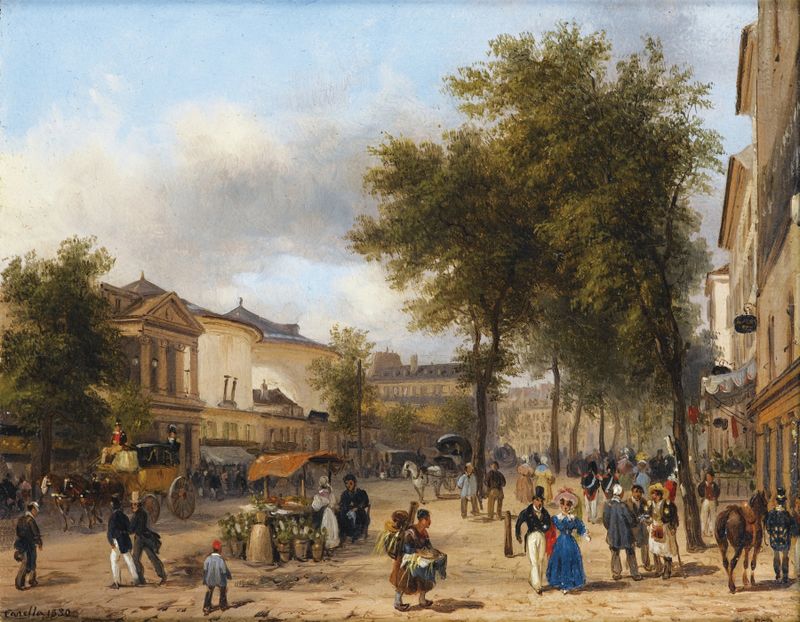
Paris, Vue du Théâtre des Variétés sur le Boulevard Montmartre
Giuseppe Canella

L’Hôtel de Ville et la place de Grève, vus de l’Ile de la Cité
Giuseppe Canella
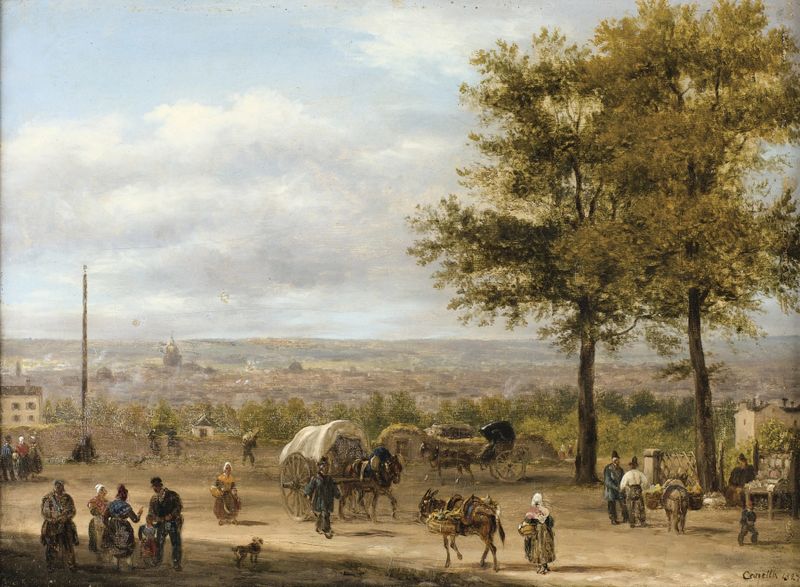
Vue des hauteurs de Paris
Giuseppe Canella
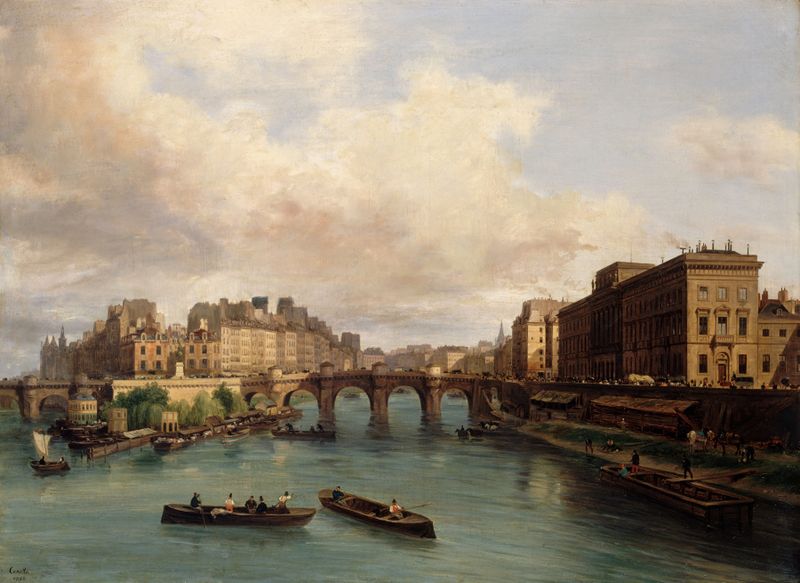
L’Ile de la Cité et le quai Conti, vus de la passerelle des Arts
Giuseppe Canella

Amsterdam, A View of the Royal Palace
Giuseppe Canella

Les Halles et la rue de la Tonnellerie
Giuseppe Canella
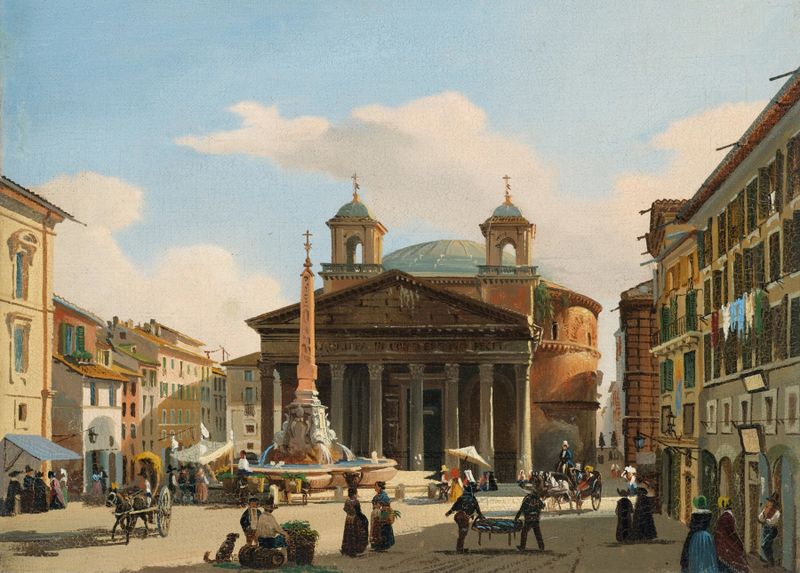
Vue du Panthéon à Rome
Giuseppe Canella
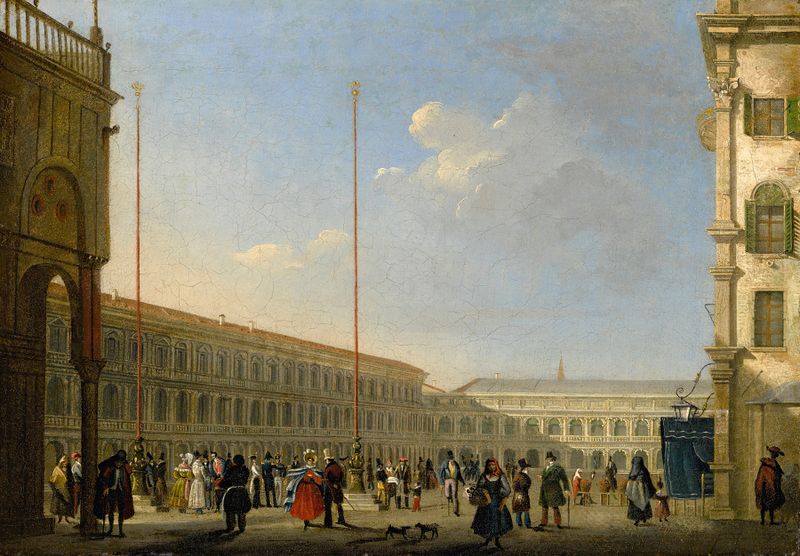
Venice, A View Of Piazza San Marco From Piazzetta Dei Leoncini
Giuseppe Canella
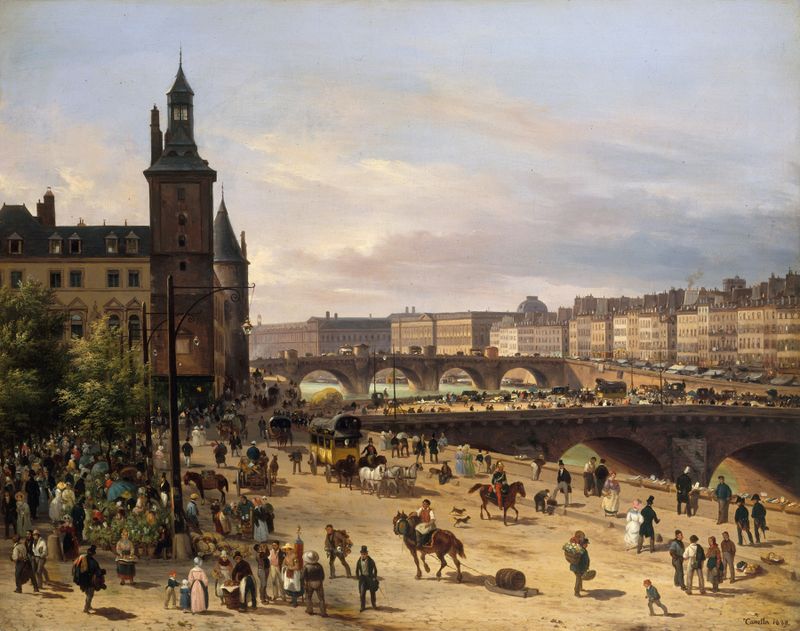
Le marché aux fleurs, la Tour de l’Horloge, le Pont au Change et le Pont-Neuf
Giuseppe Canella
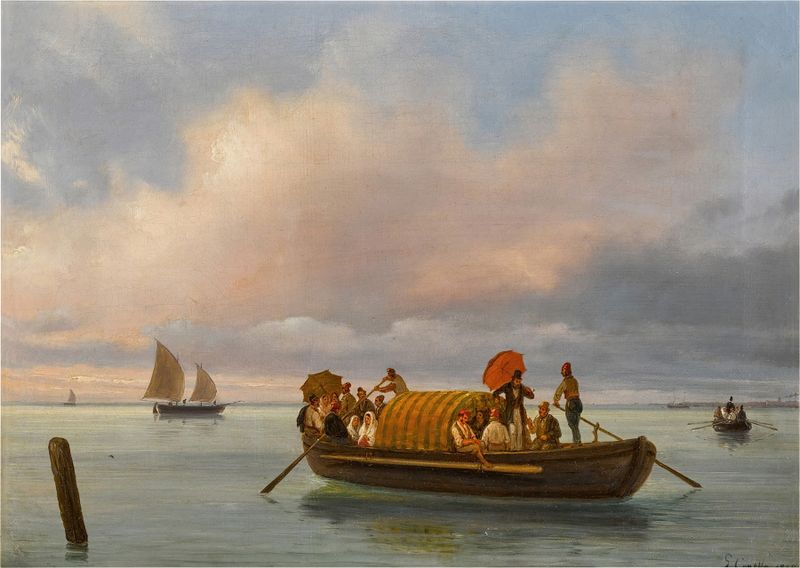
A Venetian scene with a gondola on a lagoon
Giuseppe Canella
More Architecture Art
Browse all →
The statue of Liberty
Frédéric Auguste Bartholdi

View of Houses in Delft, Known as ‘The Little Street’
Johannes Vermeer

View of Houses in Delft, Known as ‘The Little Street’
Johannes Vermeer

The Cathedral in Rouen. The portal, Grey Weather
Claude Monet

The yellow house
Vincent van Gogh

The Church in Auvers-sur-Oise, View from the Chevet
Vincent van Gogh