
Le Panthéon vu du Luxembourg — History & Facts
Can beauty exist without sorrow? In Le Panthéon vu du Luxembourg, the answer unfolds with each brushstroke, revealing layers of obsession intertwined with tranquil elegance. A serene scene, yet one that whispers of the deeper complexities beneath its surface. Look to the left at the lush greenery of the Luxembourg Gardens, where meticulously rendered foliage envelops the scene in shades of rich emerald and deep jade. The composition cleverly frames the imposing silhouette of the Panthéon in the distance, its dome crowned by a soft, diffused light that illuminates the structure yet casts shadows that hint at the weight of history.
Notice how the muted tones of the sky, a gentle gradient from pale blue to soft gray, create an atmosphere of quiet contemplation, inviting the viewer to linger. Delve deeper into the emotional tension present within this painting. The juxtaposition of the serene garden and the monumental architecture speaks to the duality of life — beauty and contemplation existing side by side with the heaviness of the past. The obsessive detail in the foliage contrasts with the stark solidity of the Panthéon, suggesting a relentless pursuit of beauty even in the face of inevitable decay.
This tension pulls at the viewer's heartstrings, inviting introspection on loss and beauty intertwined. In 1893, Vallotton was living in Paris, a city captivated by new artistic movements and a shifting cultural landscape. During this period, he was exploring the interplay of light and shadow, a hallmark of his work, while firmly establishing his place in the art world. As he painted this piece, the dynamic atmosphere of post-Impressionism permeated his surroundings, influencing his artistic voice and fueling his obsession with capturing the ephemeral beauty of urban life.
More Artworks by Félix Vallotton
Browse all →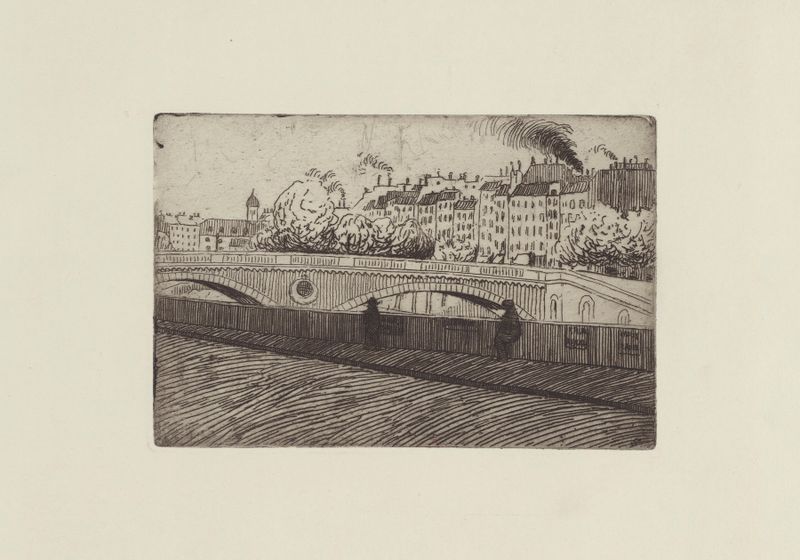
Le pont St Michel
Félix Vallotton
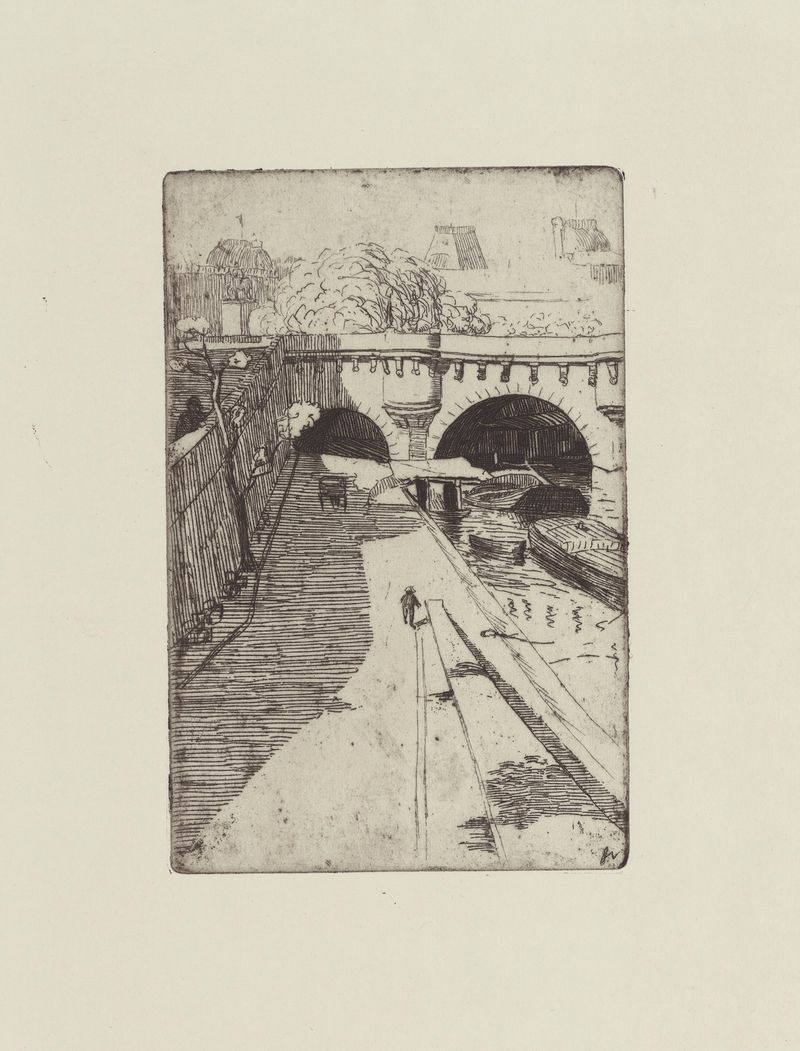
Le Vert-Galant
Félix Vallotton
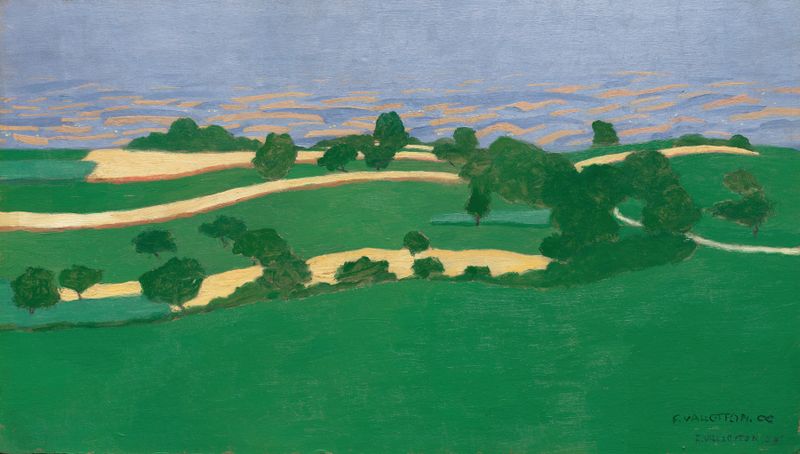
Corn Fields
Félix Vallotton
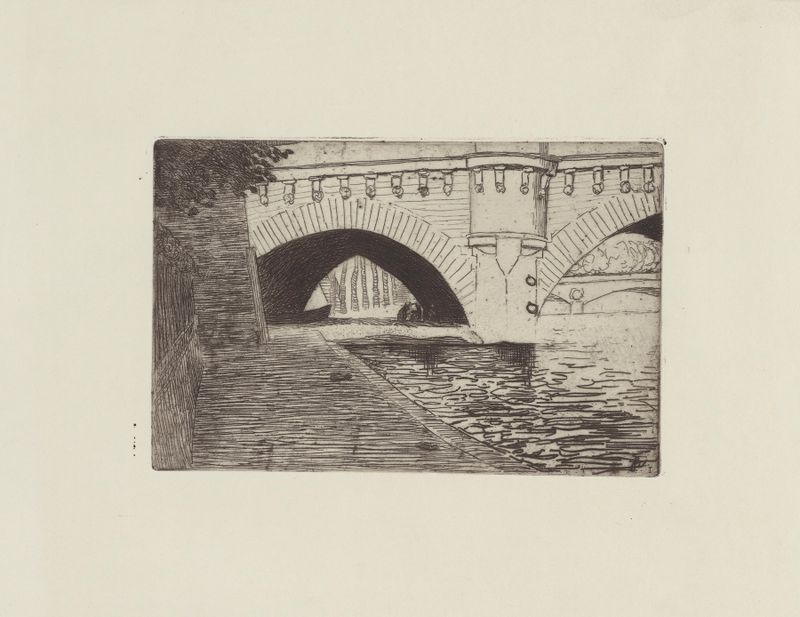
Le Pont-Neuf et le pont St Michel
Félix Vallotton
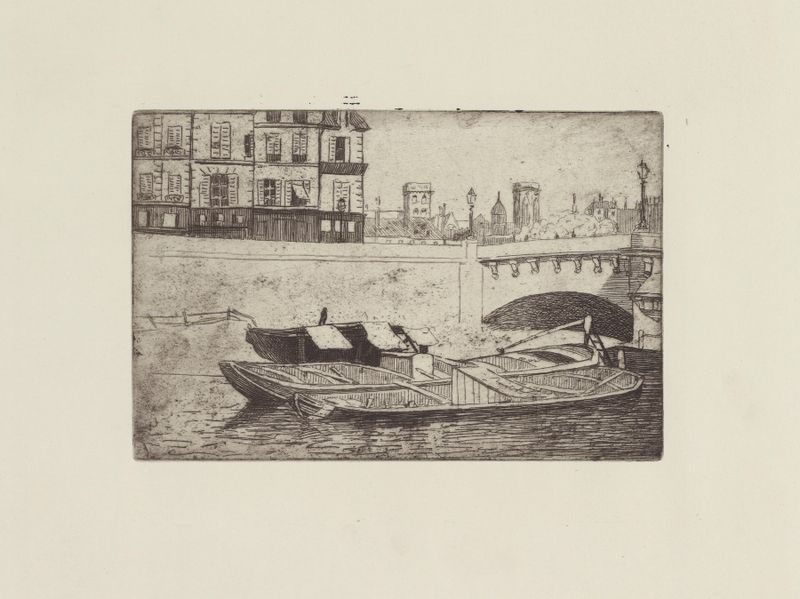
Péniches au Pont-Neuf
Félix Vallotton
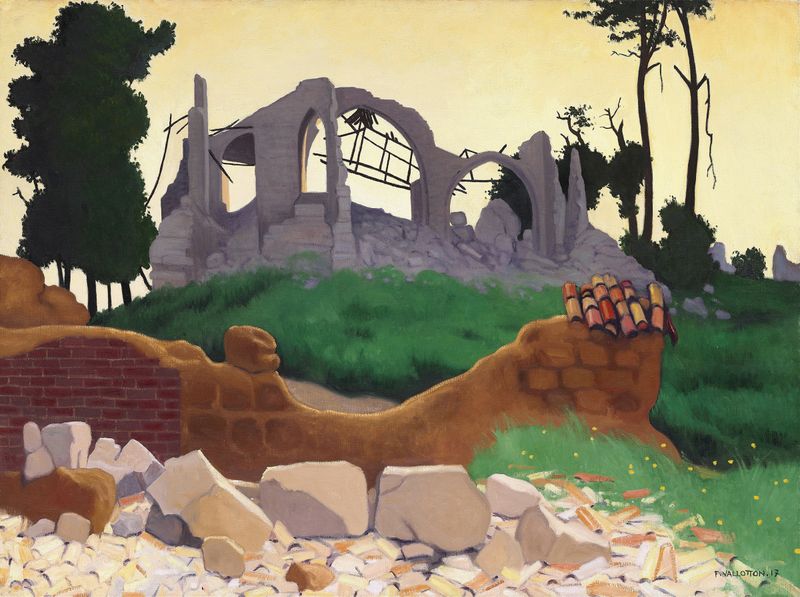
The Church of Souain
Félix Vallotton
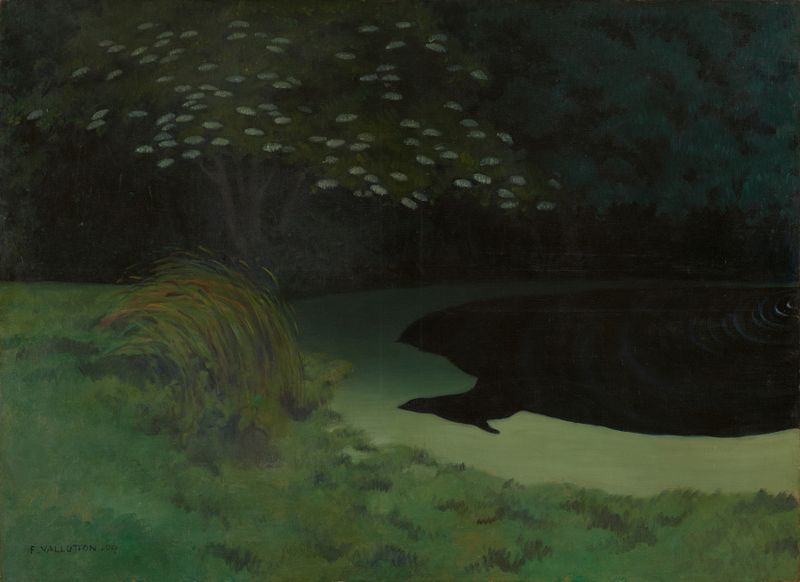
The Pond (Honfleur)
Félix Vallotton
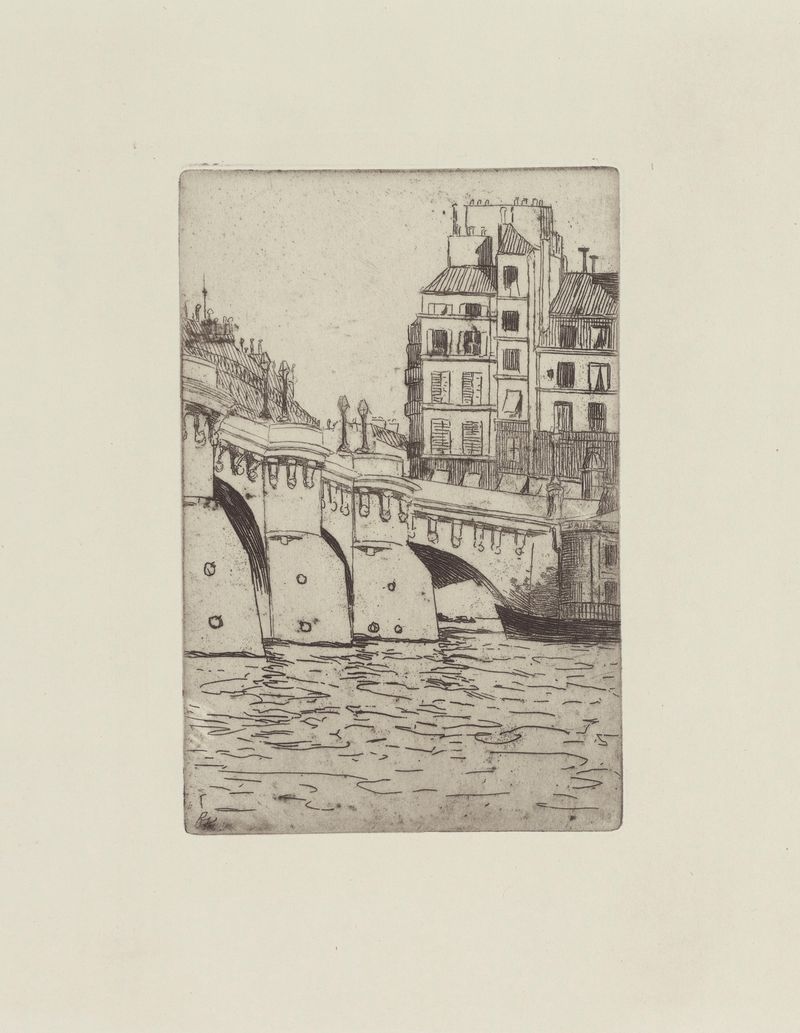
Les bains du Pont-Neuf
Félix Vallotton
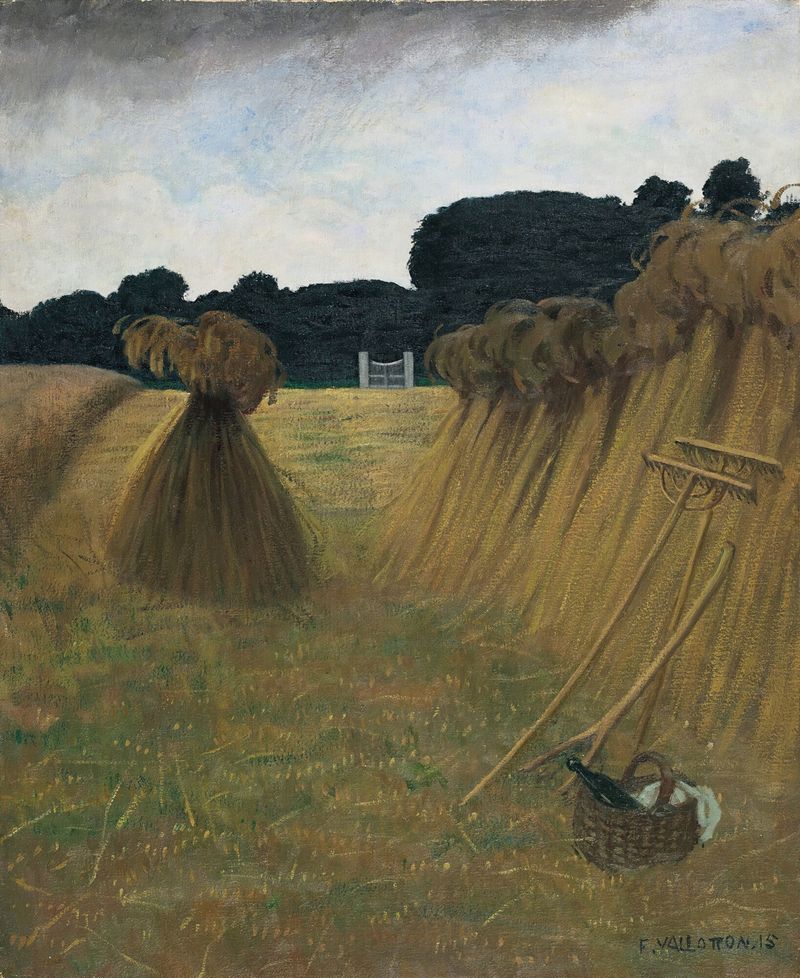
The Sheaves
Félix Vallotton
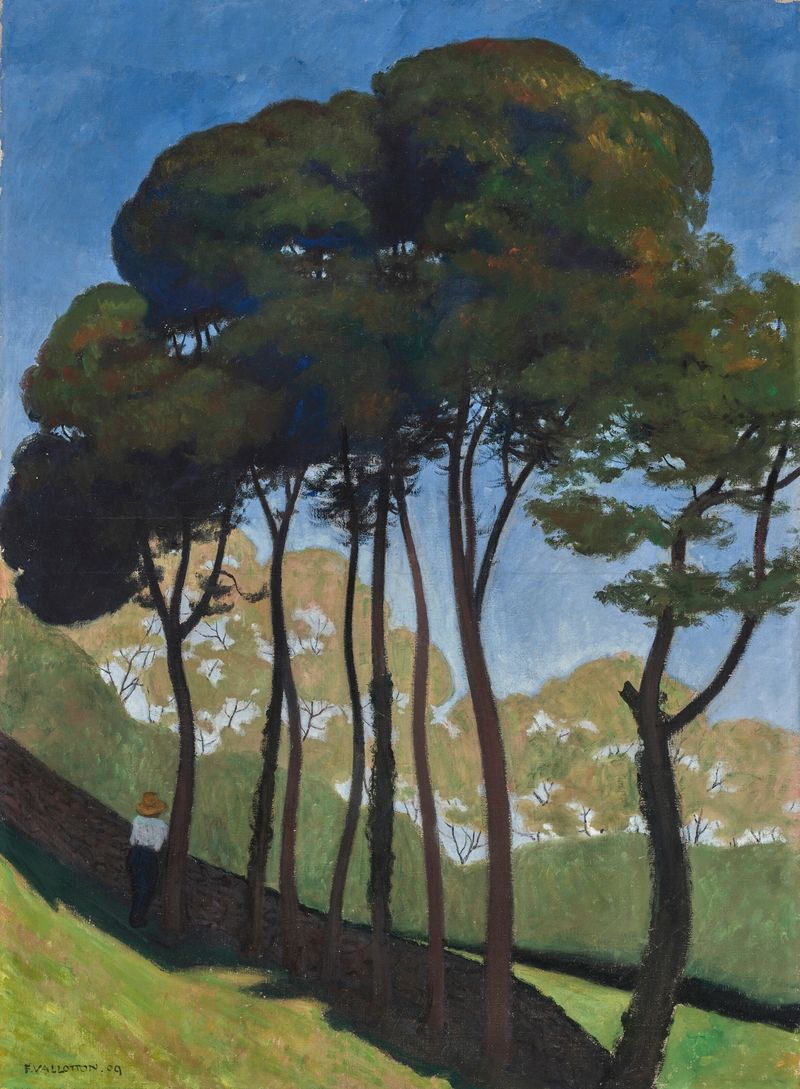
Les Grands Arbres, environs d’Honfleur
Félix Vallotton





