
Le pavillon de police du Marché aux chevaux, rue Geoffroy Saint Hilaire — History & Facts
In a world where the present often blurs under the weight of routine, art serves as a poignant reminder of moments lost to time, inviting us to confront our destinies. As you absorb the piece, focus on the striking architectural lines that frame the central pavilion. Look closely at the soft interplay of light and shadow, which dances across the façade, capturing a fleeting moment of urban life in Paris. The color palette, rich yet subdued, evokes a sense of nostalgia, while the detailing of the bricks reveals a meticulous hand at work.
Notice how the figures in the foreground seem to engage in their own narratives, adding layers of life to an otherwise still tableau. Beneath the surface, the painting whispers of contrasts: the static structure of the police pavilion against the transient nature of the bustling market scene. The presence of the police suggests authority and protection, while the vibrant life surrounding it hints at the unpredictability of existence. This juxtaposition of security versus chaos invites viewers to ponder their own relationship with fate and the spaces they inhabit, questioning where control truly lies. In 1909, Georges-Henri Manesse was immersed in the avant-garde movements shaping Parisian art.
During this period, he sought to capture the urban experience, reflecting both the vibrancy and complexity of modern life. The world of art was shifting towards experimentation, yet Manesse remained committed to portraying the nuanced interplay between architecture and daily life, a testament to the tensions of his time.
More Artworks by Georges-Henri Manesse
Browse all →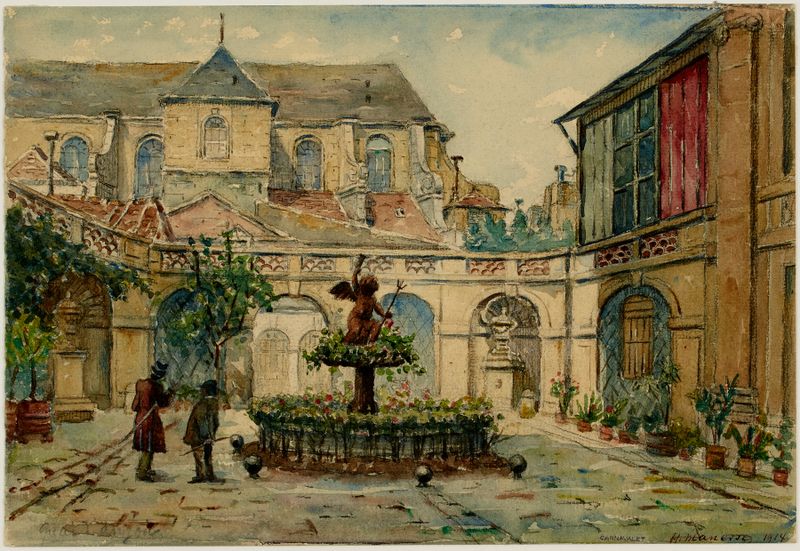
Cour intérieure de l’Hôtel Hesselin, 24 quai de Béthune
Georges-Henri Manesse
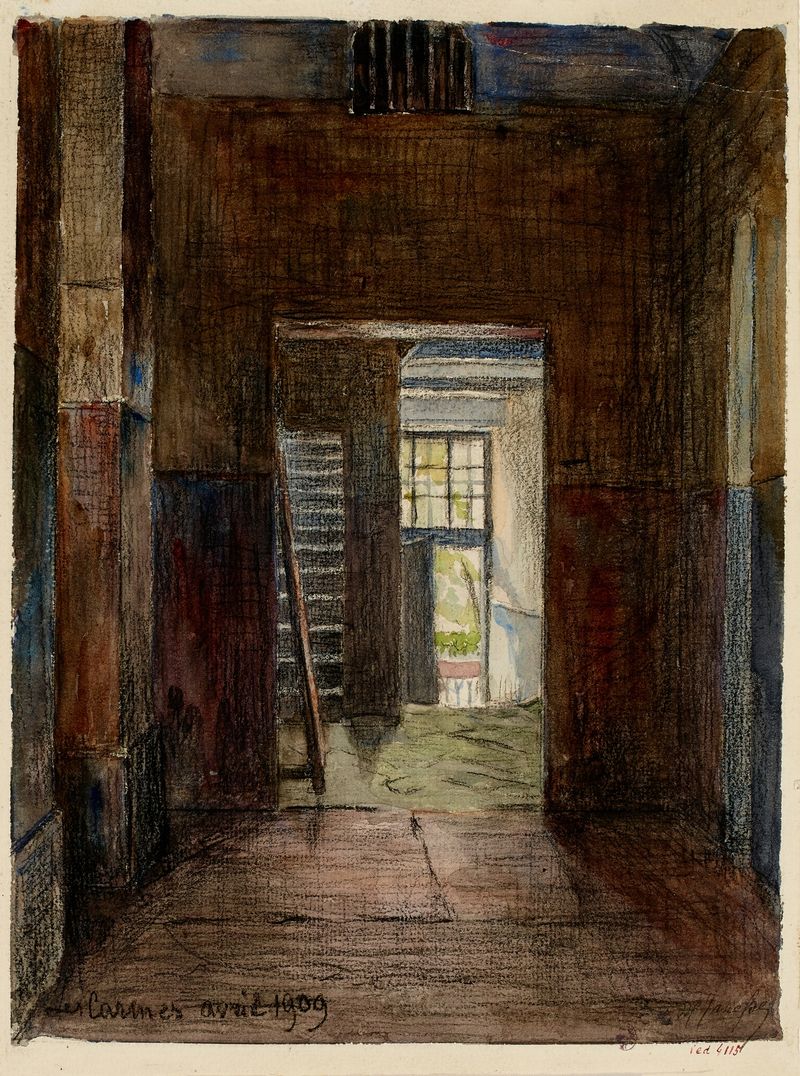
Intérieur du couvent des Carmes, rue de Vaugirard
Georges-Henri Manesse
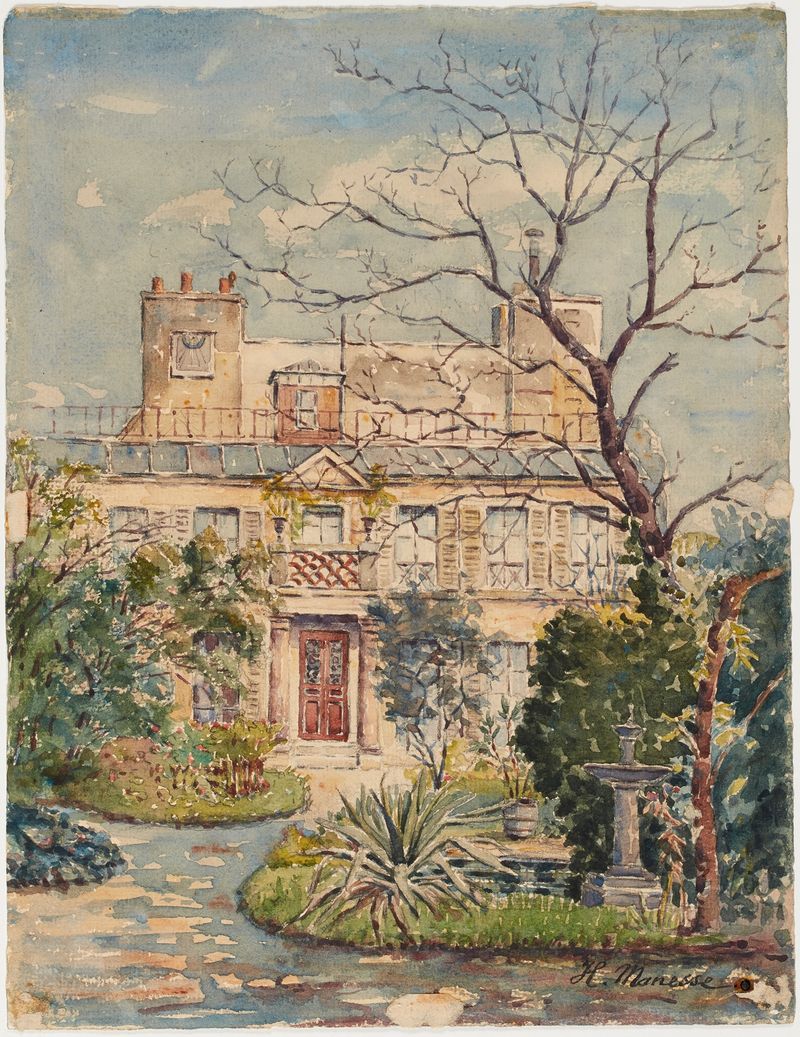
Maison de Victor Hugo, rue du Cherche-Midi
Georges-Henri Manesse

Passerelle des Arts
Georges-Henri Manesse

Vieille maison du XVè siècle, 6 rue Boutebrie
Georges-Henri Manesse
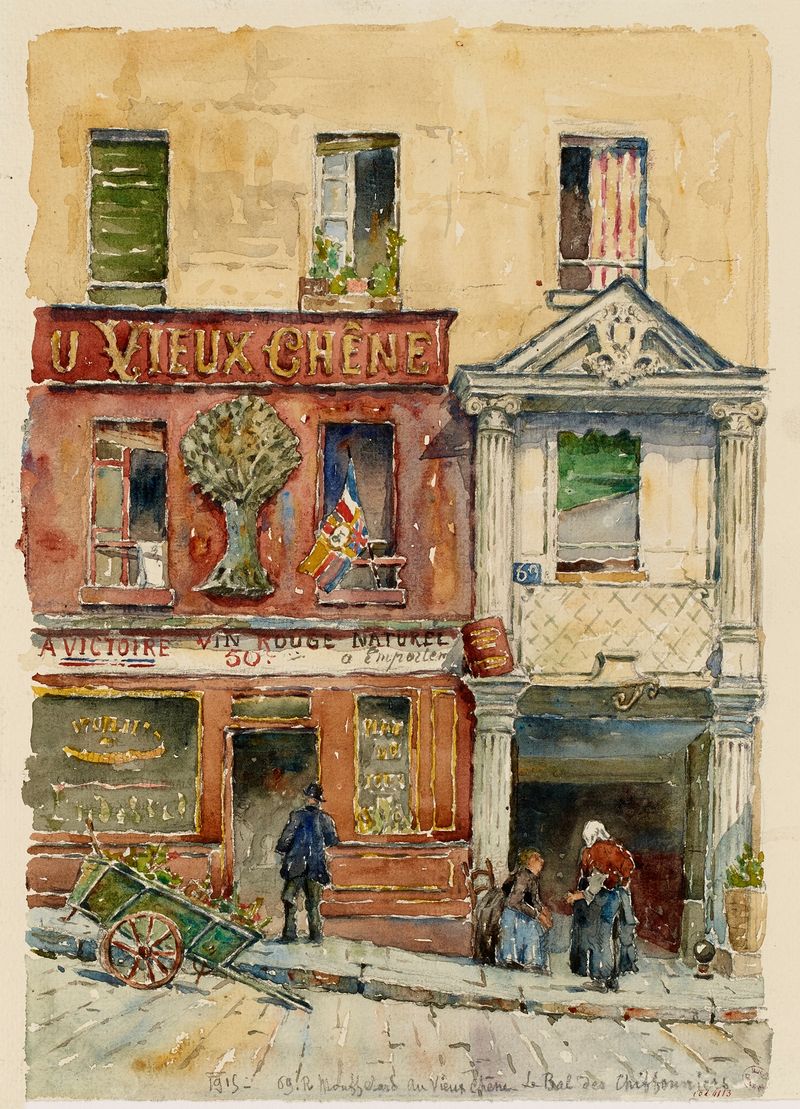
69, rue Mouffetard Boutique de vins à l’enseigne du Vieux chêne
Georges-Henri Manesse
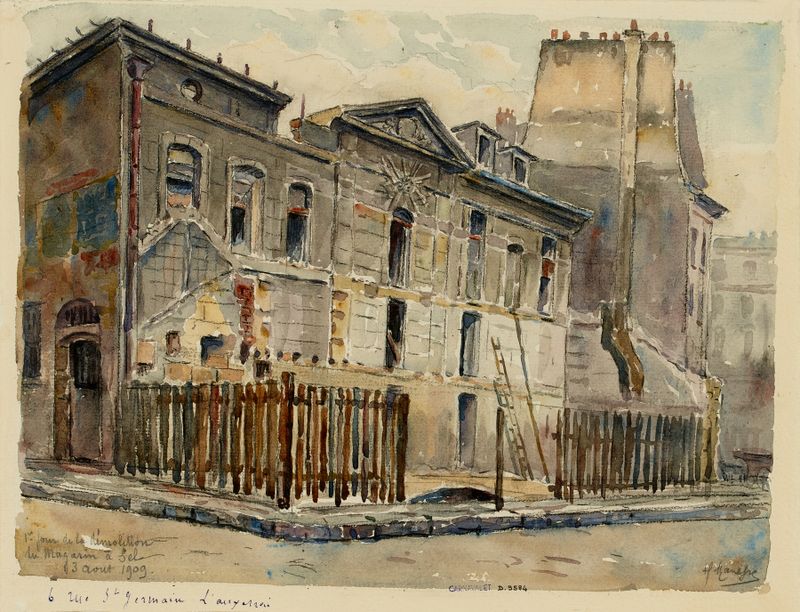
Premier jour de la démolition du magasin à sel, 6 rue Saint Germain de l’Auxerrois
Georges-Henri Manesse
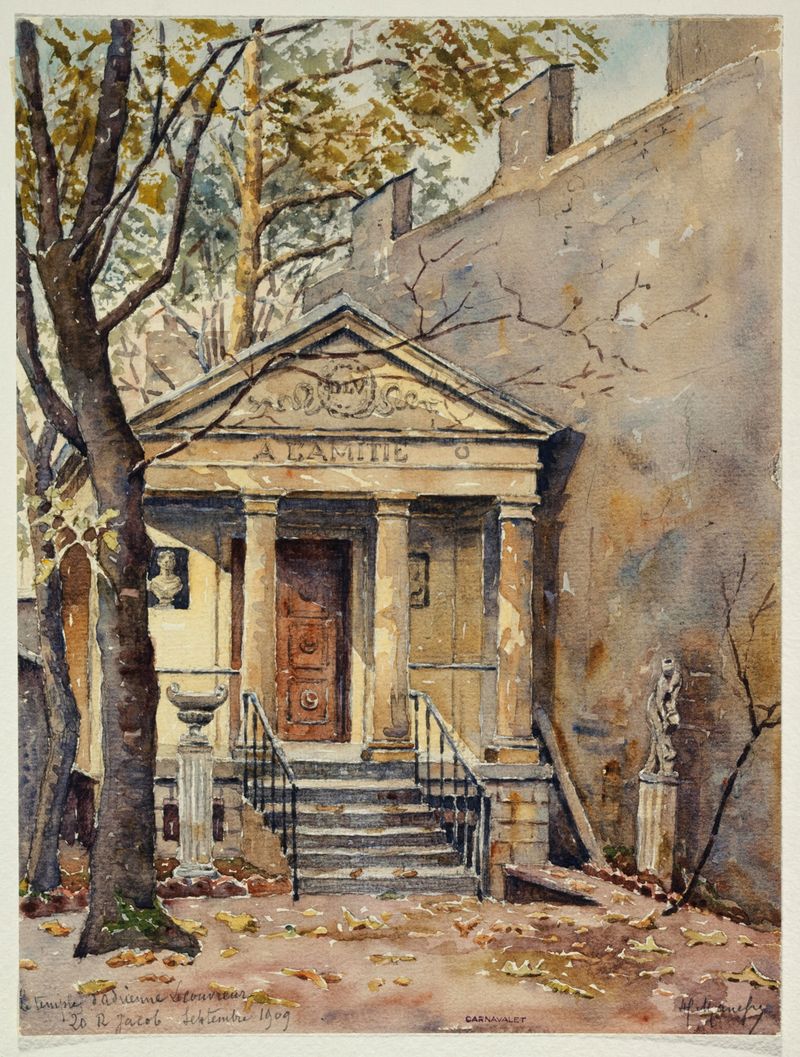
Temple de l’Amitié, 20 rue Jacob où habita Adrienne Lecouvreur
Georges-Henri Manesse

Maison de campagne de Jean-Jacques Rousseau, 20 quai de Passy
Georges-Henri Manesse
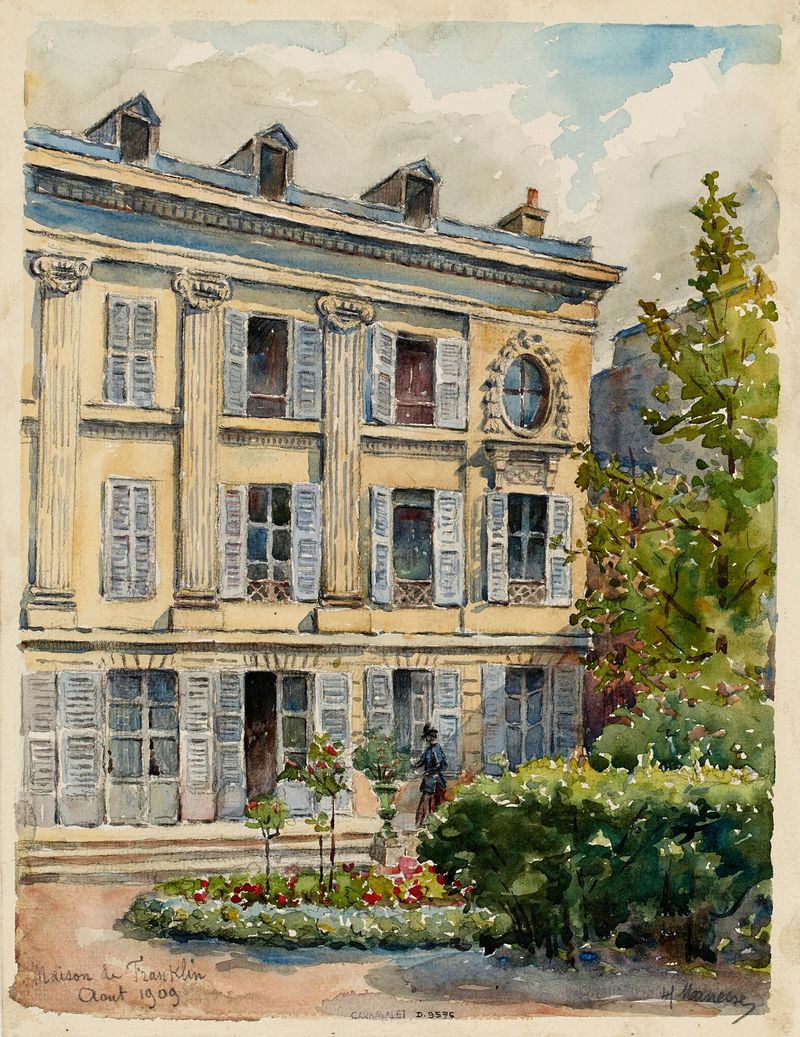
Maison de Franklin, rue raynouard à Passy
Georges-Henri Manesse
More Architecture Art
Browse all →
The statue of Liberty
Frédéric Auguste Bartholdi

View of Houses in Delft, Known as ‘The Little Street’
Johannes Vermeer

View of Houses in Delft, Known as ‘The Little Street’
Johannes Vermeer

The Cathedral in Rouen. The portal, Grey Weather
Claude Monet

The yellow house
Vincent van Gogh

The Church in Auvers-sur-Oise, View from the Chevet
Vincent van Gogh