
Maison de campagne de Jean-Jacques Rousseau, 20 quai de Passy — History & Facts
Who listens when art speaks of silence? In the stillness of Maison de campagne de Jean-Jacques Rousseau, a sacred pause emerges, drawing us into a conversation with both nature and the divine. Look to the left at the delicate brushstrokes that outline the quaint cottage, a testament to serene domesticity. The warm earth tones blend harmoniously with the soft greens of the surrounding landscape, suggesting a peaceful coexistence between humanity and nature. Notice how light filters through the trees, dappled and playful, illuminating the scene.
The composition invites you to step into this retreat, where simplicity reigns, and every detail breathes life into the canvas. The juxtaposition of the rustic house and the encroaching wilderness evokes a tension between civilization and the untamed world. There’s an ethereal quality in the way the light highlights the foliage, almost as if nature itself is embracing the structure with divine reverence. The painting not only captures a moment but also serves as a meditation on solitude and the quest for inner peace, reflecting the ideals of its namesake.
Each brushstroke speaks volumes about the relationship between man, art, and the silence that surrounds them. Created in 1908, this work by Georges-Henri Manesse emerged while he was deeply engaged with the Symbolist movement and exploring themes of nature and philosophy. Living in Paris during a time of artistic innovation and shifting ideologies, he sought to capture the essence of his subjects with an emphasis on emotional resonance. His choice of Rousseau's country house symbolizes a retreat into thought, reflecting the artist's own contemplation amid societal changes.
More Artworks by Georges-Henri Manesse
Browse all →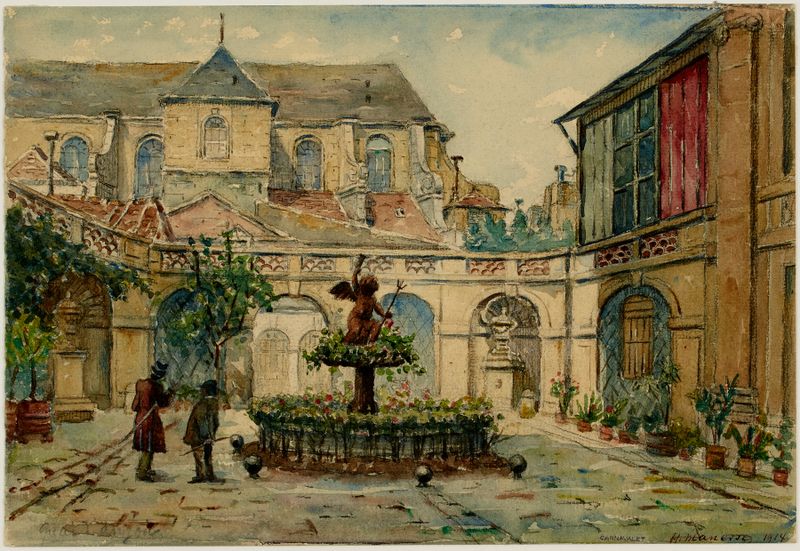
Cour intérieure de l’Hôtel Hesselin, 24 quai de Béthune
Georges-Henri Manesse
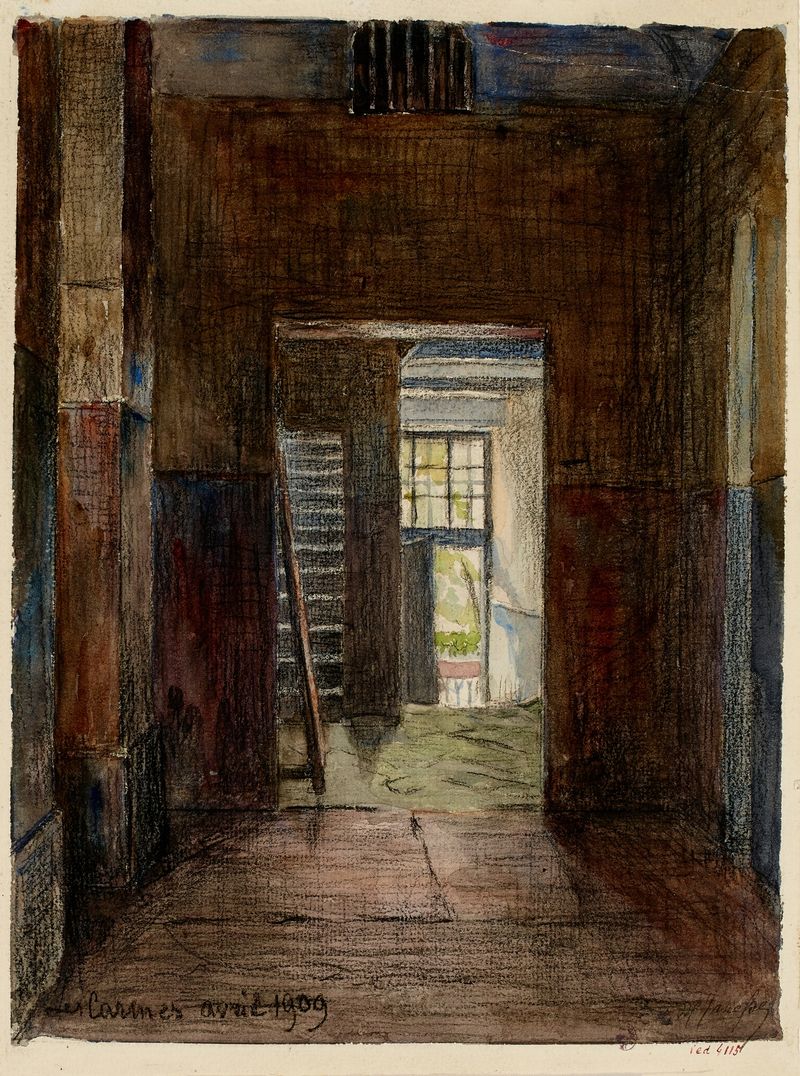
Intérieur du couvent des Carmes, rue de Vaugirard
Georges-Henri Manesse
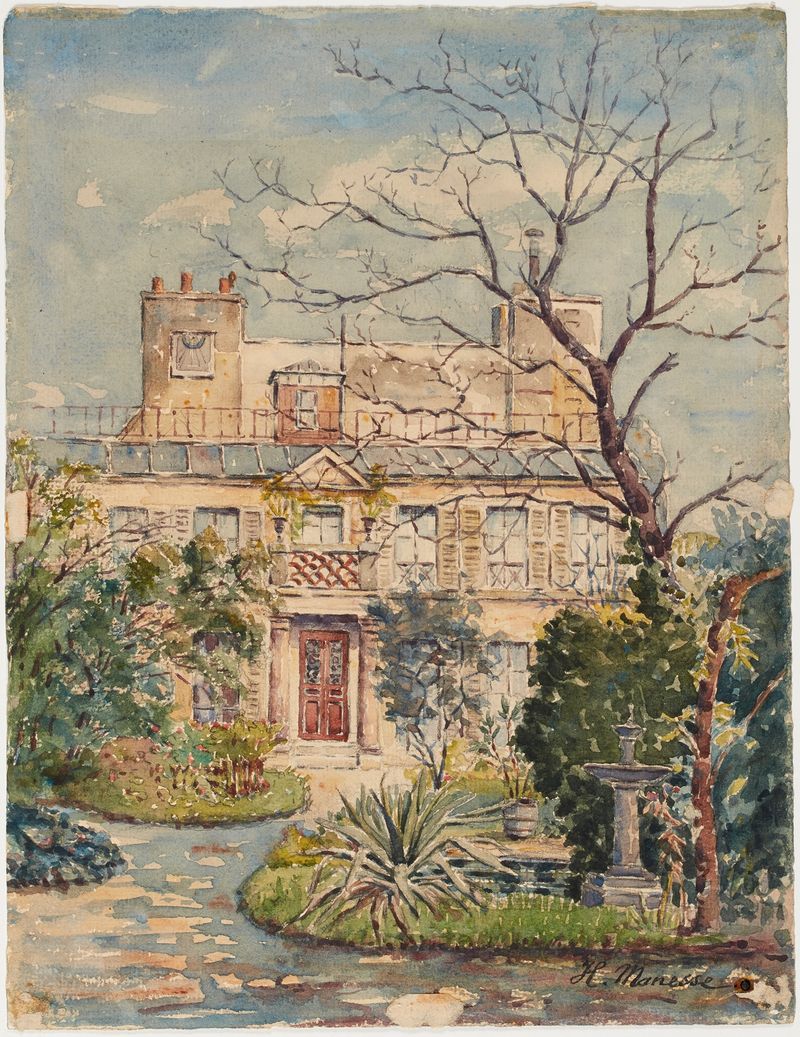
Maison de Victor Hugo, rue du Cherche-Midi
Georges-Henri Manesse
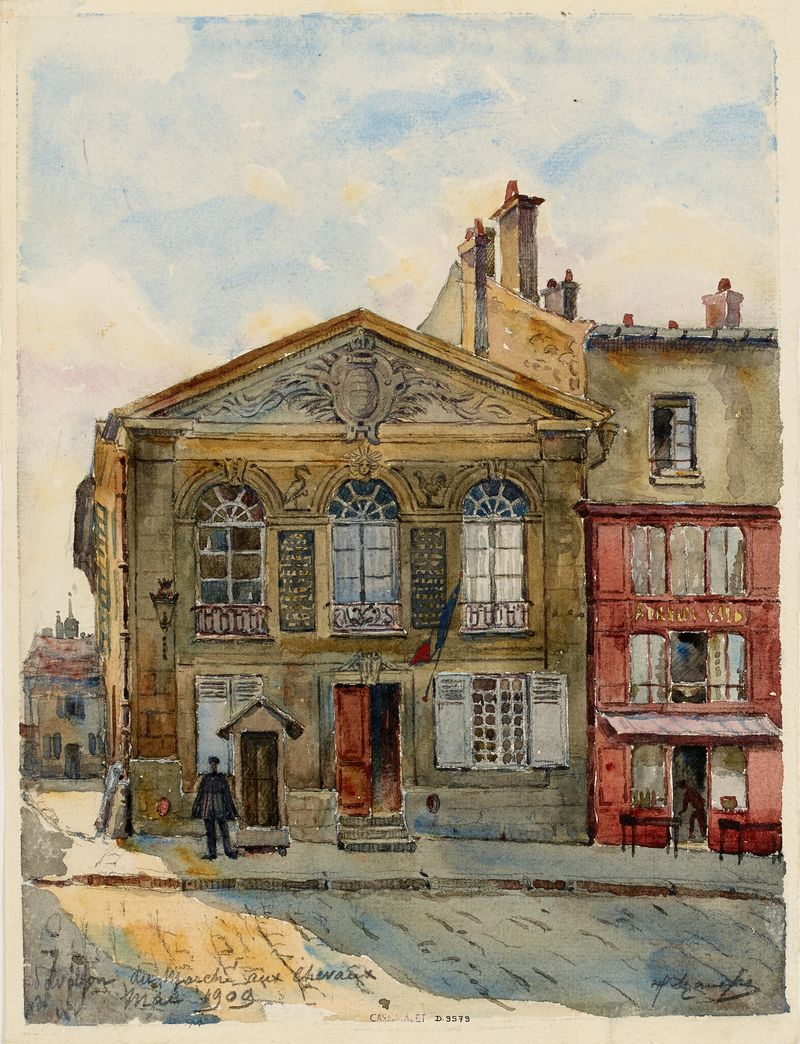
Le pavillon de police du Marché aux chevaux, rue Geoffroy Saint Hilaire
Georges-Henri Manesse

Passerelle des Arts
Georges-Henri Manesse

Vieille maison du XVè siècle, 6 rue Boutebrie
Georges-Henri Manesse
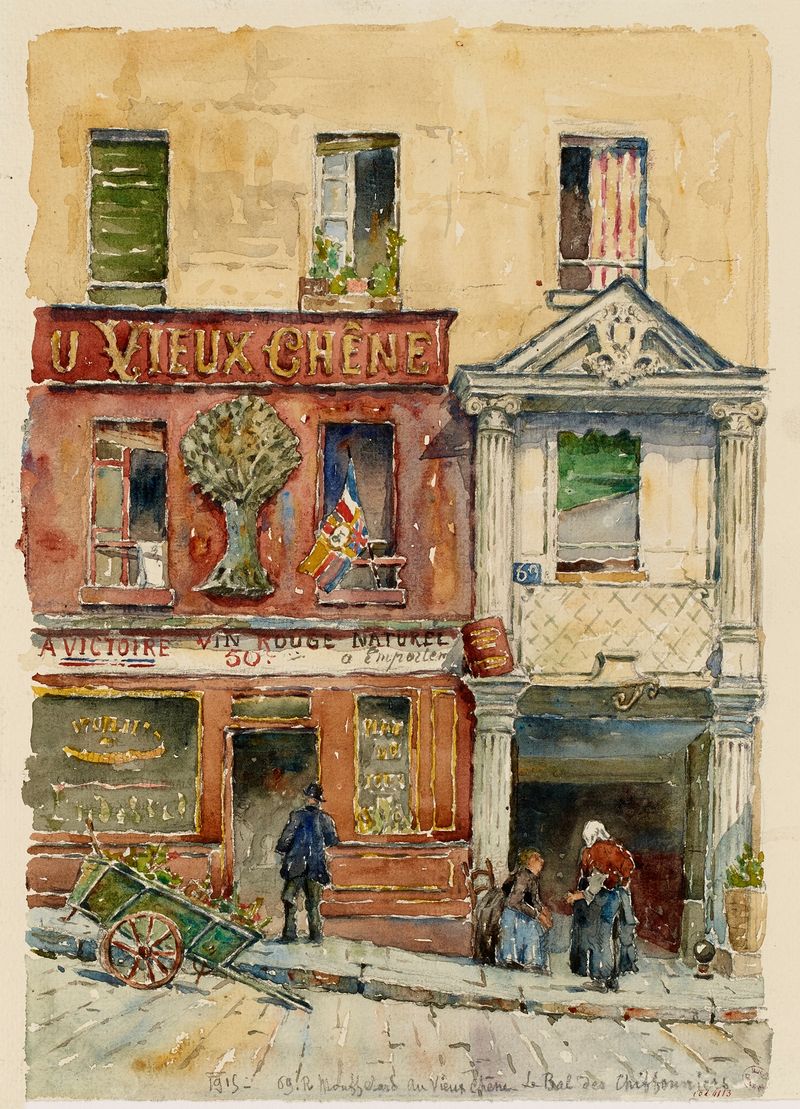
69, rue Mouffetard Boutique de vins à l’enseigne du Vieux chêne
Georges-Henri Manesse
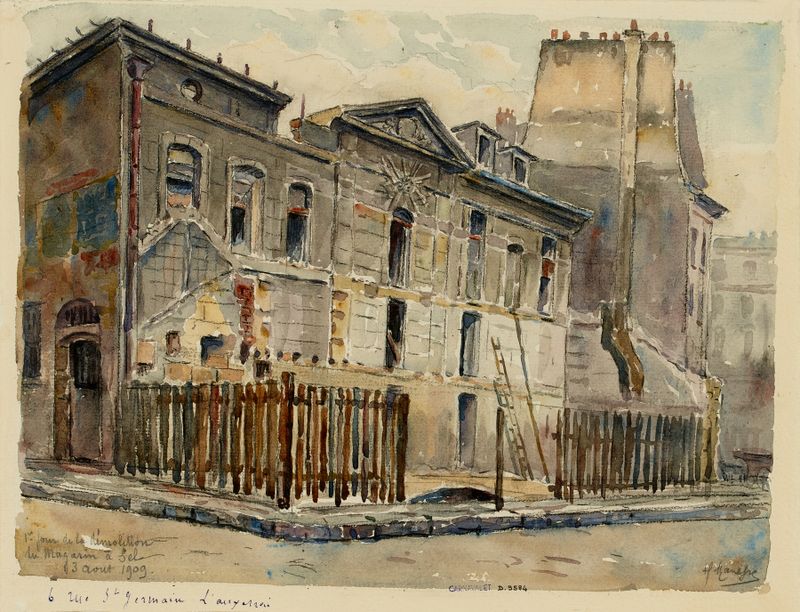
Premier jour de la démolition du magasin à sel, 6 rue Saint Germain de l’Auxerrois
Georges-Henri Manesse
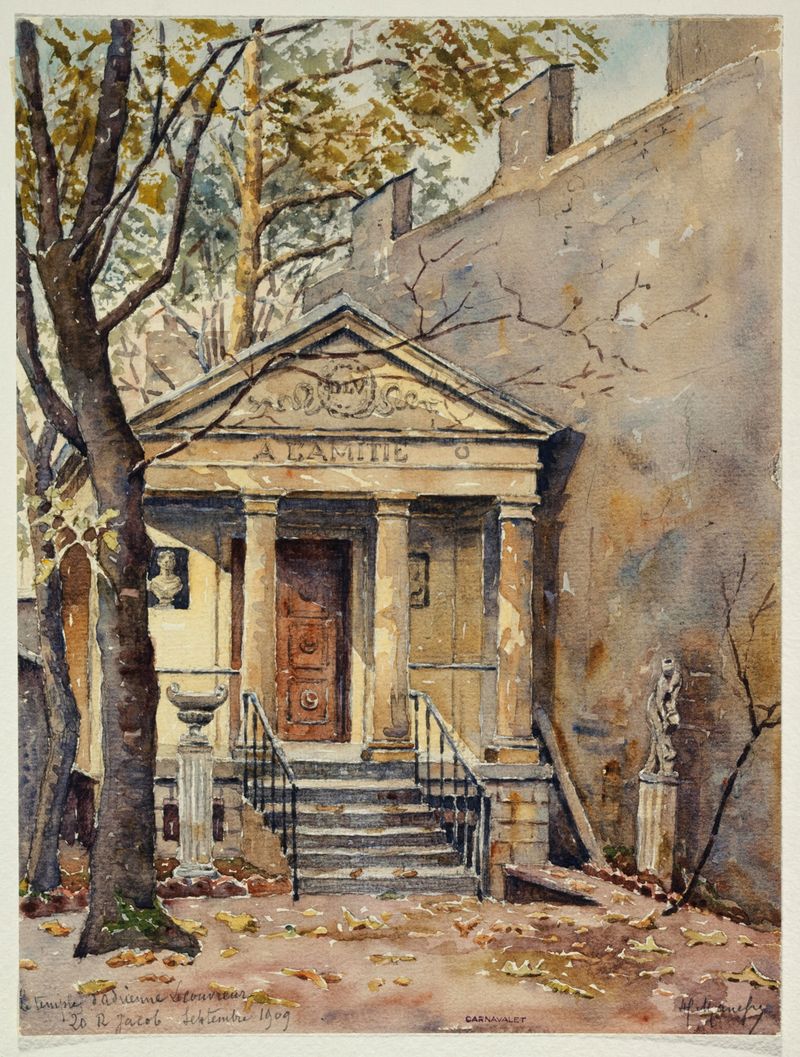
Temple de l’Amitié, 20 rue Jacob où habita Adrienne Lecouvreur
Georges-Henri Manesse
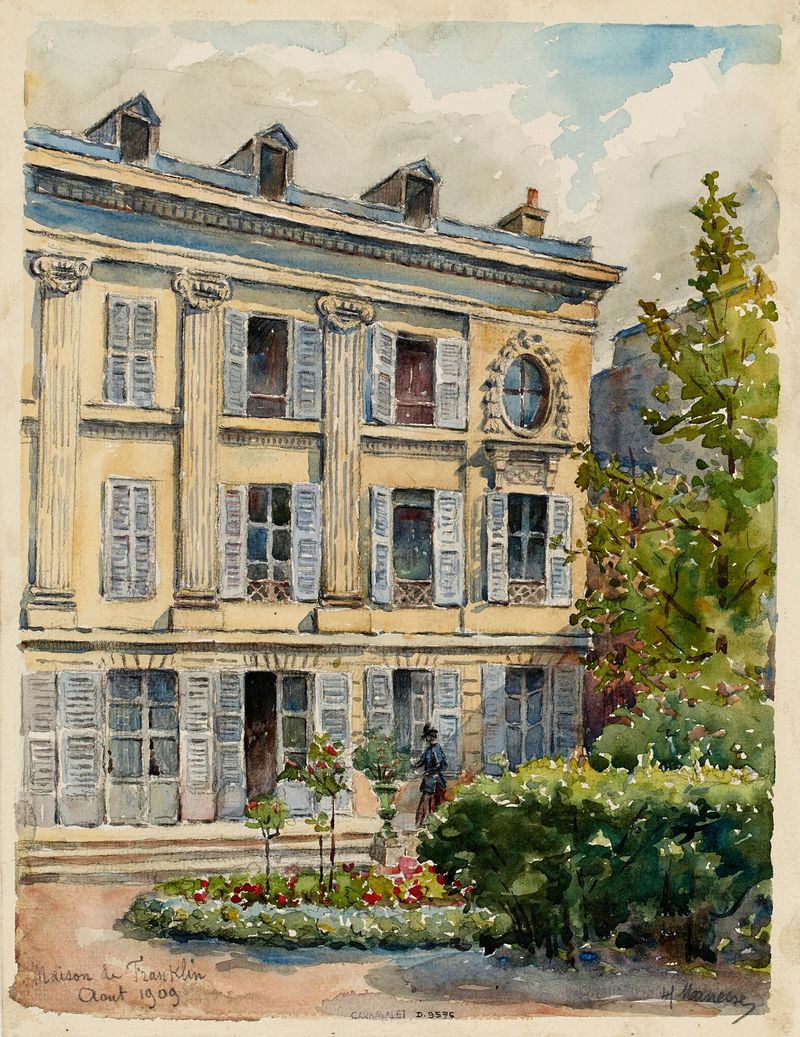
Maison de Franklin, rue raynouard à Passy
Georges-Henri Manesse
More Architecture Art
Browse all →
The statue of Liberty
Frédéric Auguste Bartholdi

View of Houses in Delft, Known as ‘The Little Street’
Johannes Vermeer

View of Houses in Delft, Known as ‘The Little Street’
Johannes Vermeer

The Cathedral in Rouen. The portal, Grey Weather
Claude Monet

The yellow house
Vincent van Gogh

The Church in Auvers-sur-Oise, View from the Chevet
Vincent van Gogh