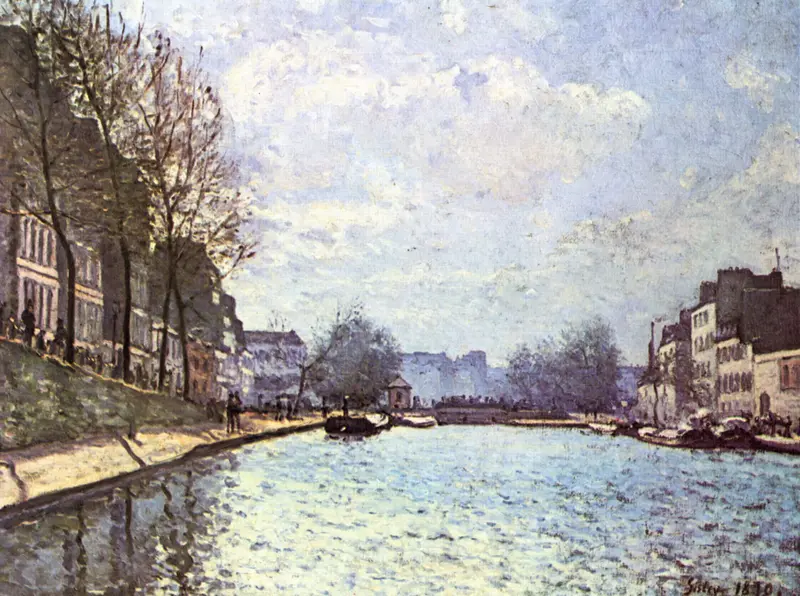
Premier jour de la démolition du magasin à sel, 6 rue Saint Germain de l’Auxerrois — History & Facts
In the stillness of a forgotten space, the air is thick with untold stories. This moment captures the ecstasy of transformation, where the past teeters on the brink of oblivion, and the future beckons like a silent promise. Look closely at the center of the composition, where the skeleton of the building stands resolute against the backdrop of a muted sky. Notice how the light dances across the exposed beams and crumbling walls, illuminating the dust motes that float like ghosts of what once was.
The artist employs a palette of subdued earth tones, allowing the textures of decay to evoke a visceral sense of nostalgia and anticipation. Each brushstroke is deliberate, as if coaxing the viewer to engage with the remnants of a life once thrived within these walls. In the shadows, small details emerge; a broken window frame, a pile of bricks poised precariously, and faint outlines of past lives etched into the backdrop. These elements speak to the tension between destruction and rebirth, highlighting the bittersweet nature of progress.
The juxtaposition of the building's chaos against the stillness of the surrounding scene evokes an emotional depth that resonates with anyone who has faced change, making this piece a powerful reflection on the human experience. Created in 1909, this work emerged during a period of rapid urbanization in France, as cities underwent drastic transformations. Georges-Henri Manesse, influenced by the tumult of his time, captured this moment of demolition, signifying the end of an era. At this juncture in his career, the artist was exploring themes of modernity and the passage of time, using this piece to encapsulate the tensions of a society in transition.
More Artworks by Georges-Henri Manesse
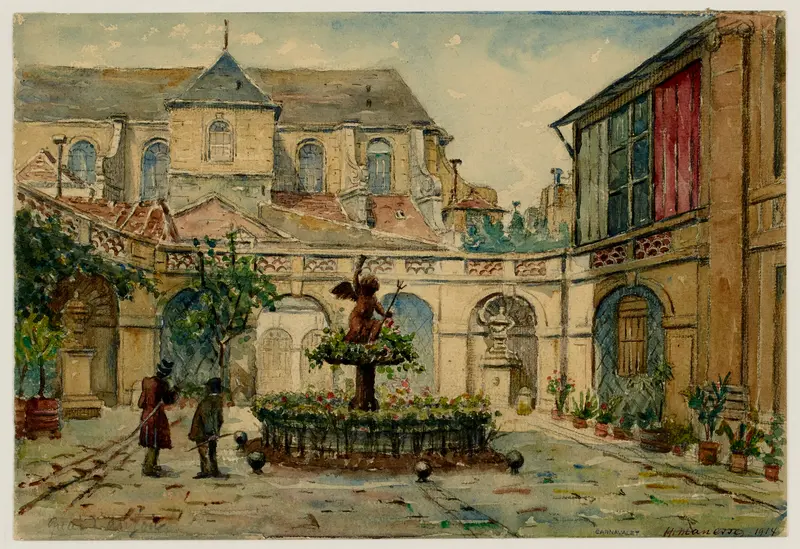
Cour intérieure de l’Hôtel Hesselin, 24 quai de Béthune
Georges-Henri Manesse
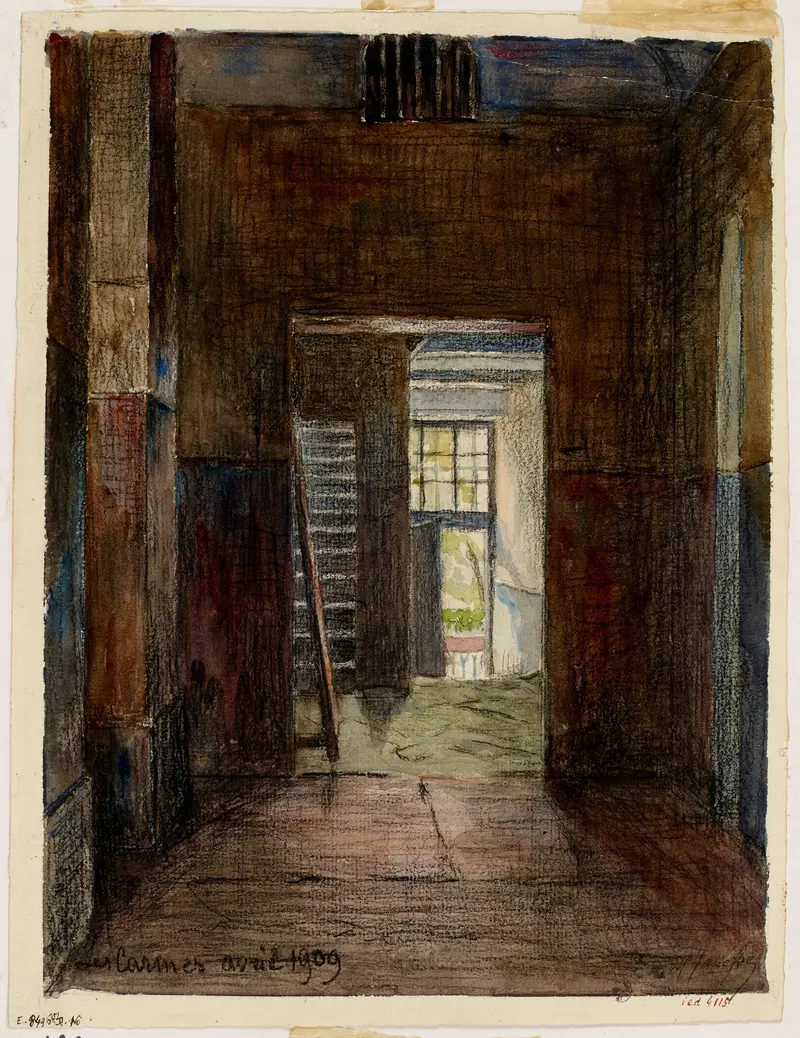
Intérieur du couvent des Carmes, rue de Vaugirard
Georges-Henri Manesse
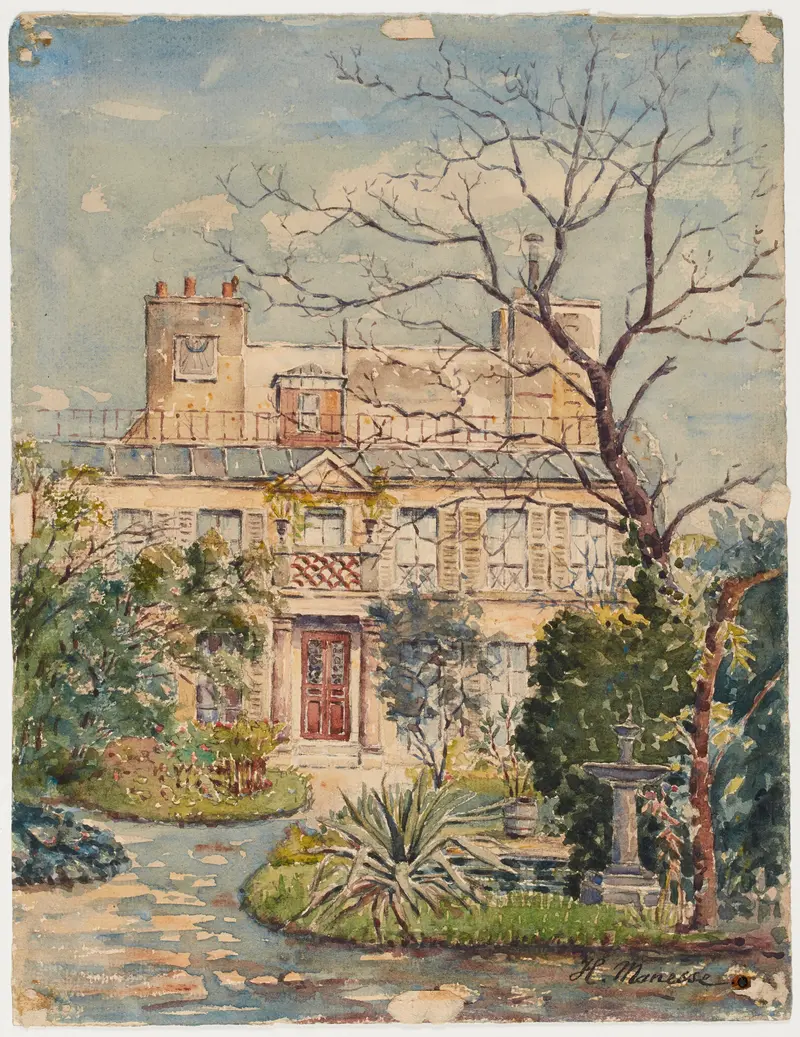
Maison de Victor Hugo, rue du Cherche-Midi
Georges-Henri Manesse
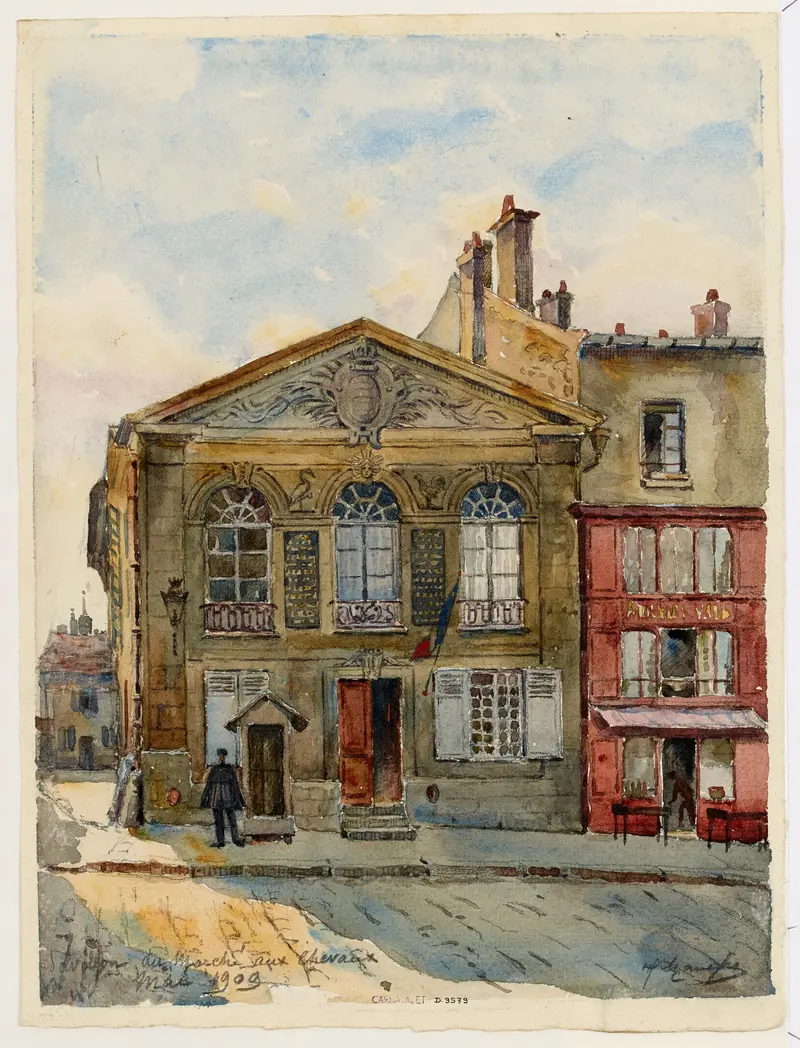
Le pavillon de police du Marché aux chevaux, rue Geoffroy Saint Hilaire
Georges-Henri Manesse
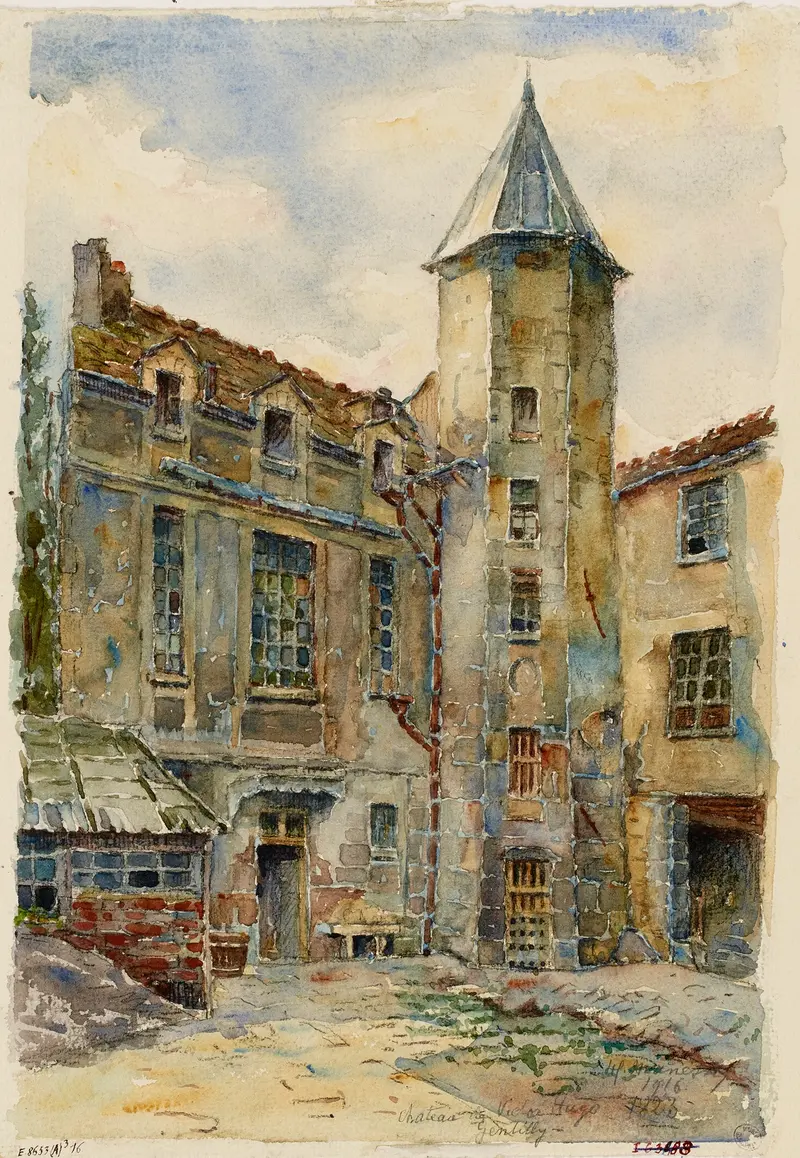
Le petit château de Victor Hugo à Gentilly
Georges-Henri Manesse
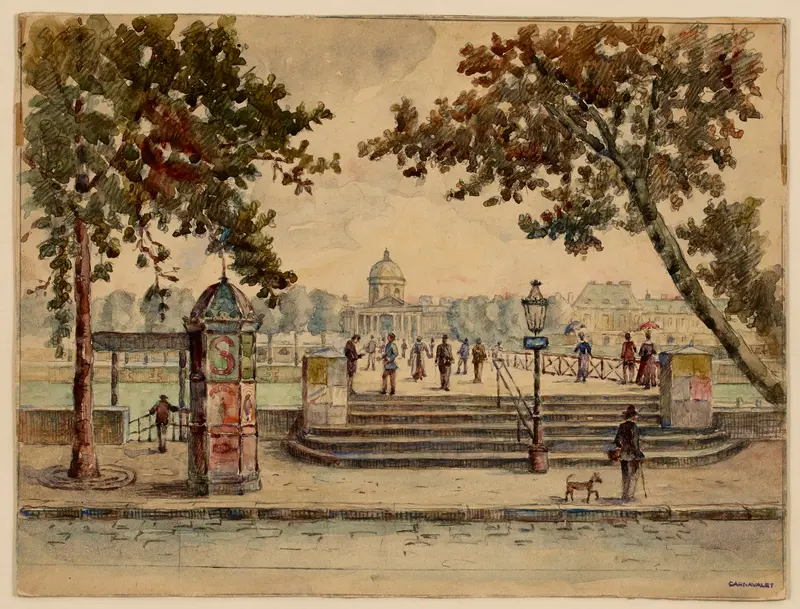
Passerelle des Arts
Georges-Henri Manesse
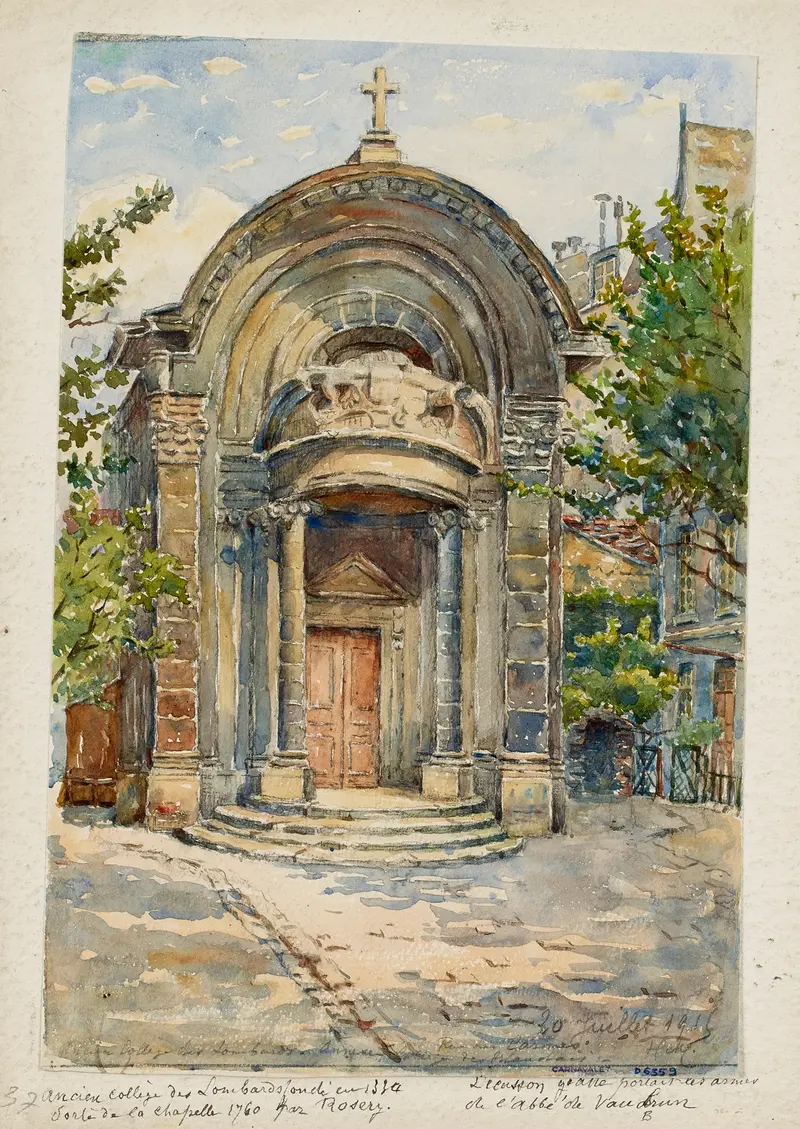
L’ancien collège des Lombards, annexe du collège des Irlandais, rue des Carmes
Georges-Henri Manesse
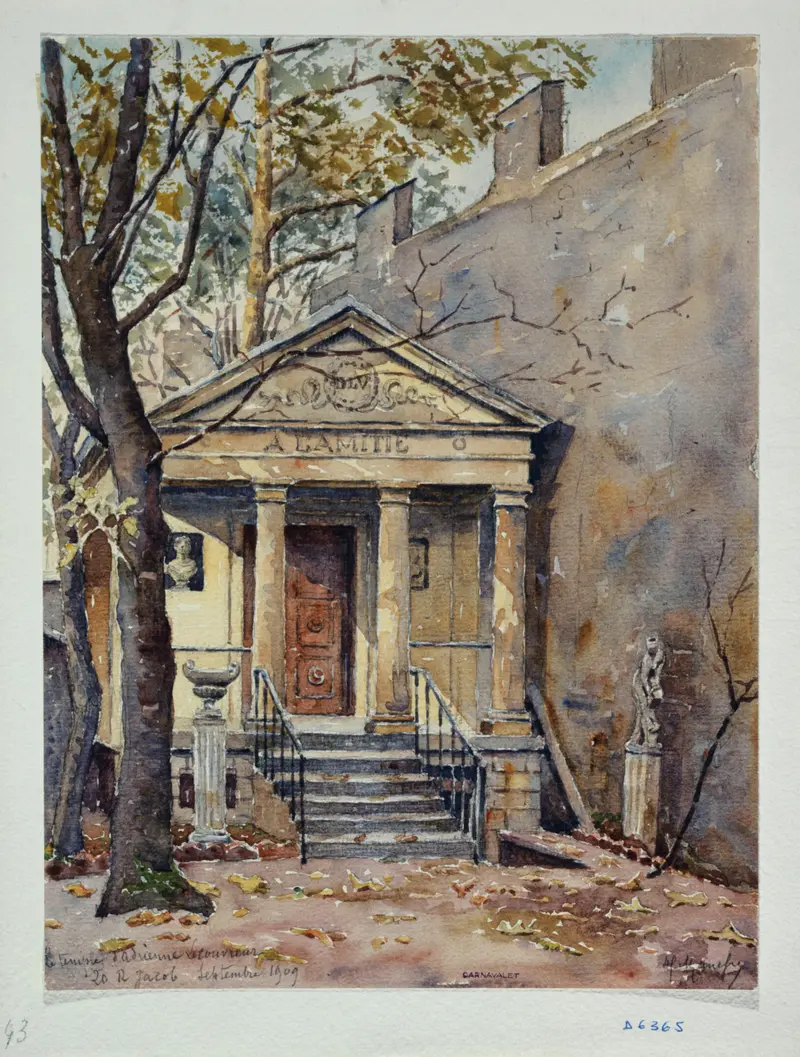
Temple de l’Amitié, 20 rue Jacob où habita Adrienne Lecouvreur
Georges-Henri Manesse
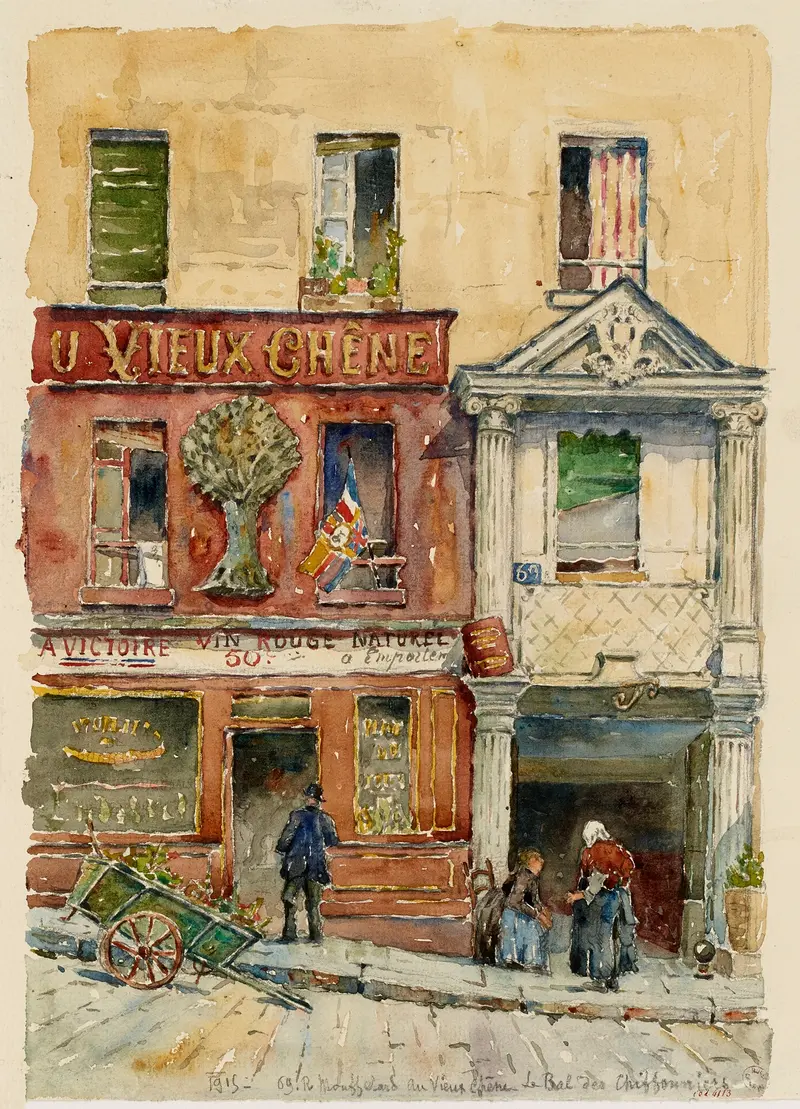
69, rue Mouffetard Boutique de vins à l’enseigne du Vieux chêne
Georges-Henri Manesse
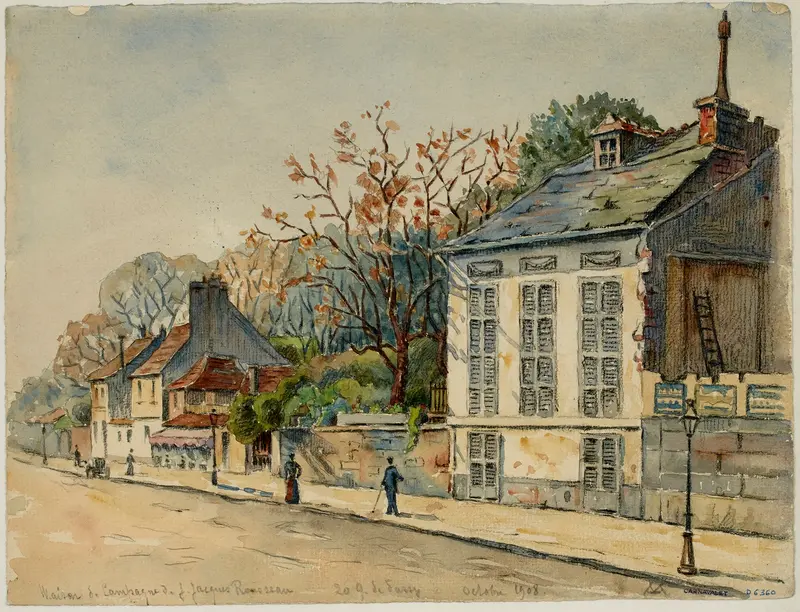
Maison de campagne de Jean-Jacques Rousseau, 20 quai de Passy
Georges-Henri Manesse