
Le Pont de Grenelle, vu de la maison de l'artiste, quai Louis Blériot P2298 Musée Carnavalet — History & Facts
The first thing that catches the eye is the moon, a pale coin suspended above the restless city, casting its cool reflection across the Seine. The painter leads us from this luminous center outward: the bridge, solid and stoic, anchors the composition, while the smoke-streaked sky and distant ferris wheel hint at the churn of modernity. Barges huddle in the foreground, their dark hulls absorbing the last glimmers of daylight, while the city behind them pulses with industry—chimneys exhaling, windows flickering with life.
The palette of soft violets and greens is not just atmospheric; it is a deliberate invitation to linger on the water’s surface, where reflections blur the boundaries between stone, sky, and river. Every brushstroke seems to weigh the old and the new, the tranquil and the restless. Painted sometime between 1852 and 1889, this view from the artist’s own home on the quai Louis Blériot is a document of a Paris in flux, caught between the traditions of the picturesque and the realities of industrial expansion. Works like this were often made for a public eager to see their rapidly changing city reflected back at them, sometimes as a keepsake, sometimes as a subtle commentary.
The Musée Carnavalet, which now houses this painting, is itself dedicated to the memory of Paris, making it a fitting guardian for such a scene. History has kept few traces of Alexandre Nozal’s intentions here, but the painting’s quiet drama invites us to imagine ourselves at that window, watching the city remake itself by moonlight.
More Artworks by Alexandre Nozal

Le Pont de Grenelle, vu de la maison de l’artiste, quai Louis-Blériot, actuels 15ème et 16ème arr
Alexandre Nozal

Nocturne. Le lac Léman – Souvenir de Villeneuve (Suisse)
Alexandre Nozal
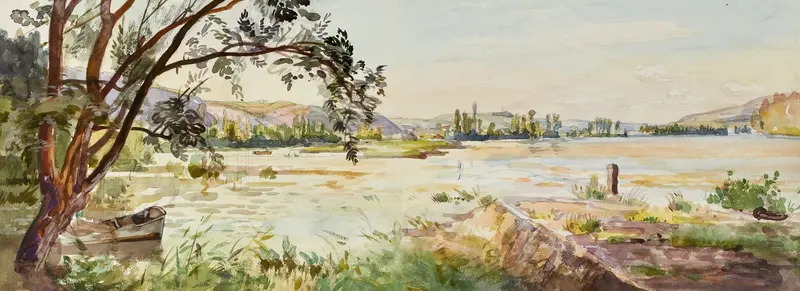
Carnet de dessins Pl.41
Alexandre Nozal
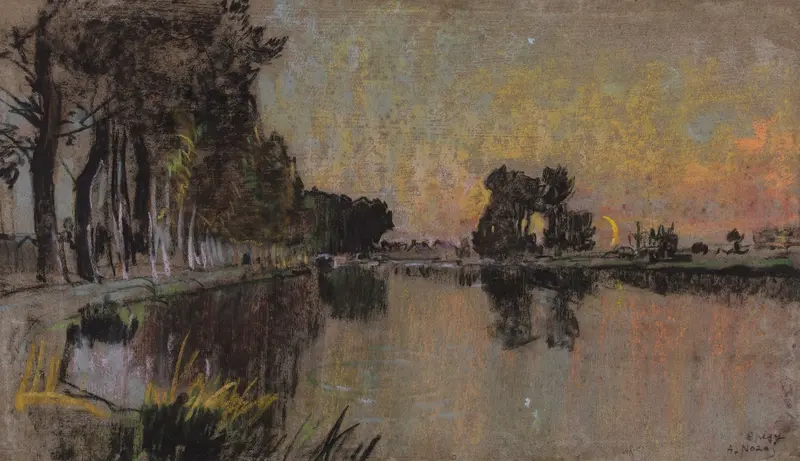
Le Loing à Episy
Alexandre Nozal
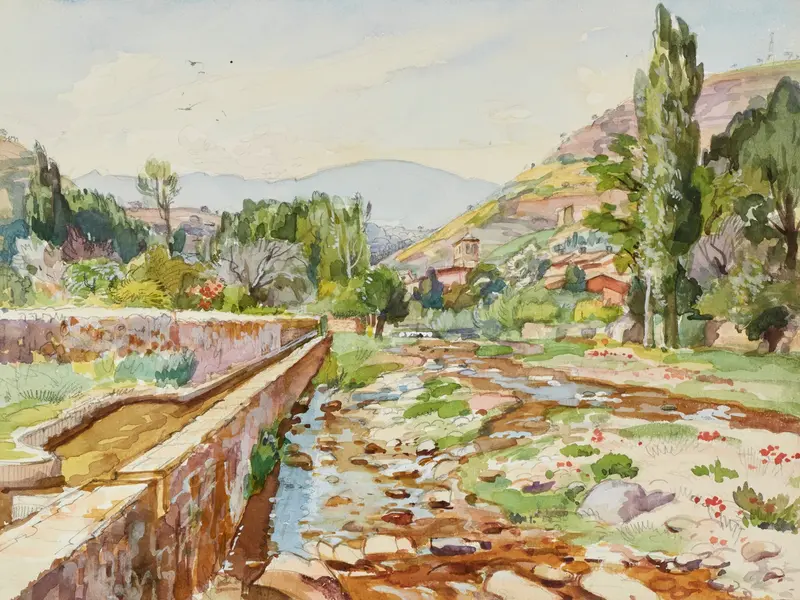
Carnet de dessins Pl.44
Alexandre Nozal

Carnet de dessins Pl.22
Alexandre Nozal
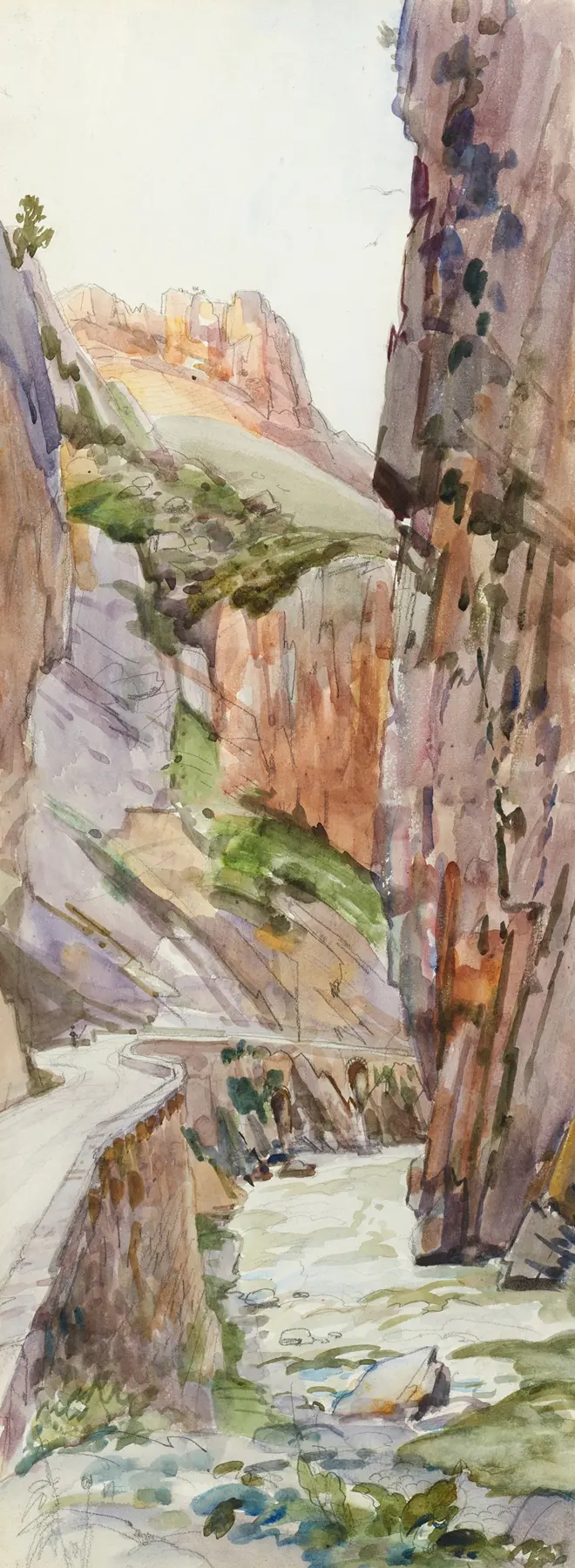
Carnet de dessins Pl.36
Alexandre Nozal
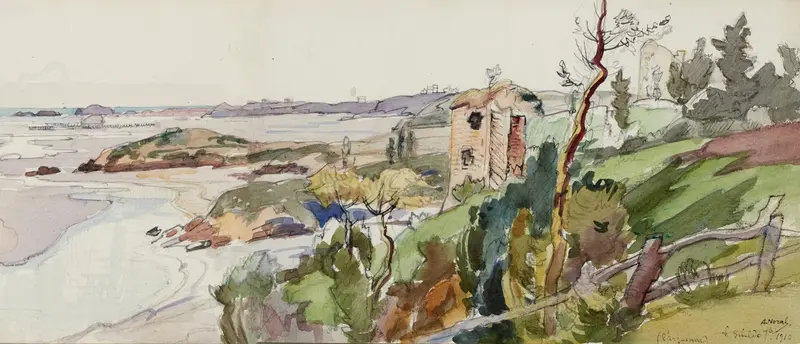
Carnet de dessins Pl.26
Alexandre Nozal
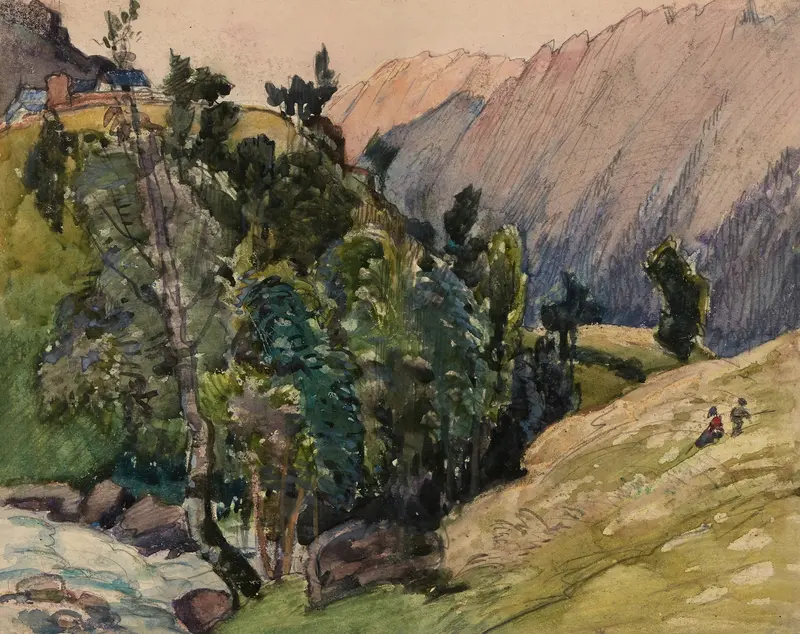
Carnet de dessins Pl.13
Alexandre Nozal
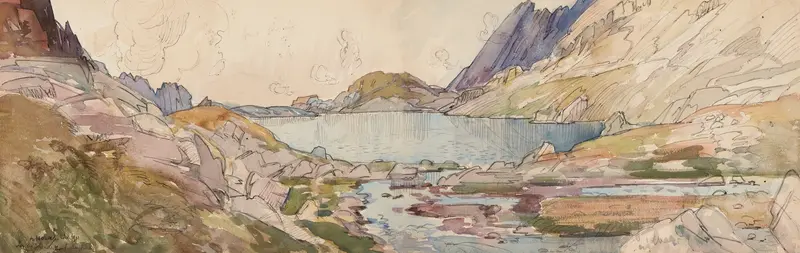
Carnet de dessins Pl.15
Alexandre Nozal
More Landscape Art

The Starry Night
Vincent van Gogh

View of Delft
Johannes Vermeer

Water Lilies
Claude Monet

The Grand Canal, Venice, looking north-west from the Ca' Corner to the Ca' Contarini degli Scrigni, with the campanile of Santa Maria della Carità
Canaletto

Windsor Castle
Canaletto

The Grand Canal looking North-East from the Palazzo Dolfin-Manin to the Rialto Bridge
Canaletto